
Introduction: Your Trusted Partner for Plumbing in Detroit’s New Center
The New Center area is one of Detroit’s most vibrant and historic neighborhoods. Bustling with iconic architecture like the Fisher Building, thriving businesses, museums, and a growing residential population, it’s an exciting place to live and work. However, maintaining properties in this dynamic urban core comes with unique challenges, especially when it comes to plumbing.
Whether you own a classic historic home, a modern loft, or a bustling commercial space along Woodward Avenue, plumbing issues are inevitable. A clogged drain, a sudden pipe burst, or a failing water heater can bring your daily routine or business operations to a screeching halt. Attempting DIY repairs on complex systems can often lead to further damage and unexpected costs.
When you face a plumbing emergency or need a complex installation, you need a local expert who understands the specific infrastructure of New Center properties. At Plumber in Detroit, we are dedicated to serving our neighbors with integrity, expertise, and unparalleled reliability. Our team of licensed and insured professionals is on call 24/7, ready to tackle any plumbing challenge with precision and care. From simple faucet replacements to major sewer line repairs, we are your trusted partner for all plumbing services in Detroit’s New Center.
What Is Professional Plumbing Service?
Professional plumbing service involves the diagnosis, installation, repair, and maintenance of the complex systems that supply potable water and remove wastewater from residential and commercial buildings. While many homeowners are comfortable with basic tasks like changing a showerhead or plunging a toilet, true professional service goes far beyond that.
It requires specialized knowledge of building codes, material compatibility (especially critical when dealing with older homes in New Center), and advanced diagnostic tools. A professional plumber ensures your system operates safely and efficiently, protecting your property from water damage, mold growth, and health hazards associated with sewage backups. It’s about providing long-term solutions, not temporary fixes that end up costing you more in the long run.
Common scenarios requiring professional intervention include:
-
Hidden Leaks: Water stains on walls or ceilings indicating a pipe failure behind drywall.
-
Sewer System Failures: Gurgling drains or sewage odors signaling a blockage in the main line.
-
Water Heater Malfunctions: Inconsistent water temperatures or rusty water coming from the tap.
-
Gas Line Issues: (If licensed) Suspected leaks requiring immediate attention and repair.
Why Do Plumbing Problems Happen in New Center?
Plumbing problems in New Center often stem from a combination of age, environmental factors, and sometimes, simple wear and tear. Understanding these causes can help property owners take preventative measures.
Aging Infrastructure
Much of New Center was developed rapidly in the early 20th century. While this gives the neighborhood its unique charm, it also means many properties still rely on aging infrastructure. Original galvanized steel or cast iron pipes inevitably corrode, rust, and accumulate mineral scale over decades. This buildup restricts water flow, weakens pipe walls, and eventually leads to pinhole leaks or catastrophic bursts.
Hard Water Buildup
Detroit’s municipal water supply is moderately hard, meaning it contains high levels of dissolved calcium and magnesium. Over time, these minerals precipitate out of the water and harden inside pipes, fixtures, and especially inside water heater tanks. This scaling reduces the efficiency of your appliances, clogs aerators and showerheads, and puts unnecessary strain on your entire plumbing system.
Tree Root Intrusion
Mature trees, which add beauty to the New Center streetscape, have extensive root systems. These roots are naturally drawn to the moisture and nutrients escaping from tiny cracks or loose joints in older clay or concrete sewer lines. Once inside the pipe, roots grow rapidly, creating stubborn blockages that lead to sewage backups in basements.
High Water Pressure
To supply water efficiently to multi-story buildings common in the New Center area, municipal water pressure can sometimes be quite high. If a property lacks a properly functioning pressure-reducing valve (PRV), this excessive pressure puts immense stress on joints, seals, and appliances, leading to premature failure and leaks.
Signs You Should Never Ignore
Your plumbing system often provides subtle—and sometimes not-so-subtle—warning signs before a major failure occurs. Recognizing these signs early can save you from expensive emergency repairs and property damage.
-
Slow Drains: When a sink, tub, or toilet drains sluggishly, it’s the first sign of a developing clog. Ignoring it often leads to a complete blockage.
-
Water Stains: Yellow, brown, or dark stains appearing on your ceiling or walls indicate an active, hidden leak from a pipe or fixture above or behind the surface.
-
Low Water Pressure: A sudden drop in water pressure across multiple fixtures typically suggests a major leak in the main supply line or significant pipe corrosion.
-
Damp Walls or Floors: Soft, spongy drywall or damp spots on your flooring near plumbing areas signal a serious leak that needs immediate attention to prevent mold growth.
-
Mold Growth: The presence of mold in unexpected areas, especially near bathrooms or basements, often points to a chronic, unseen moisture problem stemming from a plumbing leak.
-
Foul Odors: Persistent sewage smells emanating from drains or your basement indicate a breach in the sewer line or a dry P-trap allowing sewer gas to escape.
-
Strange Noises: Banging, rattling, or squealing sounds (known as water hammer) when you turn water on or off signal loose pipes, excessive pressure, or failing valves.
Common Plumbing Problems Related to This Issue
A specific issue like a small leak or a simple clog doesn't occur in a vacuum; it’s often interconnected with broader plumbing health. For example:
-
Pipe Leaks: Can lead to structural rot, mold growth, and damage to electrical systems.
-
Drain Clogs: Can cause pipe corrosion due to standing waste or backups that overflow onto floors, damaging subflooring.
-
Sewer Backups: Pose severe health risks due to contamination and can ruin flooring, drywall, and personal belongings in basements.
-
Water Heater Failures: Result in sudden flooding, lack of hot water, and potential scalding hazards.
Step-by-Step Professional Repair Process
When you call Plumber in Detroit for a repair in New Center, you can expect a transparent, efficient, and effective process.
-
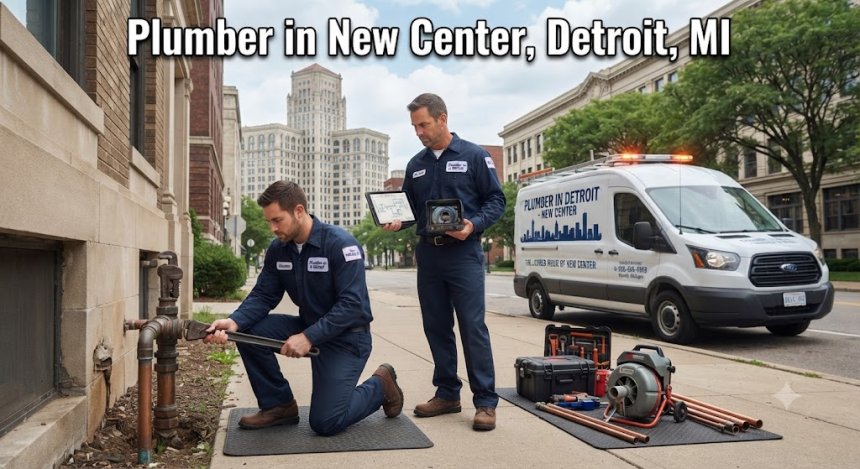
Comprehensive Inspection: Our licensed plumber arrives on time, listens to your concerns, and conducts a thorough inspection of the affected area using advanced diagnostic tools like drain cameras and leak detection equipment.
-
Accurate Diagnosis: We don't just treat the symptom; we identify the root cause of the problem. Whether it's a hidden slab leak or a main sewer line collapse, we pinpoint exactly what's wrong.
-
Upfront Estimate: Before any work begins, we explain the issue clearly, outline your repair or replacement options, and provide a detailed, upfront price quote. We believe in complete transparency with no hidden fees.
-
Professional Execution: With your approval, our technician proceeds with the repair using high-quality materials and industry best practices, ensuring the work meets or exceeds local building codes.
-
Rigorous Testing: After the repair is complete, we thoroughly test the system to ensure the leak is resolved, drains are flowing freely, and all fixtures are operating safely and correctly.
-
Site Cleanup and Restoration: We respect your property. Our team cleans up the work area completely, removing all debris. While we specialize in non-invasive techniques, any necessary drywall or flooring restoration is discussed upfront.
-
Preventive Advice: Our plumber will offer practical maintenance tips to help you avoid similar issues in the future, ensuring the longevity of your plumbing system.
Can You Fix It Yourself?
Understanding the limits of DIY plumbing is crucial for safety and preventing minor issues from becoming major disasters.
Safe DIY Solutions
Homeowners can safely handle basic tasks like plunging a simple toilet clog, tightening a loose packing nut on a dripping faucet handle, or replacing a worn-out showerhead. You can also learn to shut off the main water valve to your home in case of an emergency.
When DIY Becomes Dangerous
Plumber in Detroit strongly advises against attempting complex repairs without professional training and equipment. This includes:
-
Gas Line Work: Any issues related to natural gas lines, including repairs or installations for appliances, are extremely dangerous and require a licensed professional to avoid explosions and carbon monoxide poisoning.
-
Sewer Line Repairs: Attempting to clear main line blockages with rental equipment can cause injury or further damage to aging pipes, turning a slow drain into a collapsed line.
-
Water Heater Replacement: Incorrectly installing a new water heater risks scalding injuries, gas leaks, electrical shocks, and severe water damage if not properly connected to venting and plumbing systems.
-
Using Chemical Drain Cleaners: Relying on harsh chemical acids to clear clogs often damages older pipes, creating leaks behind walls or under slabs that are expensive to repair.
Tools Professionals Use
Professional plumbers carry a suite of specialized tools that allow them to diagnose and repair problems with greater accuracy and efficiency than standard homeowner tools.
-
Drain Cameras: Flexible fiber-optic cameras that can be fed deep into drain and sewer lines to visually inspect the interior of pipes, identifying cracks, roots, and blockages without digging or cutting.
-
Leak Detection Equipment: Advanced acoustic listening devices and thermal imaging cameras used to pinpoint the exact location of hidden leaks behind walls, under floors, or underground without destructive exploration.
-
Hydro Jetting: High-pressure water jetting equipment used to scour pipe walls clean of stubborn grease, scale, and tree roots, restoring pipes to near-original condition.
-
Pipe Locators: Electronic devices used in conjunction with drain cameras to map the path and depth of underground pipes, ensuring accurate excavation if needed.
-
Pressure Testing Gauges: Tools used to verify the integrity of plumbing systems and identify the presence of leaks in water or gas lines.
How Long Does the Repair Usually Take?
Repair timelines depend entirely on the complexity of the issue and the accessibility of the plumbing.
-
Simple Repairs: Fixing a running toilet, replacing a faucet cartridge, or clearing a basic sink clog typically takes 1 to 2 hours.
-
Moderate Repairs: Replacing a garbage disposal, repairing a section of accessible pipe, or addressing a slow main drain line blockage with an auger generally takes 2 to 4 hours.
-
Major Repairs: Installing a new water heater, performing comprehensive repiping, excavating to repair a collapsed sewer line, or locating and fixing a slab leak can take anywhere from 4 hours to multiple days, depending on the scope and necessary permits.
-
Emergency Response: For urgent situations like burst pipes or sewage backups, our team dispatches immediately. We aim to arrive at your New Center location within 60-90 minutes, ensuring rapid containment and resolution.
Cost Factors
Ethical plumbers provide pricing based on specific factors rather than offering fake fixed fees over the phone. The cost of your plumbing repair in New Center will depend on:
-
The Nature of the Problem: The complexity of the issue directly impacts the time, skill, and equipment required for the repair.
-
Accessibility: Pipes located in crawlspaces, behind finished walls, or under concrete slabs are more difficult to access, increasing labor time and cost.
-
Parts and Materials: The quality and type of materials needed for the repair (e.g., copper vs. PEX, standard vs. high-efficiency water heater) affect the price.
-
Emergency Service: After-hours, weekend, or holiday emergency calls typically carry a higher service rate due to immediate dispatch.
-
Permits and Inspections: Certain major repairs or installations require permits from the City of Detroit and subsequent inspections, which add to the overall cost but ensure code compliance and safety.
Plumbing repair costs vary depending on the severity of the problem, accessibility, materials required, emergency service, property type, and local labor rates.
Hidden Truths Homeowners Should Know
The plumbing industry has practical realities that every property owner should understand to protect their investment and avoid unnecessary expenses.
-
Small Leaks Become Expensive Repairs: Ignoring a minor drip or slow leak inevitably leads to accelerated corrosion, extensive water damage, wood rot, and mold growth over time.
-
Cheap Temporary Fixes Often Fail: Using epoxy putty or clamps on leaking pipes is a temporary band-aid that will eventually burst under pressure, causing a much larger flood.
-
Tree Roots Always Return: If you simply snake a root-infested sewer line, the roots will grow back thicker within months. Only professional hydro-jetting or pipe replacement provides a long-term solution.
-
Hard Water Shortens Appliance Lifespan: Without proper maintenance or water softening, Detroit's hard water will destroy water heaters, dishwashers, and washing machines years before their time.
-
DIY Mistakes Increase Repair Costs: Attempting complex plumbing repairs without proper knowledge often results in mistakes that end up costing more for a professional to fix than if they had been called initially.
-
Delaying Repairs Causes Structural Damage: Water leaking behind walls or under slabs will rot framing and compromise your building's foundation if left unaddressed.
-
Hidden Leaks Spike Utility Bills: An undetected underground or slab leak can waste thousands of gallons of water, causing a sudden and unexplained jump in your monthly water bill.
-
Mold Develops Quickly: In damp environments created by leaks, toxic mold can begin growing within 48 to 72 hours. Immediate action is crucial for health and safety.
-
Annual Maintenance Saves Money: Scheduling an annual plumbing inspection and tune-up is dramatically cheaper than paying for emergency repairs or premature appliance replacement.
-
Hiring Unlicensed Handymen is a Risk: Allowing unlicensed individuals to perform plumbing work often results in code violations, unsafe conditions, and voided insurance claims.
15 Common Mistakes Homeowners Make
Avoid these common errors to protect your plumbing system and save money in the long run.
-
Ignoring Minor Leaks: Assuming a small drip under the sink isn't urgent until it causes cabinet rot.
-
Using Chemical Drain Cleaners: Opting for harsh acids that corrode older pipes instead of calling for professional drain cleaning.
-
Flushing "Flushable" Wipes: Treating the toilet like a trash can causes major sewer blockages, especially in older homes.
-
Pouring Grease Down Drains: Liquid fat solidifies in pipes, creating impenetrable blockages in kitchen lines.
-
Overloading Garbage Disposals: Putting fibrous peels, eggshells, and excessive food waste into the disposal.
-
Ignoring Water Pressure Problems: Failing to address high water pressure that stresses pipes and appliances.
-
Hiring Unlicensed Plumbers: Choosing the cheapest option without verifying credentials and insurance.
-
Skipping Water Heater Maintenance: Neglecting to flush the tank to remove sediment buildup.
-
Waiting Until an Emergency: Delaying repairs for known issues until they become after-hours crises.
-
Using Incorrect Pipe Materials: Mixing incompatible materials like copper and galvanized steel, leading to galvanic corrosion.
-
Over-Tightening Fittings: Cranking down on connections, especially with plastic parts, causes cracks and leaks.
-
Leaving Hoses Connected in Winter: Failing to disconnect garden hoses, leading to frozen and cracked outdoor faucets (hose bibs).
-
Burying Cleanouts: Concealing main sewer cleanout access points under landscaping or decks.
-
Ignoring Musty Smells: Overlooking damp odors that indicate hidden leaks and mold.
-
Not Knowing Main Shut-Off Location: Being unable to find the main water valve during a burst pipe emergency.
Maintenance Tips: Protecting Your New Center Property
Proactive maintenance is the best way to extend the life of your plumbing system and avoid costly breakdowns.
-
Install Mesh Strainers: Catch hair, soap scum, and food debris at every drain to prevent clogs before they start.
-
Scrape Plates, Don't Rinse: Wipe fats, oils, and grease into the trash rather than washing them down the kitchen sink.
-
Check for Leaks Regularly: Inspect under sinks, around water heaters, and near washing machine connections every few months.
-
Test Your Sump Pump: Pour a bucket of water into the pit before heavy rain seasons to ensure it activates and discharges properly.
-
Flush Your Water Heater: Drain a few gallons of water from the tank annually to remove sediment buildup and improve efficiency.
-
Monitor Water Pressure: Consider installing a water pressure gauge on an outdoor spigot to check for dangerous pressure spikes.
-
Insulate Exposed Pipes: Protect pipes in unheated basements or crawlspaces from freezing during severe Detroit winters.
-
Use Enzymatic Cleaners: Treat drains monthly with eco-friendly enzymatic cleaners to break down organic buildup safely.
-
Have Your Sewer Line Inspected: Consider a professional camera inspection every 3-5 years, especially if you have mature trees on your property.
-
Know Your Plumber: Keep the number of Plumber in Detroit saved in your phone for quick access to reliable service in New Center.
When Should You Call an Emergency Plumber?
Certain plumbing situations cannot wait until morning. You should call an emergency plumber immediately if you experience:
-
Burst Pipes: Active flooding from a broken water supply line.
-
Major Leaks: Uncontrollable water gushing from any pipe or fixture.
-
Sewage Backups: Wastewater overflowing from toilets, tubs, or floor drains. This is a serious health hazard.
-
No Hot Water (Commercial): A critical issue for restaurants, hotels, or healthcare facilities.
-
Gas Odors: (If your plumber is licensed for gas) The smell of rotten eggs indicating a potential gas leak.
Our emergency response team in New Center is available 24/7 to address these critical situations promptly, minimizing damage and restoring safety to your property.
Frequently Asked Questions (FAQs)
Here are real search queries from homeowners and business owners in the Detroit area, answered by our plumbing experts: