Introduction: Don't Let a Broken Water Heater Disrupt Your West Village Life
West Village, Detroit, is known for its historic charm, beautiful architecture, and tight-knit community. Residents here take pride in their homes, from classic Victorian mansions to modern lofts. However, nothing disrupts the comfort of your West Village home faster than waking up to a cold shower or discovering a puddle of water around your water heater in the basement or utility closet.
A failing water heater isn't just an inconvenience; it can be a sign of a larger, potentially damaging issue. Whether your unit is making strange noises, producing rusty water, or simply not heating water effectively, you need a prompt, reliable solution.
At Plumber in Detroit, we understand the unique plumbing needs of the West Village neighborhood. Located conveniently near Woodward Avenue, our team of experienced, licensed plumbers is dedicated to providing fast, trustworthy, and effective water heater repairs. We service all makes and models, ensuring your hot water is restored quickly and your home is protected from further damage.
Don't wait until a minor issue becomes a major emergency. If you suspect your water heater is failing, call the experts at Plumber in Detroit today.
What Is Water Heater Repair?
Water heater repair involves the diagnosis and correction of issues affecting your water heater's ability to produce and maintain hot water safely and efficiently. It encompasses a wide range of services, from simple adjustments and part replacements to complex troubleshooting.
In older homes throughout West Village, water heaters may be decades old and prone to specific issues related to age and Detroit's water quality. Professional repair ensures that your unit operates according to manufacturer specifications and local building codes.
Common situations requiring professional water heater repair in West Village include:
-
No hot water: The most obvious sign of a problem.
-
Insufficient hot water: The water gets warm but not hot enough, or runs out too quickly.
-
Strange noises: Rumbling, popping, or banging sounds coming from the tank.
-
Leaking water: Water pooling around the base of the tank or dripping from connections.
-
Rusty or discolored water: Hot water that appears brown, yellow, or reddish.
-
Foul odors: Hot water that smells like rotten eggs.
Ignoring these signs can lead to complete unit failure, expensive water damage to your home, and increased energy bills due to inefficiency.
Why Do Water Heater Problems Happen?
Water heaters work hard every single day, heating hundreds of gallons of water. Over time, this constant operation, combined with environmental factors, takes its toll. Understanding the common causes of water heater problems can help homeowners in West Village recognize issues early.
1. Sediment Buildup
This is perhaps the most common cause of water heater failure, especially in areas with hard water like Detroit. Minerals such as calcium and magnesium in the water supply settle at the bottom of the tank. As this sediment layer thickens, it acts as an insulator between the burner (in gas heaters) or heating element (in electric heaters) and the water. This causes the heater to work harder and longer to heat the water, leading to overheating of the tank bottom, metal fatigue, and eventually, leaks. Sediment buildup also contributes to rumbling noises and rusty water.
2. Corrosion and Rust
Water heaters are made of steel, which is naturally prone to rust when in constant contact with water. To combat this, manufacturers install a "sacrificial anode rod" inside the tank. This rod attracts corrosive elements in the water, protecting the steel tank walls from rusting. Over time, the anode rod corrodes completely and needs to be replaced. If neglected, the tank itself will begin to rust, leading to irreparable leaks.
3. Faulty Heating Elements or Thermostats (Electric Water Heaters)
Electric water heaters rely on two heating elements (upper and lower) and thermostats to heat the water. If an element burns out, you'll typically have no hot water or lukewarm water. If a thermostat fails, it may not accurately sense the water temperature, leading to water that is too hot, too cold, or no hot water at all.
4. Pilot Light or Thermocouple Issues (Gas Water Heaters)
Gas water heaters use a pilot light to ignite the main burner. If the pilot light keeps going out, it could be due to a faulty thermocouple (a safety device that senses the pilot flame and keeps the gas valve open) or a drafty location. Issues with the gas control valve can also prevent the burner from igniting.
5. Age
Water heaters have a finite lifespan. Most traditional tank water heaters last between 8 and 12 years. As they approach or exceed this age, components begin to fail, and the tank itself becomes increasingly likely to develop leaks due to internal corrosion.
6. Leaking Pressure Relief Valve
The T&P (Temperature and Pressure) relief valve is a crucial safety feature designed to release excess pressure or heat from the tank to prevent it from exploding. If this valve becomes faulty or is triggered frequently, it can start to leak. Sometimes the issue isn't the valve itself, but rather a malfunctioning thermostat causing the water to overheat and create excessive pressure.
Signs You Should Never Ignore
Your water heater often provides subtle warning signs before it fails completely. Catching these early can save you thousands in water damage restoration and premature replacement costs.
1. Rusty Water
If the hot water from your taps appears brown, yellow, or reddish, it strongly suggests corrosion is occurring inside your tank. This is a critical warning sign that often precedes a tank rupture.
2. Strange Noises
A healthy water heater operates relatively quietly. Rumbling, popping, or banging sounds usually indicate significant sediment buildup at the bottom of the tank. The sounds are caused by water boiling beneath the sediment layer.
3. Water Leaks
Any amount of water pooling around the base of your water heater or dripping from the top connections needs immediate professional attention. Leaks rarely fix themselves and tend to worsen rapidly.
4. Inconsistent Water Temperature
If your hot water is sometimes scalding and sometimes lukewarm, or if you run out of hot water much faster than usual, it indicates a problem with the heating elements, thermostats, or significant sediment buildup reducing the tank's capacity.
5. Age of the Unit
Check the manufacture date on the serial number plate. If your traditional tank water heater is more than 10 years old, it's living on borrowed time, and any sign of trouble should be seriously evaluated for repair versus replacement.
Common Plumbing Problems Related to This Issue
When a water heater fails, it doesn't happen in a vacuum. The resulting issues often require the attention of a professional plumber in Detroit:
-
Water damage: Leaking tanks can quickly ruin flooring, subflooring, drywall, and personal belongings stored nearby in basements or utility closets common in West Village homes.
-
Mold growth: The damp environment created by a leaking water heater is a breeding ground for toxic mold, which can spread rapidly throughout your home.
-
High energy bills: A struggling water heater, particularly one with heavy sediment buildup, operates inefficiently, consuming significantly more gas or electricity to heat the same amount of water.
-
Pipe strain: Sudden temperature fluctuations or excessive pressure from a malfunctioning water heater can put undue stress on your home's plumbing pipes, leading to leaks elsewhere in the system.
Step-by-Step Professional Water Heater Repair Process
When you call Plumber in Detroit for water heater repair, you can expect a systematic and professional approach:
Step 1: Scheduling and Dispatch Our friendly customer service team will take your call, listen to the issues you're experiencing, and dispatch a licensed plumber to your West Village home promptly, often on the same day for emergencies.
Step 2: Arrival and Assessment Upon arrival, our technician will put on shoe covers to protect your floors and ask you about the symptoms. They will then conduct a thorough visual inspection of the water heater, checking for leaks, corrosion, and listening for strange noises.
Step 3: Diagnosis Using specialized tools and their extensive experience, our plumber will diagnose the exact cause of the problem. They will test heating elements, thermostats, check gas lines, pilot assemblies, and valves.
Step 4: Explanation and Estimate Once the issue is identified, the plumber will explain the problem clearly, answer any questions you may have, and provide an honest, upfront written estimate for the repair. We believe in transparency, so you'll know the cost before any work begins. There are no hidden fees.
Step 5: Repair Upon your approval, our technician will proceed with the repair using high-quality, manufacturer-approved parts. They work efficiently to restore your hot water as quickly as possible while maintaining a clean worksite.
Step 6: Testing and Verification After the repair is complete, the plumber will test the water heater to ensure it is heating correctly and safely. They will check for leaks at all connection points and verify that the temperature and pressure relief valve is functioning properly.
Step 7: Cleanup and Recommendations Our technician will clean up any mess made during the repair, haul away old parts, and provide you with maintenance tips to help extend the life of your water heater and prevent future issues.
Can You Fix It Yourself?
Understanding your limits with DIY plumbing is crucial for safety and preventing minor issues from turning into expensive disasters.
Safe DIY Solutions
For electric water heaters, you can check if the circuit breaker has tripped in your home's electrical panel and reset it. You can also attempt to reset the high-temperature limit switch on the thermostat (this usually requires removing an access panel and insulation, so exercise caution). For gas heaters, ensuring the gas valve is in the "ON" position and checking for obvious obstructions to the venting system can be done safely.
When DIY Becomes Dangerous
Plumber in Detroit strongly advises against attempting internal repairs on your water heater unless you are a trained professional.
-
Gas Leaks: Working on gas lines, valves, or pilot assemblies carries a significant risk of causing a gas leak, which can lead to explosions and fires.
-
Electrical Shock: Dealing with 240-volt electrical components in electric water heaters poses a severe risk of electrocution.
-
Scalding Hazards: Attempting to drain the tank or replace the T&P valve without proper knowledge can result in severe burns from scalding hot water and steam.
-
Voiding Warranties: Many manufacturer warranties are voided if repairs are performed by anyone other than a licensed professional.
-
Improper Installation: Incorrectly installed parts can lead to immediate failure or dangerous operating conditions.
It is always safer and more cost-effective in the long run to hire a licensed plumber for water heater repairs.
Tools Professionals Use
Professional plumbers rely on specialized tools and equipment to diagnose and repair water heaters accurately and efficiently:
-
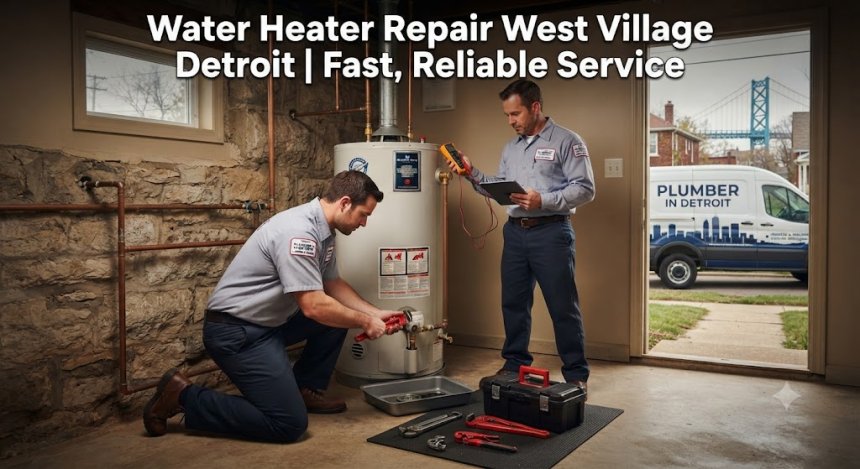
Multimeter: Used to test electrical components like heating elements, thermostats, and wiring continuity in electric water heaters.
-
Gas Sniffer/Detector: Used to safely detect natural gas leaks around gas connections, valves, and burner assemblies.
-
Manometer: Used to measure and verify correct gas pressure entering the water heater and supplied to the burner.
-
Pipe Wrenches and Socket Sets: Heavy-duty tools required to remove and replace heating elements, anode rods, and various valves safely.
-
Hand Truck/Dolly: Used to move heavy water heaters safely without damaging floors or causing injury to the technician.
-
Thermal Imaging Camera: In some cases, used to detect hot spots or abnormal heat loss from the tank or venting system.
-
Drain Hoses and Pumps: Used to safely drain sediment and water from the tank during maintenance or replacement.
How Long Does the Repair Usually Take?
The duration of a water heater repair depends entirely on the nature of the problem and the accessibility of the unit.
-
Simple Repairs: Replacing a standard heating element, thermostat, or thermocouple usually takes between 1 and 2 hours once the plumber arrives.
-
Moderate Repairs: Replacing a gas control valve, dip tube, or flushing out a significant amount of sediment can take between 2 and 3 hours.
-
Major Repairs: Repairs involving extensive plumbing modifications or addressing severe leaks may take longer.
-
Emergency Dispatch: For urgent issues like no hot water in winter or major leaks, Plumber in Detroit offers emergency services and aims to dispatch a plumber to your West Village home within a few hours of your call.
Cost Factors
Ethical plumbers provide pricing based on tangible variables rather than generic quotes over the phone. The final cost of your water heater repair in West Village will depend on:
-
The Nature of the Problem: Simple part replacements are less expensive than complex troubleshooting or repairs involving multiple component failures.
-
The Type of Water Heater: Repairs on standard electric or gas tank heaters generally cost less than repairs on complex tankless or hybrid systems due to parts availability and technician specialization.
-
Parts and Materials: High-quality, OEM (Original Equipment Manufacturer) parts are more expensive than generic alternatives but offer better reliability and longevity.
-
Labor: The time required for diagnosis and repair is a significant factor. Factors affecting labor include the accessibility of the water heater (e.g., tight crawlspace vs. open basement).
-
Emergency Service: Repairs performed after hours, on weekends, or on holidays typically incur higher rates due to emergency dispatch fees.
-
Age and Condition of the Unit: Older units can sometimes be more difficult to repair due to seized parts or discontinued components, potentially increasing labor time.
Plumbing repair costs vary depending on the severity of the problem, accessibility, materials required, emergency service, property type, and local labor rates.
Hidden Truths Homeowners Should Know
The plumbing industry has practical realities every homeowner should understand to protect their investment and avoid unnecessary expenses:
-
Small Leaks Become Expensive Repairs: Ignoring a minor drip from a valve or connection almost always leads to accelerated corrosion, larger leaks, and significant water damage to your home over time.
-
Cheap Temporary Fixes Often Fail: Trying to patch a leaking tank with epoxy or tape is futile and dangerous; the pressure inside the tank will inevitably blow out the patch.
-
Insurance Dislikes Neglect: Homeowner's insurance policies often deny claims for water damage if the damage resulted from a neglected, long-standing plumbing issue that you knew about or should have known about.
-
Tree Roots Always Return: If you simply snake a root-infested sewer line, the roots will grow back thicker and faster within months. Only professional hydro-jetting or pipe lining provides a long-term solution.
-
Hard Water Shortens Fixture Lifespan: In areas with hard water like Detroit, minerals constantly build up inside water heaters, faucets, and appliances, drastically reducing their operational lifespan without proper maintenance.
-
DIY Mistakes Increase Repair Costs: Attempting complex plumbing repairs without proper training often results in mistakes (like over-tightening fittings or causing gas leaks) that end up costing more for a professional to fix than if you had called them initially.
-
Delaying Repairs Causes Structural Damage: Ignoring plumbing issues like hidden leaks behind walls or under slabs allows water to rot framing, warp subfloors, and foster toxic mold growth, leading to extensive and costly structural repairs.
-
Hidden Leaks Increase Utility Bills: An undetected underground or slab leak can waste thousands of gallons of water, causing a sudden and unexplained spike in your monthly water bill.
-
Mold Develops Quickly: In damp environments like basements or areas affected by plumbing leaks, toxic mold can begin growing within 48 to 72 hours. Immediate action is required to mitigate health risks and property damage.
-
Annual Maintenance Saves Money: Scheduling an annual professional plumbing inspection, including flushing your water heater and checking the anode rod, is dramatically cheaper than paying for emergency repairs or premature replacement of major appliances.
15 Common Mistakes Homeowners Make
Avoid these everyday errors to protect your plumbing infrastructure and save money:
-
Ignoring Minor Leaks: Assuming a small drip under the sink isn't a big deal until the cabinet bottom rots out.
-
Using Chemical Drain Cleaners: Opting for corrosive acids instead of a mechanical snake or plunger to clear clogs. These chemicals damage aging pipes.
-
Flushing Wipes: Treating the toilet like a trash can by flushing "flushable" wipes causes major sewer blockages.
-
Pouring Grease Down the Drain: Liquid cooking fat turns into a solid, impenetrable block of grease once it hits cold underground pipes.
-
Ignoring Water Pressure Problems: Failing to install a pressure-reducing valve when municipal pressure is too high, protecting your home's plumbing from blowouts.
-
Hiring Unlicensed Handymen: Allowing uninsured workers to perform complex plumbing alterations that are not up to code, leading to future insurance and safety issues.
-
Skipping Water Heater Flushes: Letting sediment bury and destroy the heating elements and tank bottom, shortening its lifespan significantly.
-
Waiting for a Catastrophe: Delaying a service call for a slow drain until raw sewage backs up into the shower.
-
Mixing Pipe Materials Badly: Connecting copper directly to galvanized steel without a dielectric union, causing rapid galvanic corrosion and leaks.
-
Over-Tightening Fittings: Cranking down on plastic toilet valves or brass nuts until they crack under pressure, turning a small drip into a gush.
-
Leaving Hoses Connected: Failing to disconnect garden hoses before the first freeze in Detroit, leading to trapped water freezing and cracking the hose bib (spigot).
-
Burying Cleanouts: Allowing landscaping or decking to cover the main sewer access point, making emergency access impossible without destroying property.
-
Overloading the Garbage Disposal: Shoving fibrous vegetable peels, eggshells, and excessive coffee grounds into the disposal at once.
-
Ignoring Musty Smells: Writing off a damp odor as "old house smell" when it is actually an active, hidden leak fostering mold growth.
-
Not Knowing the Shut-Off Location: Panicking during a burst pipe because