Common Plumbing Problems in We Care Community Homes
Discover common plumbing problems in We Care Community homes. Learn warning signs, causes, practical solutions, and when to call Detroit expert
NEED A PLUMBER?
Fast & Local Plumbing Services
Leaks • Clogged Drains • Burst Pipes • Water Heaters • Emergency Plumbing
NEED A PLUMBER?
Fast & Local Plumbing Services
Leaks • Clogged Drains • Burst Pipes • Water Heaters • Emergency Plumbing
Common Plumbing Problems in We Care Community Homes: Homeowner Guide
Introduction
Living in Detroit means enjoying classic neighborhood charm, but it also comes with maintaining residential infrastructure that has stood the test of time. In local enclaves like the We Care Community, homeowners and small business owners often encounter distinctive plumbing issues. Whether you reside near Warren Avenue, close to Southfield Freeway, or in surrounding Wayne County neighborhoods, understanding how your home's water and sewer systems operate is essential.
Plumbing issues in established Detroit communities often develop quietly behind walls, beneath concrete slabs, or underground in front yards. A minor damp spot on a basement wall or a slight dip in shower water pressure can rapidly turn into an expensive emergency. Homeowners frequently search online to figure out whether a problem is a quick weekend fix or something requiring immediate professional intervention.
Addressing water line leaks, drain backups, and fixture failures early prevents structural deterioration, health hazards from mold, and skyrocketing utility bills. This guide breaks down the most frequent plumbing troubles seen in We Care Community properties, giving you the practical knowledge needed to protect your home.
What Are Common Plumbing Problems in We Care Community Homes?
When we talk about common plumbing problems in the We Care Community, we are referring to systemic and localized failures within a property's supply lines, drain-waste-vent (DWV) network, or plumbing fixtures.
Because many homes in this area were built during mid-century residential expansion phases, their internal systems feature distinct architectural characteristics. You might find original cast iron drain stacks paired with galvanized iron supply lines, or early copper installations that have reached the end of their design life.
Common scenarios include:
-
Basement Floor Drain Backups: Heavy rains or main lateral blockages cause water to rise through basement floor drains.
-
Persistent Low Water Pressure: Galvanized steel supply pipes corroding internally, slowly choking off fresh water flow to upstairs bathrooms.
-
Seasonal Pipe Freezing: Uninsulated lines running through unheated crawl spaces or exterior walls during severe Michigan winters.
-
Undetected Slab and Wall Leaks: Water escaping from pressurized lines buried under concrete foundation slabs.
Why Do These Plumbing Problems Happen?
Plumbing systems do not fail randomly; specific environmental and structural factors drive these issues in Detroit properties.
Aging Pipes and Corrosion
Over decades, metal pipes deteriorate. Galvanized iron pipes build up rust scale internally, narrowing the pipe diameter until water flow trickles down. Cast iron waste lines suffer from bottom-channel corrosion, where acidic wastewater slowly eats away the bottom of the pipe until it collapses or leaks beneath basement floors.
Tree Root Intrusion
The We Care Community boasts mature trees that add shade and character to the neighborhood. However, tree roots continuously seek moisture. Even the smallest hairline crack or loose joint in an underground sewer clay tile invites roots inside. Once inside, they feed on nutrient-rich wastewater, growing into dense root masses that catch debris and cause total blockages.
Hard Water and Mineral Scale
Detroit municipal water is treated to high standards, but mineral content can still build up inside water heaters, faucet aerators, and valve assemblies over time. Scale build-up reduces appliance efficiency and causes seals to fail prematurely.
High Water Pressure and Temperature Swings
Fluctuations in municipal supply pressure strain weak solder joints and aging valves. Additionally, Southeast Michigan experiences dramatic seasonal temperature shifts. Soil expands and contracts between summer heat and winter freezes, shifting underground pipes and causing joint separation.
Improper Past Repairs and Worn Fixtures
Over decades of ownership, many homes accumulate quick-fix DIY repairs. Using mismatched metals (like connecting copper directly to steel without a dielectric union) causes rapid galvanic corrosion. Worn washers, cracked PVC lines, and outdated rubber seals naturally degrade after years of constant use.
Signs You Should Never Ignore
Catching a plumbing problem early is the difference between a simple valve replacement and a multi-thousand-dollar restoration project. Watch for these red flags:
-
Water Stains on Ceilings and Drywall: Yellowish or brownish rings indicate an active, hidden pipe leak in supply or drain lines overhead.
-
Slow Drains Across Multiple Fixtures: If your sink, tub, and toilet all drain sluggishly at the same time, the block isn't localized—it is deeper in your main branch or main drain line.
-
Unexplained Low Water Pressure: A sudden drop in pressure throughout the house often indicates a major leak in the main supply line or severe valve failure.
-
Spike in Water Bills: If your household routines haven’t changed but your monthly Detroit water bill climbs, pressurized water is escaping somewhere on your property 24/7.
-
Damp Walls and Basement Mold Growth: Persistent humidity, wet concrete walls, or dark mold spots signal hidden seepage behind structural finishes.
-
Strange Noises: Bangs (water hammer) when valves close point to loose piping or failed pressure regulators. Gurgling sounds from drains mean air is being trapped by an obstructed line.
-
Sewer Gas and Bad Smells: Foul odors around basement drains or yard areas mean trap seals have dried out or sewer lines are cracked and venting sewer gas.
-
Standing Water or Soggy Yard Patches: Unexplained wet spots in your lawn during dry weather point straight to a leaking underground main water line or broken sewer lateral.
-
Discolored or Rusty Water: Brownish water flowing from hot water taps indicates heavy sediment build-up or internal corrosion inside your water heater tank or supply pipes.
Common Plumbing Problems Related to This Issue
When one part of a home's plumbing begins to fail, it creates a chain reaction across other components:
-
Pipe Leaks and Slab Leaks: Pinholes in pressurized copper lines under concrete slabs cause moisture to migrate up through flooring.
-
Drain Clogs and Sewer Backups: Main line blockages push wastewater backward through low-lying basement floor drains and wash tubs.
-
Water Heater Failures: Sediment accumulation causes thermal stress, leading to tank leaks, heating element burnouts, or failed temperature-pressure relief (TPR) valves.
-
Burst Pipes: Frozen lines during winter freezes can split open, releasing hundreds of gallons of water in minutes when thawed.
-
Fixture and Valve Failure: Corroded shut-off valves beneath sinks and toilets can snap or fail to close during localized home repairs.
Step-by-Step Professional Repair Process
When you call Plumber in Detroit to handle an issue in the We Care Community, our licensed team follows a structured process:
[Step 1: Thorough Inspection]
          │
          ▼
[Step 2: Precise Diagnosis]
          │
          ▼
[Step 3: Upfront Estimate]
          │
          ▼
[Step 4: Expert Professional Repair]
          │
          ▼
[Step 5: Rigorous System Testing]
          │
          ▼
[Step 6: Spotless Area Cleanup]
          │
          ▼
[Step 7: Ongoing Maintenance Advice]
Step 1: Inspection
We begin with a full visual and structural assessment of the affected area, checking water meters, fixture connections, and exposed pipe runs.
Step 2: Diagnosis
Using specialized diagnostic tools, we locate the exact source of the leak, clog, or mechanical breakdown without destructive guessing.
Step 3: Estimate
We provide a detailed, written breakdown of the required work, materials, and repair options so you can make an informed decision without pressure.
Step 4: Repair
Our licensed plumbers carry out the work using high-grade, code-compliant materials and techniques, whether that involves localized pipe sections, hydro jetting, or trenchless replacement.
Step 5: Testing
We re-pressurize supply lines or perform flow tests on waste lines to verify that connections are completely watertight and pressure levels are balanced.
Step 6: Cleanup
We respect your property. Work areas are thoroughly cleaned, sanitizing any space impacted by plumbing repairs or water intrusion.
Step 7: Maintenance Advice
Before leaving, our technician reviews what caused the failure and provides tailored tips to keep your plumbing running smoothly for years to come.
Can You Fix It Yourself?
Understanding the boundary between a simple DIY job and a professional repair saves money and keeps your home safe.
Safe DIY Solutions and Temporary Fixes
Homeowners can safely handle minor cosmetic updates and simple maintenance:
-
Clearing minor sink clogs with a hand plunger or sink snake.
-
Replacing worn toilet flappers, fill valves, or faucet aerators.
-
Installing foam insulation sleeves on exposed water pipes in basements or garages.
-
Turning off localized supply shut-off valves under sinks or toilets when a fixture drips.
When DIY Becomes Dangerous
Attempting complex plumbing tasks without proper licensing and tools can lead to property damage. Working on main supply lines under pressure can cause immediate household flooding. Sweating copper joints near wooden wall framing presents fire hazards. Unlicensed work on main sewer lateral lines risks gas leaks or collapse.
Chemical drain openers are another DIY trap; these harsh caustic chemicals react thermally inside pipes, melting thin plastic drains or eating away at fragile cast iron without clearing heavy root blockages. When structural modifications, main sewer lines, gas connections, or buried supply pipes are involved, professional plumbing is necessary.
Tools Professionals Use
Modern plumbing diagnostics rely on specialized technology to locate problems accurately and minimize damage to your home:
-
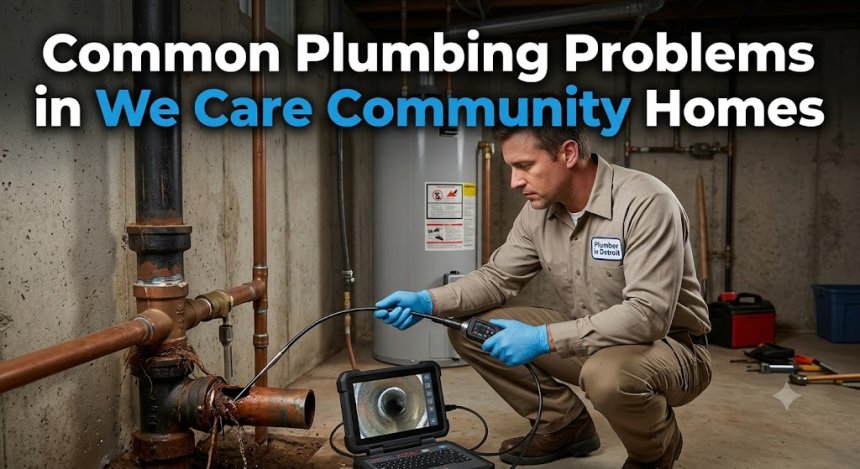
HD Pipe Inspection Cameras: Flexible fiber-optic cameras are inserted into cleanouts to inspect sewer lines visually, pinpointing root intrusions, cracks, and bellies in high definition.
-
Acoustic and Thermal Leak Detection Equipment: Electronic listening devices and infrared cameras detect the sound and heat signatures of hidden leaks behind drywalls or beneath concrete slabs.
-
Hydro Jetters: High-pressure water scouring units blast away grease, mineral scale, and tree roots without damaging structurally sound pipes.
-
Pipe Locators: Electro-magnetic sensors track the exact path and depth of underground lines across your yard prior to excavation.
-
Pressure Testing Gauges: Digital gauges identify micro-leaks in closed supply loops and verify household pressure regulators.
How Long Does the Repair Usually Take?
Repair timelines depend on the problem's location, severity, and complexity:
-
Simple Repairs (1–2 Hours): Replacing a toilet fill valve, swapping out a garbage disposal, or repairing a simple faucet leak.
-
Moderate Repairs (2–5 Hours): Clearing a main sewer blockage with heavy equipment, replacing a standard water heater, or repairing an exposed basement pipe section.
-
Major Repairs (1–3 Days): Underground water main replacement, full sewer line rehabilitation via excavation or trenchless lining, or repiping large sections of older homes.
-
Emergency Repairs: Response times are immediate, with stabilization focused on stopping active flooding within the first hour.
Factors such as pipe accessibility, soil conditions, weather, and local municipal permit approvals influence overall repair times.
Cost Factors Explained
Every property in the We Care Community has a unique plumbing layout, making fixed-rate phone quotes impractical.
Plumbing repair costs vary depending on the severity of the problem, accessibility, materials required, emergency service, property type, and local labor rates.
Key components that shape your final invoice include:
-
Diagnostic Fees: The time and specialized equipment needed to locate hidden leaks or underground line failures.
-
Accessibility: Repairs behind finished drywall, under concrete driveways, or beneath basement floors require additional labor for access and structural restoration.
-
Materials: High-grade copper, PEX-a, cast iron, or schedule 80 PVC components carry different material costs than basic fittings.
-
Permit Fees: Certain main water line or sewer line replacements in Detroit require municipal plumbing permits and local city inspections.
-
Emergency vs. Scheduled Service: After-hours, weekend, or holiday dispatch for active flooding naturally involves shift premium rates.
Hidden Truths Homeowners Should Know
Knowing these practical realities helps you protect both your home and your bank account:
-
Small Leaks Become Expensive Repairs: A pinhole leak dripping two gallons a day will slowly rot subfloors, destroy joists, and lead to structural repairs costing thousands.
-
Cheap Temporary Fixes Often Fail: Rubber wraps, epoxy putty, and slip-couplings are short-term patches that frequently burst when left as permanent solutions.
-
Insurance May Not Cover Neglected Plumbing: Home insurance policies typically cover sudden and accidental water damage, but claims are routinely denied if damage stems from long-term, unaddressed leaks.
-
Tree Roots Can Repeatedly Damage Sewer Lines: Removing a root blockage clears flow today, but roots will regrow into unsealed pipe joints until the line is permanently repaired or lined.
-
Hard Water Shortens Fixture Lifespan: Scale build-up ruins shut-off valves, water heater elements, and ceramic faucet cartridges long before their expected lifespan.
-
DIY Mistakes Increase Repair Costs: Cross-threaded fittings, over-tightened connections, and incorrect pipe sizing often double the repair scope when a professional steps in.
-
Delaying Repairs Causes Structural Damage: Water seeping into soil under foundations causes settling, slab cracking, and hazardous basement wall shifting.
-
Hidden Leaks Increase Utility Bills: Undetected toilet flapper leaks or main supply line pinholes can waste tens of thousands of gallons annually.
-
Mold Develops Quickly: Toxic black mold begins growing on damp drywall and wood within 24 to 48 hours of water exposure.
-
Annual Maintenance Saves Money: Preventive inspections identify minor wear early, preventing midnight plumbing emergencies.
15 Common Mistakes Homeowners Make
Avoid these frequent mistakes to keep your plumbing system operating reliably:
-
Ignoring Minor Leaks: Treating a slow fixture drip as a low priority until it bursts.
-
Using Chemical Drain Cleaners: Pouring harsh acid chemicals down sluggish drains, which damages vintage pipe networks.
-
Flushing "Flushable" Wipes: Disposing of synthetic wipes that do not break down like toilet paper, binding with grease to create main line blockages.
-
Pouring Cooking Grease Down Sinks: Dumping fats, oils, and grease (FOG) into drains where they solidify inside sewer lines.
-
Ignoring Water Pressure Spikes: Allowing household water pressure to exceed 80 PSI, which stresses pipe joints and appliance valves.
-
Hiring Unlicensed Handymen: Entrusting complex plumbing installations to uninsured workers who lack master plumbing licenses.
-
Skipping Seasonal Maintenance: Forgetting to disconnect outdoor garden hoses before the first winter freeze in Detroit.
-
Waiting Until an Emergency Strikes: Delaying necessary system upgrades until a complete breakdown forces an after-hours repair call.
-
Using Mismatched Pipe Materials: Joining copper and galvanized pipe directly without dielectric unions, accelerating galvanic corrosion.
-
Over-Tightening Fittings: Crank-tightening plastic supply nuts or pipe threads, causing them to fracture under pressure.
-
Hanging Items from Exposed Pipes: Using basement supply or gas lines as clothes hangers or storage racks.
-
Covering Cleanout Access Points: Framing over basement sewer cleanouts during room remodeling projects.
-
Neglecting Water Heater Anode Rods: Allowing sacrifice anode rods to fully degrade, accelerating internal water tank rust.
-
Plunging Without Sealing Secondary Drains: Plunging a double sink without blocking the opposite drain, dissipating plunging pressure.
-
Overloading Garbage Disposals: Dumping fibrous foods like corn husks, celery, or banana peels into disposals all at once.
Maintenance Tips for We Care Community Residents
Following a proactive maintenance routine protects your investment and prevents unexpected failures throughout the year.
-
Perform Monthly Leak Checks: Look under sinks, around toilets, and near your water heater for signs of dampness or mineral buildup.
-
Test Fixture Shut-Off Valves: Turn isolation valves beneath sinks and toilets twice a year to keep them from seizing up over time.
-
Flush Your Water Heater Annually: Drain several gallons from your water heater drain valve to clear settled sediment and maintain heat transfer efficiency.
-
Keep Grease Out of Drains: Wipe greasy pans with paper towels before washing them in the sink.
-
Use Drain Strainers: Place mesh strainers over shower and tub drains to catch hair and soap scum before it enters the DWV system.
-
Inspect Toilet Tanks: Drop a few drops of food coloring into your toilet tank; if color appears in the bowl after 15 minutes without flushing, replace the flapper.
-
Protect Pipes from Winter Freezes: Insulate exposed supply lines in unheated basements, crawl spaces, and exterior walls.
-
Disconnect Exterior Hoses: Remove and drain garden hoses every autumn before temperatures drop below freezing.
-
Know Your Main Water Shut-Off Location: Ensure every adult family member knows where the primary water main valve is located and how to turn it off in an emergency.
-
Check Water Pressure Regularly: Use a screw-on pressure gauge on an outdoor spigot to confirm household water pressure remains between 40 and 60 PSI.
-
Schedule Annual Sewer Camera Checks: If your property has mature trees nearby, have a technician inspect your sewer lateral line every 12 to 18 months.
-
Clear Clearance Around Sump Pumps: Check that your basement sump pump basin is clear of debris and test the float switch by pouring a bucket of water in every spring.
-
Inspect Washing Machine Hoses: Replace standard rubber washing machine hoses with braided stainless steel hoses every 5 years.
-
Avoid Chemical Drain Treatments: Clean drains using natural hot water flushes or mechanical snakes instead of caustic chemicals.
-
Keep Outdoor Drains Clear: Sweep leaves and street debris away from exterior basement stairwell drains to prevent heavy rain flooding.
When Should You Call an Emergency Plumber?
Some situations cannot wait for normal business hours. Contact an emergency plumber immediately if you experience:
-
Active Burst Pipes: High-pressure water pouring into living spaces or basements from ruptured supply lines.
-
Raw Sewage Backups: Wastewater rising out of basement floor drains, showers, or toilets, posing serious health risks.
-
Complete Loss of Running Water: Having no water flow across all taps when municipal services are active.
-
Uncontrollable Toilet Overflows: Toilets that continue to overflow into living areas despite turning off local supply valves.
-
Suspected Gas Line Leaks: Smelling natural gas near gas-fired water heaters or boilers (evacuate immediately and contact your gas utility first).
-
Major Indoor Flooding: Water rapidly accumulating near electrical panels, mechanical systems, or structural foundations.
Quick action reduces safety hazards, prevents structural wood rot, and limits overall damage to your home.
Frequently Asked Questions
Why is my water pressure suddenly low?
Sudden drops in pressure usually stem from a localized supply line leak, a failing pressure reducing valve (PRV), a partially closed main valve, or municipal supply work along nearby Detroit roads.
How much does leak detection cost?
Diagnostic costs vary based on whether acoustic equipment, thermal imaging, or pipe inspection cameras are needed to locate hidden leaks. Contact us for precise pricing tailored to your home's setup.
Can a clogged drain damage pipes?
Yes. Standing water from a persistent clog creates continuous pressure on joint seals, while trapped decomposing debris releases gases that corrode cast iron and copper lines internally.
Is hydro jetting safe for old pipes?
Hydro jetting is safe for older pipes when preceded by an HD camera inspection. Our technicians adjust water pressure to scour away grease and roots without compromising aging line walls.
How do I know if my sewer line is broken?
Common indicators include persistent sewer gas smells, multiple sluggish drains, soggy lawn patches, recurring root clogs, or water rising in basement floor drains during heavy water use.
How long do water heaters last?
Standard tank water heaters typically last 8 to 12 years. Tankless units can last 15 to 20 years with proper maintenance and scale removal.
Why does my faucet drip?
Dripping faucets are usually caused by worn internal rubber washers, degraded O-rings, or damaged ceramic disc cartridges inside the faucet handle assembly.
What causes pipes to burst?
Pipes split primarily from internal pressure spikes caused by freezing water expansion during winter, severe internal corrosion, or excessive municipal water pressure.
Can plumbing leaks increase my water bill?
Yes. Even a running toilet or a pinhole supply leak can waste hundreds of gallons a day, leading to unexpectedly high monthly utility bills.
When should I replace plumbing instead of repairing it?
If your home still relies on original galvanized iron supply lines, experienced repeated leaks on the same branch line, or has structurally compromised cast iron waste lines, full replacement is more cost-effective than continuous spot repairs.
Why Choose Plumber in Detroit
When facing plumbing troubles in the We Care Community, you need a local team that delivers reliable, long-term solutions.
Experienced Licensed Plumbers
Our team consists of fully licensed and insured plumbing professionals who bring years of hands-on experience working on classic Detroit homes. We understand local municipal codes, soil conditions, and regional building practices inside and out.
Honest Recommendations and Upfront Estimates
We believe in complete transparency. We explain what needs attention, what can wait, and provide detailed upfront estimates so you never face hidden surprises on your bill.
Fast Response and Emergency Availability
Plumbing emergencies don't wait for convenient hours. We offer fast response times and emergency availability to help protect your home from sudden flooding and sewage issues.
Quality Workmanship and Modern Equipment
From high-definition sewer cameras and digital leak detectors to trenchless repair systems, we use modern equipment and top-grade materials to complete every repair to high industry standards.
Dedicated to Customer Satisfaction
We build long-term relationships with homeowners across Detroit, Dearborn, Redford, and surrounding Wayne County neighborhoods by treating every home with respect, delivering clean work, and standing behind our repairs.