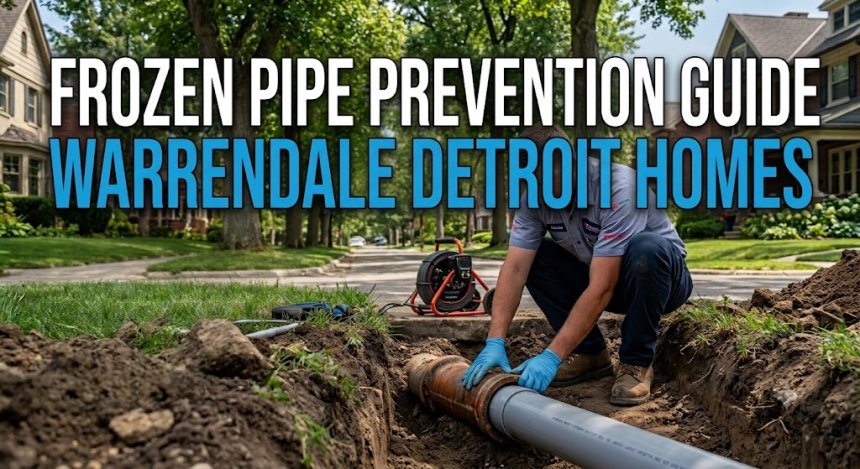
Frozen Pipe Prevention Guide Warrendale Detroit Homes
Prevent frozen pipes in Warrendale Detroit homes! Learn warning signs, safe thawing fixes, repair steps, and when to call Plumber in Detroit.

NEED A PLUMBER?
Fast & Local Plumbing Services
Leaks • Clogged Drains • Burst Pipes • Water Heaters • Emergency Plumbing
NEED A PLUMBER?
Fast & Local Plumbing Services
Leaks • Clogged Drains • Burst Pipes • Water Heaters • Emergency Plumbing
Frozen Pipe Problems in Warrendale Homes: Prevention Tips & Expert Guide
Introduction
Michigan winters are tough on residential plumbing, and homes in Detroit’s Warrendale neighborhood are no exception. Every winter, as cold polar vortex winds sweep through Wayne County, thousands of homeowners experience frozen water lines. What starts as a simple faucet refusal can quickly evolve into a devastating pipe burst, leaving basements flooded, walls destroyed, and homeowners facing thousands of dollars in water damage repairs.
Understanding how frozen pipe problems happen in Warrendale homes—and knowing how to prevent them—is essential for protecting your property investment. Many residents search for advice when temperature drops hit single digits, asking questions like "How do I keep my pipes from freezing tonight?" or "What should I do if my water pipe is already frozen?" This guide breaks down everything you need to know about frozen pipes, safe DIY thawing methods, professional repairs, and effective prevention steps to keep your water flowing cleanly all winter long.
What Are Frozen Pipe Problems in Warrendale Homes?
A frozen pipe problem occurs when standing water inside your supply lines turns to ice due to sub-freezing indoor or outdoor temperatures.
Definition & Physics
When liquid water freezes into ice, it expands by roughly 9%. In a closed copper, galvanized steel, or PEX plumbing line, this expanding ice acts like a hydraulic piston. The ice block seals off the pipe, trapping water between the ice blockage and closed faucets. As the ice expands, water pressure between the freeze point and the faucet ramps up dramatically—often exceeding 2,000 PSI. It is actually this extreme water pressure, not the ice expansion itself, that rips open the wall of the pipe.
Common Situations in Local Homes
Warrendale features many classic mid-century bungalows, brick ranches, and two-story homes. Many of these properties have:
-
Uninsulated crawl spaces or unheated basements.
-
Water lines routed through exterior framed walls, rim joists, or unconditioned attics.
-
Older galvanized steel or rigid copper lines that have thinned from decades of micro-corrosion.
Symptoms of Frozen Plumbing Lines
-
No Water Flow: Turning on a kitchen or bathroom faucet yields only a few trickles or complete silence.
-
Visible Frost on Pipes: Open basement ceiling joists reveal copper lines coated in thick white frost or ice build-up.
-
Bulging Pipe Sections: Copper lines may look slightly swollen or misshapen along vulnerable exterior walls.
-
Strange Noise: Gurgling or whistling sounds when attempting to turn on taps connected to partially frozen lines.
Why Does This Plumbing Problem Happen?
Frozen pipes rarely occur by accident; specific environmental and structural factors create the perfect storm inside Warrendale homes during winter months.
1. Severe Seasonal Weather
Detroit winters regularly bring sustained sub-freezing temperatures below 20°F (-7°C). Prolonged cold snaps allow frost lines to sink deep into the soil and cold air to penetrate uninsulated building cavities.
2. Lack of Proper Pipe Insulation
Water lines passing through exterior walls, unheated attached garages, vented crawl spaces, and drafty basements often lack closed-cell foam insulation or thermal wrapping.
3. Drafts and Air Leaks
Small gaps around dryer vents, outdoor hose bibs, sill plates, and electrical entrances allow freezing outdoor drafts to blow directly across hidden water pipes.
4. Thermostat Setbacks & Furnace Failures
Lowering indoor heat too drastically at night—or experiencing a furnace breakdown while away—allows indoor ambient temperatures to drop below freezing, rapidly chilling uninsulated supply lines.
5. Outdoor Hose Bibs Left Connected
Leaving garden hoses attached to exterior frost-free spigots traps water inside the sillcock assembly. When winter arrives, trapped water freezes, splits the interior casing, and causes internal flooding once the valve thaws.
Signs You Should Never Ignore
Spotting early warning signs helps you address frozen pipes before they split and flood your home:
-
Low Water Pressure During Cold Snaps: A sudden drop in water volume at one specific fixture during freezing weather signals an ice blockage forming inside that line.
-
Frost Coating Exposed Pipes: Frost on exposed lines in your basement or crawl space indicates the interior water temperature is at or below freezing.
-
Damp Walls or Ceiling Water Stains: If a frozen line has already split slightly, thawing ice will release water into drywall, insulation, and floorboards long before a major burst occurs.
-
Foul or Unusual Odors: If sewer vent lines freeze closed on your roof, sewer gas backs up into living spaces, creating unpleasant sulfur smells.
-
Standing Water Near Rim Joists or Sump Pits: Water pooling on floorboards near exterior walls during a thaw indicates a ruptured supply pipe.
Common Plumbing Problems Related to Frozen Pipes
Frozen pipes trigger a cascading sequence of residential plumbing failures:
-
Burst Supply Lines: High internal pressure rips open copper, iron, or plastic lines, discharging up to 400 gallons of water per hour into living areas.
-
Water Heater Failures: Sudden pressure spikes from upstream ice blockages can damage water heater expansion tanks or strain internal glass linings.
-
Drain Clogs & Sewer Line Freezes: Shallow sewer laterals or uninsulated traps in vented crawl spaces can freeze solid, backing up wastewater into basement floor drains.
-
Fixture & Valve Damage: Frost pressure deforms internal brass cartridges in shower valves, kitchen faucets, and outdoor spigots, resulting in continuous post-thaw leaks.
Step-by-Step Professional Repair Process
When you call Plumber in Detroit to handle frozen or burst pipes in Warrendale, our licensed plumbers execute a methodical repair strategy:
Step 1: Inspection
We locate all frozen or ruptured line sections using visual checks, thermal imagery, and localized line pressure assessments.
Step 2: Diagnosis
Our team identifies why the line froze (e.g., draft exposure, missing insulation, structural wall cavity issues) and checks whether the line has split open.
Step 3: Estimate
We present an upfront, transparent estimate detailing the work needed—whether it's safe line thawing, section replacement, or line re-routing away from exterior walls.
Step 4: Repair
If lines are intact but frozen, we utilize controlled electrical pipe-thawing equipment or portable heat induction systems. If pipes have burst, we cut out damaged copper/galvanized sections and splice in durable, freeze-resistant PEX tubing using commercial crimp fittings.
Step 5: Testing
After thawing or pipe replacement, we slowly repressurize the plumbing system, bleeding air out of all taps and conducting comprehensive pressure testing to ensure zero micro-leaks remain hidden behind walls.
Step 6: Cleanup
Our crew removes damaged pipe segments, dries out the immediate work site, and leaves your basement or utility space tidy.
Step 7: Maintenance Advice
We advise on sealing drafts, installing thermal pipe sleeves, and adjusting winter thermostat habits to keep your pipes safe during future freeze cycles.
Can You Fix It Yourself?
When faced with a frozen pipe, knowing what you can safely do—and when to stop—is essential for avoiding major home disasters.
Safe DIY Solutions & Temporary Fixes
-
Open Faucets: Open both hot and cold handles on affected sinks slightly. As ice melts, running water helps wash away the remaining ice obstruction.
-
Apply Gentle Heat: Use a household hair dryer, heat lamp, or electric heating pad wrapped around the exposed frozen pipe section in your basement. Always work from the open faucet end backward toward the frozen block.
-
Increase Indoor Heat: Open cabinet doors under kitchen and bathroom sinks to let warm room air circulate around hidden pipes. Turn your central furnace up to at least 70°F.
When DIY Becomes Dangerous
-
NEVER Use Open Flames: Never use blowtorches, propane heaters, or open flames inside walls or basements to thaw frozen pipes. Torch heat creates a massive fire hazard, can boil trapped water into explosive steam, and ruins solder joints.
-
Avoid Unsafe Electrical Heaters: Leaving unmonitored space heaters running in tight, unventilated crawl spaces or near flammable joists risks house fires.
If gentle heating methods don't restore water flow within 30 to 45 minutes, or if you spot any visible splits or leaks in the pipe, turn off your main water valve immediately and contact a licensed plumber.
Tools Professionals Use
Professional plumbers rely on specialized commercial equipment to diagnose and resolve frozen pipe emergencies safely:
-
Infrared Thermal Imaging Cameras: Detect temperature differentials behind drywall to pinpoint exact ice blockages without breaking walls open.
-
Electric Pipe Thawing Machines: Deliver low-voltage, high-amperage current through metallic pipes to thaw long underground or in-wall runs safely.
-
Electronic Leak Detection Equipment: Pinpoints micro-cracks and hidden pressure drops caused by freeze stress.
-
PEX Expansion & Crimp Tools: Allows rapid installation of modern PEX lines, which expand slightly under freezing stress without splitting.
How Long Does the Repair Usually Take?
Repair timelines depend on pipe accessibility and whether a structural burst occurred:
-
Simple Pipe Thawing (Exposed Line): 1 to 2 hours using direct thermal thawing equipment.
-
Moderate In-Wall Thawing & Repair: 2 to 4 hours to open drywall access, thaw lines, replace split sections, and perform pressure testing.
-
Major Re-piping / Multiple Burst Lines: 1 to 2 days if extensive copper or galvanized runs throughout an unheated crawl space require complete replacement with PEX.
-
Emergency Winter Calls: Immediate response times, with emergency stabilization (water shut-off and containment) taking 30 to 60 minutes upon arrival.
Primary factors affecting repair time include home accessibility, pipe material, extent of wall demolition required, and atmospheric temperatures during repair.
Cost Factors Explained
Plumbing repair costs vary depending on the severity of the problem, accessibility, materials required, emergency service, property type, and local labor rates.
Key variables shaping overall project costs include:
-
Diagnostic & Equipment Fees: Specialized thermal cameras or high-capacity electric thawing rigs require dedicated setup.
-
Labor & Accessibility: Pipes trapped inside narrow crawl spaces or behind tiled bathroom walls require extra labor to access and repair.
-
Materials Used: Splicing short sections of PEX tubing vs. replacing extensive runs of commercial-grade copper.
-
Emergency Service Charges: After-hours, weekend, or holiday response during severe winter storms in Detroit carrying premium rates.
-
Structural Demolition & Permit Needs: Opening exterior walls or pulling municipal permits for major water service line replacements.
Hidden Truths Homeowners Should Know
-
Small Leaks Become Expensive Repairs: A hairline freeze crack in a copper pipe might drop only a few ounces a minute while frozen, but will flood your basement with hundreds of gallons once thawed.
-
Cheap Temporary Fixes Often Fail: Wrapping electrical tape around a hairline split in a frozen pipe will fail immediately under normal 50+ PSI municipal water pressure.
-
Insurance May Not Cover Neglected Plumbing: Homeowners insurance policies frequently deny freeze-damage claims if the home was left unheated or if basic preventative maintenance was neglected.
-
DIY Mistakes Increase Repair Costs: Using excessive heat with a propane torch can melt solder joints or ignite wall insulation, turning a simple thaw job into a major fire restoration project.
-
Delaying Repairs Causes Structural Damage: Escaping water rapidly warps hardwood floors, ruins drywall, corrodes electrical panels, and compromises wooden floor joists.
-
Mold Develops Quickly: Toxic mold spores multiply within 24 to 48 hours in warm, wet basement environments following a pipe thaw flood.
-
Annual Maintenance Saves Money: Spending a small amount on pipe insulation foam and outdoor faucet covers every autumn saves thousands in winter emergency repairs.
15 Common Mistakes Homeowners Make
Avoid these frequent mistakes during cold Michigan weather:
-
Leaving Garden Hoses Attached: Traps water inside frost-free wall hydrants, causing interior pipe splits.
-
Turning the Thermostat Too Low: Setting heat below 55°F when traveling during winter.
-
Using Open Flames to Thaw Lines: Creating severe fire risks with blowtorches or heat guns.
-
Forgetting to Open Under-Sink Cabinets: Blocking furnace heat from reaching pipes inside exterior wall cabinets.
-
Skipping Draft Sealing: Leaving basement rim joist gaps and dryer vent openings unsealed against freezing wind drops.
-
Neglecting Unheated Crawl Spaces: Leaving crawl space foundation vents wide open during winter months.
-
Ignoring Trickling or Low-Pressure Faucets: Assuming minor flow drops during cold snaps will fix themselves.
-
Hiring Unlicensed Handymen: Entrusting complex winter pipe repairs to uninsured operators.
-
Using Incorrect Pipe Insulation: Installing thin paper wrap instead of closed-cell foam or heated cable sleeves.
-
Over-tightening Shut-off Valves: Stripping older gate valve stems while trying to cut off main water supplies.
-
Flushing Chemical Cleaners Into Frozen Drains: Trapping dangerous caustic chemicals behind ice blocks.
-
Leaving Main Water ON While Traveling: Failing to shut off and drain the main water supply when leaving home during severe winter months.
-
Ignoring Older Galvanized Pipes: Expecting fragile, decades-old steel pipes to withstand freeze expansion cycles.
-
Failing to Locate the Main Shut-off Valve: Scrambling to find the water cut-off wheel while water actively floods the home.
-
Waiting Until Nighttime to Call a Plumber: Delaying service calls until after-hours emergency rates apply during winter storms.
Maintenance Tips: Preventing Frozen Pipes in Warrendale
Protect your home ahead of time with these seasonal preventive measures:
Autumn Pre-Freeze Checklist
-
Disconnect All Garden Hoses: Store hoses in your shed or garage before the first freeze. Shut off interior isolation valves serving outdoor spigots and drain remaining water.
-
Insulate Exposed Piping: Wrap foam pipe insulation tubes around all exposed water lines in your basement, garage, and crawl space. Pay special attention to joist spaces near exterior walls.
-
Seal Air Leaks: Use expanding spray foam or caulk to seal gaps around foundation sills, dryer vents, gas lines, and outdoor electrical boxes.
-
Close Crawl Space Vents: Cover exterior crawl space ventilation grates with foam insulation covers to block cold winter drafts.
Deep Winter Protection Strategies
-
Keep House Heat Above 55°F: Never set your thermostat lower than 55°F (13°C), even if traveling for weeks.
-
Let Faucets Drip During Extreme Cold: When outdoor temperatures plunge below 15°F (-9°C), allow faucets connected to exterior wall lines to drip at a slow, steady trickle. Moving water resists freezing.
-
Open Cabinet Doors: Keep kitchen, bathroom, and laundry vanity doors open during cold snaps to allow heated home air to surround internal plumbing.
-
Install Heat Trace Cables: Apply UL-listed, self-regulating heat tape along vulnerable pipe sections in drafty basements or crawl spaces.
-
Upgrade to PEX Tubing: When remodeling, replace old rigid copper or iron lines with flexible PEX tubing, which naturally expands without breaking during brief freeze events.
When Should You Call an Emergency Plumber?
Immediate professional intervention is necessary under any of the following emergency conditions:
-
Active Pipe Bursts: Water gushing from ceiling cavities, walls, or basement floor joists.
-
Complete Loss of Water Pressure Across the House: Indicating a main service line freeze or main supply rupture outside the home.
-
Visible Structural Ruptures on Pipes: Split copper lines that will burst open the moment heat is restored.
-
Frozen Gas Lines or Water Heaters: Cold weather disruptions affecting water heaters or gas supply lines.
Taking immediate action limits property damage and ensures your home remains safe and operational.
Frequently Asked Questions
Why is my water pressure suddenly low?
A sudden drop in water pressure during sub-freezing weather usually means an ice blockage is forming inside your main supply line or a specific fixture branch line.
How much does leak detection cost?
Diagnostic fees vary based on equipment requirements (such as infrared cameras or pressure testing kit setups). Licensed plumbers provide upfront cost breakdowns prior to starting work.
Can a clogged drain damage pipes?
Yes. Standing water trapped in unheated drain lines or traps can freeze, expand, and split PVC, cast iron, or ABS drain pipes.
Is hydro jetting safe for old pipes?
Hydro jetting is safe for sound lines, but an initial camera inspection is recommended for older cast iron or galvanized lines to verify structural integrity before applying high pressure.
How do I know if my sewer line is broken?
Persistent sewer gas odors, recurring drain backups across multiple fixtures, or soft patches in your lawn indicate damaged or collapsed main sewer piping.
How long do water heaters last?
Tank water heaters generally last 8 to 12 years, while tankless units can operate for up to 20 years with regular maintenance.
Why does my faucet drip?
Faucets typically drip due to worn internal rubber washers, degraded O-rings, or failing valve cartridges that require straightforward replacement.
What causes pipes to burst?
Pipes burst when water inside freezes and expands, building extreme hydraulic pressure between the ice obstruction and closed fixtures until the pipe wall ruptures.
Can plumbing leaks increase my water bill?
Yes. Hidden leaks—even small hairline cracks caused by freeze stress—can waste thousands of gallons of water per month, leading to elevated utility bills.
When should I replace plumbing instead of repairing it?
Pipes should be replaced when they exhibit widespread corrosion, suffer repeated freeze bursts, or have reached the end of their material lifespan.
Why Choose Plumber in Detroit
When winter emergencies strike your Warrendale home, Plumber in Detroit provides trusted, professional resolution.
-
Experienced Licensed Plumbers: Our technicians have extensive hands-on experience handling Detroit’s unique winter plumbing challenges.
-
Honest Recommendations & Upfront Estimates: We evaluate your plumbing issues, explain your choices clearly, and provide transparent pricing before starting work.
-
Fast Response & Winter Emergency Availability: We offer prompt emergency plumbing services across Warrendale, Brightmoor, Rosedale Park, and greater Detroit.
-
Modern Diagnostic & Repair Equipment: Utilizing thermal cameras, safe pipe-thawing equipment, and high-grade PEX systems, we deliver lasting repairs.
-
Local Detroit Expertise: As a locally based business, we understand local building codes, soil frost lines, and regional weather conditions, ensuring high-quality, dependable service.
Don't let freezing weather compromise your home. Contact Plumber in Detroit today to schedule preventive pipe insulation, safe line thawing, or emergency plumbing repair