Introduction: Protecting Your North End Property from Sewer Nightmares
The North End neighborhood of Detroit is experiencing an exciting revitalization. With its historic homes, growing community spaces, and proximity to major corridors like Woodward Avenue, it’s a place where residents and business owners are deeply invested. However, the charm of this older Detroit neighborhood also means contending with aging infrastructure. Beneath the surface of many properties lies a critical system that is often overlooked until disaster strikes: the main sewer line.
A clogged or failing sewer line is not just a minor plumbing inconvenience; it's a full-blown crisis that can disrupt your daily life, damage your property, and create serious health hazards. When raw sewage backs up into your basement or drains stop working entirely, you need an immediate, expert solution.
At Plumber in Detroit, we understand the specific challenges facing property owners in the North End. We are committed to providing rapid, reliable, and effective sewer line cleaning services. Whether you’re a homeowner on a quiet residential street or a business owner near the bustling commercial areas, our team of licensed professionals is equipped with the latest technology to restore your peace of mind and get your plumbing flowing freely again.
What Is Sewer Line Cleaning?
Sewer line cleaning is a specialized plumbing service designed to remove blockages, buildup, and debris from the main underground pipe that carries all wastewater from your home or business to the municipal sewer system. This is far more intensive than using a standard plunger or a chemical drain cleaner on a single sink.
Professional sewer cleaning addresses the entire lateral line, ensuring that wastewater can flow unimpeded. In older neighborhoods like North End, this service is essential for maintaining the integrity of the plumbing system, preventing catastrophic backups, and protecting the property’s foundation and interior from water damage and contamination.
Why Do Sewer Line Problems Happen in North End?
Sewer lines, despite being durable, are subject to significant wear and tear over decades. In the North End area, several common factors contribute to frequent sewer line issues:
1. Aging Infrastructure
Much of the housing and commercial stock in North End was built in the early- to mid-20th century. Many properties still rely on their original clay, Orangeburg, or cast-iron sewer lines. These materials have a limited lifespan; clay pipes become brittle and crack, cast iron corrodes, and Orangeburg can deform and collapse after decades underground.
2. Tree Root Intrusion
This is perhaps the most common cause of sewer line blockages in established neighborhoods. Tree roots are incredibly persistent and will seek out any source of moisture. Even microscopic cracks or loose joints in aging sewer pipes allow water vapor to escape. Roots infiltrate these openings, grow inside the pipe, and expand, creating dense masses that trap debris and eventually block the flow of sewage completely.
3. Grease Buildup
Over years of use, fats, oils, and grease (FOG) poured down kitchen drains cool and solidify inside the sewer line. This buildup acts like plaque in an artery, narrowing the pipe diameter and making it easy for other solids, such as toilet paper or wipes, to get stuck.
4. Flushing Improper Items
The increased use of so-called "flushable" wipes has created a massive surge in sewer line failures. Unlike toilet paper, these wipes do not break down in water. They accumulate in the sewer line, often combining with grease to create impenetrable clogs known as "fatbergs."
5. Ground Shifting and Settling
Detroit’s freeze-thaw cycles cause the ground to shift and settle. This movement can put immense pressure on underground pipes, causing them to crack, separate at the joints, or even collapse.
Signs You Should Never Ignore: When to Call for Sewer Cleaning
Your sewer line usually provides clear warning signs before it fails completely. Ignoring these symptoms can lead to costly property damage and emergency situations.
-
Multiple Slow Drains: If your kitchen sink, bathtub, and basement laundry drain are all sluggish simultaneously, the problem is almost certainly in the main sewer line, not in the individual fixture traps.
-
Gurgling Sounds from Drains: Hearing a bubbling or gurgling noise from your toilet or sink when water drains elsewhere in the house indicates trapped air trying to escape past a blockage in the main line.
-
Sewage Odors: The smell of raw sewage near drains, in your basement, or in your yard is a definite sign of a breach or major blockage in the sewer system. This is a significant health warning and requires immediate attention.
-
Wastewater Backup: This is the most critical sign. If wastewater is coming up through your basement floor drain, toilet, or bathtub when you use another appliance (like the washing machine), your main sewer line is completely compromised.
-
Unusually Lush Patches of Grass: A section of your lawn that is greener or grows faster than the rest can indicate a leak in the underground sewer line, acting as a fertilizer for the grass.
Common Plumbing Problems Related to Clogged Sewer Lines
When a main sewer line is clogged or damaged, it creates pressure and issues throughout the entire plumbing system of your property:
-
Backed-up Toilets and Sinks: Wastewater has nowhere to go but back into the home.
-
Flooded Basements: A main line clog often results in sewage flooding the lowest point in the property.
-
Pest Infestations: Cracks and leaks in sewer lines attract rodents and insects seeking food and water.
-
Foundation Damage: Persistent leaks can saturate the soil around the foundation, leading to structural settling and cracks.
-
Mold and Mildew Growth: Unseen leaks behind walls or under floors create the perfect environment for toxic mold.
Step-by-Step Professional Sewer Line Cleaning Process
When you hire Plumber in Detroit for sewer line cleaning, we follow a methodical, professional process to ensure the job is done correctly and safely:
Step 1: Initial Inspection and Video Camera Diagnosis We never guess at the problem. Our first step is to insert a specialized sewer inspection camera into your line through an accessible cleanout. This allows us to see the exact condition of the pipe, the nature of the blockage (roots, grease, collapse), and its precise location. This visual confirmation is crucial for older pipes in the North End area.
Step 2: Honest Diagnosis and Upfront Estimate Once the issue is identified, we show you the camera footage, explain the findings, and provide a transparent, upfront estimate for the recommended cleaning method. You will understand the cost before any work begins.
Step 3: Determining the Best Cleaning Method Based on the diagnosis, we select the most effective cleaning technique:
-
Sewer Snake / Cable Augering: Best for breaking through simple soft clogs and retrieving foreign objects.
-
Hydro Jetting: For heavy grease buildup, severe scaling, and intrusive tree roots, hydro jetting is the most effective solution. It uses high-pressure water to scour the pipe walls clean, restoring the pipe to near-original diameter.
Step 4: Post-Cleaning Video Verification After the cleaning process is complete, we run the camera back down the line to verify that the blockage is entirely removed and the pipe is clear.
Step 5: Maintenance and Preventative Advice Our technician will discuss the cause of the clog and provide practical advice on how to prevent future issues, such as scheduling routine maintenance or being mindful of what goes down the drain.
Can You Fix It Yourself? DIY vs. Professional Services
Understanding the limits of DIY plumbing is crucial for safety and preventing minor issues from turning into expensive disasters.
Safe DIY Solutions for Minor Clogs
For minor, localized clogs (like a single slow bathroom sink), a standard plunger or a small, hand-held drain snake can sometimes provide relief.
Why DIY Sewer Cleaning is Dangerous and Ineffective
Plumber in Detroit strongly advises against attempting to clear main sewer line blockages with rental equipment or harsh chemicals.
-
Chemical Drain Cleaners: These products are highly caustic. They can damage aging clay or cast-iron pipes, creating leaks that are far more expensive to repair than the original clog. They are ineffective against tree roots and collapses.
-
Renting Heavy Equipment: Commercial-grade sewer augers are powerful and dangerous. Without proper training, the spinning cable can twist violently, causing severe wrist or hand injuries. Furthermore, an inexperienced operator can easily get the cable stuck or break the aging pipe underground, turning a slow drain into a collapsed system that requires emergency excavation.
-
Health Hazards: Attempting to clear a sewer backup exposes you and your family to raw sewage and harmful bacteria. Professionals have the protective gear and training to manage this safely.
For any main line blockage, multiple slow drains, or sewage odors, it is always safer and more cost-effective to call a licensed professional.
Tools Professionals Use
Professional plumbers rely on specialized, industrial-grade equipment that far exceeds what is available to the average homeowner:
-
Sewer Inspection Cameras: High-resolution, waterproof cameras with bright LED lights that provide a real-time view of the pipe’s interior.
-
High-Pressure Water Jetters: Machines capable of delivering water at pressures up to 4,000 PSI, with specialized nozzles to cut roots, dissolve grease, and flush debris.
-
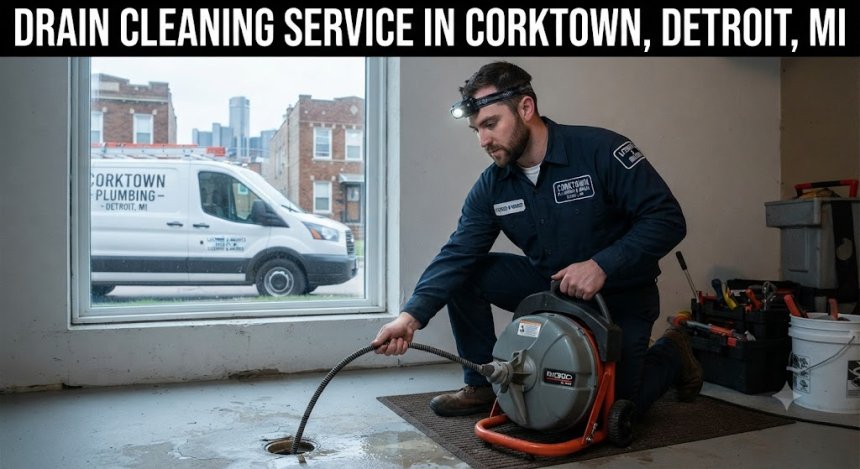
Electric Sewer Augers (Snakes): Heavy-duty motorized machines with long, durable cables and various cutting heads to bore through tough obstructions.
-
Electronic Pipe Locators: Devices used in conjunction with sewer cameras to pinpoint the exact location and depth of a blockage or pipe failure from above ground.
How Long Does Sewer Line Cleaning Typically Take?
The time required depends on the severity of the clog and the accessibility of the sewer line:
-
Standard Augering: Clearing a routine main line blockage typically takes 1 to 2 hours.
-
Hydro Jetting: A thorough hydro-jetting service generally takes 2 to 4 hours, depending on the level of buildup.
-
Emergency Response: Our emergency team in the North End area is on standby 24/7. We aim to be at your property within 60–90 minutes of your call, and diagnosis/containment usually happen very quickly upon arrival.
Cost Factors for Sewer Line Cleaning in Detroit
Ethical plumbing companies provide pricing based on the specific situation, not a generic phone quote. The cost of sewer line cleaning in North End depends on:
-
Severity and Type of Clog: Simple soft clogs are faster and cheaper to clear than dense tree root intrusions or hardened grease blockages.
-
Accessibility: The presence of an accessible cleanout port makes the job faster. If a cleanout needs to be installed or if the toilet must be pulled to access the line, labor costs increase.
-
Method Required: Hydro-jetting involves more expensive equipment and setup time than standard cable augering.
-
Time of Service: Emergency after-hours or weekend service calls typically carry a higher premium than scheduled weekday appointments.
-
Pipe Condition: If the video inspection reveals a collapsed or severely damaged pipe, cleaning will not solve the issue, and a repair/replacement estimate will be provided instead.
Plumbing repair costs vary depending on the severity of the problem, accessibility, materials required, emergency service, property type, and local labor rates.
Hidden Truths Homeowners Should Know
The plumbing industry has practical realities that every property owner should understand to protect their investment and avoid unnecessary expenses:
-
Small Leaks Become Expensive Repairs: Ignoring a minor drip or slow drain inevitably leads to accelerated corrosion, extensive water damage, wood rot, and mold growth over time.
-
Cheap Temporary Fixes Often Fail: Using epoxy putty or clamps on leaking pipes is a temporary band-aid that will eventually burst under pressure, causing a much larger flood.
-
Tree Roots Always Return: If you simply snake a root-infested sewer line, the roots will grow back thicker within months. Only professional hydro-jetting or pipe replacement provides a long-term solution.
-
Hard Water Shortens Appliance Lifespan: Without proper maintenance or water softening, Detroit's hard water will destroy water heaters, dishwashers, and washing machines years before their time.
-
DIY Mistakes Increase Repair Costs: Attempting complex plumbing repairs without proper knowledge often results in mistakes that end up costing more for a professional to fix than if they had been called initially.
-
Delaying Repairs Causes Structural Damage: Water leaking behind walls or under slabs will rot framing and compromise your building's foundation if left unaddressed.
-
Hidden Leaks Spike Utility Bills: An undetected underground or slab leak can waste thousands of gallons of water, causing a sudden and unexplained jump in your monthly water bill.
-
Mold Develops Quickly: In damp environments created by leaks, toxic mold can begin growing within 48 to 72 hours. Immediate action is crucial for health and safety.
-
Annual Maintenance Saves Money: Scheduling an annual plumbing inspection and tune-up is dramatically cheaper than paying for emergency repairs or premature appliance replacement.
-
Hiring Unlicensed Handymen is a Risk: Allowing unlicensed individuals to perform plumbing work often results in code violations, unsafe conditions, and voided insurance claims.
15 Common Mistakes Homeowners Make
Avoid these common errors to protect your plumbing system and save money in the long run.
-
Ignoring Minor Leaks: Assuming a small drip under the sink isn't urgent until it causes cabinet rot.
-
Using Chemical Drain Cleaners: Opting for harsh acids that corrode older pipes instead of calling for professional drain cleaning.
-
Flushing "Flushable" Wipes: Treating the toilet like a trash can causes major sewer blockages, especially in older homes.
-
Pouring Grease Down Drains: Liquid fat solidifies in pipes, creating impenetrable blockages in kitchen lines.
-
Overloading Garbage Disposals: Putting fibrous peels, eggshells, and excessive food waste into the disposal.
-
Ignoring Water Pressure Problems: Failing to address high water pressure that stresses pipes and appliances.
-
Hiring Unlicensed Plumbers: Choosing the cheapest option without verifying credentials and insurance.
-
Skipping Water Heater Maintenance: Neglecting to flush the tank to remove sediment buildup.
-
Waiting Until an Emergency: Delaying repairs for known issues until they become after-hours crises.
-
Using Incorrect Pipe Materials: Mixing incompatible materials like copper and galvanized steel, leading to galvanic corrosion.
-
Over-Tightening Fittings: Cranking down on connections, especially with plastic parts, causes cracks and leaks.
-
Leaving Hoses Connected in Winter: Failing to disconnect garden hoses, leading to frozen and cracked outdoor faucets (hose bibs).
-
Burying Cleanouts: Concealing main sewer cleanout access points under landscaping or decks.
-
Ignoring Musty Smells: Overlooking damp odors that indicate hidden leaks and mold.
-
Not Knowing Main Shut-Off Location: Being unable to find the main water valve during a burst pipe emergency.
Maintenance Tips: Protecting Your North End Property
Proactive care is the best way to extend the life of your plumbing system and avoid costly breakdowns.
-
Install Mesh Strainers: Catch hair, soap scum, and food debris at every drain to prevent clogs before they start.
-
Scrape Plates, Don't Rinse: Wipe fats, oils, and grease into the trash rather than washing them down the kitchen sink.
-
Check for Leaks Regularly: Inspect under sinks, around water heaters, and near washing machine connections every few months.
-
Test Your Sump Pump: Pour a bucket of water into the pit before heavy rain seasons to ensure it activates and discharges properly.
-
Flush Your Water Heater: Drain a few gallons of water from the tank annually to remove sediment buildup and improve efficiency.
-
Monitor Water Pressure: Consider installing a water pressure gauge on an outdoor spigot to check for dangerous pressure spikes.
-
Insulate Exposed Pipes: Protect pipes in unheated basements or crawlspaces from freezing during severe Detroit winters.
-
Use Enzymatic Cleaners: Treat drains monthly with eco-friendly enzymatic cleaners to break down organic buildup safely.
-
Have Your Sewer Line Inspected: Consider a professional camera inspection every 3-5 years, especially if you have mature trees on your property.
-
Know Your Plumber: Keep the number of Plumber in Detroit saved in your phone for quick access to reliable service in North End.
When Should You Call an Emergency Plumber?
Certain plumbing situations cannot wait until morning. You should call an emergency plumber immediately if you experience:
-
Burst Pipes: Active flooding from a broken water supply line.
-
Major Leaks: Uncontrollable water gushing from any pipe or fixture.
-
Sewage Backups: Wastewater overflowing from toilets, tubs, or floor drains. This is a serious health hazard.
-
No Hot Water (Commercial): A critical issue for restaurants, hotels, or healthcare facilities.
-
Gas Odors: (If your plumber is licensed for gas) The smell of rotten eggs indicating a potential gas leak.
Our emergency response team in the North End area is available 24/7 to address these critical situations promptly, minimizing damage and restoring safety to your property.
Frequently Asked Questions (FAQs)
Here are real search queries from homeowners and business owners in the Detroit area, answered by our plumbing experts:
Why is my water pressure suddenly low?
Sudden low pressure throughout your property is often caused by a problem with the main water supply line, such as a large leak, or a failing municipal supply. If it’s only at one fixture, it might just be a clogged aerator.
How much does leak detection cost?
Leak detection costs vary based on the complexity and location, typically ranging from $250 to $550 for advanced electronic detection. However, this investment prevents unnecessary excavation and property damage compared to "guess-and-check" methods.
Can a clogged drain damage pipes?
Yes. Severe clogs increase internal pressure and trap corrosive organic waste against pipe walls, which can lead