Leak Detection Cost Detroit: What to Expect
Discover leak detection costs in Detroit, MI. Learn about hidden water leak signs, professional detection methods, and when to call an expert.

NEED A PLUMBER?
Fast & Local Plumbing Services
Leaks • Clogged Drains • Burst Pipes • Water Heaters • Emergency Plumbing
NEED A PLUMBER?
Fast & Local Plumbing Services
Leaks • Clogged Drains • Burst Pipes • Water Heaters • Emergency Plumbing
How Much Does Leak Detection Cost in Detroit, MI? Comprehensive Pricing Guide
Introduction: Uncovering Hidden Water Leaks in the Motor City
Every homeowner knows the sinking feeling of discovering water where it shouldn't be. However, the most destructive plumbing leaks are often the ones you cannot see. Whether it is a slow leak behind the lathe-and-plaster walls of a historic home in Boston-Edison, a hidden slab leak beneath the concrete basement floor of a bungalow in Rosedale Park, or a broken underground water service line in Corktown, hidden leaks pose a massive threat to your property.
When faced with unexplained high water bills or the sound of running water when all taps are closed, property owners across Metro Detroit immediately search for answers. A primary concern for anyone facing this situation is the financial investment involved: How much does leak detection cost in Detroit, MI?
Understanding the costs associated with professional leak detection requires looking beyond a simple flat fee. It involves exploring the technology used, the complexity of the plumbing issue, and the risks of letting hidden water damage go unchecked. As an experienced plumber in Detroit, our goal is to provide complete transparency so you can protect your home without breaking the bank.
What Is Professional Leak Detection?
Professional leak detection is the specialized process of locating hidden water or sewer leaks within a residential or commercial building’s plumbing system without resorting to destructive exploratory demolition.
Common Situations Involving Hidden Leaks
-
A sudden, unexplained spike in your Detroit Water and Sewerage Department (DWSD) bill.
-
The sound of running water when all faucets and appliances are turned off.
-
Warm spots on a concrete basement floor (indicating a hot water line leak under the slab).
-
Warped hardwood flooring or bubbling paint on walls.
Instead of tearing up drywall or breaking through concrete floors blindly, licensed plumbers use advanced acoustic, thermal, and electronic tools to pinpoint the exact source of the leak, saving homeowners thousands of dollars in unnecessary repair work.
Why Do Hidden Plumbing Leaks Happen in Detroit?
Leaks don't happen by accident; they are the result of specific environmental and mechanical stressors acting on your plumbing infrastructure over time.
Common Causes of Leaks
-
Aging Pipes and Corrosion: Many homes throughout Wayne County feature aging galvanized steel, cast iron, or copper pipes that thin out and develop pinhole leaks as they age.
-
Extreme Seasonal Weather: Detroit's freezing winters put immense stress on pipes, particularly those near exterior walls or unheated crawlspaces, leading to micro-cracks that expand over time.
-
Shifting Soil and Ground Movement: The freeze-thaw cycles of Michigan soil cause the ground to shift, placing mechanical strain on underground water lines and sewer connections.
-
High Water Pressure: Municipal water pressure that exceeds 80 psi places continuous stress on pipe fittings, joints, and older valves.
-
Hard Water Scale Buildup: Minerals in hard water can accelerate internal corrosion, weakening pipe walls from the inside out.
Signs You Should Never Ignore
Spotting a leak early can mean the difference between a minor repair and a catastrophic property disaster. Watch out for these critical warning signs:
-
Unexplained High Water Bills: If your water usage habits haven't changed but your utility bill skyrockets, you likely have a hidden leak.
-
Water Stains and Discoloration: Yellow, brown, or bubbling patches on ceilings and walls indicate active water intrusion.
-
Damp Walls or Floors: Carpets that remain mysteriously damp or walls that feel cool and wet to the touch.
-
Mold and Mildew Growth: Musty odors or visible mold growth point to chronic moisture from an unaddressed leak.
-
Low Water Pressure: A sudden or progressive drop in pressure across multiple faucets can signal a major supply line leak.
-
Cracked Foundation or Slab Movement: Shifting concrete or damp patches on basement floors can indicate a severe slab leak.
Common Plumbing Problems Related to Leaks
When hidden leaks are left unaddressed, they trigger a cascade of related plumbing and structural failures:
-
Pipe Leaks and Pinhole Bursts: Small corrosion spots quickly rupture under continuous pressure.
-
Slab Leaks: Water eroding the soil beneath your foundation, leading to structural settling.
-
Subfloor Rot and Structural Damage: Wooden joists and subflooring rot away, compromising the safety of the home.
-
Mold Infestations: Toxic mold spreads rapidly behind walls, creating serious indoor air quality issues.
-
Fixture and Appliance Damage: Constant pressure fluctuations can damage water heaters, washing machine hoses, and faucets.
Step-by-Step Professional Leak Detection Process
When you hire a licensed plumbing company in Detroit to find a hidden leak, they follow a systematic, non-invasive process.
-
Step 1: Initial Consultation and Water Meter Test: The plumber reviews your water bills, checks the water meter to confirm continuous flow, and evaluates symptoms.
-
Step 2: Isolation Testing: Shutting off specific valves allows the plumber to determine whether the leak is on the hot or cold supply line, or within the drainage system.
-
Step 3: Advanced Electronic Equipment Deployment: Using acoustic listening devices, thermal imaging, or pipe locators, the plumber scans the property to pinpoint the exact anomaly.
-
Step 4: Comprehensive Diagnosis & Explanation: The plumber shows you where the leak is located and explains the severity of the issue.
-
Step 5: Upfront Cost Estimate: Before any physical repair begins, you receive a clear, itemized estimate for the repair work.
-
Step 6: Precision Repair: The plumber opens only the exact area required (e.g., a small cutout in drywall or concrete) to fix the pipe.
-
Step 7: Post-Repair Testing & Cleanup: The system is pressurized and retested to guarantee the leak is completely resolved, followed by a thorough cleanup of the work area.
Can You Fix It Yourself? (DIY vs. Professional Leak Detection)
Homeowners often wonder if they can track down hidden leaks on their own to save money.
Safe DIY Actions:
-
The Meter Test: Turn off all indoor and outdoor water fixtures. Go to your water meter and check the leak indicator dial. If it is moving, water is actively escaping somewhere.
-
Visual Inspection: Check under all sinks, around toilets, and inspect your water heater for active drips.
When DIY Becomes Ineffective or Dangerous:
-
Locating Hidden Leaks: Without professional acoustic equipment or thermal cameras, finding a leak behind a finished wall or under a concrete slab is nearly impossible without tearing up your home.
-
Attempting Foundation Repairs: Breaking up concrete or excavating main water lines without proper tools risks damaging electrical lines, gas lines, or municipal infrastructure, leading to massive fines and danger.
Professional intervention is essential for accurate, non-destructive leak detection.
Tools Professional Plumbers Use
Modern leak detection relies on sophisticated technology that transforms plumbing from guesswork into an exact science.
-
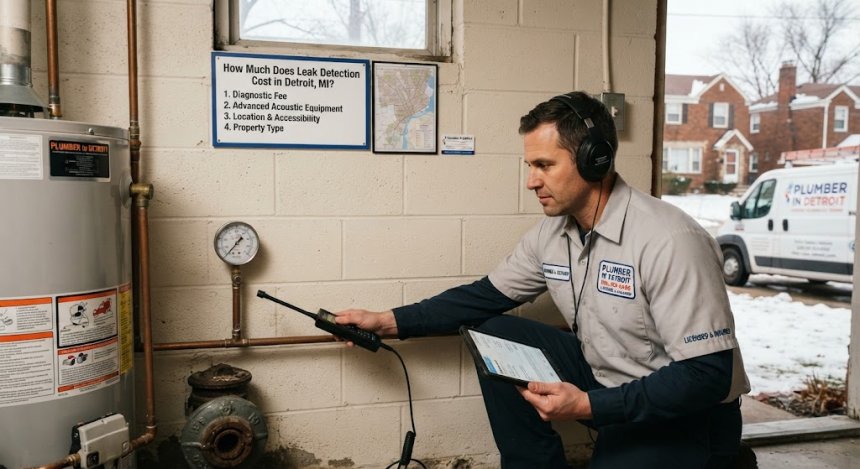
Acoustic Listening Devices: High-sensitivity ground microphones that amplify the sound of water hissing or escaping under pressure through concrete or soil.
-
Thermal Imaging Infrared Cameras: Cameras that detect temperature variations behind walls and floors, highlighting moisture trails left by hidden hot or cold water leaks.
-
Line Locators and Transmitters: Electronic sondes pushed down pipes to map the exact underground path and depth of buried water or sewer lines.
-
Pressure Testing Gauges: Manometers attached to plumbing lines to measure pressure drops and confirm whether a closed system is holding pressure.
-
Video Pipe Inspection Cameras: Waterproof cameras used to inspect drain and sewer lines from the inside out.
How Long Does Leak Detection Take?
The duration of a leak detection service depends on the property type and the complexity of the plumbing layout:
-
Simple Residential Leak Detection (Visible or isolated): 30 minutes to 1 hour.
-
Standard Hidden Wall/Floor Leak Detection: 1 to 2 hours.
-
Complex Slab Leak Detection: 2 to 4 hours.
-
Commercial Building Leak Detection: 4 hours to a full day.
Factors affecting the timeline include the size of the property, the accessibility of the piping network, and whether multiple leaks are present.
Cost Factors: How Much Does Leak Detection Cost in Detroit?
Leak detection pricing varies based on several key factors. Rather than relying on misleading flat-rate internet quotes, consider what influences the final price:
-
Diagnostic or Service Fee: Most licensed plumbers charge an initial dispatch or diagnostic fee to travel to your home and perform the initial isolation tests.
-
Technology Required: Basic visual checks cost less, whereas advanced electronic acoustic testing or thermal imaging requires specialized equipment and expertise.
-
Location and Accessibility: Locating a leak easily accessible in an unfinished basement or crawlspace is faster than tracing a leak beneath a thick concrete slab or behind finished tile work.
-
Property Type and Size: Large commercial buildings or sprawling multi-story residential homes require significantly more scanning time than a compact Detroit bungalow.
-
Emergency Service Rates: If you require immediate after-hours or holiday leak detection, emergency dispatch rates will apply.
Plumbing repair and leak detection costs vary depending on the severity of the problem, accessibility, materials required, emergency service, property type, and local labor rates.
Hidden Truths Homeowners Should Know
-
Small Leaks Become Expensive Repairs: A pinhole leak leaking just a few drops a minute wastes thousands of gallons a year and rots structural wood framing, turning a minor $200 repair into a $5,000 restoration project.
-
Insurance May Not Cover Neglect: While insurance policies often cover sudden water damage from a burst pipe, they frequently deny claims for long-term water damage caused by neglected, slow leaks.
-
Utility Companies Won't Help Inside: The Detroit Water and Sewerage Department is responsible for the main water meter and city-side lines; everything from the property shut-off valve into your home is strictly the homeowner's responsibility.
-
Hidden Leaks Skyrocket Utility Bills: Even minor leaks create constant pressure loss and continuous water consumption that reflects immediately on your monthly bills.
15 Common Mistakes Homeowners Make
-
Ignoring Minor Water Bill Increases: Brushing off a $10 increase as a rate hike rather than checking for a running toilet or hidden leak.
-
Delaying Inspection: Waiting until drywall caves in or flooring warps before calling a professional.
-
Using Temporary Patch Kits on Pressure Lines: Relying on epoxy putty or tape to fix a pressurized water supply pipe.
-
Hiring Unlicensed Handymen: Using general handymen who lack professional leak detection gear, leading to destructive guesswork.
-
Not Knowing Main Shut-Off Location: Wasting valuable minutes searching for the water shut-off valve while a leak floods the home.
-
Skipping Annual Plumbing Maintenance: Failing to have systems inspected regularly.
-
Ignoring Low Water Pressure: Assuming it is a city-wide issue without investigating household line integrity.
-
Pouring Chemical Drain Cleaners into Leaking Systems: Exacerbating corroded pipe walls with harsh chemicals.
-
Over-Tightening Fixtures: Breaking brass fittings or cracking PVC pipes by applying excessive force during DIY repairs.
-
Failing to Document Damage for Insurance: Cleaning up water damage immediately without taking photos for potential insurance claims.
-
Assuming Slab Leaks Will Go Away: Ignoring warm spots on the floor thinking it's radiant heating.
-
Planting Trees Over Main Lines: Allowing root systems to crush underground water and sewer pipes.
-
Not Testing Backflow Preventers: Ignoring safety valves that protect your clean water supply.
-
Waiting for Emergencies to Establish a Plumber Relationship: Panicking and hiring the first unvetted company that pops up in an online search during a crisis.
-
Overlooking Outdoor Spigots: Forgetting to check outdoor hose bibs that suffered frost damage during Detroit winters.
Maintenance Tips to Prevent Leaks
-
Monitor Your Water Meter Monthly: Conduct regular meter checks to catch hidden consumption early.
-
Install a Pressure Regulating Valve (PRV): Keep your home water pressure below 80 psi to prevent undue stress on pipe joints.
-
Insulate Vulnerable Pipes: Protect pipes in unheated crawlspaces, garages, and exterior walls from freezing temperatures.
-
Inspect Appliances Regularly: Check washing machine supply hoses, water heaters, and dishwasher connections annually for signs of bulging or cracking.
-
Flush Your Water Heater: Remove sediment buildup annually to extend tank lifespan and prevent bottom corrosion.
-
Know Your Main Shut-Off: Ensure every adult in the household knows how and when to shut off the main water supply.
-
Avoid Harsh Chemicals: Use mechanical snakes or professional hydro jetting instead of corrosive chemical drain cleaners.
-
Check Bathroom Caulking: Maintain waterproof seals around tubs and showers to prevent water from seeping into subfloors.
-
Clear Outdoor Drains: Keep window wells and exterior drainage paths clear of debris.
-
Schedule Annual Plumbing Inspections: Partner with a licensed Detroit plumber for routine system checkups.
-
Replace Aging Supply Lines: Swap out flexible rubber toilet and sink supply lines for braided stainless steel braided lines every 5 to 10 years.
-
Listen to Your Plumbing: Investigate any strange whistling, banging (water hammer), or running water sounds immediately.
-
Protect Against Tree Roots: Keep large, moisture-seeking trees away from underground water and sewer lines.
-
Test Sump Pumps Seasonally: Ensure your basement sump pump is operational before heavy spring rains and snowmelts hit Detroit.
-
Upgrade Old Valves: Replace outdated gate valves with modern, reliable ball valves that provide a secure quarter-turn shutoff.
When Should You Call an Emergency Plumber?
While scheduled leak detection is ideal for hidden or slow leaks, certain situations require an immediate emergency plumbing response:
-
Burst Supply Pipes: Water is actively gushing from a broken pipe, threatening your home's foundation and electrical system.
-
Major Structural Flooding: Rapid accumulation of water in your basement or living areas from an unidentified source.
-
Total Loss of Water Supply: Sudden, unexplained failure of water delivery to your entire home.
-
Sewage Backups: Wastewater bubbling up through floor drains or toilets.
Immediate action mitigates mold growth, structural rot, and catastrophic property destruction.
Frequently Asked Questions (FAQs)
Q: Why is my water pressure suddenly low? A: Sudden low water pressure across multiple fixtures typically indicates a major leak in your main supply line, a failing pressure regulator, or a partial municipal shutoff.
Q: How much does leak detection cost in Detroit? A: Costs vary based on diagnostic fees, the complexity of the plumbing layout, and the technology required (such as acoustic listening devices or thermal cameras). Contact a licensed local professional for an accurate diagnostic estimate.
Q: Can a clogged drain damage pipes? A: Yes, severe clogs and the excessive pressure from plunging or harsh chemical cleaners can crack older pipes, leading to hidden leaks.
Q: Is hydro jetting safe for old pipes? A: Hydro jetting must be performed with caution by experienced professionals, especially in older Detroit homes with fragile cast iron or galvanized pipes, after a thorough camera inspection.
Q: How do I know if my sewer line is broken? A: Common indicators include multiple slow drains, gurgling toilets, foul sewage odors, and wet depressions or unusually green patches in your lawn.
Q: How long do water heaters last? A: Standard tank water heaters typically last between 8 to 12 years, depending on water quality, maintenance, and anode rod condition.
Q: Why does my faucet drip? A: A dripping faucet is usually caused by a worn-out washer, O-ring, or cartridge inside the valve assembly.
Q: What causes pipes to burst? A: The most common cause is freezing water expanding inside pipes during severe winter weather, compounded by high water pressure or severe corrosion.
Q: Can plumbing leaks increase my water bill? A: Absolutely. Even a small continuous leak can waste thousands of gallons of water each month, driving up your utility bills significantly.
Q: When should I replace plumbing instead of repairing it? A: If your home has aging, highly corroded pipes that experience frequent failures across multiple sections, a full repiping is usually more cost-effective than endless spot repairs.
Why Choose Plumber in Detroit?
When dealing with hidden leaks, you need a local partner you can trust. At Plumber in Detroit, we bring unmatched expertise to every job:
-
Experienced Licensed Plumbers: Fully certified professionals trained in the latest diagnostic and repair techniques.
-
Honest Recommendations: Straightforward advice tailored to the unique architecture of historic and modern Detroit homes.
-
Upfront Estimates: Transparent pricing with no hidden fees before any work begins.
-
Fast Response & Emergency Availability: Prompt dispatch across Detroit, nearby cities, Wayne County, and surrounding neighborhoods.
-
Modern Equipment: Utilizing state-of-the-art acoustic and thermal leak detection tools for maximum accuracy.
-
Customer Satisfaction: Dedicated workmanship focused on protecting your property and restoring your peace of mind.
Contact Plumber in Detroit today for professional leak detection and reliable plumbing services tailored to your home.