Complete Guide to Sewer Line Cleaning in North End, Detroit, MI
Sewer line problems rarely announce themselves politely. They typically start as a gurgling sound in the downstairs bathroom or a kitchen sink that drains a little too slowly, eventually escalating into an unhygienic backup that disrupts your entire household or business. For property owners in the historical neighborhood of North End, Detroit, aging infrastructure and mature urban landscaping create a unique set of plumbing challenges. Whether you own a classic Detroit American Foursquare home or run a commercial space along Woodward Avenue, understanding how sewer systems work and when to seek professional sewer line cleaning can save you from catastrophic property damage and steep repair bills. Plumber in Detroit provides comprehensive, reliable drainage solutions across Wayne County and surrounding areas, helping local property owners protect their investments from hidden underground failures.
What Is Sewer Line Cleaning?
Sewer line cleaning is the specialized process of clearing away accumulated grease, scale, mineral buildup, sanitary products, paper, and invading tree roots from the main lateral pipe that carries wastewater away from a building out to the municipal sewer main.
Common situations requiring this service involve recurring toilet clogs, multi-fixture backups where flushing a toilet causes water to bubble up in the shower drain, and persistent foul odors wafting from floor drains in basements. For example, if your washing machine drains and causes wastewater to back up into your basement floor drain, your main sewer line is obstructed. Ignoring these symptoms risks structural foundation damage and biohazard exposure, which is why immediate attention from a licensed Detroit plumber is essential.
Why Does This Plumbing Problem Happen?
Sewer lines fail or clog due to a combination of physical, environmental, and structural factors over time. Recognizing these root causes helps property owners prevent recurring blockages.
-
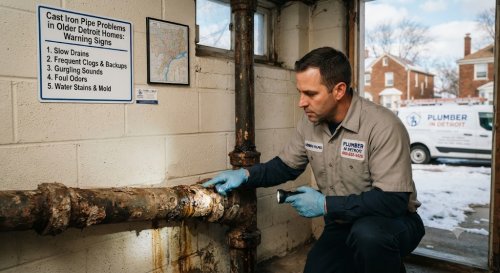
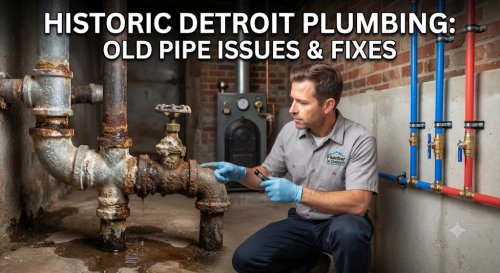
Aging Pipes: Many homes in North End, Detroit feature older clay, cast iron, or Orangeburg piping that degrades, cracks, or collapses after decades of service.
-
Corrosion: Cast iron sewer pipes rust from the inside out, creating a rough interior surface that catches debris and forms severe scaling.
-
Tree Roots: Underground sewer pipes emit water vapor through microscopic pores. Tree roots actively seek out this moisture, penetrating pipe joints and expanding until the line breaks or clogs entirely.
-
Hard Water: Mineral deposits accumulate inside pipe walls, gradually reducing the interior diameter of the sewer line and slowing wastewater flow.
-
Improper Disposal: Flushing "flushable" wipes, paper towels, hygiene products, cotton swabs, and pouring cooking grease down kitchen drains creates impenetrable blockages.
-
Ground Shifting: Freeze-thaw cycles in Michigan winters cause the surrounding soil to shift, pulling pipe joints apart or creating negative slopes (bellies) where waste settles.
Signs You Should Never Ignore
Catching sewer line trouble early prevents raw sewage from overflowing into living spaces. Watch for these critical warning signs:
-
Slow Drains: When multiple plumbing fixtures—such as a bathtub, sink, and toilet—drain sluggishly at the same time, the problem is rarely a local trap; it points directly to the main sewer line.
-
Gurgling Sounds: If you hear bubbles or gurgling noises from toilets or drains when running the washing machine, trapped air is escaping the venting and sewer system.
-
Foul Smells: Persistent sewer gas odors lingering around your basement, yard, or floor drains indicate a crack, vent blockage, or major buildup in the line.
-
Soggy Yard Patches: Unusually lush, green patches or soft, damp depressions in your lawn above the sewer line path usually signal an underground leak or break.
-
Pest Infestations: Damaged sewer lines attract rodents and insects seeking moisture and food sources, leading to unexpected household pests.
Common Plumbing Problems Related to This Issue
Sewer line obstructions rarely exist in isolation. When wastewater cannot exit a property freely, pressure builds and triggers related plumbing failures throughout the structure.
-
Drain Clogs: Secondary branch lines from kitchens and bathrooms back up because they cannot empty into the blocked main sewer line.
-
Basement Sewer Backups: Raw sewage pushes backward out of lowest-level floor drains and basement toilets during heavy usage.
-
Pipe Leaks and Bursts: Excessive hydrostatic pressure or freezing conditions can split supply and waste pipes alike.
-
Slab Leaks: Underground wastewater leaks erode the soil beneath concrete foundations, causing structural settling and floor cracks.
Step-By-Step Professional Repair Process
When you call Plumber in Detroit for professional sewer line cleaning, our licensed technicians follow a structured, thorough methodology to resolve the issue safely and efficiently.
-
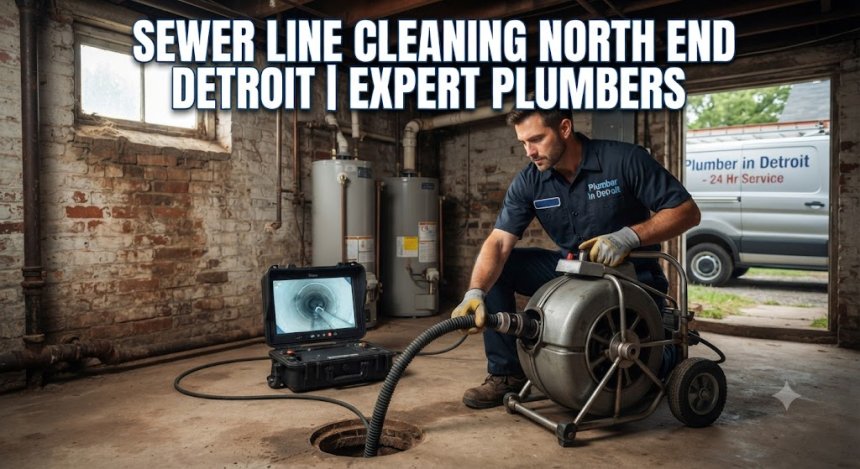
Step 1: Inspection: We deploy a high-resolution waterproof camera down the sewer cleanout to visually inspect the interior of the pipe and locate the exact obstruction or damage.
-
Step 2: Diagnosis: The technician analyzes camera footage to determine whether the issue is simple sludge buildup, root intrusion, structural collapse, or a broken joint.
-
Step 3: Estimate: We provide an honest, upfront pricing estimate detailing the recommended cleaning or repair procedure before any physical work begins.
-
Step 4: Cleaning or Repair: Utilizing high-pressure hydro jetting or specialized mechanical augers, we thoroughly scour the pipe walls and remove all debris.
-
Step 5: Testing: We run water through multiple fixtures and perform a post-cleaning camera inspection to verify that the line is completely clear and flowing freely.
-
Step 6: Cleanup: Our team sanitizes the work area, ensuring your basement or yard is left clean and tidy.
-
Step 7: Maintenance Advice: We offer tailored guidance on how to prevent future clogs based on your specific pipe condition and property age.
Can You Fix It Yourself?
While minor sink clogs respond well to a standard plunger or manual hand snake, main sewer line cleaning is not a safe or effective DIY project. Chemical drain openers available at retail stores contain harsh acids that can eat through old cast iron or PVC pipes, generate dangerous toxic fumes, and leave toxic standing water if the clog fails to move. Furthermore, renting heavy mechanical rooters without proper safety training can cause the spinning cable to catch, twist violently, and fracture underground pipes or cause personal injury. When raw sewage backs up or multiple fixtures fail, calling a licensed professional is the only safe solution.
Tools Professionals Use
Professional plumbing companies rely on advanced diagnostic and cleaning technology to resolve sewer issues accurately without unnecessary excavation.
-
Drain Inspection Cameras: Flexible fiber-optic cameras display real-time video of pipe interiors on digital monitors, pinpointing root locations and cracks down to the inch.
-
Hydro Jetting Machines: High-pressure water pumps deliver streams up to 4,000 PSI, scouring grease, scale, and tree roots completely off pipe walls.
-
Electronic Pipe Locators: Transmitting sondes attached to camera heads allow technicians above ground to trace the exact depth and path of buried sewer lines.
-
Mechanical Augers (Snakes): Heavy-duty motorized cables equipped with specialized cutting blades slice through dense root masses and compact debris blockages.
How Long Does the Repair Usually Take?
The duration of a sewer line service depends heavily on the severity of the obstruction and the condition of the pipe.
-
Standard Cleaning: Routine hydro jetting or snaking typically takes between 1 to 3 hours.
-
Camera Inspections: Diagnostic scoping takes roughly 30 to 60 minutes.
-
Major Repairs or Replacements: Excavating and replacing a damaged section of a sewer lateral can take anywhere from 1 to 3 days depending on weather and permitting.
Factors affecting this timeline include property accessibility, depth of the buried pipe, whether permits are required by the city of Detroit, and the structural integrity of surrounding utility lines.
Cost Factors
Professional plumbing service costs vary based on several key operational elements. We believe in complete transparency regarding what impacts your final investment:
-
Diagnostic Fees: Initial evaluation and camera scoping costs.
-
Severity of the Blockage: Heavy root intrusion or concrete scale buildup requires specialized high-pressure hydro jetting rather than standard snaking.
-
Accessibility: If the sewer cleanout is buried deep underground or located beneath finished basement flooring, additional labor is required.
-
Time of Service: Emergency after-hours, weekend, or holiday dispatch involves higher labor rates.
-
Permit and Municipal Fees: Local Detroit municipal requirements for street or alleyway excavations.
Plumbing repair and cleaning costs vary depending on the severity of the problem, pipe accessibility, materials required, emergency service status, property type, and local labor rates.
Hidden Truths Homeowners Should Know
Understanding the realities of residential and commercial sewer systems helps property owners avoid costly surprises down the road.
-
Small Leaks Become Expensive Repairs: Minor dampness or slow draining left unaddressed will eventually erode foundations and trigger total pipe collapse.
-
Cheap Temporary Fixes Fail: Pouring store-bought acid down a drain only punches a small hole through a grease or root clog, leaving residue that seals up again within days.
-
Insurance Gaps: Standard homeowner insurance policies rarely cover damage caused by neglected plumbing maintenance or gradual wear and tear.
-
Persistent Tree Roots: Cutting tree roots with a mechanical snake provides temporary relief, but roots will return unless the pipe is structurally sealed or lined.
-
Hard Water Damage: Mineral-heavy municipal water gradually narrows pipe interiors across the entire house.
-
Structural Compromise: Delaying sewer repairs can undermine concrete slabs, driveways, and load-bearing walls.
-
Mold Growth: Sewage backups introduce organic waste that fosters rapid mold colonization within 24 to 48 hours.
-
Utility Bill Spikes: Undetected underground water leaks can cause municipal water and utility bills to creep upward.
-
Value of Prevention: Investing in annual preventative maintenance inspections saves thousands of dollars in emergency remediation costs.
15 Common Mistakes Homeowners Make
-
Ignoring Slow Drains: Waiting until a drain stops completely allows waste buildup to harden.
-
Using Chemical Drain Cleaners: Corrosive acids damage pipes and endanger plumbing technicians.
-
Flushing Wipes: Even wipes labeled "flushable" do not break down in municipal sewers.
-
Pouring Grease Down Drains: Liquid fats solidify inside cold pipes, trapping other debris.
-
Ignoring Water Pressure Changes: Unstable pressure places chronic stress on plumbing joints.
-
Hiring Unlicensed Handymen: Unqualified workers lack insurance and specialized diagnostic gear.
-
Skipping Regular Maintenance: Failing to schedule annual camera scoping misses early warning signs.
-
Waiting Until Emergencies: Emergency calls cost more than scheduled preventative cleanings.
-
Using Wrong Pipe Materials: Mixing incompatible metals or substandard fittings causes premature leaks.
-
Over-Tightening Fittings: Forcing fixture connections cracks porcelain and strips threads.
-
Disposing of Paint or Chemicals: Solvents degrade PVC seals and harm local wastewater treatment infrastructure.
-
Planting Large Trees Near Laterals: Positioning willow or maple trees directly over sewer lines guarantees root intrusion.
-
Ignoring Basement Odors: Dismissing faint sewage smells allows toxic gases to build up indoors.
-
Failing to Locate Main Cleanouts: Not knowing where your sewer cleanout is located delays emergency response times.
-
Neglecting Backflow Preventers: Failing to install a backflow valve leaves low-lying basements vulnerable to municipal surges.
Maintenance Tips
-
Schedule Annual Inspections: Have a licensed Detroit plumber scope your sewer line every 12 to 18 months.
-
Watch What You Flush: Only toilet paper and human waste belong in your toilet.
-
Collect Grease in Containers: Wipe greasy pans with a paper towel and toss them in the trash instead of the sink.
-
Install Hair Catchers: Use mesh strainers in all showers and bathroom sinks to block hair and soap scum.
-
Know Your Main Shutoff: Ensure every adult in your household knows how to shut off the main water supply quickly.
-
Insulate Exposed Pipes: Protect basement and crawlspace pipes from freezing during harsh Detroit winters.
-
Manage Surrounding Landscaping: Keep large trees and shrubs away from underground utility and sewer pathways.
-
Flush Drains Regularly: Run hot water down infrequently used guest bathroom sinks and floor drains to keep P-traps full.
-
Install a Backwater Valve: Protect your basement from municipal sewer surges during heavy rainstorms.
-
Test Sump Pumps: Check your sump pump operation before the spring thaw and heavy storm season.
-
Avoid Garbage Disposal Overloads: Do not feed fibrous vegetables, coffee grounds, or eggshells down kitchen disposals.
-
Monitor Water Bills: Track monthly water usage for unexplained spikes that indicate hidden leaks.
-
Clear Yard Drains: Keep surface area drains and catch basins free of autumn leaves and debris.
-
Address Drips Promptly: Fix minor faucet cartridge drips before they strain downstream plumbing.
-
Keep Cleanouts Accessible: Never build decks, patios, or permanent landscaping directly over your sewer cleanout access ports.
When Should You Call an Emergency Plumber?
Certain plumbing failures require immediate, round-the-clock professional intervention to protect health and property.
-
Raw Sewage Backup: Wastewater flooding into living areas or basement floors creates an immediate biological hazard.
-
Burst Pipes: Major pipe ruptures can flood a home within minutes, destroying drywall and flooring.
-
Complete Loss of Water: A sudden total failure of water supply requires investigation for frozen or ruptured service lines.
-
Overflowing Toilets That Won't Stop: If shutting off the toilet valve fails and wastewater keeps rising, stop further damage immediately.
-
Major Uncontrollable Leaks: Pressurized water spraying from supply lines or water heaters requires urgent professional isolation and repair.
Frequently Asked Questions
Why is my water pressure suddenly low? Sudden low pressure is usually caused by a partially closed main shutoff valve, a failing pressure regulator, or mineral buildup aerator clogs. If pressure drops across the entire house simultaneously, call a professional.
How much does leak detection cost? Leak detection costs vary based on whether the leak is visible or hidden beneath concrete slabs or underground. Advanced electronic acoustic detection ensures precise location without destructive exploratory demolition.
Can a clogged drain damage pipes? Yes. Pressure buildup from chronic blockages can weaken pipe joints, cause hairline cracks, and eventually result in catastrophic pipe bursts or joint separation.
Is hydro jetting safe for old pipes? A licensed plumber must perform a preliminary camera inspection first. If pipes are severely corroded or structurally compromised, hydro jetting pressure is adjusted or alternative trenchless rehabilitation is recommended.
How do I know if my sewer line is broken? Frequent backups, foul sulfur odors, soggy lawn patches directly above the line, and multiple slow-draining fixtures point directly to structural sewer line damage.
How long do water heaters last? Traditional tank water heaters typically last between 8 to 12 years, while tankless units can operate efficiently for up to 20 years with regular flushing.
Why does my faucet drip? Dripping faucets are usually caused by worn-out rubber washers, damaged O-rings, or corroded valve seats inside the cartridge handle.
What causes pipes to burst? Pipes burst most frequently when freezing winter temperatures cause trapped water inside the pipe to expand, exerting immense hydrostatic pressure on the metal or plastic walls.
Can plumbing leaks increase my water bill? Even a small hidden leak running at 50 PSI can waste thousands of gallons of water per month, driving up your municipal utility bills significantly.
When should I replace plumbing instead of repairing it? If your plumbing system features outdated materials like galvanized steel or Orangeburg pipe, or requires repeated repairs on aging joints, full replacement is more cost-effective.
Why Choose Our Plumbing Company
Plumber in Detroit is proud to serve homeowners and businesses throughout North End, Detroit, MI and the surrounding Wayne County communities with unmatched dedication and expertise.
-
Experienced Licensed Plumbers: Our technicians undergo rigorous training and hold valid state licensing for all residential and commercial plumbing tasks.
-
Honest Recommendations: We provide transparent evaluations and explain all available options without high-pressure sales tactics.
-
Upfront Estimates: You receive clear pricing before any work begins, ensuring zero hidden fees or surprise costs.
-
Fast Response Times: We arrive promptly equipped with fully stocked service vehicles to resolve your plumbing emergencies quickly.
-
Emergency Availability: Our team stands ready around the clock to handle urgent backups and burst pipes.
-
Quality Workmanship: We adhere to the highest industry standards to ensure durable, long-lasting repairs.
-
Modern Equipment: Utilizing state-of-the-art diagnostic cameras and hydro jetting tools, we solve problems efficiently.
-
Customer Satisfaction: We prioritize clear communication, respect for your property, and dependable results on every single job.
Contact Plumber in Detroit today for reliable sewer line cleaning and expert plumbing services tailored to your property's needs.