Historic Detroit Plumbing: Old Pipe Issues & Fixes
Explore common plumbing problems in older core city properties. Learn warning signs, causes, repair processes, and maintenance tips for vintage homes.


NEED A PLUMBER?
Fast & Local Plumbing Services
Leaks • Clogged Drains • Burst Pipes • Water Heaters • Emergency Plumbing
NEED A PLUMBER?
Fast & Local Plumbing Services
Leaks • Clogged Drains • Burst Pipes • Water Heaters • Emergency Plumbing
Common Plumbing Problems in Older Core City Properties
Owning a historic home or a vintage commercial building in the heart of the city comes with unmatched architectural character, but it also brings unique infrastructure challenges. Older core city properties throughout Detroit and surrounding Wayne County neighborhoods—including Corktown, Midtown, and Boston-Edison—frequently rely on aging plumbing networks that have endured a century or more of wear. When multiple minor plumbing glitches start happening at once, it usually points to systemic wear across outdated materials. Understanding these vintage plumbing issues helps property owners address small warning signs before they turn into costly structural emergencies.
Plumber in Detroit assists local property owners in navigating vintage infrastructure challenges, offering expert diagnostics and reliable repairs throughout the Detroit metropolitan area.
What Are Common Plumbing Problems in Older Core City Properties?
Vintage plumbing problems refer to structural failures, chronic clogs, and material degradation unique to historic urban buildings constructed with outdated legacy pipes and fixtures.
Common situations involve opening a vintage wall valve only to experience restricted trickle flow, or watching basement floor drains back up after heavy seasonal rains. Symptoms include discolored water, persistently slow drains, unusual pipe banging, and musty odors behind plaster walls. For example, turning on a laundry tap in an early 20th-century home and seeing rust flakes pour out indicates advanced internal pipe corrosion. Immediate attention is important because legacy materials can fail catastrophically, flooding living spaces with contaminated water. Property owners search for this topic when retail liquid drain cleaners or quick fixes no longer resolve chronic, whole-house plumbing bottlenecks.
Why Does This Plumbing Problem Happen?
Systemic plumbing failures in historic urban structures happen because original building materials have long surpassed their expected operational lifespans. Several distinct factors contribute to these recurring breakdowns.
-
Aging pipes: Decades of continuous use leave original galvanized steel, lead, or cast iron pipes heavily scaled, thinned, or structurally compromised.
-
Corrosion: Internal oxidation in vintage metal lines creates rough, restricted interiors that choke water flow and trap debris.
-
Tree roots: Mature shade trees planted decades ago easily infiltrate brittle joints or hairline cracks in aging underground clay sewer laterals.
-
Hard water: Heavy mineral content in local municipal supplies leaves thick lime scale deposits inside pipes, narrowing internal diameters over time.
-
High water pressure: Fluctuating municipal supply pressures can stress vintage, brittle fittings and cause older joints to fracture.
-
Improper installation: Outdated plumbing configurations often lack modern air chambers, proper venting, or correct drainage grading.
-
Poor maintenance: Decades of deferred maintenance allow minor joint leaks and pipe scaling to compound into major structural failures.
-
Seasonal weather: Severe Midwest winter freeze-thaw cycles cause ground shifts that snap fragile legacy water and sewer lines.
-
Frozen pipes: Uninsulated vintage supply lines running through exterior walls or unheated basements freeze solid during sub-zero cold snaps.
-
Clogs and foreign objects: Narrowed vintage pipes catch grease, scale, and modern paper products much faster than modern smooth PVC.
-
Sewer backups: Aging municipal main connections combined with heavy storms can force city water backward into residential lines.
-
Worn plumbing fixtures: Vintage brass or porcelain fixtures suffer from fatigued internal cartridges, washers, and stems that fail unpredictably.
Signs You Should Never Ignore
Recognizing early warning signs prevents minor legacy pipe deterioration from turning into catastrophic home flooding.
-
Water stains: Unexplained damp spots on plaster ceilings or vintage wallpaper often reveal a slow-leaking concealed pipe.
-
Slow drains: When multiple vintage fixtures drain sluggishly, the issue typically lies deep within the main drain stack rather than a simple trap.
-
Low water pressure: Severe pressure drops across older fixtures point to advanced internal mineral blockage or collapsed pipe walls.
-
High water bills: Undetected leaks behind historic lathe-and-plaster walls can waste thousands of gallons silently.
-
Damp walls: Saturated structural wood near old bathroom stacks indicates leaking wastewater lines.
-
Mold growth: Persistent humidity from hidden pipe leaks fosters rapid mold colonies in dark basements and wall cavities.
-
Strange noises: Banging pipes (water hammer) or loud gurgling indicate trapped air and failing pressure regulation in rigid vintage networks.
-
Bad smells: Persistent sewer odors inside historic living areas signal cracked vent stacks or dry, degraded floor drain traps.
-
Standing water: Puddles forming in vintage basements or yards indicate broken underground service lines.
-
Discolored water: Brown or yellow tap water proves that legacy metal pipes are actively rusting from the inside out.
Common Plumbing Problems Related to This Issue
Legacy plumbing deterioration rarely occurs in isolation and frequently triggers secondary structural and mechanical failures.
-
Pipe leaks: Corroded metal threads and pinhole wall breaches flood historic hardwood flooring and custom millwork.
-
Drain clogs: Scaled interior walls trap waste particles, causing recurring blockages throughout multi-story branch stacks.
-
Sewer backups: Collapsed underground clay tiles force raw sewage upward into vintage basement living areas.
-
Water heater failures: Aging tank connections and heavy scale buildup cause premature tank ruptures in utility rooms.
-
Burst pipes: Frozen winter conditions split brittle vintage supply lines inside uninsulated exterior wall cavities.
-
Slab leaks: Shifting historic foundations crack underground cast-iron waste lines.
-
Fixture damage: Leaking acidic water permanently stains vintage clawfoot tubs and custom porcelain sinks.
Step-By-Step Professional Repair Process
Licensed plumbers utilize a structured methodology to safely upgrade or repair delicate historic plumbing systems.
-
Step 1 Inspection: Plumbers conduct a comprehensive physical audit of all accessible piping, water heaters, and main drainage points.
-
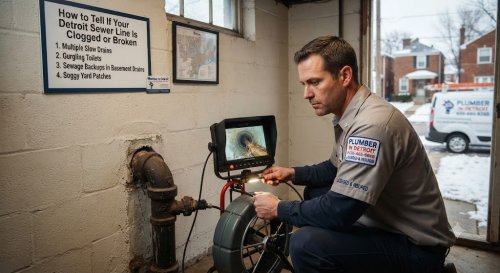
Step 2 Diagnosis: Technicians deploy specialized fiber-optic cameras and acoustic listening tools to locate internal corrosion, cracks, or clogs without tearing up historic finishes.
-
Step 3 Estimate: Based on diagnostic findings, the plumber provides a transparent, itemized proposal detailing necessary repiping, lining, or repair options.
-
Step 4 Repair: The team executes repairs with minimal disruption, carefully cutting around historic woodwork, plaster, or masonry when accessing concealed lines.
-
Step 5 Testing: New and repaired sections undergo rigorous pressure and flow testing to guarantee leak-free operation.
-
Step 6 Cleanup: Work areas are thoroughly sanitized, debris is removed, and living spaces are left spotless.
-
Step 7 Maintenance Advice: The technician provides customized care guidelines tailored to the specific vintage materials present in the home.
Can You Fix It Yourself?
Attempting DIY repairs on historic core city plumbing is rarely advisable and often increases long-term costs. While homeowners can safely replace a worn rubber flapper in a toilet tank or clear a shallow sink trap, vintage pipes demand specialized care.
Applying a wrench to century-old, calcified threaded brass or galvanized pipe can easily twist and snap the line inside a finished wall, turning a minor drip into a major flood. Furthermore, historic urban homes may contain legacy lead supply lines or asbestos pipe insulation that require certified professional handling. When dealing with widespread vintage plumbing failures, call a licensed plumbing professional.
Tools Professionals Use
Modern plumbing relies on advanced diagnostic and repair technology to service delicate historic properties efficiently.
-
Drain cameras: High-resolution waterproof cameras navigate tight vintage stack bends to inspect interior pipe walls and identify structural cracks.
-
Leak detection equipment: Electronic acoustic listening devices trace hidden pressurized leaks beneath concrete basement floors and behind lath-and-plaster walls.
-
Hydro jetting: High-pressure water streams scour decades of heavy scale and grease out of old cast-iron pipes without abrasive mechanical damage.
-
Pipe locators: Radio transmitters attached to inspection tools pinpoint the exact depth and alignment of underground city utility lines.
-
Pressure testing: Precision gauges isolate specific pipe zones to verify system-wide integrity.
-
Trenchless equipment: Pipe-bursting and epoxy lining systems allow plumbers to replace underground sewer lines beneath historic urban landscapes without excavation.
How Long Does the Repair Usually Take?
Repair timelines vary widely based on the complexity of the historic system, pipe material, accessibility, and scope of work.
-
Simple repairs: Fixing a localized leak or clearing a branch stack obstruction typically takes 1 to 3 hours.
-
Moderate repairs: Replacing a section of corroded supply piping or installing a localized sewer spot liner generally requires 4 to 8 hours.
-
Major repairs: Whole-house repiping or complete trenchless sewer replacement takes 2 to 5 days depending on the size of the historic structure.
-
Emergency repairs: Temporary water bypass installation and emergency damage control can be established within a few hours.
Cost Factors
Plumbing repair costs vary depending on the severity of the problem, accessibility, materials required, emergency service, property type, and local labor rates.
-
Diagnostic fees: Initial camera inspections and specialized vintage system troubleshooting.
-
Parts: Premium materials needed, such as PEX piping, copper fittings, or code-compliant drainage connectors.
-
Labor: Skilled technician hours required for careful work around historic architecture and finished surfaces.
-
Emergency service charges: After-hours, weekend, or holiday dispatch premiums.
-
Equipment needed: Specialized deployment of trenchless machinery or electronic acoustic locators.
-
Permit costs: Municipal building and plumbing permits required by local authorities.
-
Replacement vs repair: Weighing the long-term economy of spot repairs versus systematic whole-home repiping.
-
Accessibility of pipes: Whether lines run through finished plaster walls, tight crawlspaces, or deep underground.
Hidden Truths Homeowners Should Know
Understanding the practical realities of historic plumbing protects property investments and prevents unexpected expenses.
-
Small leaks in hidden historic walls become expensive structural repairs if moisture rots framing timbers.
-
Cheap temporary fixes, such as rubber patch clamps on corroded pipes, frequently fail under normal water pressure.
-
Homeowners insurance policies often exclude water damage resulting from neglected or deferred maintenance on outdated plumbing systems.
-
Tree roots will repeatedly invade older clay sewer lines unless damaged sections are replaced or structurally lined.
-
Hard water drastically shortens the operational lifespan of water heaters and plumbing fixtures.
-
DIY plumbing mistakes on fragile vintage threads frequently multiply total professional restoration costs.
-
Delaying necessary repairs causes widespread structural damage to historic plaster, flooring, and masonry.
-
Hidden pipe leaks drive up monthly municipal water and utility bills significantly.
-
Toxic mold colonies establish themselves within 24 to 48 hours of a hidden architectural leak.
-
Annual preventative maintenance saves money by catching minor issues before emergency failures occur.
15 Common Mistakes Homeowners Make
Avoiding these frequent missteps protects vintage plumbing infrastructure from premature failure.
-
Ignoring leaks: Brushing off minor dampness allows wood rot and mold to compromise structural framing.
-
Using chemical drain cleaners: Pouring harsh caustic chemicals into vintage metal pipes accelerates internal corrosion and pitting.
-
Flushing wipes: Even products marketed as flushable easily snag on rough interior pipe walls, triggering major blockages.
-
Pouring grease down drains: Liquid fats solidify inside cold vintage pipes, creating stubborn, rock-hard obstructions.
-
Ignoring water pressure problems: Failing to address high pressure stresses fragile century-old pipe joints.
-
Hiring unlicensed handymen: Working with unqualified labor leads to code violations and non-compliant historic modifications.
-
Skipping maintenance: Neglecting annual inspections allows corrosion and root intrusion to go undetected.
-
Waiting until emergencies: Delaying service until a pipe bursts multiplies property damage restoration expenses.
-
Using wrong pipe materials: Mixing incompatible metals, such as copper and galvanized steel, triggers rapid galvanic corrosion.
-
Over-tightening fittings: Applying excessive torque to antique brass or fragile fittings strips threads and cracks housings.
-
Planting large trees near lines: Placing aggressive shade trees over vintage sewer paths guarantees future root damage.
-
Disposing of renovation debris: Washing joint compound or tile grout down historic sinks clogs traps and waste stacks.
-
Neglecting main shutoffs: Not knowing how to operate stuck or rusted vintage water shutoff valves delays crisis response.
-
Failing to insulate pipes: Leaving basement or exterior wall pipes unprotected invites freezing during severe winters.
-
Ignoring slow drains: Hoping multi-fixture slow drains will resolve themselves leads to sudden raw sewage overflows.
Maintenance Tips
Proactive care extends the operational life of legacy plumbing systems in historic urban properties.
-
Schedule annual inspections: Hire a licensed professional to evaluate vintage supply lines and drainage stacks regularly.
-
Watch what you flush: Restrict toilets strictly to human waste and standard paper; avoid all wipes and hygiene items.
-
Manage kitchen grease: Collect cooking fats in cans and dispose of them in the trash instead of rinsing down drains.
-
Install drain screens: Catch hair and debris in vintage sinks and tubs before they enter narrow branch lines.
-
Insulate vulnerable pipes: Wrap basement and exterior wall pipes with quality foam insulation before winter arrives.
-
Monitor water pressure: Install a pressure-reducing valve to keep household pressure below 80 PSI and protect antique joints.
-
Locate main shutoffs: Ensure your main water shutoff valve is fully functional and clearly labeled for emergencies.
-
Flush water heaters: Drain sediment annually from your water heater tank to maintain efficiency and prevent premature tank failure.
-
Check for hidden dampness: Inspect basement corners and historic wall bases regularly for signs of slow moisture leaks.
-
Clear outdoor cleanouts: Keep yard sewer cleanouts accessible and tightly capped against surface debris.
-
Avoid caustic chemicals: Use mechanical snakes or professional hydro jetting instead of harsh chemical drain openers.
-
Test sump pumps: Verify that basement drainage and sump systems operate correctly before heavy spring rains.
-
Upgrade old shutoffs: Replace brittle, outdated gate valves with modern, reliable quarter-turn ball valves.
-
Protect against freezing: Open cabinet doors under historic sinks during extreme sub-zero weather to circulate warm air.
-
Address drips promptly: Repair minor fixture drips immediately to prevent long-term mineral buildup and water waste.
When Should You Call an Emergency Plumber?
Certain plumbing crises require immediate, after-hours professional intervention to protect historic property and health.
-
Burst pipes: Sudden supply line failures flooding historic interiors require an immediate water shutoff and emergency dispatch.
-
Sewage backup: Raw wastewater overflowing through basement floor drains creates a serious health hazard requiring professional extraction.
-
No running water: Total loss of water supply can indicate frozen service entries or major main breaks.
-
Overflowing toilets: A malfunctioning fixture that will not stop flooding bathrooms demands immediate mechanical action.
-
Gas line concerns: If you smell gas near vintage gas water heaters, evacuate immediately and contact emergency services.
-
Major water leaks: Uncontrolled spraying from failed pipe joints threatens electrical systems and historic finishes.
-
Flooding: Rapid water accumulation in basements requires industrial extraction and immediate plumbing repair.
Frequently Asked Questions
Why is my water pressure suddenly low?
Sudden pressure drops in older properties usually result from heavy mineral scale accumulation inside aging galvanized pipes, a failing pressure-reducing valve, or a partial main supply restriction.
How much does leak detection cost?
Leak detection costs vary based on the property size and diagnostic technology required, such as electronic acoustic sensors or thermal imaging. Contact our team for an upfront, transparent estimate.
Can a clogged drain damage pipes?
Yes. Severe clogs create intense internal water pressure and trap corrosive waste against pipe walls, accelerating structural cracks and joint failure in older systems.
Is hydro jetting safe for old pipes?
Professional plumbers first inspect pipe integrity using a camera. While safe for structurally sound cast iron, severely deteriorated or collapsed legacy pipes may require trenchless lining instead.
How do I know if my sewer line is broken?
Key indicators include multiple slow drains, foul sewage odors in the basement or yard, gurgling toilets, and raw wastewater backing up into lower-level floor drains.
How long do water heaters last?
Standard tank water heaters typically last 8 to 12 years, while tankless units can operate for 15 to 20 years with proper annual flushing and maintenance.
Why does my faucet drip?
Dripping faucets in older homes are usually caused by worn-out rubber washers, deteriorated O-rings, or corroded valve seats resulting from years of hard water friction.
What causes pipes to burst?
Pipes most frequently burst due to freezing winter water expanding inside rigid metal walls, excessive municipal water pressure, or ground shifting around aging service lines.
Can plumbing leaks increase my water bill?
Absolutely. Even a small, hidden pipe leak or silent toilet flapper leak can waste thousands of gallons monthly, driving up municipal utility bills.
When should I replace plumbing instead of repairing it?
If your historic property features widespread corroded galvanized steel or failing cast-iron piping that requires frequent patchwork, whole-home repiping is more cost-effective in the long run.
Why Choose Plumber in Detroit
Plumber in Detroit delivers dependable, high-quality plumbing solutions backed by years of hands-on local experience across historic urban properties.
-
Experienced licensed plumbers: Our technicians are fully certified, insured, and specially trained in vintage infrastructure diagnostic and repair techniques.
-
Honest recommendations: We provide straightforward, transparent advice focused on the long-term health of your plumbing system without unnecessary upsells.
-
Upfront estimates: You receive clear, detailed pricing before any work begins so you never encounter hidden fees.
-
Fast response: We respect your time and respond promptly to urgent residential and commercial service calls across the Detroit area.
-
Emergency availability: Our team is on standby to handle critical plumbing failures whenever they occur.
-
Quality workmanship: We stand behind our repairs with rigorous testing and industry-standard best practices.
-
Modern equipment: We utilize state-of-the-art diagnostic cameras, hydro jetters, and trenchless repair gear for maximum accuracy.
-
Customer satisfaction: We prioritize clear communication, clean workspaces, and courteous service on every job.
-
Local expertise: We understand the unique challenges posted by Detroit's historic architecture, clay soils, and freezing Midwest winters.