Troubleshooting Low Water Pressure in Detroit Older Homes
Discover why older homes in Detroit experience low water pressure and learn effective troubleshooting steps from a local plumbing professional.


NEED A PLUMBER?
Fast & Local Plumbing Services
Leaks • Clogged Drains • Burst Pipes • Water Heaters • Emergency Plumbing
NEED A PLUMBER?
Fast & Local Plumbing Services
Leaks • Clogged Drains • Burst Pipes • Water Heaters • Emergency Plumbing
Understanding Low Water Pressure in Historic Detroit Properties
Many homeowners residing in classic Detroit neighborhoods—from the historic districts of Palmer Park and Boston-Edison to older bungalows in East English Village—fall in love with the architectural character of their properties. However, these charming mid-century and early 20th-century houses often come with aging plumbing infrastructure. When you turn on a faucet or step into the shower and encounter a weak trickle instead of a steady stream, it can be more than just an annoyance; it is often a symptom of underlying plumbing fatigue common to older Detroit real estate.
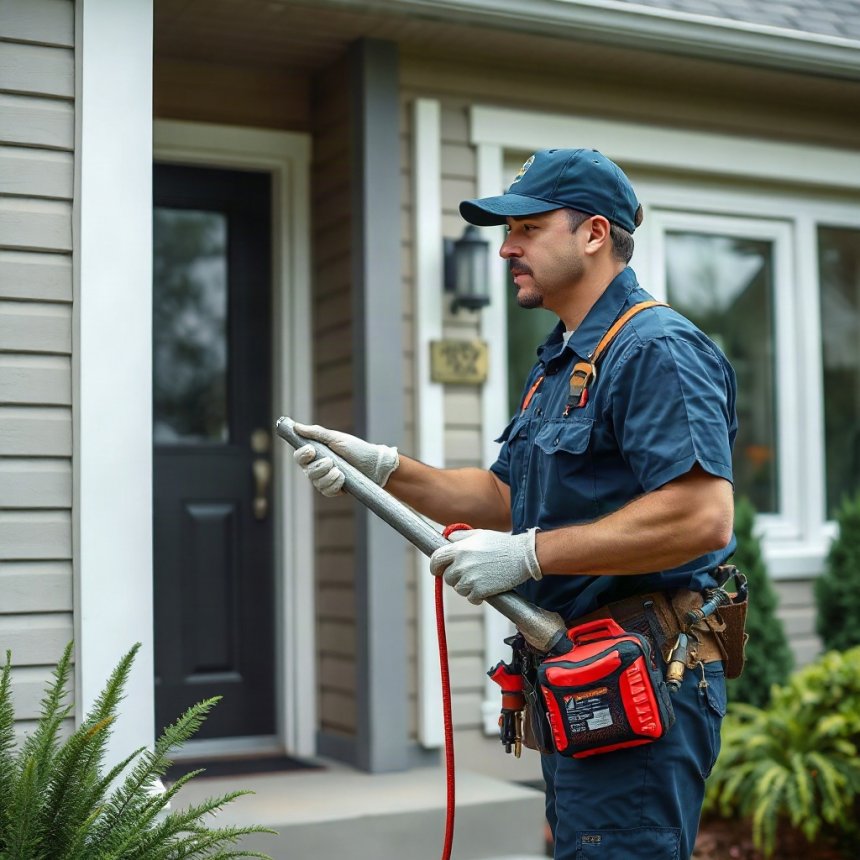
As a plumber with decades of hands-on experience working across Wayne County, I frequently help homeowners diagnose why their vintage plumbing system cannot keep up with modern water demands. Pinpointing the exact cause requires looking at everything from municipal supply lines to interior galvanized piping.
Common Culprits Behind Weak Flow in Vintage Systems
Low water pressure rarely happens for no reason. In older Detroit homes, several distinct mechanical and material issues typically account for the drop in performance:
1. Corroded Galvanized Steel Pipes
Many homes built before the mid-20th century were plumbed using galvanized steel pipes. Over decades of exposure to mineral-rich water, iron buildup, rust, and scale accumulate on the interior walls of these pipes. This gradual constriction chokes down the internal diameter of the plumbing, severely restricting the volume and pressure of water reaching your fixtures. If you notice pressure dropping specifically when multiple taps are running, pipe corrosion is a primary suspect.
2. Mineral Scale Buildup in Fixtures and Aerators
Hard water is a well-known fact of life across Southeast Michigan. Over time, calcium and magnesium deposits harden inside faucet aerators, showerheads, and cartridge valves. This localized blockage restricts water flow right at the point of use, making the entire house feel like it has low pressure when the issue is actually confined to individual fixtures.
3. Pressure Reducing Valve (PRV) Malfunctions
Many properties connected to the municipal Detroit water system feature a Pressure Reducing Valve (PRV) designed to protect indoor plumbing from excessively high city mains pressure. When these bell-shaped brass valves fail internally due to spring fatigue or sediment clogging, they can get stuck in a restrictive position, drastically dropping your home's water pressure.
4. Partially Closed Shut-Off Valves
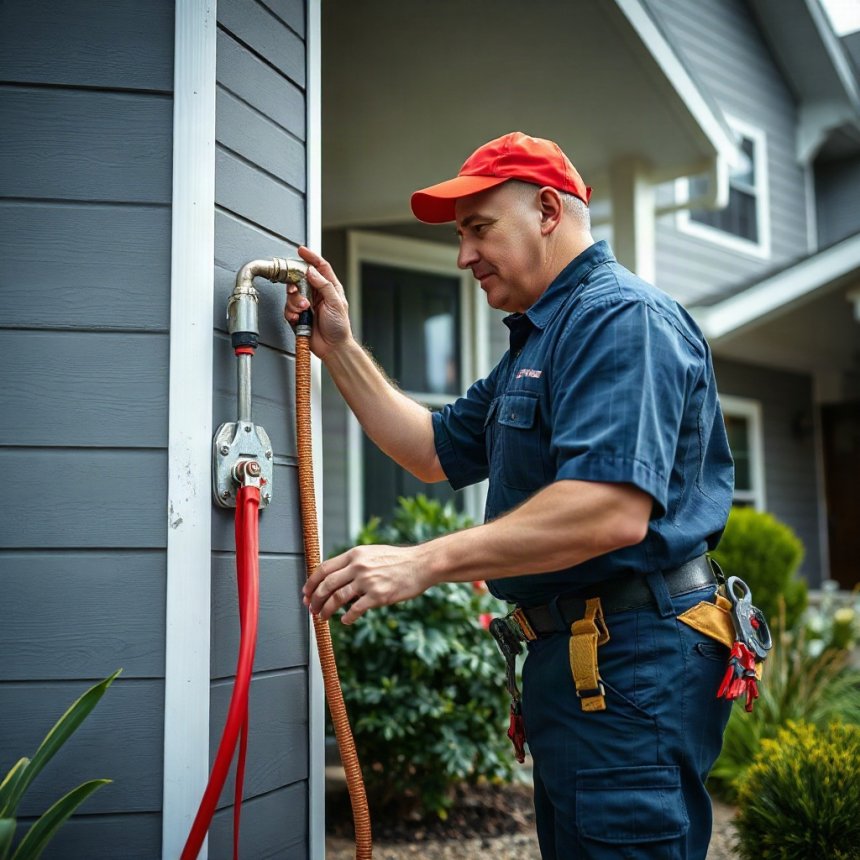
Sometimes the fix is remarkably simple. Main water shut-off valves—whether located near the water meter in the basement or outside near the foundation—can get bumped, partially closed during previous maintenance, or stripped internally, limiting the amount of water entering your home network.
Practical Troubleshooting Steps for Homeowners
Before calling for professional plumbing service, you can perform a few safe, systematic checks to isolate the source of the problem:
- Check Multiple Fixtures: Turn on faucets across different floors and rooms. If only one bathroom has weak pressure, the issue is likely localized to that aerator or supply line. If every tap in the house suffers from low flow, the problem originates upstream at the main supply or pressure regulator.
- Inspect Aerators and Showerheads: Unscrew the aerator tip from a sluggish kitchen or bathroom faucet. Look for gritty mineral debris or sediment flakes. Soak the component in a vinegar solution to dissolve buildup before reinstalling it.
- Examine the Main Shut-Off Valve: Locate your main water shut-off valve (typically in the basement near the front foundation wall where the water service enters). Ensure the valve handle is turned completely parallel to the pipe, which indicates it is fully open.
When to Call a Detroit Plumbing Professional
While clearing a clogged aerator is a straightforward DIY task, deeper issues require professional intervention. If your home still utilizes original galvanized steel supply piping, simple repairs will only offer temporary relief; a whole-house repiping project using modern PEX or copper lines may be necessary to restore full, reliable water volume.
Additionally, diagnosing a failing PRV or dealing with hidden leaks in underground supply lines requires specialized pressure gauges and diagnostic tools. Addressing these issues promptly protects your home from sudden pipe failures and ensures your vintage Detroit property functions reliably for years to come.
Conclusion
Low water pressure in older Detroit homes is rarely a mystery once you examine the age of the materials and the condition of the system valves. By understanding the common causes—ranging from mineral-clogged aerators to severely corroded galvanized pipes—you can take informed steps to diagnose the issue. Whether it is a simple fixture cleaning or a more comprehensive plumbing update, restoring proper water pressure makes daily routines vastly more comfortable and preserves the long-term integrity of your home's plumbing system.