Introduction: Restoring Flow to Historic Corktown
Corktown, Detroit, is known for its vibrant history, colorful Victorian homes, and bustling Michigan Avenue corridor. As Detroit’s oldest neighborhood, it blends charming residential streets with trendy new developments and restaurants. However, this unique character also means that much of the infrastructure, including the plumbing and sewer systems beneath the charming brickwork and streets, is decades old. Aging pipes are susceptible to buildup, root intrusion, and deterioration.
When you experience a slow drain in your kitchen sink or a major sewer backup in your basement, it’s more than a minor inconvenience—it disrupts your daily life and can cause unsanitary conditions. Homeowners and business owners in Corktown need a plumbing partner who understands the specific challenges of this historic area and can provide prompt, effective solutions.
At Plumber in Detroit, we are dedicated to serving the Corktown community with expert drain cleaning services. Whether it's a routine cleaning to prevent future issues or an emergency response to a stubborn blockage, our licensed and insured plumbers are Woodward Avenue’s trusted experts for restoring free-flowing drains.
What Is Professional Drain Cleaning?
Professional drain cleaning goes far beyond the capabilities of a standard plunger or a handheld chemical drain opener purchased at a hardware store. It is a systematic, mechanical approach to clearing blockages and thoroughly cleaning the interior walls of your pipes.
In older homes and buildings common in Corktown, professional service is essential. It utilizes specialized equipment designed to tackle tough clogs like tree roots in clay sewer lines, solidified grease in aging cast iron, and heavy mineral scale buildup. Professional services ensure that the entire blockage is removed, rather than just poking a small hole through it, which often leads to immediate recurrence.
Common situations requiring professional intervention in Corktown include:
-
Multiple slow drains occurring simultaneously (e.g., toilets, sinks, and tubs draining slowly).
-
Water backing up out of a drain when another fixture is used (e.g., water coming up in the shower when the washing machine runs).
-
Foul odors emanating from drains or crawlspaces.
-
Gurgling sounds coming from your drains, indicating trapped air struggling to escape.
Why Do Clogged Drains Happen in Corktown?
Understanding the root cause of a clog is the first step toward preventing it from happening again. In Corktown, several factors contribute to drain blockages:
Aging Infrastructure and Pipe Corrosion
Many original properties in Corktown still utilize cast iron or even clay piping for their main sewer lines. Over 50–80 years, these pipes corrode, rust, and develop rough interior surfaces. This roughness easily catches hair, food particles, and grease, leading to inevitable buildup and eventual blockages.
Tree Root Intrusion
Corktown is a leafy, established neighborhood with mature trees. While beautiful, these trees have aggressive root systems that constantly seek sources of water. Roots can infiltrate even microscopic cracks or loose joints in older sewer lines. Once inside, they grow rapidly, causing significant blockages and structural damage to the pipe.
Grease, Fat, and Oil Buildup (FOG)
A primary cause of kitchen sink clogs is FOG (Fats, Oils, and Grease). When poured down the drain as a liquid, it eventually cools and solidifies inside the pipe. Over time, this layer thickens, trapping other debris and causing a stubborn clog that standard snaking often struggles to fully clear.
Flushing Improper Items (The "Flushable" Wipe Myth)
Even in newer developments, sewer systems struggle with the modern convenience of disposable wipes. Despite marketing claims, "flushable" wipes do not break down like toilet paper. They combine with grease in the sewer system to create massive, solid blockages, often called "fatbergs." Feminine hygiene products and paper towels are also frequent culprits.
Signs You Should Never Ignore: When to Call for Drain Cleaning
Your plumbing system usually provides subtle warning signs before a complete failure occurs. Recognizing these early indicators can save you thousands in water damage restoration and emergency repair costs.
1. Slow Draining Fixtures
If your bathtub, kitchen sink, or bathroom basin takes longer than usual to empty, it means the pipe is partially obstructed. This is the earliest warning sign of buildup forming on the pipe walls.
2. Gurgling Drains
Hearing a bubbling or gurgling sound from your drains, particularly when another fixture (like a toilet) is flushed or when the washing machine drains, suggests air is trapped and struggling to escape past a blockage.
3. Foul Odors
Persistent unpleasant smells wafting up from your drains indicate trapped organic matter, food waste, or sewage buildup decomposing within the pipes.
4. Frequent Clogs
If you find yourself using a plunger or chemical cleaner weekly for the same toilet or sink, the underlying issue has not been resolved. Professional cleaning is required to properly clear the recurring blockage.
5. Fruit Flies or Drain Flies
These insects are attracted to the fermenting organic matter found in clogged or dirty drains. If you notice them hovering around your sinks, it’s a clear sign that it’s time for a thorough cleaning.
Common Plumbing Problems Related to Clogged Drains
When a blockage is ignored or improperly treated, it leads to interconnected issues within your plumbing system:
-
Pipe Leaks and Bursts: Severe clogs create immense pressure inside the pipes. This pressure, combined with the weakening effects of corrosion in older pipes, can cause joints to crack or the pipe walls to burst, leading to significant water damage within your Corktown home.
-
Sewer Line Backups: The most severe consequence of a neglected drain clog. When the main sewer line is blocked, wastewater from your entire home has nowhere to go but backward, often resulting in raw sewage flooding up through basement floor drains, showers, and toilets. This poses serious health hazards.
-
Slab Leaks: In homes built on a concrete slab foundation, a clog in the under-slab drainage system can cause pressurized water to leak beneath the foundation, eroding soil and potentially causing structural settling.
-
Fixture Damage: Overflowing toilets and sinks can ruin flooring, cabinets, baseboards, and drywall, necessitating expensive repairs beyond the plumbing itself.
Step-by-Step Professional Drain Cleaning Process
When you hire Plumber in Detroit for drain cleaning in Corktown, you can expect a methodical, clean, and highly effective process:
Step 1: Advanced Video Camera Inspection
We begin every drain cleaning service by inserting a specialized fiber-optic drain camera into the problem line. This allows our plumber to see exactly what is causing the clog (roots, grease, broken pipe) and determine the pipe's condition without guessing. This step is crucial for older Corktown pipes.
Step 2: Honest Diagnosis and Upfront Estimate
Once the issue is identified via the camera feed, we show you the problem, explain the findings clearly, and provide an honest, upfront estimate for the recommended drain cleaning service. We ensure you understand all options before any work begins.
Step 3: Targeted Cleaning Method Selection
Based on the diagnosis, we select the best tool for the job:
-
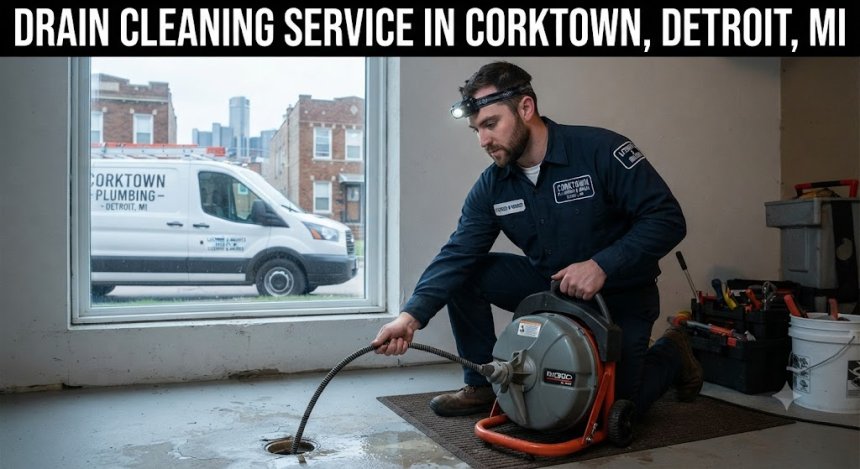
Motorized Drain Auger (Snaking): Effective for breaking through soft blockages, toilet paper clogs, and smaller tree root intrusions.
-
Hydro Jetting: For severe grease buildup, heavy scale, and extensive root intrusion in main sewer lines, we often recommend hydro jetting. This process uses high-pressure water (up to 4,000 PSI) to scour the pipe walls completely clean, effectively "resetting" the pipe to near-original diameter.
Step 4: Post-Cleaning Verification
After the cleaning process is complete, we run the video camera again to verify that the blockage is entirely removed and the pipe interior is clear. We also perform a flow test on all affected fixtures to ensure everything is draining perfectly.
Step 5: Site Cleanup and Prevention Advice
Our technicians respect your property. We ensure the work area is left clean and sanitized. We also provide practical guidance on maintenance and habits to help prevent future clogs.
Can You Fix It Yourself? DIY vs. Professional Services
Understanding your limits with DIY plumbing prevents minor inconveniences from turning into expensive emergencies.
Safe DIY Solutions for Minor Clogs
For simple, localized sink clogs (like hair in a bathroom sink), a plastic drain snake or a cup plunger can sometimes offer temporary relief. A mixture of baking soda and vinegar followed by hot water can also help with minor buildup in kitchen sinks.
When DIY Becomes Dangerous: Chemical Drain Cleaners
Plumber in Detroit strongly advises against using store-bought chemical drain cleaners. These products contain caustic acids or lye that generate immense heat and toxic fumes. While they may temporarily open a slow drain, they do not remove the full blockage, and they actively corrode older cast iron and PVC pipes, leading to premature pipe failure and leaks inside your walls.
When Professional Plumbing is Necessary
You must call a professional plumber for any main sewer line backup, multiple slow drains, gurgling sounds throughout the house, suspected tree root intrusion, or recurring clogs. Only professionals have the diagnostic equipment (cameras) and heavy-duty machinery (hydro jetters) required to provide a safe, long-term solution for these serious issues.
Tools Professionals Use
Professional plumbers carry specialized equipment that drastically improves repair speed, accuracy, and safety:
-
Fiber-Optic Drain Cameras: High-definition cameras fed into pipes to visually locate intrusions, bellied pipes, and severe clogs.
-
High-Pressure Hydro Jetting Machines: Industrial water blasters that scour pipe walls clean of grease and scale using up to 4,000 PSI of pressure.
-
Electric Sewer Augers (Snakes): Heavy-duty motorized cables with specialized cutting heads designed to bore through dense obstructions and root masses that homeowner tools cannot touch.
-
Electronic Pipe Locators: Transmitters used to map the exact underground path and depth of sewer lines before any digging is necessary.
How Long Does Professional Drain Cleaning Typically Take?
The time required depends entirely on the complexity of the clog and the accessibility of the pipes.
-
Simple Clogs: Clearing a single clogged toilet or kitchen sink trap using an auger typically takes 30 minutes to 1 hour.
-
Main Sewer Line Clearing: Clearing a mainline blockage using a motorized auger generally takes 1 to 2 hours.
-
Hydro Jetting Service: A comprehensive hydro-jetting service to scour a severely fouled line takes 2 to 4 hours, depending on the level of buildup and accessibility of the cleanout.
-
Emergency Response: Our emergency plumbers typically arrive at your Corktown location within a couple of hours of your call, with containment and diagnosis usually happening within minutes of arrival.
Cost Factors for Drain Cleaning in Detroit
Ethical plumbers provide pricing based on tangible variables rather than fixed, sight-unseen quotes over the phone.
-
Diagnostic Time: The time required to locate the problem and inspect the pipe via camera.
-
Severity and Type of Clog: Simple hair clogs require less time and equipment than dense tree root intrusions or hardened grease blockages.
-
Accessibility: The presence or absence of accessible cleanout ports significantly influences the labor required to access the plumbing system.
-
Method Required: High-pressure hydro jetting involves specialized setup and equipment compared to standard mechanical snaking.
-
Time of Service: After-hours, weekend, or holiday emergency dispatches generally carry a higher rate.
-
Property Type: Commercial properties may present unique access challenges compared to residential homes.
Plumbing repair costs vary depending on the severity of the problem, accessibility, materials required, emergency service, property type, and local labor rates.
Hidden Truths Homeowners Should Know
The plumbing industry has practical realities that every property owner should understand to protect their investment:
-
Small Leaks Become Expensive Repairs: A dripping faucet wastes thousands of gallons a year; a running toilet can waste that much in a month.
-
Chemical Cleaners Destroy Pipes: Store-bought drain acids melt the glue holding PVC pipes together and eat through aging cast iron.
-
Insurance Dislikes Neglect: Homeowner’s insurance frequently denies water damage claims if the leak was caused by long-term, neglected maintenance.
-
Tree Roots Always Return: If you simply snake a root-infested line, the roots will grow back thicker. Only hydro-jetting or pipe lining stops them long-term.
-
Hard Water Kills Appliances: Without a water softener or regular flushing, Detroit's hard water will cut your water heater’s lifespan in half.
-
Flushable Wipes Are a Lie: Plumbers make thousands of dollars a year extracting "flushable" wipes that do not dissolve in sewer lines.
-
DIY Fixes Rarely Hold: Rubber clamps and epoxy putty are temporary band-aids; municipal water pressure will eventually blow them off.
-
Mold Moves Fast: In South Florida's humidity, water from a leak will begin sprouting toxic mold inside your walls within 48 hours.
-
Annual Maintenance Saves Money: Paying for an annual camera inspection or water heater flush is vastly cheaper than paying for an emergency midnight flood repair.
-
Cheap Parts Cost More: Buying a $30 generic faucet cartridge usually results in a leak and a $200 repair bill a year later.
15 Common Mistakes Homeowners Make
Avoid these everyday errors to protect your plumbing infrastructure:
-
Ignoring Minor Leaks: Assuming a small drip under the sink isn't a big deal until the cabinet bottom rots out.
-
Flushing Wipes and Paper Towels: Treating the toilet like a trash can causes major sewer blockages.
-
Pouring Grease Down the Drain: Liquid cooking fat turns into a solid, impenetrable block of grease once it hits cold underground pipes.
-
Using Harsh Drain Chemicals: Opting for corrosive acids instead of a mechanical snake or plunger.
-
Ignoring Water Pressure Surges: Failing to install a pressure-reducing valve when municipal pressure spikes.
-
Hiring Unlicensed Handymen: Allowing uninsured workers to perform complex, unpermitted plumbing alterations.
-
Skipping Water Heater Flushes: Letting sediment bury and destroy the heating elements inside the tank.
-
Waiting for a Catastrophe: Delaying a service call for a slow drain until raw sewage backs up into the shower.
-
Mixing Pipe Materials Badly: Connecting copper directly to galvanized steel without a dielectric union, causing rapid galvanic corrosion.
-
Over-Tightening Fittings: Cranking down on plastic toilet valves or brass nuts until they crack under pressure.
-
Leaving Hoses Connected: Failing to disconnect garden hoses, leading to accelerated wear on the hose bib.
-
Burying Cleanouts: Landscaping over the main sewer access point, making emergency access impossible.
-
Overloading the Garbage Disposal: Shoving fibrous vegetable peels, eggshells, and coffee grounds into the disposal at once.
-
Ignoring Musty Smells: Writing off a damp odor as "old house smell" when it is actually an active hidden leak.
-
Not Knowing the Shut-Off Location: Panicking during a burst pipe because no one in the house knows where the main water valve is.
Maintenance Tips: Keep Your Drains Flowing Freely
Proactive care is the best way to avoid costly emergency drain cleaning services:
-
Use Drain Strainers: Install inexpensive mesh strainers in every sink, shower, and tub to catch hair, soap scum, and food particles before they enter the pipes.
-
Scrape Plates, Don't Rinse: Wipe excess grease and food scraps from plates into the trash before rinsing them in the sink.
-
Run Hot Water Weekly: Flush your kitchen and bathroom drains weekly with boiling water to help dissolve minor soap and grease buildup.
-
Use Enzyme Cleaners Monthly: Utilize eco-friendly enzymatic drain cleaners monthly to safely digest organic waste in the pipes without damaging them.
-
Never Flush Wipes: Even if labeled flushable, dispose of baby wipes, cleaning wipes, and hygiene products in the trash, not the toilet.
-
Dispose of Grease Properly: Never pour fats, oils, or grease down any drain. Collect them in a container and dispose of them in the solid waste bin.
-
Service Your Septic Tank (If Applicable): If your property uses a septic system, schedule regular pumping and inspections every 3–5 years to prevent solids from overflowing into the drain field.
-
RootX Treatments: If you have a history of tree root intrusion, ask us about annual RootX treatments to inhibit root growth inside the pipe without harming the tree.
-
Know Your Cleanouts: Locate your property’s main sewer cleanout access point before you have an emergency.
-
Schedule Annual Inspections: Have a trusted local plumber evaluate your system comprehensively once a year.
When Should You Call an Emergency Plumber?
Do not wait for regular business hours if you experience any of the following:
-
Active Flooding: A burst pipe or broken supply line pouring water into living spaces.
-
Sewage Backups: Wastewater coming up through floor drains, tubs, or toilets.
-
No Running Water: A complete loss of water supply to the property.
-
Uncontrollable Leaks: A leak you cannot stop because the main shut-off valve is broken or seized.
-
Gas Odors: If your plumber handles gas lines and you smell sulfur or rotten eggs, evacuate immediately and call for emergency assistance.
Frequently Asked Questions (FAQs)
Here are real search queries from homeowners and business owners in the Detroit area:
Why is my water pressure suddenly low?
Sudden low pressure usually indicates a failing pressure-reducing valve, a massive hidden leak, or heavy mineral scale buildup blocking the water lines.
How much does leak detection cost?
Costs vary based on the property size and technology needed, but professional detection is always cheaper than tearing down walls blindly to find a leak.
Can a clogged drain damage pipes?
Yes. Severe clogs trap corrosive chemicals and create massive back-pressure that