Introduction: Protecting Historic Homes in Indian Village
Indian Village is one of Detroit’s most architecturally stunning and historic neighborhoods, featuring magnificent early 20th-century Tudor, colonial, and craftsman homes nestled along tree-lined streets. Located in Wayne County near the Detroit River and neighborhoods like West Village and East English Village, properties here boast incredible character. However, this historic charm comes with hidden structural challenges, particularly beneath the lawn and basement floor. Aging clay and cast-iron sewer lines serving these grand estates are highly susceptible to root intrusion, shifting soils, and structural collapse.
When a main sewer line fails, homeowners face urgent nightmares like raw sewage backing up into basements, foul odors, and widespread unsanitary conditions. Property owners in Indian Village need a specialized plumbing partner who respects historic architecture while utilizing modern technology to resolve complex sewer failures swiftly. At Plumber in Detroit, operating near Woodward Avenue, we deliver expert sewer line repair and replacement services tailored to the unique infrastructure of Detroit’s historic communities.
What Is Sewer Line Repair?
Sewer line repair is the diagnostic, structural restoration, or complete replacement of the primary underground pipe responsible for carrying all wastewater from your home out to the municipal main sewer system in the street.
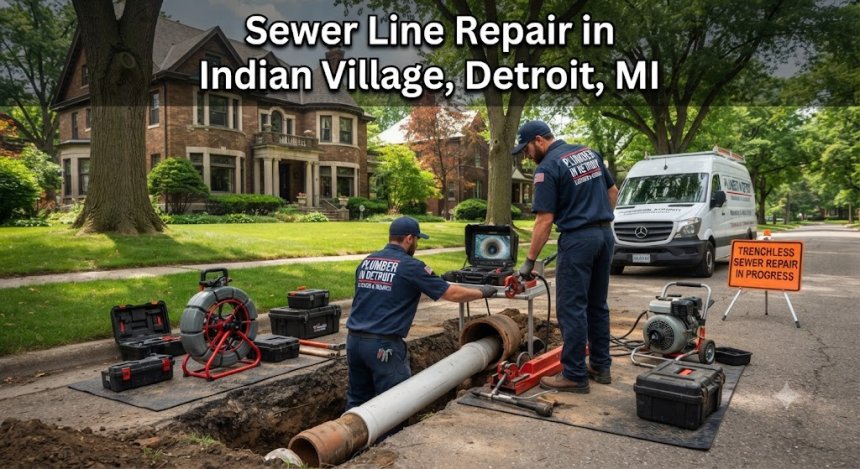
In established neighborhoods like Indian Village, standard DIY tools cannot address deep structural failures. Professional sewer repair involves heavy machinery, high-definition camera scoping, and advanced techniques like trenchless pipe lining or traditional excavation to fix cracked, bellied, or crushed pipes. Common situations requiring immediate professional intervention include complete household drainage failure, sinkholes forming on the front lawn, and persistent sewage backups that reoccur despite multiple mechanical snakings.
Why Does This Plumbing Problem Happen?
Sewer lines deteriorate over decades due to environmental stress, material aging, and biological factors. In Detroit, specific local conditions accelerate these major breaks:
-
Aggressive Tree Root Intrusion: Indian Village is famous for its mature, towering shade trees. These root systems constantly seek moisture, infiltrating microscopic cracks in older clay or cast-iron pipe joints, expanding, and eventually crushing the pipe completely.
-
Aging Pipe Materials: Many historic homes still rely on original orangeburg, clay tile, or aging cast-iron sewer lines that have far exceeded their 50-to-70-year structural lifespans.
-
Ground Movement and Soil Settlement: Freeze-thaw cycles and shifting sandy-clay soils in Southeast Michigan place immense pressure on rigid underground lines, snapping pipe joints or causing sections to sag (belly).
-
Grease and Solid Buildup: Decades of accumulated cooking grease, soap scum, and non-disintegrating hygiene products narrow the interior pipe diameter until complete blockages form.
-
Corrosion and Rust: Chemical reactions inside aging metal lines thin the pipe walls until sections disintegrate entirely under ground pressure.
Signs You Should Never Ignore
Your main sewer line usually provides distinct warning signs before it suffers a catastrophic structural collapse.
-
Multiple Simultaneous Clogs: When your toilets, showers, and kitchen sinks all back up or drain slowly at the same time, the problem is not a localized fixture clog; it is a main sewer line failure.
-
Gurgling Drains: Hearing a bubbling or gurgling sound from your toilet or tub when you run the washing machine indicates trapped air trying to escape past a major blockage in the sewer line.
-
Foul Sewage Odors: Persistent sulfur or raw waste smells lingering in your basement, crawlspace, or front lawn point to a cracked or vented sewer pipe.
-
Unexplained Soggy Patches on the Lawn: A patch of grass in your yard that remains bright green, spongy, or continuously wet even during dry weather indicates a leaking underground sewer line.
-
Basement Floor Drain Backups: Wastewater bubbling up through basement floor drains whenever you flush an upper-floor toilet or run laundry.
-
Foundation Cracks or Sinkholes: Severe sub-surface leaks wash away supporting soil under your property, causing ground settling, lawn sinkholes, or structural foundation shifts.
Common Plumbing Problems Related to This Issue
When a main sewer line fails, it triggers a cascade of secondary plumbing and structural emergencies throughout the property:
-
Severe Basement Flooding: Raw sewage and gray water inundating living or storage spaces.
-
Sub-Slab Pipe Leaks: Broken lines beneath concrete basement floors eroding foundational support.
-
Multiple Fixture Backups: Complete paralysis of household plumbing facilities.
-
Structural Water Damage: Rotting subfloors, ruined drywall, and warped baseboards caused by sewage overflows.
-
Mold Infestations: Rapid growth of toxic mold in damp basement environments following a backup.
Step-by-Step Professional Repair Process
A licensed plumbing contractor approaches a damaged sewer line with a precise, engineering-backed methodology to protect your property and landscaping.
-
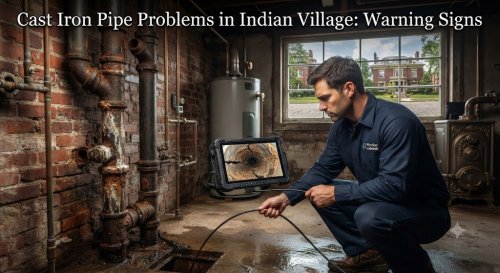
Step 1 Inspection: The plumber deploys a high-definition fiber-optic camera down the cleanout to visually inspect the interior of the line and locate the exact damage point.
-
Step 2 Diagnosis: The technician maps the depth and surface path of the problem using electronic locators, determining whether spot repair, trenchless lining, or full replacement is required.
-
Step 3 Estimate: You receive a transparent, itemized estimate outlining the proposed repair method, materials, and labor scope before any physical work begins.
-
Step 4 Repair: The professional executes the fix—clearing blockages with hydro-jetting, installing a structural trenchless liner, or excavating and replacing damaged pipe sections.
-
Step 5 Testing: Water is flushed through the system, and a post-repair camera scope is performed to verify absolute structural integrity and optimal drainage flow.
-
Step 6 Cleanup: The work area, basement, or excavation site is thoroughly backfilled, leveled, cleaned, and sanitized.
-
Step 7 Maintenance Advice: The technician provides expert guidance on preventing future root intrusions and maintaining your newly restored line.
Can You Fix It Yourself?
Attempting DIY repairs on a main sewer line is impossible and highly dangerous. Homeowners can safely clear minor sink clogs with a plunger, but a main sewer line is buried feet underground and handles high volumes of toxic waste.
Pouring harsh chemical store-bought drain cleaners down your drains will not dissolve tree roots or cracked cast iron; instead, these acids sit in the broken pipe, creating severe chemical burn hazards for professionals who must later excavate the line. Professional licensing, heavy machinery, and specialized trenchless equipment are mandatory for any main sewer repair.
Tools Professionals Use
Professional plumbing teams invest in heavy-duty commercial equipment to ensure absolute accuracy and minimal property destruction:
-
Fiber-Optic Sewer Cameras: Waterproof color cameras mounted on flexible push rods that transmit real-time video of pipe interiors.
-
Electronic Pipe Locators: Surface receivers that pick up radio frequencies emitted by downhole transmitters, mapping exact pipe depths and locations.
-
High-Pressure Hydro Jetters: Industrial water pumps delivering up to 4,000 PSI to pulverize tree roots and scour pipe walls clean.
-
Trenchless Pipe Lining Equipment: Epoxy resin bladders and inversion kits that create a brand-new, seamless pipe inside the old damaged line without digging up historic lawns.
-
Heavy Excavation Machinery: Compact backhoes and trenchers utilized when traditional pipe replacement is structurally necessary.
How Long Does the Repair Usually Take?
Timelines depend heavily on the severity of the damage and the repair method selected.
Diagnostic camera inspections and minor mainline clearing take 1 to 2 hours. Trenchless sewer lining repairs typically take 1 to 2 days from start to finish with minimal disruption to your landscaping. Major traditional excavations requiring the replacement of a full sewer lateral from the house to the municipal street in Indian Village generally take 2 to 4 days, depending on city permitting and depth requirements.
Cost Factors
Ethical plumbing companies price sewer repairs transparently based on physical variables rather than arbitrary numbers.
-
Depth and Accessibility: Deeper lines or lines running beneath paved driveways and mature landscaping require more labor to access.
-
Length of Pipe Damaged: Spot repairs on a single cracked joint cost significantly less than a full property repipe or lateral replacement.
-
Repair Method: Trenchless epoxy lining eliminates costly lawn and driveway reconstruction, though upfront equipment costs differ from traditional dig-and-replace methods.
-
Permit and Municipal Fees: Working on sewer connections tied into public mains requires City of Detroit permits and municipal inspections.
-
Severity of Obstruction: Heavy root mats or collapsed pipe segments require specialized cutting and extraction labor.
Plumbing repair costs vary depending on the severity of the problem, accessibility, materials required, emergency service, property type, and local labor rates.
Hidden Truths Homeowners Should Know
The plumbing industry operates on practical realities that every historic homeowner must keep in mind:
-
Small Leaks Become Expensive Repairs: A minor slow drain ignored today turns into a collapsed main line and a flooded basement tomorrow.
-
Cheap Temporary Fixes Fail: Renting a standard hardware store snake only pokes a tiny hole through tree roots; they will grow back thicker within weeks.
-
Insurance Dislikes Neglect: Homeowner's insurance policies routinely deny water damage claims if the failure was caused by long-term, unaddressed pipe deterioration.
-
Tree Roots Always Return: Without hydro-jetting, root barriers, or structural epoxy lining, roots will continually breach old clay joints.
-
Hard Water Accelerates Wear: Mineral scale buildup weakens internal pipe walls over decades of continuous exposure.
-
Flushable Wipes Are Destructive: Non-disintegrating wipes catch on root fibers, forming massive underground blockages.
-
DIY Fixes Increase Costs: Using chemical acids or improper tools often worsens pipe cracks, inflating eventual professional repair bills.
-
Mold Develops Quickly: In humid Michigan basements, sewage moisture spawns toxic mold colonies within 48 hours.
-
Hidden Leaks Spike Utility Bills: An undetected underground break can quietly inflate your municipal water usage metrics.
-
Annual Maintenance Saves Money: Scheduling annual camera inspections is dramatically cheaper than paying for an emergency excavation.
15 Common Mistakes Homeowners Make
-
Ignoring Slow Drains: Waiting until total system backup occurs before calling a professional.
-
Using Chemical Drain Openers: Pouring corrosive acids that damage aging pipes and endanger technicians.
-
Flushing Wipes and Paper Towels: Treating toilets like trash bins for "flushable" consumer goods.
-
Pouring Grease Down Kitchen Drains: Disposing of cooking fats that solidify inside main sewer lines.
-
Planting Trees Too Close to Lines: Positioning large maples or oaks directly over lateral sewer paths.
-
Hiring Unlicensed Handymen: Allowing uninsured workers to perform unpermitted underground plumbing alterations.
-
Skipping Camera Inspections: Buying a historic home without scoping the sewer line first.
-
Delaying Emergency Calls: Allowing raw sewage to sit in basements while waiting for regular weekday hours.
-
Mixing Incompatible Pipe Materials: Attempting makeshift connections between cast iron and modern PVC.
-
Over-Tightening Cleanout Plugs: Cranking down plastic access caps until they crack and leak sewer gas.
-
Failing to Locate Cleanouts: Burying outdoor access points under dense garden landscaping.
-
Overloading Garbage Disposals: Flushing heavy vegetable waste and fibrous peels down the drain.
-
Ignoring Musty Basement Smells: Writing off sewer gas odors as old-house characteristics.
-
Not Knowing Main Shut-Off Locations: Panicking during a water emergency because the valve location is unknown.
-
Skipping Preventive Hydro-Jetting: Neglecting routine cleaning for lines prone to heavy root intrusion.
Maintenance Tips
-
Schedule Annual Camera Scopes: Have a professional inspect your Indian Village sewer line every year to catch root intrusion early.
-
Install Root Inhibitors: Utilize professional root-growth barrier treatments annually if mature trees surround your property.
-
Watch What You Flush: Strictly limit toilet contents to human waste and standard toilet paper.
-
Scrape Kitchen Plates: Wipe grease and heavy food scraps into the trash before washing dishes.
-
Know Your Cleanout Location: Keep your outdoor sewer cleanout accessible and clear of heavy mulch or paving stones.
-
Use Enzyme Treatments: Flush monthly doses of eco-friendly bio-enzymatic cleaners down your drains to break down organic buildup safely.
-
Inspect Basement Drains: Check floor drains regularly to ensure they remain clear and free of debris.
-
Monitor Water Meter Usage: Watch for unusual spikes in your water consumption when all indoor fixtures are turned off.
-
Protect Pipes from Freezing: Insulate exposed basement or crawlspace pipes ahead of severe Detroit winter freezes.
-
Avoid Chemical Acids: Never use harsh store-bought liquid drain openers on aging historic plumbing systems.
-
Clean Sump Pumps: Test and clear your basement sump pump system quarterly to prevent storm backup flooding.
-
Mind Your Landscaping: Avoid planting high-thirst trees near the known path of your underground sewer lateral.
-
Address Drips Immediately: Fix minor fixture drips before they add excess volume to your drainage lines.
-
Educate Household Members: Ensure everyone in the home understands proper waste disposal guidelines.
-
Partner with Local Experts: Establish a relationship with a trusted Detroit plumbing team for routine seasonal upkeep.
When Should You Call an Emergency Plumber?
Call an emergency plumber immediately if you experience active sewage backing up through your basement floor drains, a complete structural collapse of your main sewer line halting all household drainage, severe indoor flooding, or an uncontrollable water supply leak that threatens your home's foundation. Immediate action prevents catastrophic property damage and health hazards.
Frequently Asked Questions
-
Why is my water pressure suddenly low? Sudden pressure drops usually point to a failing pressure-reducing valve, a massive hidden supply leak, or severe internal pipe corrosion.
-
How much does leak detection cost? Costs vary based on property size and technology required, but professional detection is always cheaper than blind excavation.
-
Can a clogged drain damage pipes? Yes. Severe clogs create intense back-pressure and trap corrosive substances that crack aging pipe joints.
-
Is hydro jetting safe for old pipes? A licensed plumber must perform a camera inspection first to verify that older cast-iron or clay walls are thick enough to handle high-pressure water.
-
How do I know if my sewer line is broken? Key indicators include multiple slow drains, gurgling toilets, foul sewage odors, and wet patches on your lawn.
-
How long do water heaters last? Standard tank water heaters last 8 to 12 years, while tankless models can endure up to 20 years with proper maintenance.
-
Why does my faucet drip? Dripping is typically caused by a worn-out rubber O-ring, degraded washer, or damaged internal ceramic cartridge.
-
What causes pipes to burst? Pipes burst primarily from extreme water pressure, heavy internal corrosion, or physical trauma from shifting soils and freezing temperatures.
-
Can plumbing leaks increase my water bill? Absolutely. A continuously running toilet or hidden leak can waste hundreds of gallons daily, drastically inflating utility costs.
-
When should I replace plumbing instead of repairing it? If your historic home features original galvanized steel lines or repeatedly failing cast-iron sewer sections, a complete repipe is the safest, most cost-effective long-term solution.
Why Choose Our Plumbing Company
When you need dependable sewer line repair in Indian Village or surrounding Detroit neighborhoods, you need a team that understands historic properties. We provide experienced licensed plumbers, honest recommendations without high-pressure sales, upfront pricing estimates, rapid response times from our Woodward Avenue base, 24/7 emergency availability, quality commercial-grade workmanship, modern trenchless equipment, and deep local expertise tailored to Detroit's unique infrastructure.