Introduction: Restoring Comfort to Your Historic Boston Edison Home
The Boston Edison Historic District is one of Detroit’s most prestigious neighborhoods, featuring magnificent homes that showcase a rich architectural history. Residents here take immense pride in maintaining the grandeur and comfort of their properties. However, living in a historic home also means contending with aging infrastructure, particularly when it comes to essential utilities like your home’s hot water supply.
Nothing disrupts the comfort of a beautiful Boston Edison residence faster than a failing water heater. Whether you are dealing with a leaking tank causing damage to your basement or simply find yourself taking increasingly shorter, lukewarm showers, a broken water heater is an urgent problem.
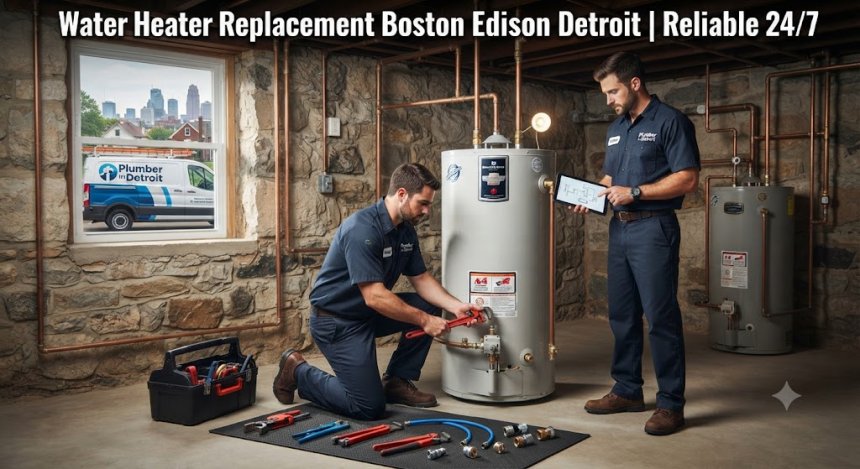
When your unit is beyond repair, you need a prompt, professional, and reliable water heater replacement in Boston Edison, Detroit. At Plumber in Detroit, located conveniently near Woodward Avenue, we specialize in upgrading the plumbing systems of historic homes. We understand the unique challenges these properties present and are dedicated to providing seamless, high-efficiency installations that respect your home while restoring your modern comforts. Don't let a cold shower ruin your day; call our expert team for a fast, trustworthy assessment.
What Is Water Heater Replacement?
Water heater replacement is the comprehensive process of safely removing an old, inefficient, or broken water heater and installing a new, fully functional unit in its place. This service goes beyond simply swapping out equipment; it involves ensuring the new system is properly sized for your home’s demand, correctly connected to existing gas, electric, and water lines, and fully compliant with current Detroit municipal plumbing codes and safety standards.
In the Boston Edison district, replacements often involve upgrading outdated systems—such as converting an old standard atmospheric vent gas heater to a modern high-efficiency unit or even transitioning to a tankless water heater to save space and improve energy efficiency. Professional replacement ensures not only a reliable supply of hot water but also protects your home from potential hazards like gas leaks, carbon monoxide buildup, or catastrophic water damage from a burst tank.
Why Do Water Heater Problems Happen?
Water heaters work tirelessly 24 hours a day, seven days a week, storing or rapidly heating gallons of water. This constant duty cycle, combined with environmental factors, inevitably leads to wear and tear. In Detroit, specific local conditions often accelerate these issues:
1. Aging Infrastructure and Corrosion
The lifespan of a traditional tank water heater is typically 8 to 12 years. Many homes in Boston Edison still rely on older units that have exceeded this lifespan. Over time, the steel tank corrodes, eventually leading to pinhole leaks that cannot be repaired. While the sacrificial anode rod is designed to slow this process, once it is depleted, the tank walls begin to rust rapidly.
2. Sediment Buildup from Hard Water
Detroit’s municipal water supply is considered moderately hard, meaning it carries a high mineral content, primarily calcium and magnesium. When water is heated, these minerals precipitate out and settle at the bottom of the tank. This sediment layer insulates the water from the heating element (in electric heaters) or the burner (in gas heaters), forcing the unit to work harder and longer to achieve the desired temperature. This overheating weakens the tank liner, causing it to crack and leak. Sediment buildup is also the primary cause of rumbling or popping noises coming from your water heater.
3. Failure of Component Parts
Before the tank itself fails, various critical components can break down. These include:
-
Thermostats: Failure leads to water that is either too cold or dangerously hot.
-
Heating Elements: Burned-out elements in electric heaters mean no hot water.
-
Pressure Relief Valve (T&P Valve): If this critical safety valve fails to open under excessive pressure, the tank can rupture. Often, the valve itself fails and begins to leak.
-
Thermocouple and Gas Control Valve: In gas water heaters, these components control the pilot light and gas flow. If they fail, the pilot light won't stay lit, and you won't have hot water.
Signs You Should Never Ignore: When to Replace Your Water Heater
Knowing when to replace your water heater versus attempting a repair can save you money and prevent a major emergency in your Boston Edison home.
-
Age of the Unit: Check the serial number on the manufacturer’s label to determine the age. If your tank heater is more than 10 years old, it is approaching the end of its reliable life, and you should start planning for replacement.
-
Rusty Water: If the hot water coming from your faucets is brown, reddish, or yellow, it is a strong indicator that the interior of your steel tank is rusting. This problem is irreversible and means a leak is imminent.
-
Inconsistent Water Temperature: If your showers fluctuate between hot and cold, or if you run out of hot water much faster than you used to, it suggests the heating elements are failing or sediment buildup has significantly reduced the usable capacity of the tank.
-
Water Leaks Around the Base: Any moisture or pooling water around the base of the tank is a serious warning sign. While it could be a loose connection, it is often a crack in the tank itself, requiring immediate replacement to prevent severe water damage to your home.
-
Strange Noises: Rumbling, banging, or popping sounds indicate heavy sediment buildup, which causes the tank bottom to overheat and signals impending failure.
-
High Energy Bills: If your gas or electric bills have increased unexpectedly, your older water heater may be struggling with inefficiency due to scaling. Replacing it with a modern, high-efficiency model can lead to significant long-term savings.
Common Plumbing Problems Related to This Issue
A failing water heater rarely exists in isolation. The problems associated with it often impact other areas of your home’s plumbing system:
-
Water Damage and Mold Growth: A leaking tank can quickly saturate basement flooring, drywall, and wooden structural elements, creating an ideal environment for toxic mold to develop.
-
High Pressure Spikes: A malfunctioning T&P valve or overheating thermostat can create dangerous pressure buildup, putting extreme stress on all the hot water pipes throughout your historic home, potentially causing leaks in harder-to-reach areas.
-
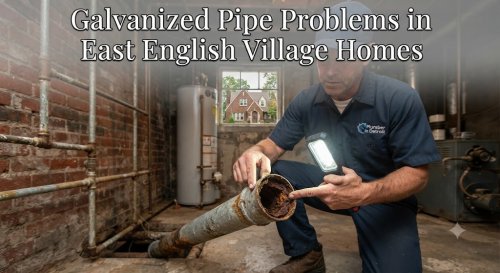
Corroded Pipes: As the water heater and its connections corrode, this rust can travel through your hot water lines, leading to discolored water at fixtures and accelerated corrosion of brass valves and galvanized steel pipes.
Step-by-Step Professional Water Heater Replacement Process
When you choose Plumber in Detroit for your water heater replacement in Boston Edison, you get a team that executes a precise, code-compliant installation:
Step 1: Initial Assessment and Sizing Before recommending a replacement, we assess your household’s hot water demand based on the number of bathrooms and occupants in your historic home. We ensure the new unit—whether a traditional tank or a tankless model—is correctly sized to provide an ample supply of hot water efficiently.
Step 2: Draining and Disconnection We safely shut off the power supply (electric) or gas line and water supply to the old unit. Using specialized hoses, we drain the remaining water from the tank, often using a pump to expedite the process and protect your home’s flooring.
Step 3: Removal of the Old Unit Once drained, the old, heavy tank is disconnected from the plumbing and venting systems and carefully removed from the property, ensuring no damage occurs to doorways or stairs, which is especially important in older homes.
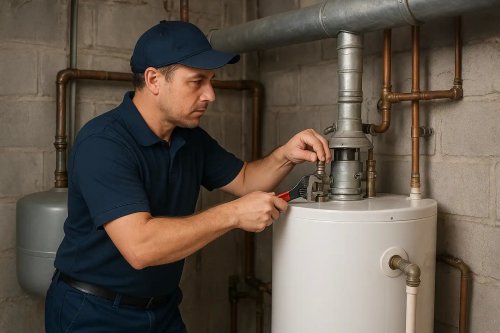
Step 4: Installation of the New Water Heater The new unit is positioned and leveled. Our licensed plumbers then reconnect the hot and cold water lines, the gas line (using a new flex line and sediment trap for safety) or electrical conduit, and the venting system (ensuring proper draft and clearance for gas units).
Step 5: Expansion Tank and Safety Upgrades We always bring installations up to modern code. This often includes installing or replacing a thermal expansion tank (required on closed-loop systems to protect the tank from pressure spikes) and ensuring the T&P discharge line is correctly piped to a safe location.
Step 6: Filling and Testing We fill the new tank with water, carefully checking for any leaks at the new connections. For gas units, we perform a rigorous gas leak test. For electric units, we ensure all wiring is secure before turning on the power. Once full, we test the thermostat settings and verify the unit is heating properly.
Step 7: Cleanup and Old Unit Disposal We remove all packaging and materials from the job site, leaving your basement cleaner than we found it. We haul away the old water heater unit for responsible recycling.
Can You Fix It Yourself? DIY vs. Professional Services
Understanding the limits of do-it-yourself plumbing is critical for safety and ensuring your home’s systems remain code-compliant.
Safe DIY Maintenance
Homeowners can safely perform basic maintenance tasks. For example, you should learn how to manually test the T&P relief valve once a year to ensure it operates correctly. You can also drain a few gallons of water from the drain valve annually to reduce sediment buildup, provided you exercise caution with scalding water.
Why DIY Water Heater Replacement is Dangerous
Plumber in Detroit strongly advises against attempting a DIY water heater replacement. This is not a beginner-level project.
-
Gas Leaks and Explosions: Incorrectly connecting a gas line or failing to properly seal it can lead to catastrophic gas leaks, posing a severe explosion and fire risk for your family and historic home.
-
Carbon Monoxide Poisoning: Improperly installed or sealed venting systems can allow deadly carbon monoxide gas to backdraft into your living spaces.
-
Electrical Hazards: Working with 240-volt electrical connections near water creates a lethal electrocution risk.
-
Scalding and Flooding: Mishandling the draining process or making a faulty connection during installation can result in severe burns or flood your basement, causing extensive damage.
-
Building Codes and Warranties: Incorrect installation often violates local Detroit building codes and will void the manufacturer’s warranty on the new unit, leaving you unprotected if it fails prematurely.
For safety and peace of mind, always rely on a licensed professional for water heater replacement.
Tools Professionals Use
Professional plumbers rely on specialized equipment to ensure a safe, efficient, and code-compliant installation:
-
Heavy-Duty Hand Trucks and Dollies: Essential for safely maneuvering heavy water heaters out of basements and utility closets.
-
Pipe Wrenches and Channel Locks: Various sizes are needed to disconnect and reconnect old plumbing fittings and gas lines securely.
-
Gas Sniffers (Combustible Gas Leak Detectors): Critical safety tools used to check every gas connection for leaks before leaving the job site.
-
Multimeters: Used to verify correct voltage and wiring integrity for electric water heater installations.
-
Tubing Cutters and Flaring Tools: Precision tools used to modify and connect copper water lines cleanly.
-
Propane Torches and Solder: Traditional tools used for sweating copper fittings to create reliable, permanent connections.
-
Drain Hoses and Submersible Pumps: Used to drain tanks quickly and safely, especially in basements without convenient floor drains.
-
Manometers: Instruments used to measure and verify correct gas pressure, ensuring the new water heater operates at peak efficiency and safety.
How Long Does the Replacement Usually Take?
While emergency situations require immediate response, a standard water heater replacement follows a predictable timeline:
-
Scheduling and Assessment: We aim to dispatch a plumber for an assessment quickly, often on the same day you call.
-
Standard Replacement: For a straightforward swap-out of a traditional tank heater (gas or electric) in an accessible basement, the installation typically takes 3 to 5 hours from arrival to cleanup.
-
Complex Installations: If the replacement involves code upgrades (like new venting), converting fuel types, moving the unit's location, or installing a complex tankless system, the job may take 6 to 8 hours or potentially spill into a second day.
-
Emergency Dispatch: Our emergency response team is available 24/7 in the Detroit area to secure your home, shut off failing systems, and schedule the prompt replacement of your water heater.
Cost Factors
Ethical plumbing companies do not provide fake "fixed" prices over the internet because every home's situation is unique. The final cost of your water heater replacement in Boston Edison will depend on several variables:
-
Type of Water Heater: Tankless water heaters generally cost more upfront for the unit and labor compared to standard tank-style heaters.
-
Fuel Type and Efficiency: High-efficiency gas condensing units or electric heat pump water heaters are more expensive than standard efficiency models, though they save money on energy bills over time.
-
Installation Complexity and Code Upgrades: This is a major factor, especially in historic homes. Costs increase if we need to update venting, install a new expansion tank, upgrade gas lines to meet current BTU requirements, or bring outdated wiring up to code.
-
Permit Fees: Required City of Detroit permits and inspections add to the total cost but ensure a legal, safe installation.
-
Accessibility: A water heater located in a tight crawlspace or a finished closet with difficult access requires more labor time than one in an open, unfinished basement.
-
Size and Capacity: Larger capacity tanks (e.g., 75-gallon or 80-gallon) are more expensive than standard 40- or 50-gallon tanks.
Plumbing repair costs vary depending on the severity of the problem, accessibility, materials required, emergency service, property type, and local labor rates.
Hidden Truths Homeowners Should Know
Understanding these practical realities of water heater ownership in an older home can save you thousands of dollars and significant stress:
-
Sediment is the Silent Killer: Even if your water heater seems fine, if it's more than 5 years old in the Detroit area, it has likely accumulated significant scale at the bottom of the tank. This causes overheating, hidden damage to the glass lining, and eventual failure. An annual flush is essential maintenance.
-
Don't Wait for Total Failure: Replacing a water heater on your own terms—before it bursts—is infinitely better than dealing with 50 gallons of rusty water flooding your basement at 2 AM on a holiday weekend.
-
Installation Quality Matters Most: A top-of-the-line, high-efficiency water heater will fail prematurely if it is installed incorrectly. Conversely, a standard unit installed perfectly by a licensed professional will often outlast its warranty.
-
Code Compliance is Not Optional: If you sell your home, a DIY or unpermitted water heater installation will be flagged during inspection, potentially derailing the sale until expensive retrofits are completed by a licensed professional.
-
Anode Rod Inspection is Crucial: The sacrificial anode rod protects the steel tank from rusting. In hard water areas, this rod corrodes quickly. Having it inspected and replaced halfway through the water heater's life can double the tank's lifespan.
-
Tankless Isn't Always Cheaper: While tankless heaters save energy and space, they often require upgrading your home’s gas line or electrical service to meet their high demand, significantly increasing the initial installation cost.
15 Common Mistakes Homeowners Make
Avoid these frequent missteps to protect your water heater investment:
-
Ignoring the First Sign of Rust: Hoping rusty water will clear up instead of calling a plumber immediately.
-
Choosing the Wrong Size: Installing a smaller tank to save money, only to run out of hot water daily.
-
Neglecting Annual Maintenance: Failing to flush the tank, leading to premature sediment buildup and failure.
-
Turning the Thermostat Too High: Setting the temperature above 120°F wastes energy, increases scalding risk, and accelerates tank scaling.
-
Attempting DIY Installation: Risking gas leaks, CO poisoning, and voiding warranties to save on labor costs.
-
Ignoring a Leaking T&P Valve: Assuming a slow drip is normal instead of a sign of dangerous pressure or valve failure.
-
Skipping the Expansion Tank: Failing to install this required safety device, putting constant pressure stress on the tank.
-
Using Old Venting for a New Heater: Reusing old, potentially corroded venting that doesn't match the new unit's specifications.
-
Placing the Unit in an Unsafe Location: Installing a gas water heater where flammable vapors are present (like near a garage workshop).
-
Failing to Insulate Pipes: Not insulating hot water pipes, leading to heat loss and longer waits for hot water at the tap.
-
Installing an Obsolete Model: Buying an older, less efficient model that is being phased out by new energy standards.
-
Relying on Store-Bought Patches: Trying to fix a leaking tank with epoxy or sealants; the pressure will always blow them out.
-
Not Knowing Where the Shut-Off Is: Fumbling to find the gas or water shut-off during an emergency.
-
Forgetting to Check the Anode Rod: Letting the tank corrode from the inside out by never inspecting or replacing the anode rod.
-
Ignoring Strange Noises: Treating popping sounds as a quirk of an old house rather than a cry for help from your water heater.
Maintenance Tips: Extend the Life of Your New Water Heater
Proper care maximizes the lifespan and efficiency of your investment, especially important in our hard-water area:
-
Annual Flushing: Schedule an annual professional flush to remove sediment buildup, particularly important in Boston Edison's historic homes with older plumbing.
-
Test the T&P Valve: Manually lift the lever on the temperature and pressure relief valve once a year to ensure it snaps shut and hasn't seized.
-
Inspect the Anode Rod: Have a plumber check the condition of the sacrificial anode rod every 3-5 years and replace it if it's heavily corroded.
-
Lower the Temperature: Set your water heater thermostat to 120°F for optimal safety and energy efficiency.
-
Keep the Area Clear: Maintain at least two