Complete Guide to Drain Cleaning Service in Woodbridge, Detroit, MI
Dealing with a stubbornly clogged sink or an overflowing shower drain can instantly disrupt your entire day. For property owners in the historic, architecturally rich neighborhood of Woodbridge, Detroit, older plumbing infrastructure combined with mature neighborhood trees creates unique drainage challenges. Whether you live in a classic Victorian home off Grand River Avenue or manage a commercial property near Wayne State University, understanding how your plumbing drainage system operates and when to call a professional drain cleaning service is vital. Plumber in Detroit offers prompt, reliable plumbing solutions throughout Wayne County and surrounding areas, helping local residents prevent minor slow drains from turning into expensive property damage.
What Is Drain Cleaning Service?
A professional drain cleaning service is the systematic process of clearing out accumulated grease, hair, soap scum, scale, and foreign debris from residential or commercial plumbing drain lines.
Common situations requiring this service include kitchen sinks that refuse to empty while running the dishwasher, toilets that gurgle when bathroom sinks drain, and basement floor drains backing up during heavy laundry loads. For example, if your bathtub fills with dirty water every time you wash clothes, your secondary branch lines or main sewer stack are severely rest
ricted. Ignoring these warning signs can lead to structural water damage and unsanitary living conditions, making timely intervention by an expert Detroit plumber essential.
Why Does This Plumbing Problem Happen?
Drains do not clog overnight. They typically fail or slow down due to a combination of physical misuse, environmental factors, and progressive material wear over time.
-
Aging Pipes: Historic homes in Woodbridge often feature aged cast iron or galvanized steel plumbing that develops internal rough scaling and corrosion, catching debris easily.
-
Corrosion: Rusted interior pipe walls trap hair, grease, and soap particles, drastically narrowing the effective diameter of the pipe.
-
Tree Roots: Underground sewer and drain lines can be invaded by aggressive root systems seeking moisture through microscopic cracks or loose pipe joints.
-
Hard Water: Mineral deposits from Michigan's water supply precipitate inside pipes, creating hard scale layers that restrict wastewater flow.
-
Improper Disposal: Pouring cooking oils, coffee grounds, and starchy foods down kitchen sinks, or flushing wet wipes and paper towels, forms impenetrable blockages.
-
Structural Settling: Ground movement and freeze-thaw cycles in Detroit winters can cause underground waste pipes to shift or sag, creating areas where sludge accumulates.
Signs You Should Never Ignore
Recognizing early warning signs gives you the chance to schedule a routine cleaning before a total plumbing failure occurs:
-
Slow Drains: When multiple plumbing fixtures empty sluggishly, the restriction is usually deep in the main drainage system rather than a single sink trap.
-
Gurgling Drains: Bubbling sounds or air burps escaping from your toilet or bathtub when another fixture runs mean trapped air is struggling to vent past a blockage.
-
Foul Odors: Persistent sulfur or sewage smells coming up from bathroom and kitchen drains indicate decomposing organic waste trapped inside the line.
-
Water Backups: Wastewater surfacing in basement floor drains or lower-level showers points directly to a major blockage in the main drain line.
-
Pest Attraction: Accumulated organic waste inside clogged lines invites drain flies, gnats, and rodents into your living spaces.
Common Plumbing Problems Related to This Issue
When water cannot exit a building freely through the drainage system, hydrostatic pressure builds up and triggers a cascade of secondary plumbing emergencies.
-
Pipe Leaks: Excessive pressure or trapped standing water can force joints apart, resulting in hidden leaks behind walls or beneath floors.
-
Sewer Backups: Raw sewage forcing its way backward into home fixtures during peak usage times.
-
Fixture Damage: Overflowing water ruins bathroom vanities, hardwood flooring, and baseboards.
-
Water Heater Strain: Backed-up systems can stress connected appliances, leading to premature water heater or washing machine drainage failures.
Step-By-Step Professional Repair Process
When you call Plumber in Detroit for a comprehensive drain cleaning service, our licensed technicians follow a structured, proven approach to restore normal flow safely.
-
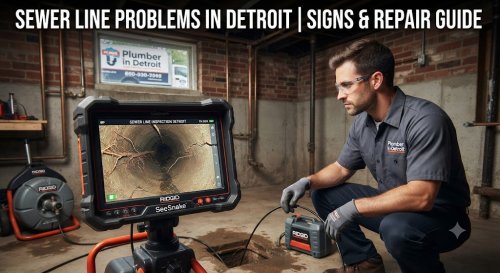
Step 1: Inspection: We utilize high-resolution waterproof cameras to examine the interior of your drain lines and locate the exact obstruction.
-
Step 2: Diagnosis: The technician evaluates the camera footage to determine whether the issue is simple grease buildup, heavy scale, or structural pipe damage.
-
Step 3: Estimate: We provide transparent, upfront pricing detailing the recommended cleaning method before any work begins.
-
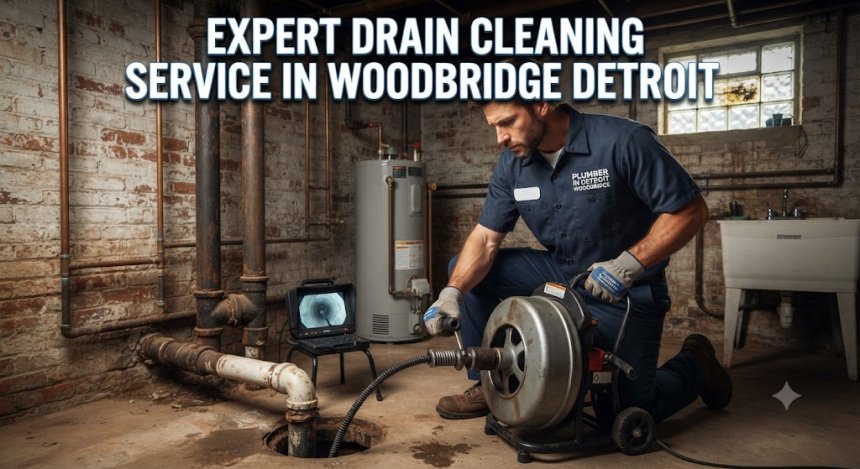
Step 4: Cleaning: Using professional hydro jetting or heavy-duty mechanical augers, we scour the pipe walls clean of all debris and blockages.
-
Step 5: Testing: We run water through multiple fixtures and perform a post-cleaning camera sweep to confirm optimal drainage.
-
Step 6: Cleanup: Our team cleans our work area, leaving your home spotless and sanitary.
-
Step 7: Maintenance Advice: We offer practical guidance on how to prevent future clogs tailored to your specific plumbing system.
Can You Fix It Yourself?
While a minor hair clog right under a bathroom sink can often be cleared with a manual plunger or by cleaning out the P-trap, deep main drain blockages require professional tools. Chemical drain cleaners sold in retail stores use harsh acids that can eat away at older metal and PVC pipes, create hazardous chemical splatters, and fail to remove dense root masses or heavy grease buildup. Renting heavy power augers without professional training can also twist violently, cracking your pipes or causing injury. When clogs recur frequently or affect multiple fixtures, calling a licensed professional is the safest choice.
Tools Professionals Use
Modern plumbing relies on specialized diagnostic and cleaning technology to clear lines completely without unnecessary digging or property damage.
-
Drain Inspection Cameras: Flexible fiber-optic cameras transmit real-time video of pipe interiors to a digital screen, pinpointing exact blockages.
-
Hydro Jetting Systems: High-pressure water streams up to 4,000 PSI scour grease, scale, and tree roots completely off interior pipe walls.
-
Motorized Cable Augers: Heavy-duty snakes equipped with specialized cutting heads slice through stubborn root masses and compacted debris.
-
Electronic Line Locators: Sondes attached to camera heads allow technicians to trace the exact depth and path of underground pipes from above ground.
How Long Does the Repair Usually Take?
The timeframe for a professional drain cleaning service depends heavily on the complexity and location of the clog.
-
Standard Clog Clearing: Routine snaking or jetting of a single branch line typically takes 1 to 2 hours.
-
Main Sewer Line Cleaning: Clearing a main lateral or handling heavy root intrusion usually takes 2 to 3 hours.
-
Camera Scoping and Diagnostics: Comprehensive video inspections take roughly 30 to 45 minutes.
Factors affecting this timeline include pipe accessibility, the severity of the blockage, and whether cleanout access points are readily available.
Cost Factors
Service costs vary based on several operational elements. We believe in complete transparency regarding what impacts your investment:
-
Diagnostic Fees: Initial evaluation and camera scoping costs.
-
Severity and Type of Blockage: Standard grease clogs take less time to clear than concrete scale or heavy root infiltration.
-
Pipe Accessibility: If a cleanout is buried behind finished basement drywall or landscaping, extra labor is required.
-
Emergency Dispatch: After-hours, weekend, or holiday service calls involve higher labor rates.
-
Service Scope: Whole-house main line cleaning versus targeted single-fixture snaking.
Plumbing repair costs vary depending on the severity of the problem, accessibility, materials required, emergency service, property type, and local labor rates.
Hidden Truths Homeowners Should Know
Understanding the realities of home drainage systems helps property owners avoid expensive emergency repairs.
-
Small Slowdowns Become Major Backups: Ignoring a slow-draining sink allows waste to accumulate until the line seals completely shut.
-
Temporary Fixes Fail Quickly: Pouring boiling water or store-bought acid down a main line only offers a temporary fix for grease clogs.
-
Insurance Gaps: Standard homeowners insurance policies rarely cover water damage caused by neglected, slow-forming plumbing maintenance issues.
-
Persistent Tree Roots: Mechanical snaking cuts roots temporarily, but they will return unless the pipe is properly sealed or lined.
-
Hard Water Damage: Continuous mineral accumulation narrows pipe diameters across your entire home.
-
Structural Compromise: Unaddressed leaks beneath floors undermine concrete slabs and wood subfloors.
-
Utility Bill Spikes: Hidden water leaks can drive up municipal water bills without your knowledge.
-
Mold Growth: Standing water and sewage backups foster rapid mold colonization within 24 hours.
-
Value of Maintenance: Regular preventative cleaning saves thousands of dollars in emergency remediation costs.
15 Common Mistakes Homeowners Make
-
Ignoring Slow Drains: Waiting until a complete stoppage occurs makes cleanup messy and expensive.
-
Using Chemical Drain Cleaners: Corrosive acids damage older metal pipes and pose safety risks.
-
Flushing Wipes: Even wipes labeled "flushable" fail to disintegrate in municipal sewer lines.
-
Pouring Grease Down Drains: Liquid oils harden in cold pipes, trapping food particles.
-
Ignoring Gurgling Sounds: Dismissing acoustic warnings allows clogs to worsen silently.
-
Hiring Unlicensed Handymen: Unqualified workers lack proper insurance and specialized diagnostic tools.
-
Skipping Regular Maintenance: Failing to schedule periodic cleanings leads to sudden failures.
-
Waiting Until Emergencies: Emergency call-outs cost more than scheduled preventative maintenance.
-
Using Incompatible Pipe Materials: Mixing incorrect fittings causes chronic joint leaks.
-
Over-Tightening Fixtures: Forcing connections cracks porcelain and strips threads.
-
Disposing of Paint or Chemicals: Solvents degrade seals and harm local wastewater infrastructure.
-
Planting Trees Near Laterals: Positioning large trees over sewer paths guarantees root intrusion.
-
Ignoring Basement Odors: Dismissing faint sewage smells allows toxic gases to build indoors.
-
Failing to Locate Main Cleanouts: Not knowing your cleanout location slows down emergency response.
-
Neglecting Strainers: Failing to use hair and food catchers invites preventable clogs.
Maintenance Tips
-
Schedule Annual Cleanings: Have a professional Detroit plumber clean and inspect your main drain lines yearly.
-
Watch What You Flush: Only human waste and toilet paper should ever go down toilets.
-
Scrape Plates Into Trash: Wipe greasy cookware with paper towels before washing them.
-
Install Mesh Strainers: Use hair catchers in all showers and bathroom sinks.
-
Know Your Main Shutoff: Ensure all household members know how to shut off the main water valve.
-
Insulate Exposed Pipes: Protect basement and crawlspace pipes during freezing Detroit winters.
-
Manage Landscaping: Keep large shrubs away from underground drainage lines.
-
Flush Drains Regularly: Run hot water down infrequently used guest sinks to keep traps full.
-
Install Backwater Valves: Protect low-level basements from municipal backup surges.
-
Test Sump Pumps: Check pump operation before heavy spring rainstorms.
-
Avoid Disposal Overloads: Never feed fibrous vegetables or coffee grounds down garbage disposals.
-
Monitor Water Bills: Watch for unexplained usage spikes indicating hidden leaks.
-
Clear Surface Drains: Keep outdoor area drains free of leaves and debris.
-
Address Drips Promptly: Fix faucet cartridge drips before they strain downstream lines.
-
Keep Cleanouts Clear: Never build decks or patios over your main sewer cleanout access.
When Should You Call an Emergency Plumber?
Certain plumbing scenarios demand immediate professional intervention to protect your property and health.
-
Raw Sewage Overflow: Wastewater backing up into living spaces creates a severe biohazard.
-
Burst Supply Pipes: Major pipe ruptures can flood a home within minutes.
-
Complete Loss of Drainage: If zero fixtures in the house will drain, the main sewer line is completely blocked.
-
Overflowing Toilets: When toilet water continues rising and cannot be stopped at the fixture valve.
-
Major Uncontrollable Leaks: Water spraying from pressurized supply lines requires urgent shutoff and repair.
Frequently Asked Questions
Why is my water pressure suddenly low? Sudden low pressure is usually caused by a partially closed shutoff valve, a failing pressure regulator, or aerator clogs. If it affects the whole house, call a professional.
How much does leak detection cost? Leak detection costs vary based on whether the leak is visible or hidden beneath slabs. Advanced electronic acoustic detection ensures precise location without exploratory demolition.
Can a clogged drain damage pipes? Yes. Persistent pressure buildup from chronic blockages can weaken pipe joints, cause hairline cracks, and eventually result in major pipe bursts.
Is hydro jetting safe for old pipes? A licensed plumber must perform a preliminary camera inspection first. If pipes are structurally sound, hydro jetting is the most effective cleaning method available.
How do I know if my sewer line is broken? Frequent backups, foul odors, soggy lawn patches, and multiple slow-draining fixtures point directly to structural sewer line damage.
How long do water heaters last? Traditional tank water heaters typically last between 8 to 12 years, while tankless units can operate efficiently for up to 20 years with regular maintenance.
Why does my faucet drip? Dripping faucets are usually caused by worn-out rubber washers, damaged O-rings, or corroded valve seats inside the handle cartridge.
What causes pipes to burst? Pipes burst most frequently when freezing winter temperatures cause trapped water inside the pipe to expand, exerting immense pressure on the pipe walls.
Can plumbing leaks increase my water bill? Even a small hidden leak running continuously can waste thousands of gallons of water per month, driving up your utility bills significantly.
When should I replace plumbing instead of repairing it? If your plumbing system features outdated materials like galvanized steel, or requires repeated repairs on aging joints, full replacement is more cost-effective.
Why Choose Our Plumbing Company
Plumber in Detroit is proud to serve homeowners and businesses throughout Woodbridge, Detroit, MI and surrounding Wayne County communities with dedication and expertise.
-
Experienced Licensed Plumbers: Our technicians hold valid state licensing for all residential and commercial plumbing tasks.
-
Honest Recommendations: We provide transparent evaluations and explain all available options without high-pressure sales tactics.
-
Upfront Estimates: You receive clear pricing before any work begins, ensuring zero hidden fees or surprise costs.
-
Fast Response Times: We arrive promptly equipped with fully stocked service vehicles to resolve your plumbing emergencies quickly.
-
Emergency Availability: Our team stands ready around the clock to handle urgent backups and burst pipes.
-
Quality Workmanship: We adhere to the highest industry standards to ensure durable, long-lasting repairs.
-
Modern Equipment: Utilizing state-of-the-art diagnostic cameras and hydro jetting tools, we solve problems efficiently.
-
Customer Satisfaction: We prioritize clear communication, respect for your property, and dependable results on every single job.
Contact Plumber in Detroit today for reliable drain cleaning service and expert plumbing solutions tailored to your property's needs.