Complete Guide to Pipe Repair & Replacement in Southwest Detroit, MI
Plumbing pipes form the hidden circulatory system of your home or business, quietly transporting clean water in and carrying wastewater safely out. When that system fails, it can bring daily life to a grinding halt. For property owners in the culturally rich and historic neighborhood of Southwest Detroit, aging residential infrastructure and decades-old galvanized or cast iron piping present unique maintenance challenges. Whether you own a classic bungalow near Clark Park or operate a commercial storefront along Vernor Highway, recognizing when your plumbing requires professional pipe repair & replacement is vital to avoiding catastrophic water damage. Plumber in Detroit delivers expert pipe restoration and replacement services throughout Wayne County, ensuring local properties remain safe and dry.
What Is Pipe Repair & Replacement?
Pipe repair and replacement involves diagnosing, patching, sealing, or completely exchanging damaged, corroded, or leaking water supply and drainage lines within a structure.
Common situations requiring this service include pinhole leaks in copper supply lines, cracked cast iron sewer stacks, and frozen pipes that split during harsh Michigan winters. For example, if you notice water pooling under your kitchen sink or see bubbling paint on a hallway wall directly below a second-story bathroom, a supply pipe has likely failed and requires immediate intervention. Ignoring these issues leads to compromised structural timber and expensive mold remediation.
Why Does This Plumbing Problem Happen?
Pipes degrade due to a combination of material aging, chemical reactions, environmental pressure, and physical wear over time. Understanding these root causes helps property owners prevent unexpected failures.
-
Aging Pipes: Many older properties feature galvanized steel, original cast iron, or fragile Orangeburg pipes that reach the end of their functional lifespans after several decades.
-
Corrosion: Chemical interactions between water minerals and metal pipe walls create internal rust scaling, weakening the structure until pinhole leaks form.
-
High Water Pressure: Excessive municipal water pressure places constant, unnatural strain on pipe joints, elbows, and threaded connectors.
-
Hard Water: Mineral-heavy water deposits calcium and lime scale inside lines, gradually narrowing inner diameters and causing pressure imbalances.
-
Freezing Temperatures: Uninsulated pipes in basements, crawlspaces, or exterior walls freeze during winter, causing trapped ice to expand and split the metal or plastic.
-
Ground Shifting: Soil settling and seismic shifts in the Detroit area can pull underground waste pipes apart or crush fragile clay laterals.
Signs You Should Never Ignore
Catching pipe damage early prevents minor leaks from turning into major structural disasters. Keep a close watch for these warning indicators:
-
Unexplained Water Stains: Discolored rings or peeling paint on ceilings, walls, or baseboards indicate hidden slow leaks.
-
Sudden Pressure Drops: A noticeable reduction in water flow across multiple fixtures points to a major restriction or break in the supply line.
-
Damp or Moldy Walls: Soft drywall, musty odors, and visible mold growth mean moisture is constantly escaping from compromised pipes.
-
Strange Plumbing Noises: Banging, whistling, or rattling sounds (water hammer) when turning off taps indicate loose or over-pressurized pipes.
-
Discolored Water: Brown or yellow water coming from your faucets signals severe internal pipe corrosion and rust breakdown.
Common Plumbing Problems Related to This Issue
When pipe infrastructure begins to fail, it rarely stays isolated. Structural pipe degradation triggers a cascade of related plumbing emergencies.
-
Severe Drain Clogs: Collapsed or sagging interior drain lines catch waste and form total blockages.
-
Slab Leaks: Undetected pipe failures beneath concrete foundations erode sub-base soils and cause floor cracks.
-
Water Heater Strain: Corroded supply pipes stress water heater inlet and outlet valves, leading to premature tank failure.
-
Fixture Damage: Leaking connections ruin cabinetry, vanities, and surrounding hardwood flooring.
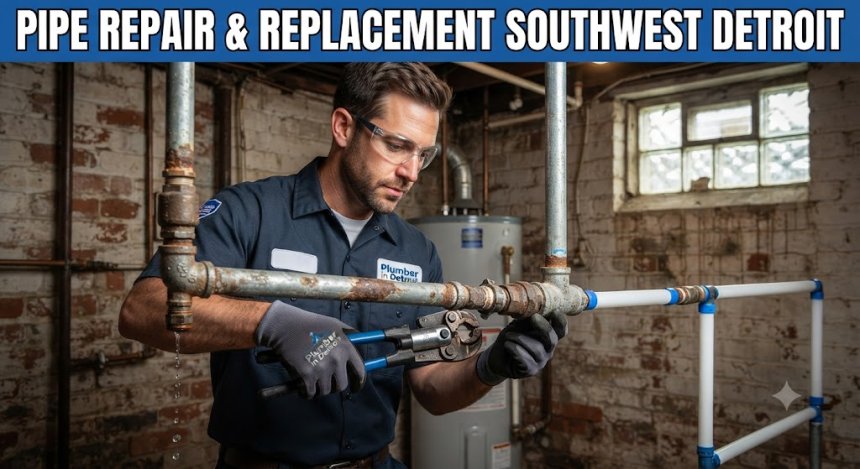
Step-By-Step Professional Repair Process
When you call Plumber in Detroit for pipe repair & replacement, our licensed technicians execute a methodical, professional process to restore system integrity.
-
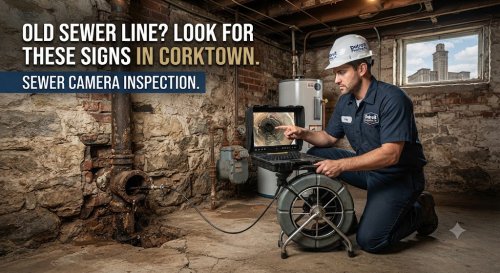
Step 1: Inspection: We use high-resolution cameras and acoustic sensors to visually inspect the interior and exterior of your plumbing network.
-
Step 2: Diagnosis: The technician evaluates the exact extent of corrosion, cracking, or joint separation to determine whether targeted repair or full replacement is necessary.
-
Step 3: Estimate: We provide a transparent, upfront pricing estimate detailing the scope of work and materials required before any physical labor starts.
-
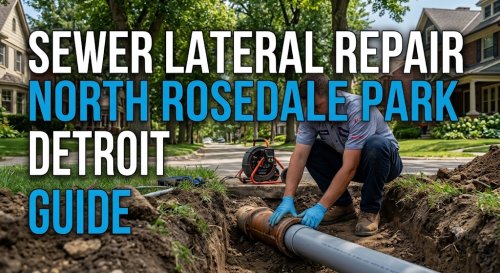
Step 4: Repair or Replacement: Using professional-grade copper, PEX, or PVC materials, we cut out damaged pipe segments and install secure, durable replacements.
-
Step 5: Testing: We repressurize the system and run continuous flow tests to verify that all new joints are completely watertight.
-
Step 6: Cleanup: Our crew sanitizes the work area, leaving your home or business clean and orderly.
-
Step 7: Maintenance Advice: We offer practical tips on how to protect your newly repaired plumbing system from future wear.
Can You Fix It Yourself?
While swapping out a simple rubber washer in a faucet handle is a manageable DIY task, main pipe repair & replacement is strictly a job for licensed professionals. Attempting to fix a high-pressure supply pipe or a cracked waste stack with temporary hardware store tape or epoxy putty will inevitably fail under pressure. Furthermore, improper soldering or mixing incompatible pipe metals causes galvanic corrosion, accelerating future leaks. When supply or drainage lines fail, calling an experienced plumber is the only way to ensure safety and compliance with local building codes.
Tools Professionals Use
Professional plumbing companies rely on specialized technology to diagnose and execute pipe repairs with pinpoint accuracy.
-
Electronic Leak Detectors: Acoustic and thermal devices that locate hidden water leaks behind walls or beneath concrete without destructive demolition.
-
Pipe Inspection Cameras: Flexible fiber-optic cameras that feed live video from inside drain and sewer lines to digital monitors.
-
PEX Expansion and Crimping Tools: Specialized professional tools designed to create permanent, secure connections for modern flexible piping.
-
Hydro-Testing Equipment: Pressure gauges used to test newly installed plumbing lines against standard operating thresholds to guarantee zero leaks.
How Long Does the Repair Usually Take?
The duration of a pipe repair or replacement project depends heavily on the scale of the damage and accessibility.
-
Targeted Pinhole Repair: Fixing a single leaking copper joint or replacing a short pipe section typically takes 1 to 2 hours.
-
Branch Line Replacement: Rewiring or replacing supply lines for a single bathroom or kitchen takes 4 to 8 hours.
-
Whole-House Repiping: Replacing an entire home's aging supply system can take anywhere from 2 to 4 days depending on home layout.
Factors affecting this timeline include drywall access, whether pipes are buried beneath concrete, and local permit requirements in Detroit.
Cost Factors
Service costs vary based on several operational elements. We believe in complete transparency regarding what impacts your final investment:
-
Diagnostic Fees: Initial evaluation and leak detection scoping costs.
-
Material Selection: Copper, modern PEX, and PVC materials vary in baseline manufacturing cost.
-
Accessibility: Pipes located inside finished walls, beneath slabs, or in tight crawlspaces require more labor to reach.
-
Severity of Damage: Localized spot repairs cost considerably less than comprehensive system replacements.
-
Emergency Dispatch: After-hours or holiday service calls involve higher labor rates.
Plumbing repair costs vary depending on the severity of the problem, accessibility, materials required, emergency service, property type, and local labor rates.
Hidden Truths Homeowners Should Know
Understanding the practical realities of home plumbing networks helps property owners avoid costly surprises.
-
Small Leaks Become Expensive Repairs: A minor slow drip left unattended will eventually rot framing, ruin drywall, and foster extensive mold growth.
-
Temporary Fixes Fail: Patch kits and tape cannot withstand long-term indoor water pressure.
-
Insurance Gaps: Standard homeowners insurance policies frequently deny claims resulting from neglected, long-term pipe corrosion.
-
Hard Water Damage: Continuous mineral exposure shortens the lifespan of all connected plumbing fixtures.
-
Hidden Utility Spikes: Undetected underground or in-wall leaks drive up municipal water bills month after month.
-
Preventative Value: Proactive repiping of aging systems costs significantly less than emergency water damage restoration.
15 Common Mistakes Homeowners Make
-
Ignoring Minor Dips: Waiting until a small drip becomes a gusher.
-
Using Chemical Drain Cleaners: Pouring harsh acids into corroded metal pipes.
-
Over-Tightening Fittings: Cracking PVC adapters and stripping metal threads.
-
Ignoring Water Pressure Spikes: Failing to install pressure-reducing valves.
-
Hiring Unlicensed Handymen: Using unqualified labor for complex repiping work.
-
Skipping Annual Inspections: Missing early warning signs of pipe wall thinning.
-
Waiting Until Emergencies: Paying premium rates for midnight disaster responses.
-
Using Incompatible Metals: Joining copper and galvanized steel directly, causing galvanic corrosion.
-
Leaving Hoses Connected in Winter: Allowing outdoor bibs to freeze and burst indoor segments.
-
Ignoring Strange Noises: Dismissing water hammer and pipe rattling.
-
Failing to Locate Shutoffs: Wasting critical time searching for water valves during a leak.
-
Neglecting Insulation: Leaving crawlspace pipes exposed to sub-freezing Michigan air.
-
Disposing of Solvents Improperly: Pouring harsh chemicals down drains that degrade pipe seals.
-
Overloading Disposal Units: Forcing fibrous waste down kitchen pipes.
-
Panicking During Leaks: Failing to shut off the main water supply immediately.
Maintenance Tips
-
Know Your Main Shutoff: Ensure every adult in your household knows how to turn off the main water supply instantly.
-
Insulate Vulnerable Pipes: Wrap basement and exterior wall pipes with foam insulation before winter.
-
Schedule Annual Checkups: Have a licensed Detroit plumber inspect your water lines yearly.
-
Monitor Water Pressure: Keep home water pressure below 80 PSI using a tested regulator.
-
Watch Your Water Bill: Track monthly statements for unexpected usage spikes.
-
Clear Drains Gently: Use mechanical snakes or enzymatic cleaners instead of harsh acids.
-
Flush Water Heaters: Clear sediment buildup from your water tank annually.
-
Inspect Washing Machine Hoses: Replace old rubber supply lines with braided steel alternatives every five years.
-
Disconnect Outdoor Hoses: Remove garden hoses from exterior spigots before the first freeze.
-
Address Drips Promptly: Fix minor faucet or valve leaks before they stress connected pipes.
-
Keep Access Panels Open: Do not permanently block plumbing cleanouts and shutoff valves behind heavy built-ins.
-
Test Sump Pumps: Check sump and backup pump operation prior to heavy spring rain seasons.
-
Check Toilet Flappers: Replace worn flappers to stop silent water leaks.
-
Softener Maintenance: Maintain water softeners properly to protect pipes from mineral scale.
-
Watch for Discoloration: Investigate any sudden rust-colored water immediately.
When Should You Call an Emergency Plumber?
Certain situations demand immediate professional intervention without delay.
-
Burst Supply Pipes: Major pipe ruptures spraying water and threatening structural elements.
-
Severe Sewage Backups: Raw wastewater overflowing into living spaces.
-
Total Loss of Water Supply: Sudden, unexplained loss of water across the entire property.
-
Uncontrollable Leaks: Water leaks that cannot be stopped by closing local or main shutoff valves.
-
Major Water Heater Failures: Tanks rupturing and flooding utility rooms.
Frequently Asked Questions
Why is my water pressure suddenly low? Sudden low pressure typically results from a partially closed shutoff valve, a failing pressure regulator, or mineral scale buildup in aerators and pipes.
How much does leak detection cost? Leak detection costs vary based on whether the leak is visible or hidden beneath slabs or behind walls. Advanced acoustic equipment pinpoints leaks accurately without destructive digging.
Can a clogged drain damage pipes? Yes. Persistent pressure from chronic blockages weakens pipe joints, leading to hairline cracks and eventual pipe bursts.
Is hydro jetting safe for old pipes? A licensed plumber performs a preliminary camera inspection first. If pipes are severely corroded or structurally compromised, alternative trenchless rehabilitation is recommended.
How do I know if my sewer line is broken? Frequent backups, foul sulfur odors, soggy lawn patches, and multiple slow-draining fixtures indicate structural sewer line damage.
How long do water heaters last? Traditional tank water heaters last 8 to 12 years, while tankless models can operate for up to 20 years with proper maintenance.
Why does my faucet drip? Dripping faucets are caused by worn-out washers, damaged O-rings, or corroded valve seats inside the handle cartridge.
What causes pipes to burst? Pipes burst most frequently when freezing winter temperatures cause trapped water to expand, exerting immense pressure on pipe walls.
Can plumbing leaks increase my water bill? Even a small hidden leak running continuously can waste thousands of gallons of water monthly, driving up utility bills significantly.
When should I replace plumbing instead of repairing it? If your system features outdated materials like galvanized steel or requires repeated repairs on aging joints, full replacement is more cost-effective.
Why Choose Our Plumbing Company
Plumber in Detroit proudly serves homeowners and businesses throughout Southwest Detroit, MI and the surrounding Wayne County communities with dedication and expertise.
-
Experienced Licensed Plumbers: Our technicians hold valid state licensing for all residential and commercial plumbing challenges.
-
Honest Recommendations: We provide transparent evaluations and explain all available options without high-pressure sales tactics.
-
Upfront Estimates: You receive clear pricing before any work begins, ensuring zero hidden fees or surprise costs.
-
Fast Response Times: We arrive promptly equipped with fully stocked service vehicles to resolve pipe repairs quickly.
-
Emergency Availability: Our team stands ready 24/7 to handle urgent bursts and major leaks.
-
Quality Workmanship: We adhere to the highest industry standards to ensure durable, long-lasting repiping results.
-
Modern Equipment: Utilizing state-of-the-art diagnostic cameras and acoustic leak detectors, we solve problems efficiently.
-
Customer Satisfaction: We prioritize clear communication, respect for your property, and dependable results on every job.
Contact Plumber in Detroit today for reliable pipe repair & replacement services tailored to your property's needs.