Plumbing Problems to Check in Historic Brush Park Homes
Discover critical plumbing problems to check in historic Brush Park homes. Learn causes, warning signs, repairs, and maintenance tips

NEED A PLUMBER?
Fast & Local Plumbing Services
Leaks • Clogged Drains • Burst Pipes • Water Heaters • Emergency Plumbing
NEED A PLUMBER?
Fast & Local Plumbing Services
Leaks • Clogged Drains • Burst Pipes • Water Heaters • Emergency Plumbing
Plumbing Problems to Check in Historic Brush Park Homes: A Complete Guide
Nestled between Midtown and downtown, the historic Brush Park neighborhood in Detroit is famous for its stunning Victorian architecture, classic carriage houses, and striking modern developments. Owning a piece of history here offers an unmatched aesthetic and a deep connection to the city's past. However, many buildings in Brush Park and surrounding Midtown areas were constructed over a century ago. While their exterior brickwork and grand facades stand resiliently, their hidden internal plumbing infrastructure frequently struggles with advanced material degradation, obsolete pipe configurations, and decades of shifting urban foundations.
If you notice your vintage faucets sputtering rusty water, or if your basement floor drains begin gurgling after a heavy rainstorm, you may be facing classic historic building plumbing failures. Ignoring these red flags can lead to severe structural damage in properties where original wood framing and lath-and-plaster walls are irreplaceable. As an experienced local plumbing team serving Detroit, Wayne County, and historic neighborhoods like Brush Park and Midtown, we break down everything you need to know about spotting, diagnosing, and resolving older building plumbing problems.
What Are Historic Brush Park Plumbing Problems?
Historic Brush Park plumbing problems refer to the unique collection of failures that arise when century-old water supply, drainage, and venting systems interact with modern water demands and municipal infrastructure.
In older Midtown Detroit buildings, these issues commonly manifest as heavily corroded galvanized steel or cast-iron lines, crumbling clay sewer laterals, failing pressure regulators, and chronic slow drains. Homeowners and commercial property managers typically search for this topic when routine minor repairs no longer prevent recurring leaks or whole-building pressure drops.
Why Does This Plumbing Problem Happen in Brush Park?
Several distinct physical, environmental, and material factors drive plumbing breakdowns in historic Detroit properties:
-
Aging and Obsolete Materials: Many Brush Park homes still feature original galvanized steel supply lines, cast-iron drain stacks, or clay sewer pipes that have long exceeded their 50-to-80-year design lifespans.
-
Internal Corrosion and Rust Scale: Decades of chemical reactions between water, oxygen, and metal pipe walls create thick internal rust layers that choke off water volume.
-
Hard Water Mineral Buildup: Detroit's mineral-rich municipal water deposits calcium and magnesium inside pipes and fixture aerators over time, restricting flow.
-
Ground Settlement and Freezing: Harsh Midwestern freeze-thaw cycles cause clay-heavy local soils to shift dramatically, placing immense stress on rigid underground sewer and water laterals.
-
Incompatible Past Repairs: Over a century of patchwork plumbing often means mismatched metals—such as copper joined directly to steel—triggering accelerated galvanic corrosion.
-
Tree Root Infiltration: Mature neighborhood trees send aggressive roots through microscopic cracks in aging sewer pipe joints in search of moisture.
Signs You Should Never Ignore
Older plumbing systems rarely fail without offering subtle warnings over months or years. Pay close attention to these red flags:
-
Discolored Brown or Yellow Water: Rusty tap water indicates that internal pipe walls are actively flaking apart and contaminating your water supply.
-
Sluggish or Gurgling Drains: When multiple fixtures empty slowly or bubble air when another appliance runs, a main drain or sewer restriction is present.
-
Unexplained High Water Bills: A sudden surge in utility costs without increased usage almost always points to a hidden pressurized leak behind walls or under floors.
-
Damp Walls and Musty Odors: Chronic micro-leaks saturate historic framing timbers and masonry, fostering rapid mold growth.
-
Faint Sewage Odors: Persistent sulfur or rotten-egg smells around basement drains indicate a cracked or vented sewer line leaking sewer gas indoors.
Common Plumbing Problems Related to This Issue
Allowing minor historic plumbing signs to go unaddressed triggers a cascade of secondary property emergencies:
-
Burst Supply Pipes: Severely thinned metal pipe walls can rupture unexpectedly under normal water pressure, flooding historic interiors.
-
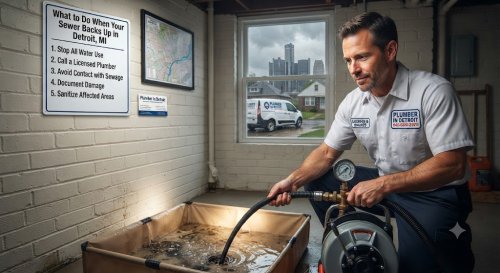
Basement Sewer Backups: Obstructed cast-iron or clay sewer laterals force raw sewage back through basement floor drains.
-
Water Heater Strain: Rust debris and mineral scale accumulating in water heater tanks reduce heating efficiency and cause premature tank failure.
-
Fixture and Appliance Damage: Mineral scale and debris ruin delicate modern faucet cartridges, washing machine valves, and dishwasher inlet screens.
Step-by-Step Professional Repair Process
When a licensed Detroit plumber undertakes a major repair or repiping project in a historic Brush Park building, we execute a meticulous, structured workflow:
-
Step 1 Inspection: We perform a comprehensive evaluation of your building's main water entry, shut-off valves, and visible pipe networks.
-
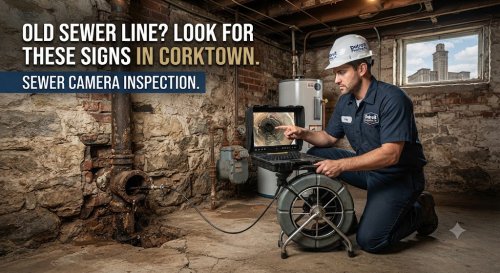
Step 2 Diagnosis: We deploy high-resolution fiber-optic drain cameras and acoustic listening equipment to pinpoint hidden leaks and structural line failures accurately.
-
Step 3 Estimate: You receive a transparent, detailed cost estimate outlining recommended repairs, material options (such as PEX or copper upgrades), and timelines.
-
Step 4 Repair: We execute targeted pipe replacements, trenchless sewer lining, or whole-building repiping while preserving historic interior finishes wherever possible.
-
Step 5 Testing: The upgraded system undergoes rigorous pressure and flow testing to guarantee absolute integrity before water service is restored.
-
Step 6 Cleanup: We thoroughly sanitize the work area, clear away old debris, and leave your property immaculate.
-
Step 7 Maintenance Advice: We review customized preventative care strategies to protect your historic plumbing investment.
Can You Fix It Yourself?
-
Safe DIY Solutions: Homeowners can safely clean mineral scale out of removable faucet aerators, tighten loose slip joints under sinks, or replace flapper valves inside toilets.
-
When DIY Becomes Dangerous: Never attempt to solder historic gas or high-pressure water lines, and never pour chemical drain openers into corroded cast-iron or galvanized pipes. Caustic chemicals react violently with standing water, create toxic fumes, and accelerate structural pipe collapse.
-
When Professional Plumbing is Necessary: If your historic building experiences whole-house low pressure, discolored water, frequent pinhole leaks, or main sewer backups, professional licensed intervention is mandatory.
Tools Professionals Use
Licensed plumbers rely on specialized heavy-duty equipment to diagnose and resolve historic building challenges with high accuracy:
-
Sewer Inspection Cameras: Waterproof push-rod cameras that transmit live video feeds of interior pipe conditions.
-
Acoustic Leak Detectors: Electronic listening devices that isolate the exact sound of pressurized water escaping behind walls or concrete.
-
High-Pressure Hydro Jetters: Advanced machinery that scours away decades of grease, scale, and roots from older drain lines without harming structural pipe walls.
-
Electronic Pipe Locators: Receivers that map the exact depth and path of underground sewer laterals.
-
Pressure Testing Gauges: Precision tools used to verify system psi stability.
How Long Does the Repair Usually Take?
Repair timelines depend entirely on the scope and complexity of the historic plumbing issue:
-
Clearing a Main Drain Clog: Typically takes 1 to 3 hours.
-
Replacing a Faulty Pressure Regulator or Valve: Usually spans 1 to 2 hours.
-
Spot Repair of a Broken Supply Line: Takes 2 to 4 hours depending on wall accessibility.
-
Whole-House Historic Repiping: Spans 3 to 7 days depending on the size of the structure and wall finishes.
Cost Factors
Plumbing repair costs vary depending on the severity of the problem, accessibility, materials required, emergency service, property type, and local labor rates.
-
Diagnostic Fees: Professional service charges covering travel, troubleshooting, and camera inspections.
-
Accessibility: Pipes hidden behind lath-and-plaster historic walls or beneath finished hardwood floors require more labor to access.
-
Materials Required: Upgrading obsolete galvanized or lead lines to modern PEX or copper impacts overall pricing.
-
Permit Requirements: Mandated by municipal authorities for major plumbing and sewer overhauls in historic districts.
-
Emergency Service Rates: Premium pricing applies for unscheduled middle-of-the-night dispatch.
Hidden Truths Homeowners Should Know
Understanding practical realities of historic property maintenance will save you from unexpected financial strain:
-
Small Leaks Become Expensive Repairs: A minor pinhole leak in a vintage cellar is almost always the precursor to widespread pipe wall failure.
-
Cheap Temporary Fixes Often Fail: Rubber patch clamps and epoxy wraps only buy brief time before water breaches corroded metal nearby.
-
Insurance May Not Cover Neglected Plumbing: Standard homeowner policies frequently deny water damage claims if caused by long-term, known deterioration of ancient pipes.
-
Hard Water Shortens Lifespan: Detroit's mineral content aggressively scales up internal pipe diameters over decades.
-
DIY Mistakes Increase Repair Costs: Forcing wrenches onto fragile century-old brass threads can snap fittings and cause major indoor floods.
-
Delaying Repairs Causes Structural Damage: Undetected micro-leaks rot historic wooden framing timbers and ruin plaster.
-
Hidden Leaks Increase Utility Bills: Continuous minor pressure leaks quietly inflate your monthly water consumption expenses.
-
Annual Maintenance Saves Money: Professional check-ups catch plumbing wear before catastrophic emergencies occur.
15 Common Mistakes Homeowners Make
-
Ignoring Slow Drains: Assuming sluggish basement floor drains are just a quirky trait of old houses.
-
Using Chemical Drain Cleaners: Pouring corrosive acids into aging metal pipes accelerates structural corrosion.
-
Flushing Wipes: Wipes do not break down and routinely catch on rough pipe scale, causing major blockages.
-
Pouring Grease Down Drains: Fats solidify inside cold historic pipes, acting like concrete.
-
Ignoring Water Pressure Problems: Dismissing sudden pressure drops until a pipe completely ruptures.
-
Hiring Unlicensed Handymen: Working with unqualified contractors who violate local building codes.
-
Skipping Routine Maintenance: Waiting for a total breakdown instead of scheduling annual plumbing checks.
-
Waiting Until Emergencies Strike: Dealing with midnight floods costs significantly more in emergency labor.
-
Using Wrong Pipe Materials: Connecting incompatible metals without dielectric unions creates rapid corrosion.
-
Over-Tightening Fittings: Snapping fragile historic pipe threads during DIY plumbing attempts.
-
Not Knowing Main Shut-Off Locations: Panicking during a burst pipe because nobody knows where the water main is.
-
Skipping Permits: Failing to pull required city permits for major plumbing overhauls complicates future property sales.
-
Ignoring Outdoor Spigots: Overlooking how exterior hose bibbs impact overall property water integrity.
-
Disregarding Water Heater Flushes: Failing to remove sediment buildup that restricts hot water flow.
-
Failing to Insulate Pipes: Leaving uninsulated basement lines exposed to freezing winter temperatures.
Maintenance Tips to Prevent Historic Plumbing Failures
-
Schedule Annual Plumbing Inspections: Have a licensed Detroit plumber evaluate your water pressure and pipe condition yearly.
-
Monitor Water Pressure: Install a gauge on an outdoor spigot; household pressure should remain between 50 and 70 psi.
-
Clean Faucet Aerators Semi-Annually: Soak removable screens in vinegar to dissolve hard water mineral scale.
-
Install a Water Softener: Protect your entire plumbing ecosystem from mineral scaling caused by hard water.
-
Test Your Main Shut-Off Valve: Open and close your main water shut-off valve twice a year to prevent it from seizing up.
-
Flush Your Water Heater: Remove sediment buildup annually to protect downstream fixtures and extend tank life.
-
Insulate Vulnerable Pipes: Wrap basement and crawlspace lines to prevent freezing during harsh Detroit winters.
-
Check Under Sinks Regularly: Look for early signs of moisture, corrosion, or slow leaks around supply connections.
-
Monitor Water Bills: Track monthly consumption for unexpected spikes that indicate hidden leaks.
-
Avoid Chemical Cleaners: Protect metal pipe walls from harsh corrosive agents.
-
Replace Washing Machine Hoses: Upgrade old rubber supply hoses to braided steel lines every five years.
-
Test Sump Pumps Regularly: Ensure your basement water management systems are fully functional.
-
Inspect Outdoor Spigots: Check exterior hose bibbs for winter damage and leaks each spring.
-
Watch for Plumbing Noises: Address loud banging or squealing pipes immediately.
-
Keep Access Panels Clear: Ensure plumbers can easily reach shut-off valves and cleanouts.
When Should You Call an Emergency Plumber in Brush Park?
-
Burst Supply Pipes: Uncontrolled water gushing from split or ruptured historic indoor supply lines.
-
Total Basement Sewage Backup: Visible raw sewage rising through basement floor drains or lower toilets.
-
Complete Loss of Water: Sudden total cessation of water supply across the entire building without municipal notice.
-
Severe Ceiling Leaks: Water pouring through overhead lath-and-plaster from upper-level bathroom failures.
-
Flooding: Rapid accumulation of water in living spaces or finished basements due to a pressure-related rupture.
Frequently Asked Questions
-
Why is my water pressure suddenly low? Low water pressure is usually caused by a partially closed shut-off valve, a failing pressure regulator, or severe mineral and rust scale buildup inside older supply pipes.
-
How much does leak detection cost? Leak detection pricing varies based on the technology required, property size, and whether the leak is visible or hidden beneath concrete slabs or behind walls.
-
Can a clogged drain damage pipes? Yes, persistent clogs create extreme hydrostatic and localized pressure that can crack joints, weaken pipe walls, or cause complete pipe bursts.
-
Is hydro jetting safe for old pipes? When performed by an experienced professional after a camera inspection verifies pipe integrity, hydro jetting is safe and highly effective at clearing scale and roots.
-
How do I know if my sewer line is broken? Common indicators include multi-fixture slow drains, gurgling toilets, sewage odors, wet spots in the yard, or raw sewage backing up into basement floor drains.
-
How long do water heaters last? Standard tank water heaters typically last between 8 to 12 years, depending on maintenance, water hardness, and anode rod replacement frequency.
-
Why does my faucet drip? Faucet leaks are usually caused by worn-out O-rings, degraded washers, damaged valve seats, or mineral buildup inside the cartridge.
-
What causes pipes to burst? Pipes typically burst due to water freezing and expanding inside uninsulated lines, excessive water pressure, or severe corrosion and structural weakening.
-
Can plumbing leaks increase my water bill? Yes, even a small hidden leak or running toilet can waste thousands of gallons of water each month, causing a sharp spike in utility bills.
-
When should I replace plumbing instead of repairing it? You should consider replacement when pipes suffer from widespread corrosion, frequent leaks, chronic root intrusions, or are made of obsolete materials like galvanized steel.
Why Choose Our Plumbing Company
-
Experienced Licensed Plumbers: Our team brings specialized expertise resolving complex plumbing challenges in historic Detroit and Midtown properties.
-
Honest Recommendations: We provide straightforward, transparent guidance focused purely on what your building genuinely needs.
-
Upfront Estimates: You receive clear pricing before any work begins with zero hidden surprises.
-
Fast Response: We offer prompt dispatch across Detroit, including Brush Park and surrounding neighborhoods, to resolve your emergencies quickly.
-
Emergency Availability: Our professionals stand ready around the clock when urgent plumbing crises strike.
-
Quality Workmanship: We adhere to strict industry standards to ensure lasting, code-compliant repairs that respect historic architecture.
-
Modern Equipment: We utilize advanced diagnostic tools like fiber-optic drain cameras and acoustic leak detectors for maximum precision.
-
Customer Satisfaction: Our local reputation reflects our unwavering dedication to reliable, trustworthy service.
-
Local Expertise: We intimately understand the unique plumbing quirks, aging infrastructure, and architectural nuances of historic Detroit homes.