Main Water Line Leak Identification Plymouth-Hubbell Guide
Learn how to identify a main water line leak in Plymouth-Hubbell, Detroit. Spot warning signs, understand causes, and find expert plumbing solutions here

NEED A PLUMBER?
Fast & Local Plumbing Services
Leaks • Clogged Drains • Burst Pipes • Water Heaters • Emergency Plumbing
NEED A PLUMBER?
Fast & Local Plumbing Services
Leaks • Clogged Drains • Burst Pipes • Water Heaters • Emergency Plumbing
How to Identify a Main Water Line Leak in Plymouth-Hubbell
Introduction
Finding water in your home or yard where it shouldn't be is stressful. In Plymouth-Hubbell, Detroit, many homes have aging infrastructure. When a puddle appears in your basement, or a soft, soggy spot forms in your lawn when it hasn’t rained, your mind naturally jumps to a serious problem. Often, that problem is a leak in your home’s main water line.
This article aims to help homeowners and business owners in the Plymouth-Hubbell area recognize and diagnose this critical issue before it causes massive damage. A leak in your main line is not like a dripping faucet. This is the primary pipe bringing fresh, pressurized water into your entire property from the city's municipal supply.
Immediate attention to a potential main line leak is essential. Left unchecked, a small, hidden leak will erode the soil around your foundation, potentially causing catastrophic structural failure, massive utility bills, and hazardous mold growth. It’s no wonder homeowners frequently search for ways to identify these leaks themselves; a main water line repair is a significant undertaking, and knowing what you’re dealing with first can provide a little peace of mind before you call a professional.
What Is a Main Water Line Leak?
A main water line leak is precisely what it sounds like: a hole, crack, burst, or collapse in the single underground pipe that connects all of your home’s plumbing to the city of Detroit’s water main.
Common Situations
This pipe is typically buried deep underground to protect it from freezing, often routed through your property's front yard and into the basement or crawl space. Because it is highly pressurized and usually hidden from view, identifying a leak requires paying attention to subtle indirect signs rather than a visible spray. This isn’t a localized fixture problem; this leak can affect the fresh water supply for your entire property. Symptoms are almost always indirect.
Why Does This Plumbing Problem Happen?
While buried, main water lines are subject to consistent stress. Several common factors, especially prevalent in well-established Detroit neighborhoods like Plymouth-Hubbell, can cause a failure.
Aging Pipes
This is the number one cause. Many homes in this area were built when galvanized steel, cast iron, or older, brittle materials were common. These pipes have a lifespan. Over decades, they simply thin out, become brittle, and succumb to the constant pressure.
Tree Roots
Mature trees are a beautiful feature of Plymouth-Hubbell, but their roots are powerful. Thirsty tree roots naturally grow toward any source of moisture. Even a tiny micro-leak in a pipe joint acts like a beacon. The roots work their way in and can grow, eventually cracking, collapsing, or bursting the line.
Corrosion and Physical Damage
Soil conditions can be highly corrosive. Chemical reactions between the metal pipe and the surrounding dirt can eat through the pipe from the outside in. Less common but equally destructive is physical damage, often from shifting soil due to freeze-thaw cycles or even nearby heavy construction vibrating the ground. Improper installation, Poor maintenance, and Seasonal weather all play a role in this complex structural failure.
Signs You Should Never Ignore
While you can’t see a buried pipe leak, your property will show distress. Paying attention to these warning signs can prevent a disaster.
-
Low Water Pressure: This is often the first subtle sign. If your showers suddenly feel weak or your washing machine takes longer to fill, the water intended for your fixtures is escaping somewhere else.
-
Water Stains: Damp spots on walls or ceilings, especially in your basement or crawl space near where the water service enters, are major red flags.
-
High Water Bills: This is a classic symptom. If your usage hasn’t changed but your Detroit water bill suddenly spikes, pressurized water is leaking constantly, 24/7.
-
Unusual Lawn Patches or Standing Water: Walk your yard. Is there a patch of grass that is much greener and grows faster than the surrounding lawn? This "over-fertilization" could be leaking fresh water and nutrients. Look for unexplained wet, spongy spots, or even a visible puddle forming when it hasn't rained.
-
Strange Noises: In a quiet house, listen near your main water valve (usually where the pipe enters the basement). Do you hear a constant, unexplained sound of rushing or gurgling water? This sound, called "water hammer" or "gurgling," is the pressurized leak in action.
-
Damp Walls and Mold Growth: Persistent moisture from a leak will saturate foundation walls and drywall, fostering hazardous mold growth in your basement or crawl space.
-
Bad Smells: Stagnant water leaking into foundation soil can develop a musty, moldy odor.
-
Discolored Water: If soil is being pulled into the pipe through a rupture, you might see brown or cloudy water coming from your faucets.
Common Plumbing Problems Related to This Issue
A main water line leak is a structural failure that creates conditions leading to other serious plumbing and property issues:
-
Pipe Leaks: Once the main line is weakened, secondary joint and connector leaks can develop.
-
Burst Pipes: If the pipe is already corroded, a sudden pressure spike can cause a complete, catastrophic failure.
-
Water Heater Failures: Constant leaks strain your entire system, and sediment pulled through a break can damage your water heater.
-
Mold Growth and Foundation Damage: We can't emphasize this enough. Constant water seepage will saturate the soil under your home, weakening your foundation and promoting widespread mold growth.
Step-by-Step Professional Repair Process
When you call Plumber in Detroit, we follow a precise, structured process to ensure the leak is permanently and safely resolved.
Step 1 Inspection
Our experienced licensed plumbers start with a comprehensive visual inspection. We’ll ask you about the warning signs you've noticed and examine the visible interior parts of your water line.
Step 2 Diagnosis
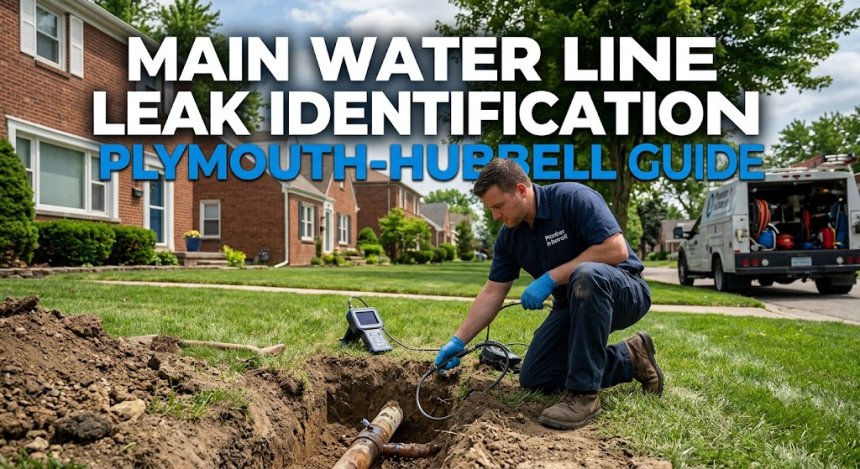
This is where the magic happens. We use advanced, specialized equipment, including leak detection equipment and pipe locators. Using acoustic sensors and thermal imaging, we can pinpoint the exact location and depth of the underground leak without any speculative digging, a crucial step for accurate main water line repair Detroit.
Step 3 Estimate
Based on our precise diagnosis, we will provide you with a detailed, transparent estimate. We’ll explain all available options, whether it’s a localized repair, a full replacement, or utilizing less invasive trenchless technology. We’ll also detail the exact timeline and cost factors involved.
Step 4 Repair or Replacement
Depending on the diagnosis, we'll proceed. A full water line leak Plymouth-Hubbell situation may require replacement. We are experts in both traditional excavation and trenchless equipment (like pipe bursting), ensuring the most efficient solution for your specific property type.
Step 5 Testing
After the repair or replacement is complete, we perform rigorous testing. We re-pressurize the system and run water from multiple fixtures to ensure the new connection is seamless and your water pressure is fully restored.
Step 6 Cleanup
We take pride in leaving your home and yard tidy. We backfill all trenches (if any), sanitize any affected basement areas, and ensure all work areas are spotless.
Step 7 Maintenance Advice
We won’t just fix the problem and leave. Our plumbers will provide you with trustworthy maintenance tips tailored to your property, helping you prevent future water line issues.
Can You Fix It Yourself?
When it comes to a main water line leak, the answer is a firm: No.
Safe DIY Solutions and Temporary Fixes
A homeowner can safely do a few things, mostly focused on containment and confirmation:
-
Containment: If you can safely reach your main water valve (usually near your meter), turning it off will stop the flooding, but this isn't a fix; it cuts off water to your entire property. Never attempt to bypass your meter.
-
Confirmation: You can perform a simple "meter test." Turn off all water inside and outside your house. Check your water meter. If the flow indicator (often a small triangle or star) is still moving, pressurized water is leaving your system, confirming an underground leak.
What Homeowners Can Safely Do
The single most important safe thing a homeowner can do is identify the signs and when professional plumbing is necessary. The problem is structural and dangerous.
When DIY Becomes Dangerous
Attempting to excavate your own front yard without proper training and equipment is incredibly dangerous. You risk collapsing trenches, striking other buried utilities (like natural gas lines), or electrocution from underground power conduits. More importantly, attempting major work can expose you to bacteria and pathogens. DIY mistakes increase repair costs dramatically and can turn a serious problem into a catastrophe.
For structural issues like a main line leak, professional plumbing is necessary. Our licensed plumbers have the specialized training, safety gear, and commercial equipment required to perform the job safely and effectively.
Tools Professionals Use
Handling an underground high-pressure water line requires serious industrial-grade equipment. At Plumber in Detroit, we invest in the best to provide high-quality workmanship.
Leak Detection Equipment
We don't speculate. We use highly sensitive acoustic listening devices, ground microphones, and thermal imaging cameras. By listening for the specific frequencies of water escaping from a pipe under pressure or visualizing temperature differences in the soil, we can locate a leak with incredible precision.
Pipe Locators
Before we consider digging, we use specialized electronic pipe locators to trace the exact underground path and depth of your sewer line and other buried utilities. This prevents dangerous strikes and ensures we are working safely.
Hydro Jetting
While primarily for sewer lines, powerful hydro jetting (commercial pressure washing) can be used during certain diagnostic stages or to clear significant scale and debris from accessible lines.
Trenchless Equipment
For major replacements, we specialize in minimally invasive methods. Trenchless equipment includes technologies like pipe bursting, where a new pipe is pulled directly through the old, burst line, significantly reducing the amount of excavation needed and saving your landscaping. This can offer permanent solutions without tearing up your property.
How Long Does the Repair Usually Take?
Timelines depend heavily on the severity and accessibility of the problem.
Timeline Factors
Factors influencing the timeline include the pipe’s depth, soil composition (easier with sand than clay), and the chosen repair method (traditional vs. trenchless).
Simple vs. Major Repairs
A localized repair that’s easily accessible might be completed in one day. A complete main line replacement utilizing traditional trench excavation typically spans multiple days, involving digging, pipe installation, municipal inspection, and backfilling. Trenchless methods, while requiring significant prep, often involve less time for the actual pipe installation, sometimes finishing within a single day. Emergency repairs are prioritized, but the actual repair steps remain the same.
Cost Factors Explained
It’s impossible to give a generic, fixed price without a proper diagnosis. Do not provide fake fixed prices. The truth is, plumbing repair costs vary depending on the severity of the problem, accessibility, materials required, emergency service, property type, and local labor rates.
Diagnostic Fees and Labor
The primary cost factors include the diagnostic fee (e.g., for the advanced leak detection service), and the labor rates, which can increase for emergency, after-hours calls.
Parts and Materials
The cost of new piping and necessary fittings will depend on the type of pipe used (e.g., modern PEX or high-density polyethylene vs. older materials). More expensive, durable materials will increase the material cost.
Permit Costs and Accessibility
Detroit city permits are often required for any work that involves excavating or connecting to a public utility. Accessibility is also a major factor—digging under a concrete driveway costs significantly more than digging through an open lawn. Full replacement is almost always more expensive than a localized repair, but the camera inspection will determine which is truly necessary for a permanent main water line leak Detroit solution. We always provide detailed, upfront estimates in writing before starting any major project.
Hidden Truths Homeowners Should Know
Understanding these practical realities can save you from costly mistakes.
-
Small Leaks Become Expensive Repairs: A small, undetected leak might only add $20 to your bill this month. Left alone, it will erode soil, weakening your foundation and causing massive, structural water damage and remediation bills that dwarf the initial repair cost.
-
Cheap Temporary Fixes Often Fail: Using commercial pipe patches or temporary clamps on a corroded galvanized steel line is throwing money away. They almost always fail quickly, often at a pressure joint, potentially causing a worse burst and more damage.
-
Insurance May Not Cover Neglected Plumbing: Many standard homeowners insurance policies exclude coverage for water damage caused by neglected plumbing or slow leaks. If you ignore warning signs and wait until a catastrophe occurs, your claim might be denied.
-
Tree Roots repeatedly damage sewer lines: If you have large trees, their roots will try again. A simple spot repair may solve the immediate leak, but roots will find the next weak connection. In many older Detroit homes, only a complete line replacement with proper materials offers a long-term solution.
-
Hard Water Shortens Fixture Lifespan: Hard water deposits irritate and restrict water flow, putting extra strain on aging pipes, valves, and appliances. Hidden leaks increase utility bills by wasting vast amounts of water constantly.
-
Mold Develops Quickly: Moisture escaping from a leak fosters hazardous mold growth in your basement or crawl space within 24-48 hours. Delaying repairs causes structural damage by weakening foundation soil.
15 Common Mistakes Homeowners Make
Learn from other homeowners' errors to protect your sewer system:
-
Ignoring Leaks: Thinking that subtle signs will fix themselves.
-
Using Chemical Drain Cleaners: Highly toxic, highly corrosive, ineffective, and often damaging pipes further down the line. They are never safe for a main water line.
-
Flushing Wipes and Feminine Hygiene Products: Treats synthetic materials like toilet paper, causing main sewer backups.
-
Pouring Grease and Oil down the Drains: Creates sticky, cement-like blockages deep in your line.
-
Ignoring Water Pressure Problems: Both low and high pressure are signs of severe systemic failure that can lead to burst pipes.
-
Hiring Unlicensed handymen: Risking poor workmanship, code violations, and zero accountability for major structural work.
-
Skipping Annual Maintenance and Inspections: Annual maintenance saves money by catching small issues before they become emergencies.
-
Waiting Until an Emergency occurs: Addressing issues early during regular business hours is cheaper and less stressful.
-
Using Wrong Pipe Materials for DIY: Mixing pipe materials incorrectly creates unstable joints.
-
Over-tightening Plumbing Fittings: This is a classic mistake that often cracks fittings or thins pipe threads.
-
Flushing Cotton Balls and Paper Towels: These items swell with water, creating dense blockages.
-
Assuming "Flushable" Means Biodegradable: It only means it can make it past the toilet trap.
-
Planting Trees Too Close to Sewer Lines: Guarantees future tree root intrusion.
-
Overfilling Washing Machines: Can create excess suds and strain an aging drain line.
-
Overlooking Basement Cleanouts: Keeping your cleanout access points clear is essential for maintenance and quick diagnostics.
Maintenance Tips specifically for your Water Line
Implementing a few basic habits can dramatically extend the life of your main water line.
Safe Flush Practices
Teach all household members that the toilet is only for human waste and toilet paper. No exceptions.
Kitchen Drain Care
Collect all cooking grease and fats in a container, let it solidify, and throw it in the trash. Regularly flush kitchen lines with boiling water and dish soap to dissolve residual grease.
Root Management and Seasonal Advice
If you have large trees, schedule an annual sewer camera inspection. This small preventive step can catch tree roots in sewer pipe while they are thin and manageable, potentially saving you thousands in excavation costs. In Detroit, ensure exterior pipes in unheated crawl spaces are properly insulated against severe freeze events. Seasonal checkups before major Detroit storms are wise.
Install a Backwater Valve
For some low-lying areas near Plymouth-Hubbell, installing a backwater valve (or sewer backflow preventer) can be a smart, permanent preventative step. This one-way valve allows sewage to leave your house but prevents municipal sewage from backing up into your house during heavy rain.
When Should You Call an Emergency Plumber?
Recognizing when to call for immediate help can limit the damage to your home. Call Plumber in Detroit for immediate assistance in these situations:
-
Active Pipe Bursts: Water gushing from ceilings, walls, or basement floor joists is a serious emergency demanding an instant main water shut-off.
-
Sewage Backing Up: Raw sewage coming out of basement floor drains or lower toilets is a severe health hazard. Immediate action is essential to prevent contamination and damage.
-
No Running Water or Flushes: Indicating a major main line break, severe service line failure, or significant municipal issue.
-
Major Water Leaks or Flooding: A burst pipeRelated to a complete main line failure causes catastrophic flooding quickly.
-
Overflowing Toilet That Can't Be Stopped: While sometimes an individual fixture issue, if plunging fails, it can indicate a main line backup.
Immediate action is vital to minimize structural damage, biological contamination, and the cost of restoration.
Frequently Asked Questions
Homeowners in the Plymouth-Hubbell area frequently ask us these questions:
Why is my water pressure suddenly low?
Sudden pressure drops point to a municipal water main repair, a fully shut main valve, a sudden major water leak, or a complete failure of your pressure reducing valve.
How much does leak detection cost?
Cost varies depending on the technology needed, such as digital locators or acoustic equipment. Contact us for specific pricing in the Plymouth-Hubbell area.
Can a clogged drain damage pipes?
Yes, absolutely. The internal pressure from a severe blockage can weaken joints and crack old, fragile pipes. DIY chemical cleaners are also a leading cause of pipe damage.
Is hydro jetting safe for old pipes?
This is a great question. Hydro jetting is safe if used correctly by a trained professional. A camera inspection is always performed first to confirm the pipe is structurally sound. We adjust the pressure to safe levels for older lines.
How do I know if my sewer line is broken?
A definite diagnosis is only possible with a sewer camera inspection Detroit. However, signs like pervasive sewage odors, wet patches in your yard, lush green grass, sinkholes, and persistent, unresolved clogs are strong indicators.
How long do water heaters last?
Typically, traditional tank water heaters last 8-12 years. Regular maintenance can extend this, but Detroit has hard water, which can shorten lifespan.
Why does my faucet drip?
Most faucet drips are caused by worn-out O-rings, washers, or cartridges. It’s a cheap, easy fix, but letting it go waste water and can indicate high water pressure.
What causes pipes to burst?
Freezing, physical damage, and pressure from blockages are the most common causes. Sewage backups can put incredible stress on older lines, making them prone to bursting.
Can plumbing leaks increase my water bill?
Yes, dramatically. Even a tiny, hidden leak in your main line or supply line can waste thousands of gallons of water each month, pushing your bill skyward.
When should I replace plumbing instead of repairing it?
Replacement is generally necessary when repairs are extensive, frequent, or on obsolete pipe material like brittle clay tile or thinned, severely corroded galvanized steel.
Why Choose Plumber in Detroit for a Main Water Line Leak?
A main water line leak is a high-stakes emergency. You need a trusted partner who can provide honest, expert, and transparent service.
Experienced Licensed Plumbers
Our team consists entirely of experienced licensed plumbers. We understand the unique challenges of Detroit’s aging infrastructure and older homes. We never use untrained subcontractors.
Honest Recommendations and Upfront estimates
We pride ourselves on transparency. Following a visual and camera inspection, we will give you honest recommendations based on the objective condition of your pipes. We always provide detailed, upfront estimates in writing before starting any work.
Fast Response and Emergency Availability
A sewage backup demands immediate action. We offer reliable emergency sewer and plumbing services to Detroit and surrounding neighborhoods with a fast response rate to mitigate contamination.
Quality Workmanship and Modern Equipment
We commit to providing high-quality workmanship that meets or exceeds current plumbing codes. We invest in modern equipment like high-definition drain cameras, specialized pipe bursting tools, and hydro jetters to ensure precision. We only use high-quality, durable materials.
We take customer satisfaction seriously and are proud of our local expert reputation. Don't face a frightening sewer line issue alone. Contact Plumber in Detroit for trusted, experienced local experts near Plymouth-Hubbell.