Introduction: When Plumbing Disasters Strike in the Heart of Detroit
Greektown is one of Detroit’s most vibrant and historic neighborhoods. Famous for its authentic cuisine, bustling entertainment venues, and the iconic Greektown Casino-Hotel, it draws visitors and locals alike Woodward Avenue corridor. The energy here is non-stop. However, beneath the surface of these historic buildings and busy restaurants lies an aging infrastructure that can, without warning, create a major plumbing crisis.
A plumbing emergency does not adhere to business hours. A pipe doesn't care that it's 2:00 AM on a Tuesday, or that your restaurant is preparing for the pre-theater dinner rush. When a pipe bursts in your kitchen, a toilet overflows in your hotel lobby, or a main sewer line collapses under your establishment, the situation requires immediate, expert intervention. Waiting until morning isn't just inconvenient; it can lead to catastrophic property damage, health code violations, and significant revenue loss.
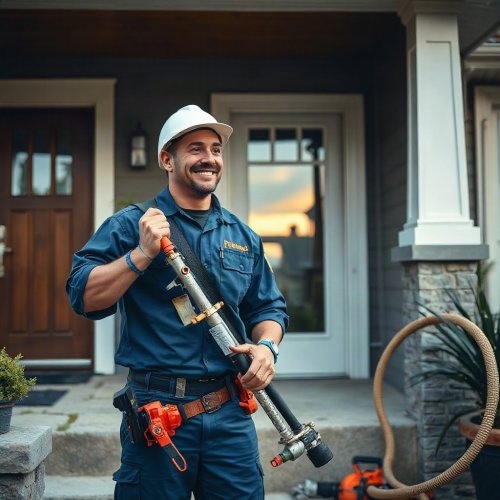
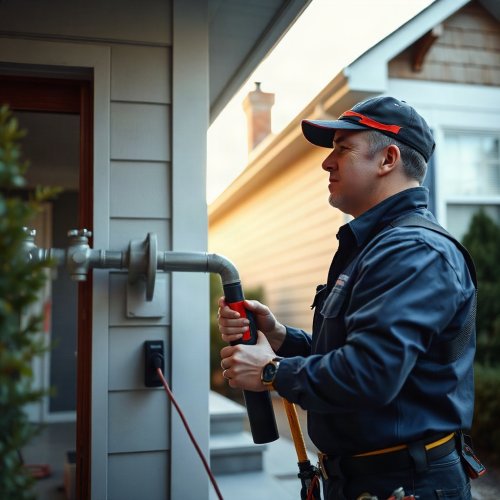
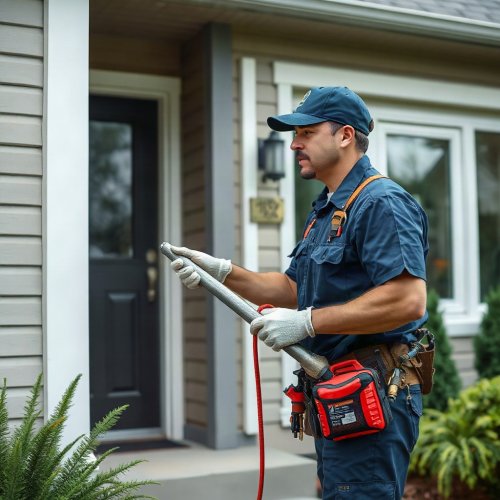
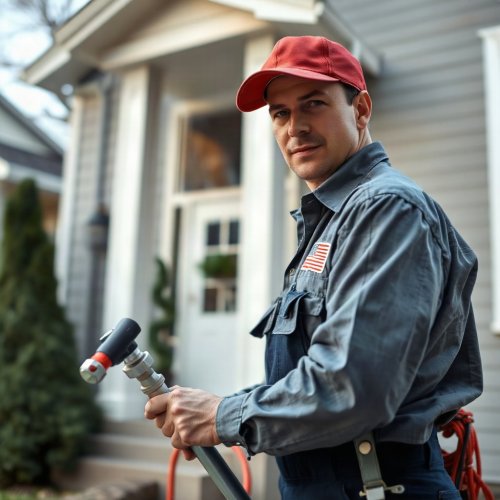
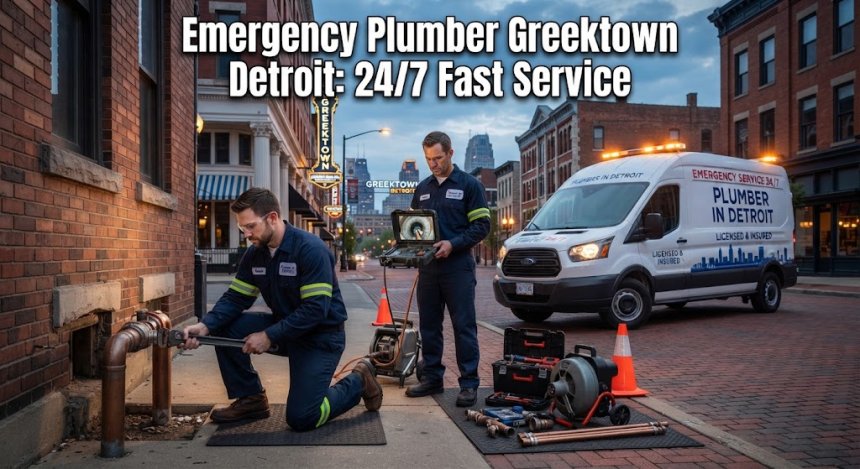
At Plumber in Detroit, located just minutes away near Woodward Avenue, we understand the unique pressures of operating and living in a high-traffic urban district like Greektown. We are dedicated to providing rapid, reliable, and professional emergency plumbing services 24 hours a day, 7 days a week. Our team of licensed, experienced plumbers is always on standby, ready to navigate the historic streets of Greektown to restore your peace of mind and get your life or business back on track swiftly.
What Is an Emergency Plumbing Situation?
Understanding what constitutes a genuine plumbing emergency can save you valuable time and prevent extensive damage. While a dripping faucet is annoying, it can wait until morning. An emergency situation is any plumbing failure that poses an immediate risk to health, safety, or the structural integrity of your property, or severely disrupts business operations.
In Greektown, common emergency scenarios include:
-
Burst or Severely Leaking Pipes: An uncontrolled gush of water that can flood a basement, ruin drywall, and damage electrical systems within minutes.
-
Total Sewer System Backup: When wastewater is flowing up through your drains, toilets, or basement floor drains rather than leaving the property. This is a major biohazard.
-
Overflowing or Clogged Toilets: Particularly critical in commercial settings like restaurants or casinos where restroom facilities are essential.
-
No Hot Water (Commercial): For Greektown restaurants and hospitality businesses, a lack of hot water is an immediate health code violation and operational shutdown.
-
Suspected Gas Leaks: If your plumber is licensed and certified for gas work (like our team at Plumber in Detroit), a suspected gas leak associated with a water heater or furnace is a top-tier emergency requiring immediate evacuation and utility shutoff.
Why Do Plumbing Emergencies Happen in Greektown?
Plumbing emergencies are rarely random; they are usually the result of aging components, environmental factors, or extreme usage. In a historic neighborhood like Greektown, several factors contribute to these urgent situations:
Aging Infrastructure
Many buildings in Greektown date back over a century. While they possess immense character, their plumbing systems—often featuring aging cast iron or galvanized steel supply lines—have long exceeded their functional lifespan. These pipes corrode from the inside out, becoming brittle and prone to sudden failure under pressure.
High-Volume Commercial Usage
Greektown is a 24/7 entertainment district. Restaurants, bars, and the casino put immense strain on plumbing systems, far exceeding typical residential use. Grease traps fail, garbage disposals are overworked, and restroom facilities are in constant use, leading to accelerated wear and tear on drains and sewer lines.
Tree Root Intrusion
Even in a dense urban environment, mature trees seek out water sources. The root systems from trees surrounding nearby parks or lining streets can infiltrate older clay or concrete sewer lines through tiny cracks. Once inside, roots grow rapidly, creating impenetrable blockages that lead to severe backups.
Clogged Sewer Mains
Sometimes the emergency isn't originating within your property but in the city’s main sewer line serving Greektown. Heavy rainfall or municipal line failures can cause city sewage to backflow into individual building basements.
Frozen Pipes During Detroit Winters
Michigan winters are harsh. Pipes located in unheated crawlspaces, basements, or along exterior walls are highly susceptible to freezing. When water freezes, it expands, exerting immense pressure on the pipe material, causing it to crack. The emergency occurs when the pipe thaws and water begins gushing into the property.
Signs You Should Never Ignore: Warning Before the Failure
Your plumbing system typically provides subtle (and sometimes not-so-subtle) warning signs before a total breakdown. Recognizing these early can help you schedule a preventive service visit rather than an emergency call.
-
Water Stains on Ceilings or Walls: This indicates a slow, hidden leak within the structure, which can weaken beams and foster mold growth.
-
Foul Odors: Smelling sewage or musty odors near drains or in the basement often suggests a slow sewer backup or a dry P-trap, allowing sewer gas into the building.
-
Slow Drains: While one slow drain might just need snaking, simultaneous slow draining in multiple sinks or tubs is a sign of a main line blockage.
-
Gurgling Toilets or Drains: Hearing a bubbling sound when you flush indicates trapped air trying to escape a blockage in the venting system or main drain.
-
Unusually High Water Bills: This is the primary indicator of a hidden underground leak (slab leak) or a running toilet that is wasting thousands of gallons silently.
Common Plumbing Problems Related to This Issue
A plumbing emergency rarely occurs in isolation; one failure often triggers a cascade of related problems.
-
Pipe Leaks: Can lead to structural rot, damaged subflooring, ruined drywall, and electrical hazards if water reaches wiring.
-
Drain Clogs: Left untreated, clogs put immense pressure on pipe joints, leading to cracks and major leaks behind walls or under slabs.
-
Sewer Backups: These introduce dangerous bacteria and pathogens into living and dining areas, requiring expensive professional cleanup and remediation.
-
Water Heater Failures: Result in sudden basement flooding, loss of hot water supply, and potential scalding injuries from faulty pressure relief valves.
Step-by-Step Professional Emergency Repair Process
When you call Plumber in Detroit for an emergency in Greektown, we execute a precise, reliable workflow designed to restore order as quickly as possible.
Step 1: Rapid Dispatch and Containment Our 24/7 live operator takes your call and immediately dispatches the nearest licensed plumber. Upon arrival, our first priority is locating and shutting off the main water or gas valve to stop the emergency and prevent further property damage.
Step 2: Advanced Diagnosis We utilize modern diagnostic tools, such as fiber-optic sewer cameras and acoustic leak detection equipment, to pinpoint the exact source and cause of the problem without unnecessary demolition.
Step 3: Honest Upfront Estimate Before performing any repairs beyond initial containment, we explain the situation clearly using camera footage or visual evidence, present your options (e.g., repair vs. replacement), and provide a transparent, upfront price quote for emergency service.
Step 4: Expert Execution Using industrial-grade equipment from our fully stocked service vehicles, we perform the necessary repair efficiently and correctly, adhering strictly to Detroit municipal codes.
Step 5: System Testing and Cleanup Once the repair is complete, we thoroughly test the system to ensure the leak is gone, drains flow freely, and all safety controls are operational. We also clean up the immediate work area, leaving the site safe.
Step 6: Preventive Advice Our plumber will offer recommendations to help prevent a recurrence of the emergency, such as scheduling hydro-jetting to remove persistent grease or installing a backwater valve.
Can You Fix It Yourself? DIY Dangers
In an emergency plumbing situation, attempting a DIY fix is often tempting but frequently disastrous.
Safe DIY Temporary Fixes:
-
Locating the Main Shut-Off: The most helpful thing a homeowner can do is know exactly where their main water shut-off valve is and how to use it to stop flooding immediately.
-
Using Fixture Shut-Offs: If a toilet is overflowing or a sink supply line bursts, turn the small oval handle directly attached to the pipe leading to that specific fixture.
-
Plunging Minor Clogs: Standard plunging for a single toilet or sink clog is safe.
When DIY Becomes Dangerous:
-
Using Chemical Drain Cleaners: Pouring harsh chemicals into a backed-up main line is dangerous and ineffective. The caustic acid sits in the pipe, creating toxic fumes and burning hazards for the plumber who eventually has to open the line.
-
Renting Commercial Augers: Attempting to clear a main sewer line with a rented machine without training can result in serious hand or wrist injuries, or worse, breaking the aging pipe underground, turning a simple clog into an expensive excavation project.
-
Gas Line Tampering: Any work involving gas lines, connections, or appliances is strictly regulated and extremely dangerous. Incorrect repairs can lead to explosions and carbon monoxide poisoning. Only licensed professionals should touch gas plumbing.
If you are experiencing a true emergency in Greektown, don't risk injury or further property damage. Call Plumber in Detroit for professional help.
Tools Professionals Use
Professional emergency plumbers carry sophisticated equipment that allows them to resolve crises accurately and efficiently.
-
Sewer Inspection Cameras: Waterproof cameras on flexible rods that provide real-time video of the pipe’s interior, identifying the exact cause (roots, collapse, grease) and location of a blockage.
-
High-Pressure Hydro Jetters: Powerful machines that use pressurized water jets (up to 4,000 PSI) to scour pipe walls clean, obliterating stubborn grease clogs and cutting through invasive tree roots more effectively than a standard auger.
-
Commercial-Grade Augers (Snakes): Heavy-duty motorized cables designed to bore through tough obstructions in main sewer lines.
-
Pipe Locators: Electronic devices used with sewer cameras to pinpoint the precise location and depth of a buried pipe or blockage from above ground.
-
Electronic Leak Detection: Acoustic listening devices and infrared cameras used to detect the sound of rushing water or temperature differences behind walls or beneath concrete slabs without destructive exploration.
How Long Does the Repair Usually Take?
Emergency repair timelines vary greatly depending on the situation's complexity.
-
Simple Emergency Repairs: Fixing a running toilet, replacing a leaking supply line, or clearing a standard sink clog typically takes 1 to 2 hours once the plumber arrives.
-
Moderate Emergency Repairs: Clearing a main sewer line blockage with an auger or replacing a gas control valve generally takes 2 to 4 hours.
-
Major Emergency Repairs: Replacing a main sewer line, excavating to fix a collapsed pipe under a concrete slab, or installing a new commercial water heater can take 4 hours to multiple days, depending on permits and conditions.
-
Emergency Response: Our local Detroit team aims to arrive at your Greektown location within 60 to 90 minutes of your emergency call, prioritizing life-safety and property-damaging situations.
Cost Factors
Ethical plumbing companies provide pricing based on specific variables rather than quoting fixed prices sight unseen. The cost of your emergency plumbing repair depends on:
-
The Severity of the Emergency: Clearing a simple toilet clog is less costly than mitigating a multi-story flood from a burst pipe.
-
The Time of Service: After-hours, weekend, and holiday emergency dispatch carries a premium rate compared to scheduled weekday appointments.
-
Accessibility: Pipes located in crawlspaces, behind historic plaster walls, or beneath concrete slabs require more labor time and specialized equipment to access.
-
The Solution Required: The complexity of the repair or replacement needed (e.g., trenchless sewer repair vs. traditional excavation) will influence the final bill.
-
Permits and Inspections: City of Detroit permits and inspections may be required for major repairs or gas work, adding to the cost but ensuring legality and safety.
Plumbing repair costs vary depending on the severity of the problem, accessibility, materials required, emergency service, property type, and local labor rates.
Hidden Truths Homeowners Should Know
The plumbing industry has practical realities every property owner should understand to protect their investment.
-
Small Leaks Become Expensive Repairs: Ignoring a minor drip under a sink allows wood rot and mold to take root, turning a $15 washer replacement into a major cabinetry overhaul.
-
Chemical Cleaners Destroy Pipes: Store-bought drain acids melt the glue holding PVC together and eat through aging cast iron, turning a slow drain into a major structural leak inside your wall or under your slab.
-
Insurance Dislikes Neglect: Homeowner's insurance policies frequently deny water damage claims if the damage resulted from a long-term, unaddressed maintenance issue (e.g., a rusted pipe you knew was dripping for months).
-
Tree Roots Always Return: If you simply snake a root-infested sewer line, the roots will grow back thicker and faster within 6–12 months. Only hydro-jetting or pipe lining stops them long-term.
-
Flushable Wipes are a Lie: Plumbers make a significant portion of their income extracting "flushable" wipes that do not dissolve in sewer lines and create massive "fatbergs."
-
DIY Fixes Rarely Hold: Rubber clamps and epoxy putty are temporary band-aids; municipal water pressure will eventually blow them off, often when you aren't home.
-
Mold Moves Fast: In damp environments like basements affected by leaks, toxic mold can begin growing within 48 to 72 hours. Immediate action is required to mitigate health risks.
-
Annual Maintenance Saves Money: Paying for an annual plumbing inspection and preventative maintenance (like flushing your water heater and checking the anode rod) is dramatically cheaper than paying for an emergency midnight flood repair.
-
Cheap Parts Cost More: Buying a generic, thirty-dollar faucet cartridge online usually results in a recurring leak and a second repair bill a year later. Invest in quality parts installed by a professional.
15 Common Mistakes Homeowners Make
Avoid these everyday errors to protect your property and wallet.
-
Ignoring Minor Leaks: Assuming a small drip under the sink isn't a big deal until the cabinet bottom rots out.
-
Using Chemical Drain Cleaners: Opting for corrosive acids instead of a mechanical snake or plunger to clear clogs.
-
Flushing "Flushable" Wipes: Treating the toilet like a trash can causes major sewer blockages, especially in older buildings.
-
Pouring Grease Down Drains: Liquid cooking fat turns into a solid, impenetrable block of grease once it hits cold underground pipes.
-
Ignoring Water Pressure Problems: Failing to install or maintain a pressure-reducing valve when municipal pressure spikes, protecting indoor plumbing from blowouts.
-
Hiring Unlicensed Handymen: Allowing uninsured workers to perform complex plumbing alterations that are often not up to code, leading to future insurance issues.
-
Skipping Water Heater Flushes: Letting sediment bury and destroy the heating elements inside the tank, shortening its lifespan significantly.
-
Waiting for a Catastrophe: Delaying service for known issues (like a slow drain) until they become after-hours crises.
-
Mixing Incompatible Metals: Joining copper directly to galvanized steel without a dielectric union, causing rapid galvanic corrosion and leaks.
-
Over-Tightening Fixture Fittings: Cranking supply nuts past their limits and cracking plastic or brass threads.
-
Leaving Hoses Connected in Winter: Forgetting to detach outdoor hoses causes trapped water to freeze and crack the hose bib (spigot).
-
Burying Cleanout Access: Concealing main sewer cleanout ports under landscaping, decks, or concrete pours, making emergency access difficult.
-
Overloading Garbage Disposals: Stuffing stringy vegetables, eggshells, and bulk coffee grounds into the disposal at once.
-
Ignoring Musty Odors: Writing off damp smells as old-house odor instead of investigating hidden leaks and mold.
-
Not Knowing Main Shut-Off Locations: Fumbling to find the gas or water shut-off during an active flood or suspected leak.
Maintenance Tips: Protecting Your Greektown Property
Proactive care is the best way to avoid emergency plumbing repairs.
-
Install Mesh Strainers: Catch hair, soap scum, and food debris at every drain (sinks, showers, tubs) to prevent clogs before they start.
-
Scrape Plates, Don't Rinse: Wipe fats, oils, and grease into the trash rather than washing them down the kitchen sink.
-
Flush Water Heaters Annually: Remove sediment buildup from your water heater tank once a year to maintain peak heating efficiency and extend its life.
-
Test Shut-Off Valves: Turn your main water shut-off valve off and on once every six months to prevent it from seizing up from lack of use.
-
Monitor Water Bills: Review monthly water statements for unexplained increases that could indicate hidden leaks.
-
Avoid Chemical Cleaners: Use enzymatic biological cleaners instead of harsh acids for routine maintenance.
-
Insulate Exposed Pipes: Protect basement or crawlspace pipes from freezing during harsh Detroit winters.
-
Inspect Outdoor Faucets: Check hose bibs for leaks in the spring after winter thaws.
-
Have Sewer Lines Scoped: If you have mature trees on your property, consider having the line professionally scoped with a camera every 1–3 years to monitor root intrusion.
-
Know Your Plumber: Keep the contact information for Plumber in Detroit readily available for any emergency.
When Should You Call an Emergency Plumber?
Certain plumbing situations require immediate, professional intervention regardless of the hour:
-
Burst or Broken Water Pipes: Water gushing into living areas or basements requires shutting off the main valve and calling