ntroduction: Keeping Your Historic Woodbridge Home Flowing
Woodbridge is one of Detroit’s most unique and cherished neighborhoods. Known for its stunning Victorian architecture, tree-lined streets, and tight-knit community, it’s a place where residents take immense pride in their homes. However, living in a historic district also means contending with aging infrastructure. While the homes themselves are beautiful, the sewer and drain lines beneath them are often decades old, making them susceptible to clogs, buildup, and structural failures.
A slow drain is more than just a minor inconvenience; it’s often the first warning sign of a larger plumbing issue that, if ignored, can lead to raw sewage backups, water damage, and expensive repairs. Whether you live in a restored mansion on Trumbull or a cozy cottage near the Lodge, a functioning drainage system is essential for maintaining the comfort and sanitation of your property.
At Plumber in Detroit, we understand the specific plumbing challenges facing homeowners and business owners in Woodbridge. We are committed to providing prompt, professional, and effective drain cleaning services that respect the historic nature of your property while utilizing modern technology to deliver lasting solutions. Don’t let a stubborn clog disrupt your life; our local team is ready to restore your flow fast.
What Is Drain Cleaning Service?
Professional drain cleaning service involves the safe and effective removal of blockages, buildup, and debris from the network of pipes that carry wastewater away from your sinks, showers, toilets, and appliances. While many homeowners rely on store-bought chemical cleaners or hand-held plungers for occasional clogs, these methods often provide only temporary relief and can damage older pipes.
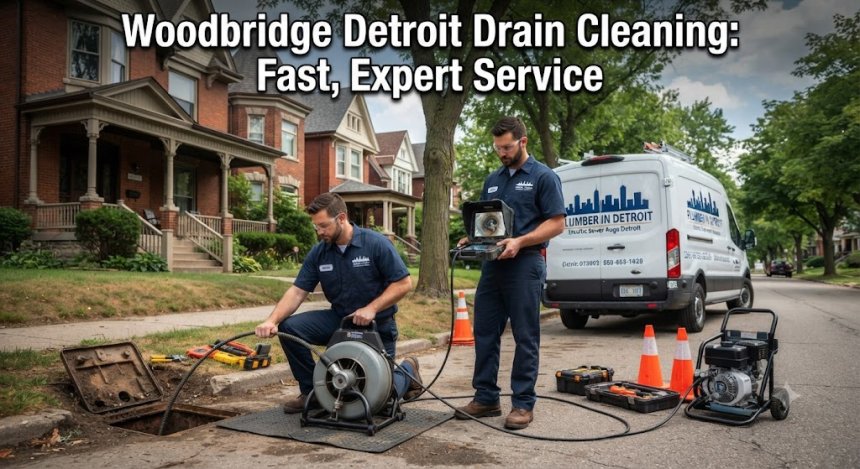
Professional service utilizes specialized equipment—such as motorized drain augers (snakes) and high-pressure water jetters—to clear the entire pipe diameter, not just punch a small hole through the clog. Comprehensive drain cleaning addresses everything from simple hairballs in a bathtub to stubborn tree root intrusions deep within the main sewer line.
Why Do Clogged Drains Happen in Woodbridge?
Drain clogs are a fact of life, but in an older neighborhood like Woodbridge, certain factors make them more frequent and severe:
1. Aging Sewer Infrastructure
Many homes in Woodbridge were built in the late 19th and early 20th centuries. The original clay or cast-iron sewer lateral lines serving these properties have likely reached or exceeded their intended lifespan. Over decades, these pipes can crack, collapse, or develop rough spots that snag debris.
2. Tree Root Intrusion
Woodbridge is famous for its mature trees. While beautiful, their extensive root systems are notorious for seeking out sources of water and nutrients. Even microscopic cracks in aging sewer pipes allow moisture to escape, attracting roots. Once inside, roots proliferate, creating massive blockages and structural damage.
3. Buildup of FOG (Fats, Oils, and Grease)
In both residential kitchens and local Woodbridge restaurants along Grand River, pouring fats, oils, and grease down the drain is a primary cause of clogs. FOG may appear liquid when hot, but as it cools within the pipes, it solidifies, creating stubborn, sticky blockages that trap other waste.
4. Flushing Non-Biodegradable Items
Despite labeling, items like "flushable" wipes, baby wipes, paper towels, and feminine hygiene products do not break down like toilet paper. They accumulate in the sewer line, often combining with grease to form massive "fatbergs" that completely block the flow of sewage.
5. Mineral Buildup (Scaling)
Detroit’s municipal water supply carries a high mineral content (hard water). Over many years, these minerals precipitate out of the water and adhere to the inner walls of pipes, forming a hard, scale-like buildup that narrows the pipe diameter and slows drainage.
Signs You Should Never Ignore
Your plumbing system usually provides clear warning signs before a complete blockage occurs. Calling for professional drain cleaning at the first sign of trouble can prevent a messy emergency.
-
Slow Draining Fixtures: If your bathtub takes 20 minutes to empty after a shower, or your kitchen sink fills up while doing dishes, you have a developing clog.
-
Gurgling Sounds: Hearing a bubbling or gurgling noise from your drains (especially when a toilet flushes or a washing machine runs) indicates trapped air trying to escape past a blockage.
-
Foul Odors: Smelling sewer gas or rotting food coming from your drains suggests accumulated organic matter that needs immediate cleaning.
-
Multiple Clogged Drains Simultaneously: This is the most serious warning sign. If toilets, sinks, and tubs are all backing up or draining slowly at the same time, the blockage is likely deep in your main sewer line.
-
Fruit Flies in the Kitchen or Bathroom: These pests are attracted to the decaying organic matter and bacteria present in dirty drains.
-
Water Backing Up from Lowest Drains: If you see water or sewage emerging from a basement floor drain when you run water upstairs, your main sewer line is compromised.
Common Plumbing Problems Related to Clogged Drains
Ignoring a slow drain allows the problem to escalate, leading to interconnected issues throughout your home or business:
-
Sewer Line Backups: A main line clog forces wastewater backward, leading to raw sewage flooding into basements through floor drains.
-
Pipe Corrosion and Leaks: Standing water and acidic organic buildup can accelerate the corrosion of older pipes, causing them to develop pinhole leaks or burst.
-
Water Damage: Backups and leaks damage flooring, drywall, cabinetry, and personal belongings.
-
Mold and Mildew Growth: Chronic dampness inside walls or under floors from leaking pipes creates a perfect environment for toxic mold.
-
Pest Infestations: Cracks in sewer lines and accumulated organic waste attract rodents and insects.
Step-by-Step Professional Drain Cleaning Process
When you call Plumber in Detroit for service in Woodbridge, we follow a proven, transparent process:
-
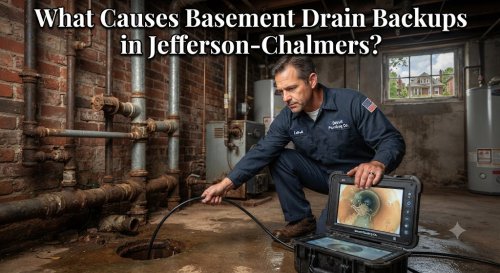
Initial Inspection and Diagnosis: Our technician arrives promptly and listens to your concerns. We use specialized drain inspection cameras to visually examine the interior of your pipes, identifying the exact location and cause of the clog without guesswork.
-
Honest Assessment and Upfront Pricing: We show you the camera footage, explain the problem, and provide a clear, upfront price quote for the recommended cleaning method. There are no hidden fees.
-
Preparation and Protection: Our team prepares the work area, using drop cloths and protective mats to keep your historic Woodbridge home clean.
-
Effective Clog Removal: We employ the best method for the situation:
-
Motorized Auger (Snaking): For breaking through tough clogs, grease, and retrieving foreign objects.
-
Hydro-Jetting: For heavy scaling, persistent roots, and stubborn grease buildup. This method scours the pipe walls clean using high-pressure water.
-
-
Post-Cleaning Verification: After the cleaning is complete, we run the drain camera down the line again to ensure the blockage is completely removed and the pipe is flowing freely.
-
Cleanup and Sanitization: We thoroughly clean the work area and sanitize any affected fixtures, leaving your home better than we found it.
Can You Fix It Yourself?
Understanding the difference between safe DIY maintenance and potentially dangerous interventions protects your plumbing and your safety.
Safe DIY Solutions
For minor, localized clogs, you can safely use:
-
A Flange Plunger: Excellent for dislodging toilet clogs.
-
A Sink Plunger (Cup Plunger): Useful for slow kitchen or bathroom sinks.
-
Boiling Water: Pouring boiling water down a kitchen sink can sometimes help dissolve minor soap or grease buildup.
-
Baking Soda and Vinegar: A natural alternative that can help with minor, fresh clogs.
When DIY Becomes Dangerous
Plumber in Detroit strongly advises against:
-
Chemical Drain Cleaners: These products contain harsh, caustic acids that generate immense heat. While they may sometimes clear a small clog, they can severely damage aging cast-iron or PVC pipes, leading to leaks inside walls or under floors that are expensive to repair. They are completely ineffective against tree roots and major blockages.
-
Renting Commercial Augers: Heavy-duty motorized drain snakes are dangerous. Without proper training, the spinning cable can twist violently, causing serious wrist or hand injuries. Improper use can also break older, brittle pipes underground, turning a slow drain into a collapsed sewer line that requires emergency excavation.
-
Using Mechanical Snakes on Main Lines: Attempting to clear a main sewer line clog from a roof vent is hazardous and often ineffective without a camera to see what you are doing.
If a plunger doesn't work, or if you suspect a main line issue, it is always safer and more cost-effective to call a licensed professional.
Tools Professionals Use
Professional plumbers rely on advanced equipment to diagnose and clean drains effectively:
-
Sewer Inspection Cameras: High-resolution, waterproof cameras on flexible rods that provide a live video feed of the pipe's interior. This allows technicians to see the exact nature of the clog (grease, roots, cracks) and its location.
-
Motorized Drain Augers (Snakes): Powerful machines equipped with long, flexible steel cables and various cutting heads designed to bore through tough obstructions in both main and secondary lines.
-
Hydro-Jetting Machines: Industrial-grade pumps and hoses that deliver water at extremely high pressure (up to 4,000 PSI) through specialized nozzles. Hydro-jetting not only breaks up clogs but also scours the pipe walls clean of grease, scale, and roots, restoring the pipe to near-original diameter.
-
Pipe Locators: Devices used in conjunction with drain cameras to pinpoint the exact location and depth of a clog or pipe issue from above ground, which is essential if excavation is required.
How Long Does Drain Cleaning Usually Take?
The duration of the service depends on the complexity of the clog and the accessibility of the pipes:
-
Simple Secondary Drain Clogs: Clearing a slow bathroom sink, bathtub, or kitchen drain typically takes 45 minutes to 1.5 hours.
-
Main Sewer Line Clogs (Augering): Clearing a main line blockage from an accessible cleanout generally takes 1 to 2 hours.
-
Main Sewer Line Clogs (Hydro-Jetting): A thorough hydro-jetting service for severe buildup or roots can take 2 to 3 hours.
-
Emergency Response: Our local Detroit team aims to be at your Woodbridge home within 60-90 minutes of your call for emergencies, with diagnosis and containment beginning immediately upon arrival.
Cost Factors
Ethical plumbing companies do not provide flat rates for drain cleaning sight unseen. The final cost depends on several variables:
-
The Severity and Type of Clog: Soft clogs in secondary lines are faster to clear than dense root intrusions in the main sewer line.
-
Accessibility of the Drain: If an accessible cleanout port is available, the job is faster. If we need to remove a toilet or access the line through a roof vent, labor costs increase.
-
The Method Required: Standard augering is generally less expensive than specialized hydro-jetting, which requires more equipment and setup time.
-
Time of Service: Emergency after-hours, weekend, or holiday service calls typically carry a higher premium compared to scheduled weekday appointments.
-
The Condition of Your Pipes: If the initial camera inspection reveals a collapsed or severely damaged pipe, cleaning will not solve the issue. In such cases, we will provide an honest estimate for repair or replacement instead.
Plumbing repair costs vary depending on the severity of the problem, accessibility, materials required, emergency service, property type, and local labor rates.
Hidden Truths Homeowners Should Know
Understanding these practical realities of the plumbing industry can save you money and stress:
-
Small Clogs Become Expensive Repairs: Ignoring a minor slow drain allows organic matter, grease, and minerals to build up, accelerating pipe corrosion and leading to larger, more expensive blockages or pipe failures.
-
Chemical Cleaners are a Trap: While cheap upfront, chemical cleaners often damage older pipes in Woodbridge, leading to hidden leaks inside walls or under slabs that cost thousands to fix.
-
Tree Roots Always Return: Simply using a drain snake to punch a hole through tree roots provides only temporary relief. The roots will grow back thicker within months. Only hydro-jetting or permanent pipe repair/replacement solves the issue long-term.
-
Camera Inspection is Essential: Never agree to have your main sewer line cleaned without a prior camera inspection. If the pipe is collapsed, augering will destroy it further. A camera ensures the right tool is used for the job.
-
DIY Mistakes Increase Costs: Attempting to clear a main line with a rental auger often results in getting the cable stuck or breaking the pipe, tripling the repair bill for the professional who has to fix it.
-
Delaying Repairs Causes Structural Damage: Persistent leaks or backups from clogged drains rot wooden framing, subfloors, and damage foundation walls if left unaddressed.
-
Hidden Leaks Increase Utility Bills: An undetected underground or slab leak can waste thousands of gallons of water silently, causing a sudden and unexplained spike in your monthly water bill.
-
Mold Develops Quickly: In damp environments created by plumbing issues, toxic mold can begin growing within 48 to 72 hours. Immediate action is crucial to mitigate health risks and property damage.
-
Annual Maintenance Saves Money: Scheduling an annual professional drain cleaning, especially for older homes with mature trees, is dramatically cheaper than paying for emergency repairs or premature replacement of major appliances.
-
Hiring Unlicensed Handymen is a Risk: Allowing uninsured, unlicensed individuals to perform complex plumbing alterations often results in code violations, unsafe conditions, and voided insurance claims.
15 Common Mistakes Homeowners Make
Avoid these frequent missteps to keep your drains flowing freely and your plumbing system healthy:
-
Ignoring Minor Leaks: Assuming a small drip under the sink isn't urgent until it causes cabinet rot.
-
Using Chemical Drain Cleaners: Opting for corrosive acids instead of a mechanical snake or plunger to clear clogs.
-
Flushing "Flushable" Wipes: Treating the toilet like a trash can causes major sewer blockages, especially in older homes with cast-iron pipes.
-
Pouring Grease Down Drains: Liquid cooking fat turns into a solid, impenetrable block of grease once it hits cold underground pipes.
-
Overloading Garbage Disposals: Putting fibrous peels, eggshells, and excessive food waste into the disposal.
-
Ignoring Water Pressure Problems: Failing to address high water pressure that stresses pipes and appliances.
-
Hiring Unlicensed Plumbers: Choosing the cheapest option without verifying credentials, insurance, and local reputation.
-
Skipping Water Heater Maintenance: Neglecting to flush the tank to remove sediment buildup.
-
Waiting Until an Emergency: Delaying repairs for known issues until they become after-hours crises.
-
Using Incorrect Pipe Materials: Mixing incompatible materials like copper and galvanized steel, leading to galvanic corrosion.
-
Over-Tightening Fittings: Cranking down on connections, especially with plastic parts, causes cracks and leaks.
-
Leaving Hoses Connected in Winter: Failing to disconnect garden hoses, leading to frozen and cracked outdoor faucets (hose bibs).
-
Burying Cleanouts: Concealing main sewer cleanout access points under landscaping or decks.
-
Ignoring Musty Smells: Overlooking damp odors that indicate hidden leaks and mold.
-
Not Knowing Main Shut-Off Location: Being unable to find the main water valve during a burst pipe emergency.
Maintenance Tips: Protecting Your Woodbridge Home
Proactive care is the best way to extend the life of your plumbing system and avoid costly breakdowns.
-
Install Mesh Strainers: Catch hair, soap scum, and food debris at every drain (sinks, showers, tubs) to prevent clogs before they start.
-
Scrape Plates, Don't Rinse: Wipe fats, oils, and grease into the trash rather than washing them down the kitchen sink.
-
Use Enzymatic Cleaners: Flush bio-enzymatic drain cleaners monthly to safely break down organic buildup in your pipes.
-
Mind the Disposal: Run plenty of cold water when using the garbage disposal, and avoid putting fibrous foods, potato peels, eggshells, or large amounts of food waste in it.
-
Flush Periodically: Manually flush your drains with hot water (for kitchen sinks) or boiling water (carefully) occasionally to help clear minor buildup.
-
Check for Leaks Regularly: Inspect under all sinks and around appliances (washing machine, dishwasher) for any signs of drips or moisture.
-
Manage Tree Roots: If you have mature trees near your sewer line, consider having the line professionally scoped with a camera every 1-3 years to monitor root intrusion.
-
Know Your Cleanout: Locate your main sewer cleanout access point and ensure it is always clear and accessible in case of an emergency.
-
Educate Your Household: Make sure everyone in your home knows what can and cannot be flushed down toilets or put down drains.
-
Call for Help Early: If a drain is consistently slow despite your best efforts, call Plumber in Detroit for a professional inspection before it becomes a full blockage.
When Should You Call an Emergency Plumber?
Certain plumbing situations cannot wait for a scheduled appointment. You should call an emergency plumber immediately if you experience:
-
Total Sewer Backup: Raw sewage is actively flowing up through your basement floor drains, toilets, or tubs. This is a significant health hazard and requires immediate containment and cleanup.
-
Multiple Clogged Drains: All drains in your home (sinks, toilets, showers) have stopped working simultaneously, indicating a major blockage in the main sewer line.
-
Suspected Gas Leak: If you smell a "rotten egg" odor near a gas-fired water heater or furnace associated with a plumbing issue