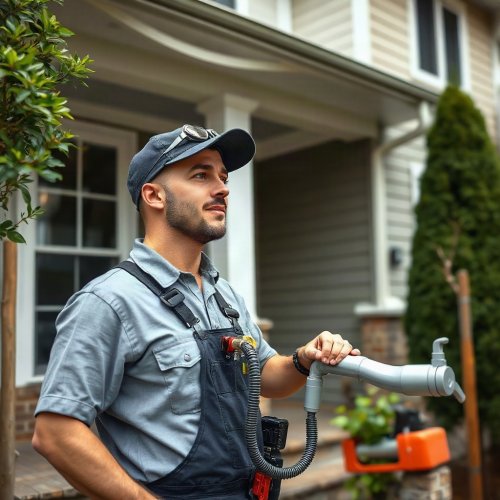
Introduction: Protecting Your Brush Park Property with Expert Plumbing Care
Brush Park is one of Detroit’s most dynamic neighborhoods, seamlessly blending historic Victorian architecture with modern luxury townhomes and newly developed apartment complexes. Located just minutes from downtown and near major arteries like Woodward Avenue, this vibrant community attracts homeowners and business owners who value aesthetic appeal, historical integrity, and modern comfort. However, maintaining a property in Brush Park comes with unique challenges, particularly when dealing with complex or aging plumbing systems.
When a pipe bursts, a drain clogs, or a water heater fails, it disrupts your daily routine and threatens your property's structural integrity. Waiting to address these issues can turn a minor fix into an expensive disaster. Whether you reside in a historic home requiring delicate care or a contemporary build needing rapid maintenance, having a trusted local plumbing professional on speed dial is essential.
At Plumber in Detroit, we specialize in addressing the distinct plumbing needs of Brush Park and surrounding Wayne County neighborhoods. Our licensed professionals combine modern technology with expert craftsmanship to deliver reliable, long-lasting solutions. From routine maintenance to urgent emergency repairs, we are here to protect your home or business.
What Is Professional Plumbing Service?
Professional plumbing service encompasses the comprehensive installation, diagnosis, repair, and maintenance of all water supply, drainage, and gas distribution systems within a residential or commercial building. It goes far beyond a temporary patch job; it ensures your entire network complies with local building codes and operates efficiently.
In Brush Park, professional plumbing often involves balancing the old with the new. You might find century-old cast iron drainage pipes running alongside modern PEX supply lines in a renovated carriage house. A professional plumber understands how these different materials interact and provides targeted solutions that maintain system integrity without risking damage to historic architectural elements.
Common situations requiring a professional plumber in Brush Park include:
-
Sudden drop in water pressure across multiple fixtures.
-
Persistent sewer odors or gurgling drains.
-
Unexplained spikes in water utility bills indicating hidden leaks.
-
Complete loss of hot water or overflowing fixtures.
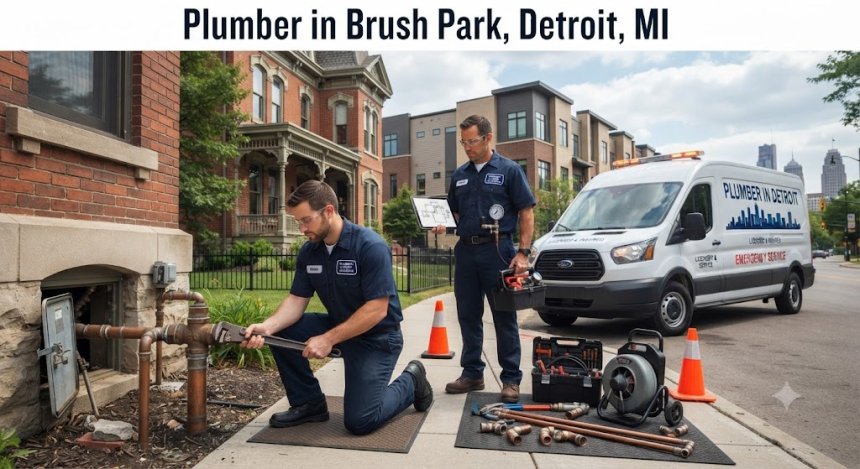
Why Do Plumbing Problems Happen in Brush Park?
Plumbing issues rarely happen without a cause. In an urban historic district like Brush Park, several systemic and environmental factors contribute to frequent plumbing failures:
Aging Infrastructure and Material Fatigue
Many historic properties in Brush Park feature original galvanized steel, cast iron, or clay pipes installed decades ago. Over time, these materials corrode, rust internally, and accumulate scale, drastically reducing water flow and weakening pipe walls until they crack or collapse.
Hard Water Accumulation
Detroit’s municipal water supply contains dissolved minerals such as calcium and magnesium. As water is heated or passes through narrow pipes, these minerals precipitate out, forming a hard, chalky scale. This buildup chokes water heaters, clogs faucet aerators, and strains internal appliance valves.
Tree Root Intrusion
Brush Park features beautiful, mature street trees and landscaped urban gardens. Tree roots are naturally drawn to the moisture escaping from microscopic cracks or loose joints in underground sewer lines. Once inside, roots proliferate rapidly, creating dense blockages and structural damage.
High Municipal Water Pressure
To service multi-story buildings and dense urban zones, municipal water mains sometimes supply high pressure to local service lines. If a home lacks a properly functioning pressure-reducing valve (PRV), this continuous high pressure batters joints, fixtures, and water heater tanks, leading to premature leaks or bursts.
Signs You Should Never Ignore
Your plumbing system rarely fails without warning. Catching these early symptoms can save you thousands of dollars in restoration and repair costs:
-
Water Stains and Discoloration: Yellow, brown, or bubbling paint on ceilings and walls indicates a slow, hidden pipe leak above or behind the surface.
-
Slow Draining Fixtures: If multiple sinks or tubs drain sluggishly, it points to a developing blockage in the main branch or sewer line rather than a simple localized hair clog.
-
Musty Odors and Mold Growth: Persistent damp smells or visible mold patches suggest a slow leak beneath floorboards or inside dark wall cavities.
-
Unusual Plumbing Noises: Banging, whistling, or groaning sounds (often called "water hammer") indicate loose pipes, excessive pressure, or failing valves.
-
Sudden High Water Bills: If your household water usage hasn't changed but your monthly bill skyrockets, you likely have a hidden underground or behind-the-wall leak.
Common Plumbing Problems Related to This Issue
Ignoring a minor plumbing fault triggers a cascade of related complications throughout your home:
-
Sewer Line Backups: A neglected main drain blockage will eventually force wastewater backward, causing raw sewage to emerge from basement floor drains and lower-level fixtures.
-
Structural Rot and Foundation Damage: Slabs and subflooring exposed to continuous moisture from hidden leaks lose their structural strength, leading to sagging floors and expensive framing repairs.
-
Water Heater Premature Failure: Excessive sediment buildup or unchecked pressure forces water heaters to work overtime, resulting in sudden tank ruptures and basement flooding.
-
Fixture and Cabinet Destruction: Overflowing sinks and leaking supply lines quickly warp wooden vanity cabinets, ruin hardwood floors, and destroy drywall.
Step-by-Step Professional Repair Process
When you call Plumber in Detroit for service in Brush Park, our technicians follow a rigorous, transparent workflow:
Step 1: Comprehensive Inspection Our licensed plumber arrives on time, puts on protective footwear, and listens carefully to your concerns. We inspect the affected area using visual checks and advanced diagnostic tools.
Step 2: Accurate Diagnosis We identify the root cause of the problem—whether it's a cracked pipe, a failing valve, or root intrusion—rather than just treating the surface symptoms.
Step 3: Upfront Estimate Before picking up a single tool, we explain the problem clearly, outline your repair or replacement options, and provide a transparent, upfront price quote. No hidden fees or surprises.
Step 4: Expert Execution With your approval, we perform the repair using professional-grade equipment and high-quality, code-compliant replacement parts, working cleanly and efficiently.
Step 5: Rigorous Testing Once the repair is finished, we test the system under pressure to verify that leaks are eliminated, flow rates are restored, and safety controls operate correctly.
Step 6: Jobsite Cleanup We clean our work area thoroughly, remove any debris or old parts, and leave your home or business looking immaculate.
Step 7: Maintenance Advice Our technician provides personalized tips to help you maintain your plumbing system and prevent future issues.
Can You Fix It Yourself?
Understanding the boundary between safe DIY maintenance and dangerous professional interventions protects both your safety and your property.
Safe DIY Solutions
Homeowners can safely handle basic tasks such as plunging a single-sink clog with a cup plunger, replacing a worn-out rubber washer inside a dripping faucet handle, cleaning out hair from a shower drain strainer, or turning off the individual fixture shut-off valve during an active minor leak.
When DIY Becomes Dangerous
Attempting complex plumbing repairs without professional training introduces severe risks:
-
Gas Line Hazards: Working on gas-fired water heaters or appliances without a license can trigger catastrophic gas leaks, fires, or carbon monoxide poisoning.
-
Electrical Shock: Troubleshooting 240-volt electric water heaters near standing water poses a lethal electrocution risk.
-
Catastrophic Pipe Failure: Using excessive force on fragile, corroded historic pipes can shatter them, turning a minor drip into an indoor flood.
-
Code Violations: Unpermitted DIY major plumbing alterations can invalidate your homeowner's insurance policy and cause legal complications when selling your home.
Tools Professionals Use
Professional plumbers utilize specialized, industrial-grade equipment to ensure accuracy, speed, and safety:
-
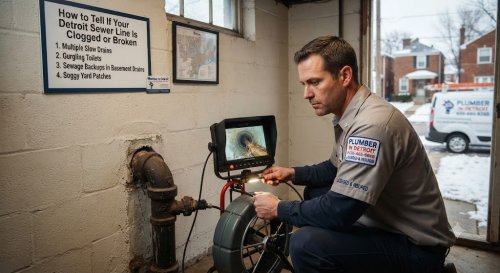
Fiber-Optic Drain Cameras: Flexible cameras inserted into pipes to visually inspect interiors for cracks, roots, and grease blockages.
-
Electronic Leak Detectors: Acoustic and thermal imaging devices that pinpoint hidden water leaks beneath concrete slabs or behind finished walls without exploratory demolition.
-
High-Pressure Hydro Jetters: Heavy-duty water blasters that scour pipe walls clean of scale, grease, and tree roots.
-
Pipe Locators: Radio transmitters used above ground to map the exact path and depth of buried sewer lines.
-
Hydrostatic Pressure Pumps: Tools used to test newly installed plumbing lines for structural integrity and leaks before system activation.
How Long Does the Repair Usually Take?
Repair timelines vary based on the scope and complexity of the problem:
-
Simple Repairs: Fixing a running toilet, replacing a faucet cartridge, or clearing a localized sink trap typically takes 1 to 2 hours.
-
Moderate Repairs: Replacing a garbage disposal, repairing a section of accessible supply pipe, or flushing a water heater takes 2 to 3 hours.
-
Major Repairs: Main sewer line replacement, repiping a bathroom, or installing a new tankless water heater can take anywhere from a full day to multiple days.
-
Emergency Response: For urgent situations like burst pipes or severe backups, our local team dispatches immediately, with arrival in Brush Park typically within a couple of hours.
Cost Factors
Ethical plumbing companies do not offer blind fixed quotes over the phone because every plumbing layout is unique. The cost of your plumbing service depends on several transparent factors:
-
Diagnostic and Labor Time: The complexity and time required to isolate the problem and execute the repair.
-
Accessibility: Whether the pipes are exposed in an open basement or hidden behind historic lathe-and-plaster walls or beneath concrete slabs.
-
Parts and Materials: The quality, grade, and specialized nature of replacement components required.
-
Emergency Dispatch: After-hours, weekend, or holiday service calls involve expedited dispatch fees.
-
Extent of Damage: Whether surrounding structural materials require restoration due to neglect.
Plumbing repair costs vary depending on the severity of the problem, accessibility, materials required, emergency service, property type, and local labor rates.
Hidden Truths Homeowners Should Know
Every property owner should keep these industry realities in mind to safeguard their investment:
-
Small Leaks Become Expensive Repairs: Ignoring a minor drip under a sink allows wood rot and mold to take root, turning a $15 washer replacement into a major cabinetry overhaul.
-
Chemical Cleaners Destroy Pipes: Store-based liquid drain acids generate extreme heat that warps PVC and eats away at old cast-iron pipe interiors.
-
Insurance Dislikes Neglect: Home insurance providers routinely deny water damage claims if evidence shows the leak stemmed from long-term, unaddressed maintenance issues.
-
Tree Roots Always Return: Mechanical snaking only punches a hole through root masses; without hydro-jetting or chemical root inhibiters, roots grow back thicker.
-
Hard Water Shortens Lifespan: Detroit's mineral-heavy water coats heating elements and internal valves, slashing appliance lifespans by half without proper flushing.
-
DIY Mistakes Increase Costs: Incorrectly installed fittings or over-tightened connections frequently fail under pressure, compounding the ultimate repair bill.
-
Delaying Repairs Causes Structural Damage: Water undermines framing, warps subfloors, and compromises load-bearing elements if left unchecked.
-
Hidden Leaks Spike Utility Bills: An unaddressed underground leak wastes thousands of gallons silently, resulting in surprisingly high water bills.
-
Mold Develops Rapidly: Toxic mold colonies establish themselves within 48 to 72 hours in damp, unventilated spaces created by leaks.
-
Annual Maintenance Saves Money: Routine inspections and tune-ups prevent emergency breakdowns, saving property owners thousands over time.
15 Common Mistakes Homeowners Make
Avoid these common missteps to keep your plumbing system running smoothly:
-
Ignoring Minor Leaks: Brushing off a slow drip until it causes structural water damage.
-
Using Chemical Drain Cleaners: Pouring harsh acids down sluggish drains and accelerating pipe corrosion.
-
Flushing "Flushable" Wipes: Treating toilets like trash cans and creating massive sewer blockages.
-
Pouring Grease Down Drains: Disposing of cooking oil in the kitchen sink where it solidifies in cold pipes.
-
Ignoring Water Pressure Surges: Failing to install a PRV to protect indoor fixtures from municipal pressure spikes.
-
Hiring Unlicensed Handymen: Working with uninsured operators who perform code-violating patchwork.
-
Skipping Water Heater Flushes: Allowing sediment to accumulate and ruin the tank bottom.
-
Waiting for a Catastrophe: Delaying service for slow drains until raw sewage overflows.
-
Mixing Incompatible Metals: Joining copper directly to galvanized steel without a dielectric union, causing rapid galvanic corrosion.
-
Over-Tightening Fixture Fittings: Cranking supply nuts past their limits and cracking plastic or brass threads.
-
Leaving Hoses Connected in Winter: Forgetting to detach outdoor hoses, causing trapped water to freeze and crack hose bibs.
-
Burying Cleanout Access: Concealing main sewer cleanout ports under landscaping decks or concrete pours.
-
Overloading Garbage Disposals: Stuffing stringy vegetables, eggshells, and bulk coffee grounds into the disposal at once.
-
Ignoring Musty Odors: Writing off damp smells as old-house odor instead of investigating hidden leaks.
-
Not Knowing Main Shut-Off Locations: Panicking during a burst pipe because nobody in the home knows how to shut off the main water supply.
Maintenance Tips: Keeping Your Brush Park Plumbing Trouble-Free
Proactive upkeep extends the life of your plumbing system and prevents unexpected headaches:
-
Install Mesh Strainers: Catch hair and food debris at every drain opening before it enters your plumbing lines.
-
Scrape Plates Before Washing: Wipe grease and solid food scraps into the trash rather than washing them down the kitchen drain.
-
Flush Water Heaters Annually: Remove sediment buildup from your water heater tank once a year to maintain peak heating efficiency.
-
Test Shut-Off Valves: Turn your main water shut-off valve off and on once every six months to prevent it from seizing up.
-
Monitor Water Bills: Review monthly water statements for unexplained increases that could indicate hidden leaks.
-
Avoid Chemical Cleaners: Use enzymatic biological cleaners instead of harsh acids for routine maintenance.
-
Insulate Exposed Pipes: Protect basement or crawlspace pipes from freezing during harsh Detroit winters.
When Should You Call an Emergency Plumber?
Certain situations require immediate, professional intervention regardless of the hour:
-
Burst or Broken Water Pipes: Water gushing into living areas or basements requires shutting off the main valve and calling an emergency plumber immediately.
-
Severe Sewage Backups: Wastewater rising through toilets and floor drains poses a serious biohazard to your household.
-
Total Loss of Water: Losing your entire water supply unexpectedly (after verifying it isn't a municipal outage).
-
Uncontrollable Flooding: Fixtures or supply lines overflowing with no way to isolate the flow locally.
-
Gas Smells: If your system includes gas lines and you detect a sulfur or rotten egg odor, evacuate immediately and contact professionals.
Frequently Asked Questions (FAQs)
Here are answers to real search queries from property owners in the Detroit area:
Why is my water pressure suddenly low?
Sudden low pressure usually points to a clogged aerator, a failing pressure-reducing valve, or a hidden leak in your supply line. A professional inspection can pinpoint the exact cause.
How much does leak detection cost?
Leak detection costs vary based on the complexity and location of the leak, requiring specialized electronic equipment to locate underground or behind-wall issues accurately without destructive guessing.
Can a clogged drain damage pipes?
Yes. Severe clogs increase internal hydraulic pressure and trap corrosive organic waste against pipe walls, which can lead to cracks or joint leaks over time.
Is hydro jetting safe for old pipes?
An experienced plumber must first perform a camera inspection to assess pipe integrity. For structurally sound cast iron or durable lines, hydro jetting is safe and exceptionally effective.
How do I know if my sewer line is broken?
Common signs include multiple clogged fixtures simultaneously, sewage backing up in basement floor drains, wet spots in the yard, or foul odors lingering near drains.
How long do water heaters last?
Traditional tank water heaters typically last between 8 and 12 years, while tankless models can last 15 to 20 years with proper annual maintenance.
Why does my faucet drip?
Dripping faucets are usually caused by worn-out rubber washers, O-rings, or damaged valve cartridges that need replacement.
What causes pipes to burst?
Pipes most commonly burst due to water freezing and expanding inside them during extreme winter temperatures, or from extreme internal pressure and severe corrosion.
Can plumbing leaks increase my water bill?
Absolutely. Even a small continuous leak or running toilet can waste thousands of gallons of water each month, causing a noticeable spike in your utility bills.
When should I replace plumbing instead of repairing it?
If your pipes are severely corroded, frequently springing leaks in multiple locations, or composed of outdated hazardous materials, full repiping is more cost-effective than continuous patch repairs.
Why Choose Our Plumbing Company
When you need dependable plumbing services in Brush Park, Plumber in Detroit stands out as your local expert partner:
-
Experienced Licensed Plumbers: Our team holds rigorous certifications and brings years of hands-on expertise to every job.
-
Honest Recommendations: We provide transparent advice focused entirely on what is best for your property and budget.
-
Upfront Estimates: You receive clear, fixed pricing before any work begins, eliminating hidden fees or surprises.
-
Fast Response Times: We respect your time and dispatch technicians promptly across the Brush Park and greater Detroit area.
-
Emergency Availability: Our team is ready to respond to urgent plumbing crises when you need us most.
-
Quality Workmanship: We take pride in executing durable repairs that stand the test of time.
-
Modern Equipment: We utilize state-of-the-art diagnostic cameras and hydro-jetting tools to ensure precision work.
-
Customer Satisfaction: Your complete peace of mind and satisfaction remain our highest operational priorities.
-
Local Expertise: We deeply understand the unique architectural styles, historic plumbing nuances, and municipal codes of Detroit neighborhoods.