Low Water Pressure Causes Fiskhorn Homes Detroit
Struggling with low water pressure in your Fiskhorn, Detroit home? Learn the common causes, signs, and professional solutions in this comprehensive guide.Keywords: low water pressure causes, low water pressure

NEED A PLUMBER?
Fast & Local Plumbing Services
Leaks • Clogged Drains • Burst Pipes • Water Heaters • Emergency Plumbing
NEED A PLUMBER?
Fast & Local Plumbing Services
Leaks • Clogged Drains • Burst Pipes • Water Heaters • Emergency Plumbing
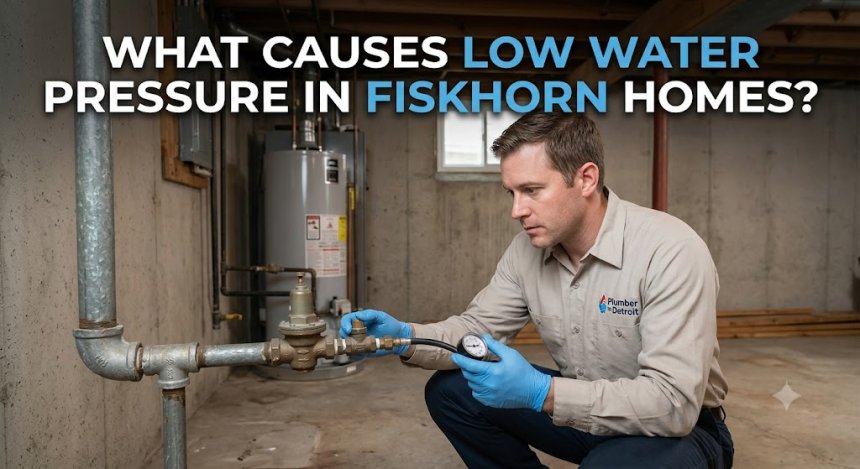
What Causes Low Water Pressure in Fiskhorn Homes ?
Struggling to rinse the soap off after a long day? Frustrated by a dishwasher that takes forever to complete a cycle? If you are a homeowner or business owner in the Fiskhorn neighborhood of Detroit, you might be dealing with low water pressure Fiskhorn Detroit. This plumbing issue is more common than many people think, affecting not only older homes in established Wayne County neighborhoods but also newer builds when specific failures occur.
Sudden or persistent low water pressure is a stressful problem that demands immediate attention. While it may seem like a mere inconvenience, it is often a symptom of significant plumbing failure happening beneath your foundation, behind your walls, or even within the municipal supply line itself. Understanding what causes low water pressure in Fiskhorn homes is essential for preventing structural deterioration, high utility bills, and potentially hazardous biological contamination that can occur when pipe integrity is compromised.
Homeowners frequently search for information on this topic because low water pressure causes can be elusive and difficult to diagnose. This guide is here to answer your important questions before you even pick up the phone, empowering you with practical knowledge about your home's water system.
What Is Low Water Pressure?
Low water pressure is a plumbing condition where fresh water does not flow out of your faucets, showerheads, or appliances with the standard force expected in a modern home. For a homeowner in Fiskhorn, this definition is often felt more than defined: it’s the shower that doesn’t rejuvenate you, the garden hose that barely reaches the flower bed, and the kitchen faucet that trickles.
Symptoms commonly include:
-
Slow-filling appliances like washing machines and dishwashers.
-
Weak streams from showerheads and faucets.
-
The inability to run two fixtures simultaneously.
-
Rattling or knocking sounds (water hammer) accompanying water flow.
While sometimes a city-wide issue, especially during municipal main repairs in the Detroit area, low pressure is frequently localized to your specific property.
Why Does This Plumbing Problem Happen?
There are many variables involved, but low water pressure Fiskhorn Detroit typically stems from one of several interlinked failure points within your home or the nearby supply infrastructure.
Aging Pipes and Corrosion
In many established Fiskhorn homes, original plumbing systems might include galvanized steel or cast iron pipes. Over decades, galvanized steel corrodes internally. This is the causes of sudden low water pressure that builds slowly: the pipe’s inner diameter narrows as rust scale accumulates, restricting flow like cholesterol in an artery. Cast iron pipes, similarly, can develop "tuberculation" (rusty nodules) that significantly reduces water volume.
Corrosion
External corrosion can also be a significant issue, weakening pipes until they develop hidden pinhole leaks, allowing precious fresh water to seep out before it reaches your fixtures.
Hard Water and Mineral Build-Up
While Detroit generally has good municipal water quality, mineral deposits from hard water can still accumulate within faucet aerators, showerheads, and the specialized cartridge valves found in modern fixtures. These small obstructions create significant friction, reducing the final output pressure at individual points of use.
High Water Pressure
This might seem counterintuitive, but consistent high water pressure can be devastating over time. Pressure consistently above 80 PSI stresses weak solder joints, valve seals, and fixture components, making them prone to failures that manifest as major leaks—which then cause low water pressure causes.
Improper Installation and Poor Maintenance
Improperly sized piping or incorrect valve configurations during renovations can stifle water flow. Poor overall maintenance can hide minor issues, allowing them to escalate into system-wide pressure crises.
Sewer Backups and Fixture Failure
While less direct, a severe main drain failure can indirectly impact supply pressure if it strains overall system dynamics or causes widespread household water use during a localized emergency. Worn plumbing fixtures, especially multi-handle shower valves, can also fail internally, mixing hot and cold water without providing adequate flow.
Signs You Should Never Ignore
While weak flow is the most obvious sign, low water pressure causes are often heralded by other warning signs that Fiskhorn homeowners absolutely cannot afford to ignore.
-
Low Water Pressure: Pay close attention to when and where the low pressure is most severe. Is it whole-house or just the master shower? Does it happen suddenly or slowly?
-
High Water Bills: A sudden spike in your utility bill, despite unchanged habits, is a definitive signal of pressurized water escaping your main line.
-
Water Stains: Damp spots on walls, ceilings, or basement joists near where the main water service enters your property are definitive indicators of an underground or in-wall leak.
-
Damp Walls and Mold Growth: Persistent humidity, wet concrete walls, or dark mold patches in the basement or crawl space near the water main entry mean continuous seepage.
-
Strange Noises: Thumping, banging, or persistent rushing sounds near your water meter when fixtures are off mean water is escaping under pressure.
-
Discolored Water: Brownish or cloudy water often indicates significant internal pipe corrosion has mobilized, restricting flow and indicating a pipe near failure.
-
Standing Water: Soft, spongy patches in your front yard, or even a visible puddle forming when it hasn’t rained, directly point to a leaking or ruptured underground main water line.
-
Bad Smells: Stagnant water seeping into foundation soil often develops a musty or moldy odor.
Common Plumbing Problems Related to This Issue
A localized pressure drop is frequently a warning of a broader structural or mechanical failure within your home:
-
Pipe Leaks and Slab Leaks: The same pipe corrosion that causes low pressure also makes lines vulnerable to pinhole and major leaks.
-
Water Heater Failures: Excessive pressure fluctuations strain water heaters, while sediment build-up (which causes low pressure at the heater) can lead to tank leaks and failure.
-
Burst Pipes: Severe corrosion on galvanized or copper pipes can lead to catastrophic bursts, causing extensive whole-house flooding.
-
Fixture and Valve Failure: High pressure strains valve seals, causing faucet drips and internal mixing failures that manifest as low pressure.
Step-by-Step Professional Repair Process
Handling low pressure requires specialized training and diagnostic tools. Here is how a licensed Detroit plumber low pressure expert from our team would handle your problem:
Step 1: Inspection
Our process starts with a full visual and structural assessment of the affected area, including checking main valves, the water meter, and visible piping.
Step 2: Diagnosis
Using precise diagnostic tools, we locate the failure point. This might involve:
-
Pressure Testing: Gauging pressure at outdoor spigots and indoor fixtures to isolate where the drop occurs.
-
Pipe Inspection Cameras: Using waterproof cameras inside drain lines to rule out indirect issues.
-
Leak Detection Equipment: Utilizing acoustic sensors to pinpoint underground fresh water leaks.
Step 3: Estimate
We provide a detailed, written breakdown of the required work, materials, and repair options so you can make an informed decision with full upfront costs.
Step 4: Repair
Whether it's a simple fix like clearing faucet aerators, adjusting or replacing a water pressure regulator, or major re-piping using modern PEX or copper materials, our licensed experts perform high-quality, durable repairs.
Step 5: Testing
After the repair, we re-pressurize the system and perform comprehensive flow tests at all fixtures to ensure stable, balanced pressure is restored whole-house.
Step 6: Cleanup
Our crew ensures your basement or crawl space is left clean, removing all old piping and sanitizing any affected work areas.
Step 7: Maintenance Advice
We won't just fix the immediate problem; our plumbers will provide trustworthy advice on monitoring your system to prevent future pressure crises.
Can You Fix It Yourself?
When confronted with low pressure, many homeowners are eager for safe DIY solutions and temporary fixes.
Safe DIY and What Homeowners Can Safely Do
Fiskhorn homeowners can safely do a few things, mostly focused on localized fixture maintenance:
-
Cleaning Aerators: Most faucets have aerator screens at the tip. Unscrew them and soak them in white vinegar to dissolve mineral scale that commonly causes low flow.
-
Check Main Valves: Verify that both the main water meter valve and your whole-house shut-off valve are completely open (turned fully counter-clockwise). Sometimes they are accidentally turned partially closed.
-
Monitor Water Meter: Turn off all water whole-house and check the leak indicator on your water meter (often a small red dial or triangle). If it's still turning, you have pressurized water escaping, which confirms an underground leak and requires professional help.
When DIY Becomes Dangerous
Attempting major system modifications like adjusting the water pressure regulator without a gauge can spike whole-house pressure above 80 PSI, causing burst pipes, appliance failure, and appliance leaks. Prying at ancient whole-house gate valves can snap the valve stem, causing an instant, localized main-line water surge that can flood your basement. Cutting into main supply lines without proper tools and materials is incredibly dangerous. Simply put, DIY mistakes increase repair costs dramatically and can turn a stable problem into a catastrophic one.
For structural issues like re-piping or underground leak detection, professional plumbing is necessary. Our licensed plumbers have the specialized training, commercial equipment, and safety gear to perform the job safely and effectively.
Tools Professionals Use
A specialized causes of sudden low water pressure expert uses high-tech tools to avoid destructive guessing:
-
Pressure Testing Equipment: Gauges with specialized adapters measure static and dynamic water pressure at various points.
-
Leak Detection Equipment: Using ground microphones and acoustic sensors, we can pinpoint precisely where pressurized water is escaping underground.
-
Pipe Locators: Electro-magnetic transmitters trace the exact underground path of main service lines across your yard.
-
Pipe Inspection Cameras: High-definition waterproof cameras help diagnose indirect sewer or drain issues.
How Long Does the Repair Usually Take?
Timelines for a low water pressure causes solution vary significantly depending on the underlying problem:
-
Simple Repairs (1–2 Hours): Clearing fixture aerators, adjusting or replacing localized valves, or repairing simple pipe sections.
-
Moderate Repairs (2–5 Hours): Replacing a water pressure regulator, repairing a localized underground main line leak, or replacing a standard water heater.
-
Major Repairs (1–3 Days): Full whole-house re-piping with PEX or copper, trenchless main water line replacement, or major excavation for complex repairs.
-
Emergency Repairs: While response is immediate, the actual repair time for a burst pipe or main line rupture still takes several hours or days to stabilize and replace.
Factors that influence timelines include pipe accessibility, soil composition (hard clay tile vs. sand), and current weather conditions in Detroit.
Cost Factors Explained
It's impossible to give a generic, fixed price without a proper diagnostic assessment. Do not provide fake fixed prices. The truth is, plumbing repair costs vary depending on the severity of the problem, accessibility, materials required, emergency service, property type, and local labor rates.
Diagnostic Fees and Labor
The primary cost factors include the initial diagnostic service call, any required permits from the city of Detroit, and the specialized equipment needed (like acoustic leak detectors or pipe bursting rigs). Labor rates can increase for after-hours emergency dispatches.
Parts and Materials
The cost of new water pressure regulators, brass valves, copper piping, or high-density PEX-a tubing affects the final cost.
Accessibility and Pipe Condition
Repairing a single leak under a concrete driveway costs far more than the same repair in an open lawn. Full replacement (re-piping) is almost always a superior long-term investment than spot-repairing ancient, terminally clogged pipes Detroit. A spot repair on a thinned galvanized pipe is often throwing good money after bad, as the next leak is likely right around the corner. Our licensed plumbers always provide honest recommendations based on a holistic assessment.
Hidden Truths Homeowners Should Know
Understanding these practical realities can save you from catastrophic failures.
-
Small Leaks Become Expensive Repairs: A minor whole-house pressure drop is frequently the first sign of an underground main water line leak that is silently eroding the soil under your foundation. Ignoring it leads to massive structural failure that costs exponentially more to remediate than the initial repair.
-
Cheap Temporary Fixes Often Fail: Wrapping a galvanized steel pipe with pipe repair tape is a short-term patch that nearly always fails quickly and often fails spectacularly, causing devastating, pressurized flooding.
-
Insurance May Not Cover Neglected Plumbing: Many standard whole-house insurance policies in Detroit exclude coverage for water damage caused by neglected plumbing or slow leaks. If you ignore warning signs and wait until a catastrophe occurs, your claim might be denied.
-
Tree Roots can repeatedly damage sewer lines: If you have large trees near your main line, their roots will try again. While less direct, severe drain line intrusion can indirectly strain overall supply pressure. A professional camera check is needed to know for sure.
-
Hard Water Shortens Fixture Lifespan: While Detroit generally has good water, mineral build-up irritates seals, cartridges, and elements. Annual maintenance saves money by catching this early. Hidden leaks increase utility bills constantly, wasting precious water and dollars.
-
DIY Mistakes Increase Repair Costs: Prying at ancient valves can snap stems, turning a minor issue into an instant main-line emergency. Incorrect re-piping materials can fail rapidly.
-
Delaying Repairs Causes Structural Damage: Water seeping into soil under foundations can cause soil failure and foundation shifting. High indoor humidity fosters toxic mold growth quickly in basements and crawl spaces, which can weaken structural wood over time.
15 Common Mistakes Homeowners Make
Learn from other homeowners’ errors to protect your plumbing system:
-
Ignoring Leaks: Thinking that subtle signs will fix themselves.
-
Using Chemical Drain Cleaners: Highly toxic and corrosive to older pipe networks; they are never a solution for supply lines.
-
Flushing Wipes and Feminine Hygiene Products: Synthetics that treat your whole-house like a trash can and are a major cause of sewer backups.
-
Pouring Grease down Drains: Liquid fats solidify inside pipes, causing massive biological clogs.
-
Ignoring Water Pressure Problems: High water pressure and low water pressure are symptoms of severe systemic failures.
-
Hiring Unlicensed Plumbers: Risking poor workmanship, code violations, and zero liability for major structural repairs.
-
Skipping Annual Maintenance and Inspections: Annual maintenance saves money by catching small issues early.
-
Waiting Until emergencies: Addressing problems early during regular business hours is cheaper and less stressful.
-
Using the Wrong Pipe Materials for DIY: Incorrect pipe materials fail rapidly under pressurized water.
-
Over-Tightening Plumbing Fittings: This is a classic mistake that cracks fittings or thins pipe threads, causing immediate leaks.
-
Flushing Cotton Balls and Paper Towels: These swell with water, creating dense blockages.
-
Assuming "Flushable" means biodegradable: It only means it can make it past the toilet trap.
-
Planting Trees over Sewer Lines: Guarantees future tree root intrusion.
-
Overfilling Washing Machines: Can create excess suds and strain an aging drain line.
-
Overlooking Basement Cleanouts: Keeping access clear is essential for maintenance and quick diagnostics.
Maintenance Tips specifically for your Supply Line
Implementing a few basic habits can dramatically extend the life of your main water line.
Safe Flush Practices
The toilet is only for human waste and toilet paper. Teaching every household member this one rule is the single best way to prevent sewer backups.
Kitchen Drain Care
Collect all cooking grease and fats in a container, let it solidify, and throw it in the trash. regularly pour a kettle of boiling water down your kitchen sink to dissolve minor grease coats.
Root Management and Seasonal Advice
If you have large trees, schedule an annual maintenance saves money camera inspection. Catch tree roots in sewer pipe while they are thin and manageable. In Michigan, ensure exterior pipes in unheated spaces are properly insulated against severe freeze events. A quick seasonal checkup before major winter or spring Detroit storms is wise.
Install a Backwater Valve
For some low-lying areas near Fiskhorn, installing a backwater valve (or sewer backflow preventer) can be a smart preventive step. This one-way valve allows wastewater to leave but prevents municipal sewage from backing into your house during heavy rain events.
When Should You Call an Emergency Plumber?
Recognizing when to call for immediate help can limit the damage to your home. Call Plumber in Detroit for immediate whole-house or main-line emergencies including:
-
Sewage Backing Up: raw sewage coming out of basement floor drains or lower toilets is a severe health hazard. Immediate action is essential to prevent contamination and damage.
-
Burst Pipes: active, pressurized water gushing from ceiling cavities or walls demand an instant main-water shut-off and emergency repair.
-
No Running Water or Flushes: indicating a major main line break or severe failure, rendering your home unsanitary.
-
Major Water Leaks or Flooding: any major, uncontrolled leak that risks structural damage or extensive property loss.
-
Gas Line Concerns: while less common for supply water pressure, if you have gas concerns related to a simultaneous furnace breakdown or water heater emergency, contact your Detroit gas utility immediately and evacuate first.
Immediate action is vital to minimize structural wood rot, biological contamination, and the total cost of restoration.
Frequently Asked Questions
Homeowners in the Fiskhorn area frequently ask us these questions:
Why is my water pressure suddenly low?
Sudden pressure drops point to a municipal water main repair, a fully shut main valve, a sudden major water leak, or a complete failure of your pressure reducing valve.
How much does leak detection cost?
Cost varies depending on the technology needed, such as digital locators or acoustic equipment. Contact us for specific pricing in the Fiskhorn area.
Can a clogged drain damage pipes?
Yes, absolutely. The internal pressure from a severe blockage can weaken joints and crack old, fragile pipes. DIY chemical cleaners are also a leading cause of pipe damage.
Is hydro jetting safe for old pipes?
This is a great question. Hydro jetting is safe if used correctly by a trained professional. A camera inspection is always performed first to confirm the pipe is structurally sound. We adjust the pressure to safe levels for older lines.
How do I know if my sewer line is broken?
A definite diagnosis is only possible with a specialized camera inspection. However, signs like pervasive sewage odors, wet patches in your yard, sinkholes, and persistent unresolved clogs are strong indicators.
How long do water heaters last?
Typically, traditional tank water heaters last 8-12 years. Regular maintenance can extend this, but Detroit has hard water, which can shorten lifespan.
Why does my faucet drip?
Most faucet drips are caused by worn-out O-rings, washers, or cartridges. It’s a cheap, easy fix, but letting it go waste water and can indicate high water pressure.
What causes pipes to burst?
Freezing, physical damage, and pressure from blockages are the most common causes. Sewage backups can put incredible stress on older lines, making them prone to bursting.
Can plumbing leaks increase my water bill?
Yes, dramatically. Even a tiny, hidden leak in your main line or supply line can waste thousands of gallons of water each month, pushing your bill skyward.
When should I replace plumbing instead of repairing it?
Replacement is generally necessary when repairs are extensive, frequent, or on obsolete pipe material like brittle clay tile or thinned, severely corroded galvanized steel.
Why Choose Our Plumbing Company?
A main-line plumbing crisis is a frightening, high-stress situation. You need a trusted partner who can provide honest, expert, and transparent service.
Experienced Licensed Plumbers
Our team consists entirely of experienced licensed plumbers. We understand the unique challenges of Detroit’s aging infrastructure and older homes. We never use untrained subcontractors.
Honest Recommendations and Upfront estimates
We pride ourselves on transparency. After a whole-house visual and camera diagnostic, we will give you honest recommendations based on the objective condition of your pipes. We always provide detailed, upfront estimates in writing before starting any major re-piping or repair.
Fast Response and Emergency Availability
A sewage backup demands immediate action. We offer reliable emergency sewer and plumbing services to Detroit and surrounding neighborhoods with a fast response rate to mitigate contamination.
Quality Workmanship and Modern Equipment
We commit to providing high-quality workmanship that meets or exceeds current plumbing codes. We invest in modern equipment like high-definition drain cameras, acoustic leak detectors, specialized pipe-bursting tools, and hydro-jetting rigs to ensure precision. We only use high-quality, durable materials.
We take customer satisfaction seriously and are proud of our local expert reputation. Don't face a frightening whole-house or main-line plumbing issue alone. Contact Plumber in Detroit for trusted, experienced local experts near Fiskhorn.