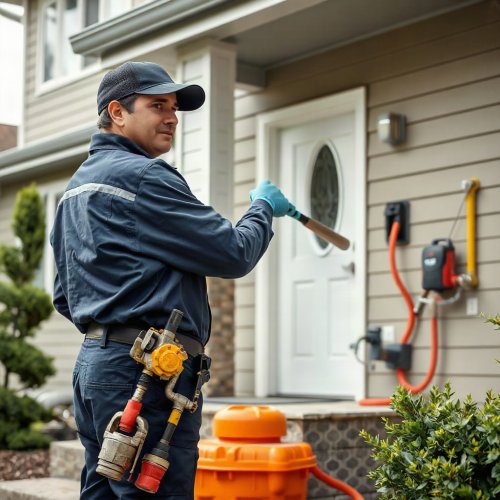
Why Bathroom Pipes Bang in Detroit Homes & How to Fix It
Discover why your Detroit home's bathroom pipes bang when shutting off faucets. Learn about water hammer causes, risks, and plumbing solutions.

NEED A PLUMBER?
Fast & Local Plumbing Services
Leaks • Clogged Drains • Burst Pipes • Water Heaters • Emergency Plumbing
NEED A PLUMBER?
Fast & Local Plumbing Services
Leaks • Clogged Drains • Burst Pipes • Water Heaters • Emergency Plumbing
If you live in Detroit and hear a loud bang, thud, or shudder in your walls every time you shut off a bathroom faucet or flush the toilet, you are dealing with a classic plumbing phenomenon known as 'water hammer.' Over my 20 years in the plumbing industry, this is one of the most common acoustic complaints homeowners bring up. While it might sound like someone is striking your home's framing with a hammer, it is actually a hydraulic shockwave traveling through your piping system.
What Causes Bathroom Pipes to Bang?
Water hammer occurs when flowing water is forced to stop or change direction abruptly. When you have a faucet wide open, water is rushing through the supply lines at high speed. The moment you snap the handle closed, that moving mass of water hits a sudden dead end. Because water is essentially incompressible, the energy has nowhere to go. It bounces backward, creating a massive pressure shockwave that causes the pipes to violently vibrate and strike against wooden studs, concrete blocks, or metal hangers.
In many older homes throughout Detroit, this issue is compounded by aging infrastructure. Older galvanized steel or copper piping may have been secured loosely during initial construction decades ago, leaving more room for vibration. Additionally, mineral buildup from hard water can alter how system components absorb pressure shocks over time.
The Hidden Risks of Ignoring Banging Pipes
Many property owners treat pipe banging as a mere annoyance, but it is actually a sign of physical stress on your plumbing system. Ignoring chronic water hammer can lead to:
- Joint Failures: The constant shockwave slowly weakens soldered copper joints and threaded fittings, eventually leading to slow leaks inside walls or ceilings.
- Fixture Damage: Cartridges, washers, and internal valve components in your faucets and toilets wear out much faster under high-impact pressure spikes.
- Pipe Fatigue: Over years of violent shuddering, metal pipes can crack, split, or work their way loose from their brackets.
How to Diagnose the Source of the Shockwave
Pinpointing where the noise originates helps determine the appropriate fix. Start by testing multiple fixtures around the house:
- Does the bang happen when the bathroom sink is shut off quickly, but not when turned off slowly?
- Does the noise occur specifically when the toilet tank finishes filling?
- Is the sound localized to one specific bathroom, or does it echo throughout the entire house?
If slamming a single faucet causes the noise, the issue is usually isolated to that supply line. If closing any valve in the house triggers a loud thud near the main water supply entry, your home's overall pressure management may need attention.
Practical Solutions for Water Hammer
Depending on the root cause and the age of your plumbing system, a few standard methods resolve banging bathroom pipes:
1. Recharging Air Chambers
Many traditional homes feature vertical sections of capped pipe near fixtures designed to act as air cushions. Over time, these chambers fill completely with water, losing their air cushion. Draining your home's entire plumbing system by shutting off the main water valve and opening all faucets allows these air chambers to empty and refill with trapped air.
2. Installing Water Hammer Arrestors
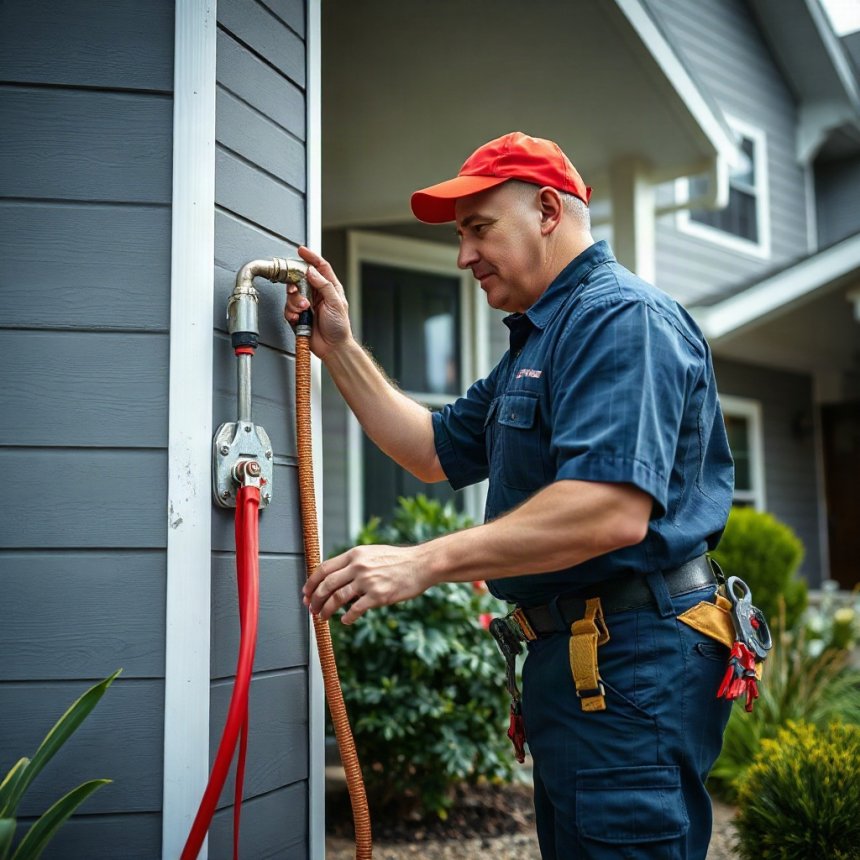
Modern plumbing systems utilize mechanical water hammer arrestors. These compact devices contain a sealed piston and air chamber that absorbs the shockwave right before it reaches the valve. Installing these on bathroom supply lines beneath the sink is a reliable, permanent fix.
3. Securing Loose Piping
If pipes were not properly anchored during installation, they will rattle against framing. Accessing crawlspaces, basements, or accessible wall cavities to install secure pipe straps and insulation can quiet the vibrations significantly.
4. Checking Municipal Water Pressure
Sometimes the issue starts right at the main service line. If incoming municipal water pressure is excessively high, it magnifies every pressure surge inside your home. A professional can test your system pressure and install a pressure-reducing valve (PRV) if necessary.
Frequently Asked Questions
Can a running toilet cause bathroom pipes to bang?
Yes. When a toilet fill valve shuts off abruptly, it can trigger a water hammer effect just like a faucet. If your toilet makes a loud thud right as the tank finishes filling, the fill valve or the supply line may need a hammer arrestor.
Is a banging pipe an emergency?
Usually, water hammer is a chronic maintenance issue rather than an immediate emergency. However, if the banging is accompanied by a sudden drop in water pressure or visible leaks, it requires prompt attention to prevent structural water damage.
Can I fix water hammer myself?
Draining the home's plumbing system to reset air chambers is a manageable DIY task for some homeowners. However, cutting into supply lines to install mechanical arrestors or adjusting main pressure regulators typically requires professional Detroit plumbing services to ensure proper sealing and code compliance.