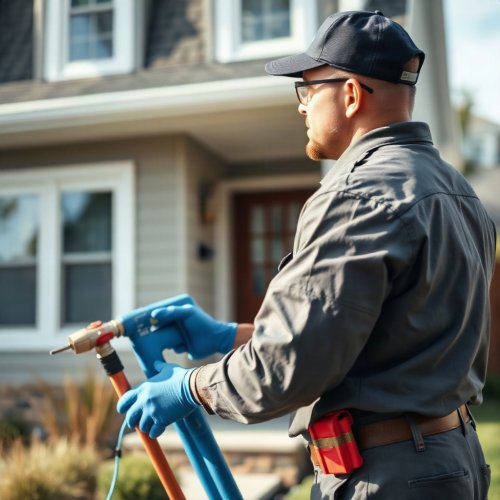
How to Deal With Tree Root Intrusion in Detroit Sewer Lines
Learn how tree roots invade Detroit sewer lines, the warning signs of a blocked pipe, and practical repair options for local property owners.


NEED A PLUMBER?
Fast & Local Plumbing Services
Leaks • Clogged Drains • Burst Pipes • Water Heaters • Emergency Plumbing
NEED A PLUMBER?
Fast & Local Plumbing Services
Leaks • Clogged Drains • Burst Pipes • Water Heaters • Emergency Plumbing
Understanding Tree Root Intrusion in Detroit Properties
Tree root intrusion is one of the most destructive plumbing issues facing homeowners and property managers across Detroit, Michigan. Older neighborhoods featuring mature maples, oaks, and elms often experience severe underground root growth. Because sewer pipes carry warm water and nutrient-rich vapor, tiny cracks or loose joints in underground lateral lines act as a magnet for thirsty roots. Once a root penetrates a small opening, it thrives inside the pipe, expanding over time and forming a dense net that catches grease, paper, and debris.
Warning Signs of Roots in Your Main Sewer Line
Recognizing the early indicators of root damage can prevent a complete sewer line collapse or a catastrophic basement backup. Property owners should monitor their plumbing system for specific behavioral changes:
- Multiple Slow Drains: When sinks, bathtubs, and toilets begin draining slowly at the same time, the blockage is typically located in the main sewer line rather than a single branch drain.
- Gurgling Toilets: If flushing a toilet causes gurgling sounds in the tub or shower drain, trapped air is escaping through the plumbing vent because roots are restricting the main pipe.
- Frequent Backups: Water or sewage backing up into the lowest level of the home—such as a basement floor drain or utility sink—is a major warning sign.
- Unusually Lush Lawn Patches: If a specific area of your yard above the sewer line path stays remarkably green or soggy, a leaking, root-damaged pipe may be fertilizing the soil.
Why Detroit Infrastructure and Soil Play a Role
Detroit features a mix of aging infrastructure, including older clay tile and cast iron sewer laterals installed decades ago. Clay pipes feature numerous mortar joints that deteriorate over time, creating easy entry points for aggressive root systems. Furthermore, Detroit's clay-heavy soil retains moisture differently throughout the changing seasons, causing ground shifting that can stress pipe connections and open up small gaps for roots to exploit.
Diagnostic Methods Used by Professional Plumbers
When investigating a suspected root intrusion, professional plumbers rely on specialized diagnostic equipment rather than guesswork. A video camera inspection involves feeding a waterproof fiber-optic camera directly into the cleanout and through the sewer line. This allows the technician to view the interior walls of the pipe in real time, pinpointing the exact location, severity, and cause of the blockage, as well as checking for structural collapses or cracked pipe segments.
Effective Repair and Removal Options
Depending on the extent of the damage revealed during the camera inspection, several approaches can restore proper flow to a root-damaged sewer line:
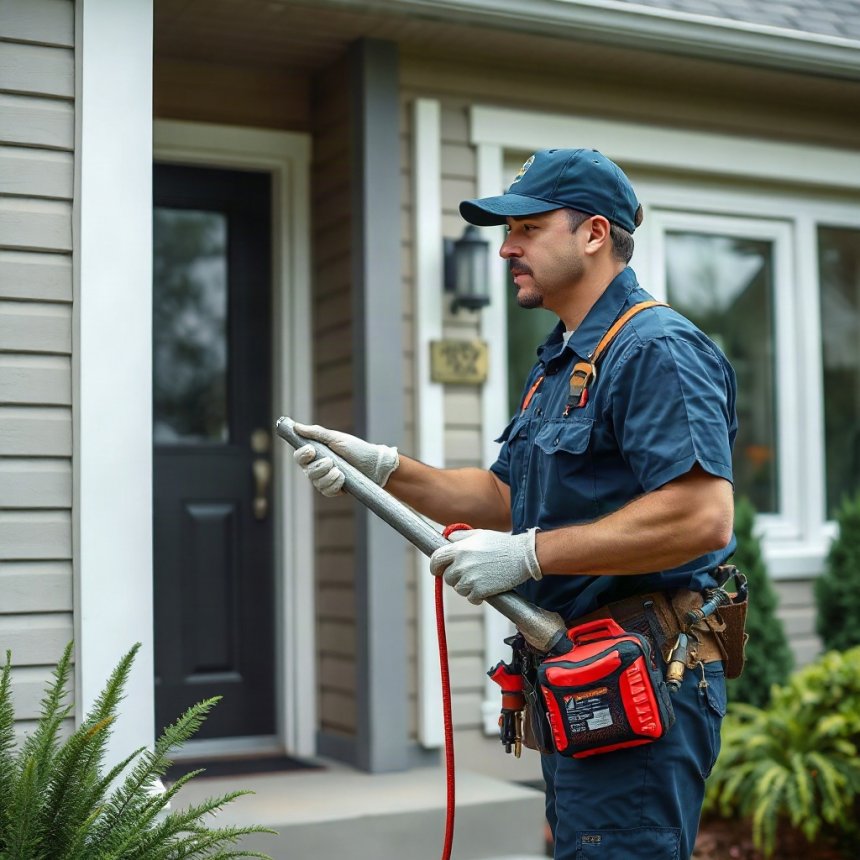
- Hydro Jetting: High-pressure water streaming through specialized nozzles can slice through thick root masses and scour the interior pipe walls clean of scale and debris.
- Mechanical Root Cutting: Heavy-duty motorized augers equipped with cutting blades travel down the line to slice away dense root networks.
- Trenchless Pipe Lining: For pipes with structural damage caused by roots, a seamless epoxy liner can be pulled through the existing pipe and inflated, creating a durable new pipe from the inside out without excavating the yard.
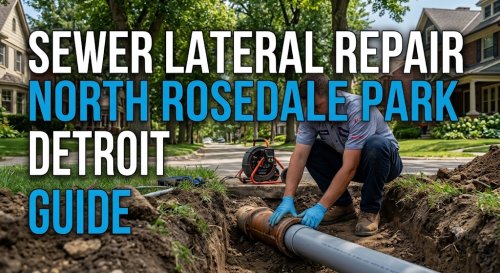
- Traditional Excavation: In cases of severe pipe collapse or structural failure, the damaged section of the pipe must be physically dug up and replaced.
Preventative Maintenance Tips
While mature trees enhance Detroit's neighborhoods, property owners can take proactive steps to minimize future root damage. Avoid planting large, aggressive root-growth trees directly over or near the known path of your sewer lateral. Additionally, routine preventative video inspections and professional cleaning can keep minor root infiltration under control before it escalates into a costly emergency.