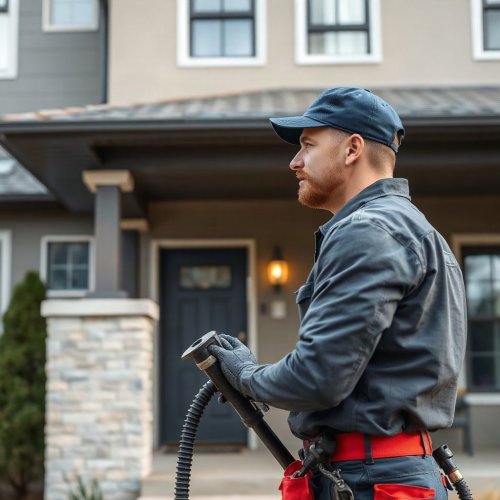
Sewer Lateral Repair North Rosedale Park Detroit Guide
Learn how to tell if your sewer lateral needs repair in North Rosedale Park, Detroit. Discover signs, causes, repair steps, and expert advice


NEED A PLUMBER?
Fast & Local Plumbing Services
Leaks • Clogged Drains • Burst Pipes • Water Heaters • Emergency Plumbing
NEED A PLUMBER?
Fast & Local Plumbing Services
Leaks • Clogged Drains • Burst Pipes • Water Heaters • Emergency Plumbing
How to Tell If Your Sewer Lateral Needs Repair in North Rosedale Park
Introduction
Owning a home in North Rosedale Park comes with plenty of pride. The historic brick homes, tree-lined streets, and strong sense of community make it one of the most desirable neighborhoods in Detroit, Michigan. However, living in an established neighborhood with mature landscaping means managing underground infrastructure that has been working hard for decades. One of the most critical—yet often overlooked—components of your home's plumbing is the sewer lateral.
A sewer lateral is the underground pipe that connects your home’s internal plumbing system to the municipal main sewer line under the street. When this pipe breaks, cracks, or clogs, wastewater has nowhere to go. Homeowners frequently search for advice on this topic when faced with sudden gurgling drains, foul basement odors, or standing water. Prompt attention to a failing sewer line is vital; ignoring it can lead to property damage, hazardous living conditions, and expensive structural repairs.
What Is Sewer Lateral Damage in North Rosedale Park?
Understanding your sewer lateral starts with knowing where your responsibility as a property owner begins and ends. In Detroit and Wayne County, homeowners are typically responsible for maintaining and repairing the entire sewer lateral line running from the house all the way to the connection at the city sewer main.
Definition and Function
Your sewer lateral acts as a private highway for wastewater. Every time you flush a toilet, run the dishwasher, take a shower, or wash clothes, the dirty water flows down your drain stacks into the lateral pipe beneath your yard and out to the municipal system.
Common Situations in Local Homes
Many homes in North Rosedale Park were constructed during the mid-20th century. During this era, plumbing contractors commonly used clay tile, cast iron, or Bituminous Fiber (sometimes known as Orangeburg) pipes. Over 50 to 80 years of continuous use, these materials naturally deteriorate, shift due to soil movement, or succumb to root intrusion from the neighborhood’s large oak and maple trees.
Symptoms of Sewer Lateral Failure
When a sewer lateral begins to fail, it rarely happens without warning. You may notice wastewater seeping up through your basement floor drain, slow drainage across multiple fixtures simultaneously, or soggy, overly green patches of grass in your front lawn.
Why Does This Plumbing Problem Happen?
Sewer lateral deterioration in North Rosedale Park is usually driven by a combination of environmental factors, pipe age, and usage habits.
1. Tree Root Intrusion
The shade trees that give North Rosedale Park its charm are often the primary enemy of underground clay pipes. Tree roots naturally seek out sources of moisture and nutrients. Microscopic cracks or loose joints in older pipes release water vapor, drawing roots directly to the line. Once inside, the roots expand, causing severe clogs and eventually splitting the pipe apart.
2. Aging Pipes and Corrosion
Cast iron pipes rust and develop scale inside, narrowing the passageway and catching debris. Clay pipes become brittle over time, making them vulnerable to cracking under heavy ground weight or seasonal freeze-thaw cycles common in Michigan winters.
3. Soil Movement and Ground Settling
Decades of soil expansion, settling, and heavy vehicle traffic on nearby streets can cause sewer lateral sections to misalign. This creates "offsets" where pipe sections separate, or "bellies" where the pipe sags, allowing debris to collect and form stubborn blockages.
4. Hard Water Scale and Fats, Oils, and Grease (FOG)
Hard water minerals combined with poured kitchen grease create a concrete-like buildup along pipe walls. Over time, this restricts flow and makes it easy for paper products to trigger a complete shutdown of the lateral line.
Signs You Should Never Ignore
Spotting sewer line trouble early can prevent thousands of dollars in emergency restoration work. Keep an eye out for these critical warning signs:
-
Multiple Slow Drains: If a single sink is slow, it’s a localized clog. If your kitchen sink, shower, and basement drain are all draining slowly at the same time, the main lateral line is restricted.
-
Wastewater Backups in the Basement: Seeing water or sewage emerge from your lowest floor drain when running upstairs appliances is a clear sign that water cannot pass through the lateral.
-
Foul Sewage Smells: A healthy sewer line keeps sewer gas sealed away. Persistent sulfur or sewage odors near drains or in your yard mean gas or liquid is escaping from a cracked line.
-
Unusually Lush Patches in the Yard: If one strip of grass in your yard is significantly greener and grows faster than the surrounding lawn, leaking sewage may be acting as unintended fertilizer.
-
Indentations or Sinkholes in the Lawn: Escalating leaks wash away supporting soil beneath your yard, causing soil collapse above the lateral path.
-
Gurgling Fixtures: Hearing air bubbles popping in your toilet when the washing machine drains means air is trapped behind a line obstruction.
Common Plumbing Problems Related to Sewer Lateral Failure
A compromised lateral line rarely exists in isolation; it triggers several secondary plumbing headaches throughout the property:
-
Basement Drain Backups: Raw sewage entering the home creates immediate health hazards and damages personal property.
-
Recurring Drain Clogs: Constant clearing of individual drains yields only brief relief because the main channel remains blocked.
-
Foundation Damage: Water leaking continuously near your home’s basement walls can weaken the foundation, causing cracks and structural instability.
-
Mold and Mildew Growth: High humidity and standing sewage in basements encourage rapid mold growth, reducing indoor air quality.
Step-by-Step Professional Repair Process
When you contact a licensed professional such as Plumber in Detroit, the sewer repair process follows a structured, precise sequence:
Step 1: Inspection
The technician inserts a high-resolution sewer camera attached to a flexible cable into your cleanout access point. This camera travels the entire length of the lateral line to the city main.
Step 2: Diagnosis
The plumber analyzes real-time video footage to pinpoint the exact location, depth, and nature of the issue—whether it's root intrusion, structural collapse, or a pipe belly.
Step 3: Estimate
Based on the camera findings, you receive a detailed, transparent estimate outlining repair options, such as targeted spot repair, trenchless pipe lining, or full excavation.
Step 4: Repair
Depending on the diagnosis, the repair is executed:
-
Cleanout & Jetting: High-pressure water scouring clears heavy grease and root buildup.
-
Trenchless CIPP (Cured-in-Place Pipe) Lining: An epoxy-saturated liner is pulled into the existing pipe and cured, creating a seamless new pipe inside the old one without tearing up your lawn.
-
Traditional Trenching: If the pipe has completely collapsed, mechanical excavation is used to replace the damaged pipe sections safely.
Step 5: Testing
The plumber performs flow tests and a final camera sweep to confirm full restoration of flow and pipe integrity.
Step 6: Cleanup
The crew backfills excavated trenches, cleans the work areas, and ensures your property is left tidy.
Step 7: Maintenance Advice
You receive customized guidance on protecting your newly restored line, including recommended inspection schedules and usage practices.
Can You Fix It Yourself?
Sewer lateral repairs are not suitable for DIY projects.
What Homeowners Can Safely Do
-
Stop using water immediately when a main backup occurs to prevent further flooding.
-
Locate and keep access clear to your main cleanout cap.
-
Use a basic hand plunger on minor sink or toilet clogs.
Temporary Fixes vs. Real Solutions
Chemical drain cleaners bought at retail stores might offer temporary relief for minor organic clogs, but they cannot clear tree roots or fix collapsed pipes. In fact, chemical cleaners contain harsh acids that heat up inside older cast iron or clay pipes, accelerating corrosion and causing structural failure.
When DIY Becomes Dangerous
Attempting to operate heavy rental snakes without proper training can result in serious physical injury from twisting cables, or cause the tool to break off inside the line, significantly increasing repair costs. Sewer lateral repair requires licensed expertise, city permits, and specialized heavy machinery.
Tools Professionals Use
Modern sewer lateral diagnostics and repairs rely on advanced technology to maximize accuracy and minimize property disruption:
-
HD Pipe Inspection Cameras: Waterproof cameras with integrated transmitters locate underground damage within inches.
-
Hydro Jetters: Machines that pump water at up to 4,000 PSI to cut through dense roots and flush out grease.
-
Electromagnetic Pipe Locators: Detectors that trace camera signals from above ground, pinpointing precise depth and direction before digging.
-
Trenchless Pipe Pulling & Lining Systems: Equipment that installs structural liners or breaks out old pipe while pulling in high-density polyethylene (HDPE) replacements with minimal digging.
How Long Does the Repair Usually Take?
The duration of a sewer lateral repair depends directly on the severity of the damage and the repair technique chosen:
| Repair Type | Expected Duration | Primary Factors Affecting Timeline |
| Simple Hydro Jetting & Root Removal | 1 to 3 Hours | Severity of clog, cleanout accessibility |
| Trenchless Pipe Lining (CIPP) | 1 Day | Curing time of resin, length of lateral |
| Major Open-Trench Replacement | 2 to 3 Days | Depth of pipe, soil conditions, utility line mark-outs |
| Emergency Main Line Clearing | 2 to 4 Hours | Time of call, extent of standing sewage |
Factors like securing municipal permits in Detroit, working around tree root structures, and navigating underground public utilities can also influence completion times.
Cost Factors Explained
Every property presents unique conditions, which makes fixed-rate quotes over the phone inaccurate. Plumbing repair costs vary depending on the severity of the problem, accessibility, materials required, emergency service, property type, and local labor rates.
Key elements determining your overall investment include:
-
Diagnostic & Camera Inspection Fees: The initial cost to inspect and locate the blockage.
-
Accessibility: Sewer lines buried under concrete driveways, mature trees, or deep basements require more labor to reach than those beneath open lawns.
-
Permit Costs: City of Detroit permits required for excavating near public right-of-ways or connecting to municipal mains.
-
Equipment Needed: Heavy machinery such as excavators or specialized trenchless lining rigs.
-
Replacement vs. Spot Repair: Replacing a 5-foot section costs substantially less than replacing a 60-foot run to the street.
Hidden Truths Homeowners Should Know
-
Small Leaks Become Expensive Repairs: A minor drip under your lawn gradually washes away supporting dirt, causing pipe misalignment and eventual ground collapse.
-
Cheap Temporary Fixes Often Fail: Continuously cabling a root-infested pipe without fixing the cracks guarantees recurring backups every few months.
-
Insurance May Not Cover Neglected Lines: Standard homeowners insurance policies often exclude gradual sewer wear-and-tear or root damage unless you have specific sewer backup riders.
-
Tree Roots Can Repeatedly Damage Lines: Roots will return to an unsealed pipe joint as long as the tree lives.
-
DIY Mistakes Increase Repair Costs: Pushing a rented auger incorrectly can punch holes through fragile clay pipes, converting a simple cleanout into a full excavation job.
-
Mold Develops Quickly: Sewage backups introduce harmful bacteria and moisture, allowing toxic mold to establish itself in basement framing within 24 to 48 hours.
-
Annual Maintenance Saves Money: Routine camera inspections catch minor root intrusions before they turn into midnight emergency floods.
15 Common Mistakes Homeowners Make
Avoid these frequent mistakes to extend the lifespan of your sewer lateral:
-
Ignoring Slow Drains: Treating slow drainage across multiple fixtures as a minor annoyance instead of an early main line warning.
-
Pouring Chemical Cleaners Down Drains: Corroding older metal and clay pipes with caustic store-bought chemicals.
-
Flushing "Flushable" Wipes: Wipes do not break down like toilet paper; they bind with grease to form massive pipe blockages.
-
Pouring Kitchen Grease Down the Sink: Allowing hot fats to cool and solidify along internal pipe walls.
-
Hiring Unlicensed Plumbers: Choosing unvetted contractors who lack proper liability insurance, licensing, or sewer permits.
-
Ignoring Water Pressure Problems: High water pressure stresses indoor fixtures and accelerates main drain wear.
-
Skipping Annual Inspections: Forgetting to inspect older lateral lines in homes over 40 years old.
-
Waiting Until Emergency Backups Occur: Delaying service until sewage covers the basement floor.
-
Planting Deep-Rooted Trees Over Sewer Lines: Landscaping directly above known sewer lateral paths.
-
Over-Tightening Cleanout Caps: Cracking plastic or cast-iron cleanout threads by over-torquing them.
-
Flushing Heavy Paper Products: Using excessive paper towels, facial tissues, or shop rags.
-
Assuming City Ownership: Believing the municipality is responsible for repairing the line on private property.
-
Failing to Install a Backwater Valve: Leaving low-level basement drains vulnerable to city main surcharges during heavy storms.
-
Disregarding Gurgling Toilet Sounds: Overlooking air trapped in drainage stacks caused by partial lateral blockages.
-
Selecting Contractors Based Solely on the Lowest Price: Choosing quick, superficial fixes over comprehensive, long-term repair strategies.
Maintenance Tips for North Rosedale Park Homeowners
Keep your sewer lateral flowing smoothly year-round by following these preventive measures:
-
Practice Smart Flushing Habits: Restrict toilet usage to human waste and standard toilet paper only.
-
Collect Cooking Oils in Containers: Allow fats and oils to cool in glass or metal cans, then dispose of them in the trash.
-
Install Mesh Drain Covers: Catch hair, soap scum, and food particles before they enter your drain stacks.
-
Schedule Bi-Annual Root Treatments: Apply professional-grade root-inhibiting foam solutions if your line has minor root intrusion history.
-
Perform Seasonal Inspection of Outdoor Drain Areas: Clear leaves and debris from yard drains and window wells before heavy Michigan rains.
-
Schedule a Camera Inspection Every 2 Years: Catch line movement, scale buildup, and root intrusion early.
-
Install a Sewer Cleanout: If your home lacks an outdoor access point, install a double-sweep cleanout for easier maintenance access.
-
Know Your Main Water Shut-Off Valve: Verify that every household member knows how to turn off the main water supply during a severe backup.
-
Insulate Crawlspace Pipes Before Winter: Protect unheated drain lines from freezing during severe Detroit cold snaps.
-
Consult Plumbers Before Major Landscaping: Map out your lateral line before planting trees or building structures in your yard.
When Should You Call an Emergency Plumber?
Some situations require immediate intervention to protect health and safety. Call for emergency service right away if you experience:
-
Active Sewage Backups: Raw sewage bubbling up from basement floor drains or shower pans.
-
Complete Water Shutdown Needs: A main line break inside or outside the house that requires quick isolation.
-
Severe Flooding: Rapidly accumulating water in low areas caused by blocked drainage.
-
Multiple Blocked Fixtures: Simultaneous overflows in toilets, tubs, and sinks when using water anywhere in the house.
Taking quick action minimizes property damage, reduces health risks, and keeps total repair expenses manageable.
Frequently Asked Questions
Why is my water pressure suddenly low?
Sudden drops in water pressure are typically tied to supply line leaks, failing pressure regulators, or municipal main issues rather than sewer lateral problems. However, if drains back up while pressure drops, contact a plumber to inspect both systems.
How much does leak detection cost?
Diagnostic costs vary based on the methods required (such as camera inspections or hydrostatic testing). Professional plumbers offer clear upfront diagnostic pricing before beginning work.
Can a clogged drain damage pipes?
Yes. Severe clogs cause standing water and built-up pressure inside pipes. Over time, trapped wastewater speeds up corrosion in cast iron and expands small cracks in clay tile lines.
Is hydro jetting safe for old pipes?
Hydro jetting is safe for older pipes if an initial camera inspection confirms the pipe wall is structurally sound. Plumbers adjust pressure levels specifically for clay or cast iron materials.
How do I know if my sewer line is broken?
Persistent sewage smells, recurring basement backups, soggy yard spots, and visible structural cracks in lawn soil strongly point to a broken sewer line. A video camera inspection provides definitive proof.
How long do water heaters last?
Standard tank water heaters generally last between 8 and 12 years, while tankless models can last up to 20 years with routine maintenance.
Why does my faucet drip?
Faucets usually drip due to worn-out O-rings, corroded valve seats, or damaged internal cartridges. Replacing these small parts stops the leak promptly.
What causes pipes to burst?
Pipes freeze and burst during severe cold spells when trapped water expands. High water pressure and severe structural corrosion can also cause sudden pipe failure.
Can plumbing leaks increase my water bill?
Yes. Hidden leaks in supply lines, toilets, or underground pipes waste thousands of gallons of water, leading to unexpected surges in utility bills.
When should I replace plumbing instead of repairing it?
Replacement is recommended when pipes reach the end of their design lifespan, suffer widespread corrosion, experience repeated root breaches, or require frequent, costly repairs.
Why Choose Plumber in Detroit
When your home's sewer lateral requires inspection, clearing, or structural repair, you need a team that understands local housing stock and municipal requirements.
-
Licensed & Experienced Technicians: Our plumbers bring years of hands-on experience navigating Detroit's unique neighborhood plumbing configurations.
-
Honest, Upfront Estimates: We provide detailed pricing options after completing visual and camera inspections—no hidden surprises.
-
Modern Diagnostic Equipment: We utilize HD pipe cameras, locator tools, and high-pressure jetting systems to deliver precise solutions.
-
Fast Emergency Response: Sewer backups require quick action; our team is available to respond rapidly across North Rosedale Park and nearby communities.
-
Local Detroit Focus: As a locally based business, we take pride in supporting Detroit homeowners with trustworthy, long-lasting plumbing services.