Water Pressure Fluctuations Aviation Sub Detroit Guide
Is your water pressure changing throughout the day in Aviation Sub, Detroit? Learn causes, warning signs, DIY checks, and expert plumbing solutions.
NEED A PLUMBER?
Fast & Local Plumbing Services
Leaks • Clogged Drains • Burst Pipes • Water Heaters • Emergency Plumbing
NEED A PLUMBER?
Fast & Local Plumbing Services
Leaks • Clogged Drains • Burst Pipes • Water Heaters • Emergency Plumbing
Why Does My Water Pressure Change Throughout the Day in Aviation Sub?
Introduction
Turning on the shower in the morning only to receive a weak, trickling stream is one of the most frustrating experiences for a homeowner. For residents in the Aviation Sub neighborhood of Detroit, fluctuating water pressure is a surprisingly common headache. You might notice robust water pressure at 10:00 AM, but by 6:00 PM, flushing a toilet causes the kitchen faucet to drop to a trickle.
This issue affects both residential homeowners and local business owners across Wayne County. Water pressure changes happen due to a combination of municipal supply swings, neighborhood demand spikes, and internal home plumbing conditions. Paying prompt attention to fluctuating water pressure is important because erratic pressure spikes can strain your pipes, damage appliances, and lead to hidden leaks or burst pipes. Homeowners often search for this topic to understand whether the issue lies with the city supply or their own home plumbing before calling a plumber.
What Are Water Pressure Fluctuations in Aviation Sub?
Water pressure fluctuation occurs when the force driving water through your pipes changes noticeably at different times of the day or night. Ideal residential water pressure generally ranges between 45 and 65 pounds per square inch (PSI). When levels drop below 40 PSI or surge above 80 PSI, your system is experiencing pressure instability.
Common Situations and Examples
-
Morning Rush Hour Drops: Between 6:30 AM and 8:30 AM, when neighbors in Aviation Sub are showering and preparing for work, overall neighborhood demand peaks, leading to lower incoming pressure.
-
Evening Appliance Surges: When dishwashers, washing machines, and sprinklers run simultaneously around 7:00 PM, pressure inside the home drops significantly.
-
Late-Night Spikes: When municipal water demand drops overnight, city main pressure can surge, causing pipe rattles or dripping faucets.
Why Does This Plumbing Problem Happen?
Fluctuating water pressure is rarely caused by just one factor. In historic Detroit neighborhoods like Aviation Sub, several interlinked issues are usually at play.
1. Municipal Supply & Neighborhood Demand
During peak hours, thousands of households draw water simultaneously from the municipal main line. This shared demand naturally reduces water volume and pressure reaching individual homes.
2. Failing Pressure Reducing Valve (PRV)
Most homes feature a pressure reducing valve located near the main shut-off valve. When a PRV wears out, it can no longer regulate incoming city water pressure, leading to sudden dips or high-pressure surges.
3. Aging Pipes & Corrosion
Many classic Aviation Sub homes feature original galvanized iron piping. Over decades, internal mineral buildup and rust narrow the inner diameter of these pipes, creating severe pressure drops whenever multiple taps are opened.
4. Hard Water Mineral Scale
Mineral deposits from hard water restrict water flow inside fixture aerators, showerheads, and pipe elbows, causing erratic flow behavior.
5. Water Main Leaks or Municipal Repairs
Undetected leaks in nearby street mains or routine maintenance by local water utilities can cause sudden, temporary drops in neighborhood water pressure.
Signs You Should Never Ignore
Fluctuating water pressure is often a symptom of underlying plumbing stress. Never ignore these warning signs:
-
Sudden Drops in Water Pressure: Indicates potential main line leaks or a failing PRV.
-
Banging or Thumping Noises (Water Hammer): Sudden pressure shocks vibrate loose pipes, which can weaken joints over time.
-
High Water Bills: Unexplained increases in utility bills often point to hidden leaks aggravated by high pressure.
-
Damp Walls or Ceiling Water Stains: High pressure spikes can force small leaks through aging pipe fittings behind drywall.
-
Discolored Water: Brownish or yellow water during low-pressure events points to internal pipe corrosion or municipal main disturbances.
-
Constantly Dripping Faucets: High water pressure forces water past internal faucet seals and cartridges.
Common Plumbing Problems Related to This Issue
Pressure instability does not happen in a vacuum—it frequently triggers additional plumbing failures:
-
Pipe Leaks & Pinholes: Repeated pressure surges weaken copper solder joints and cause pinhole leaks.
-
Water Heater Tank Failure: Excessive pressure accelerates wear on water heater thermal expansion tanks and pressure relief valves.
-
Burst Pipes: Severe pressure surges can burst thin or corroded pipes, causing basement flooding.
-
Worn Fixture Cartridges: Fluctuating pressure wears out internal seals in shower valves and kitchen faucets prematurely.
Step-by-Step Professional Repair Process
When you call Plumber in Detroit to evaluate pressure issues in Aviation Sub, our licensed plumbers perform a thorough step-by-step diagnostic and repair process:
Step 1: Inspection
We examine your main water entry line, water meter, shut-off valves, pressure reducing valve, and visible indoor piping.
Step 2: Diagnosis
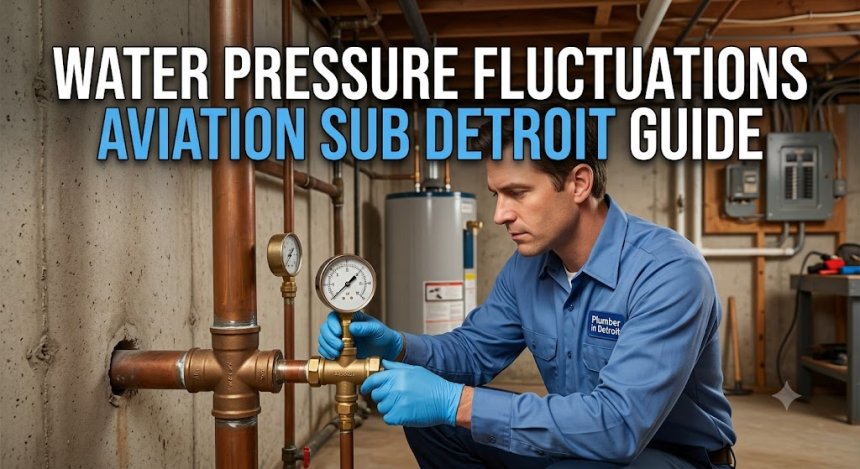
Using precision pressure gauges, we test static and dynamic water pressure at outdoor spigots and indoor fixtures to locate where pressure drops occur.
Step 3: Estimate
We provide a clear, upfront estimate detailing the necessary fixes—whether that involves adjusting or replacing the PRV, clearing mineral blockages, or re-piping corroded lines.
Step 4: Repair
Our plumbers execute the necessary repairs, such as installing a high-quality brass PRV, replacing corroded pipe sections with PEX or copper, or installing a water hammer arrestor.
Step 5: Testing
We re-test pressure levels across all indoor fixtures under full flow conditions to ensure stable pressure between 50 and 65 PSI.
Step 6: Cleanup
Our crew cleans the work area, removes old parts, and ensures your home is left neat and tidy.
Step 7: Maintenance Advice
We provide customized tips on monitoring your home water pressure and keeping shut-off valves in optimal working order.
Can You Fix It Yourself?
Understanding what you can safely check yourself helps avoid unnecessary damage.
Safe DIY Checks & Temporary Fixes
-
Clean Aerators: Unscrew kitchen and bathroom faucet aerators and soak them in vinegar to clean out mineral scale.
-
Check Main Valves: Ensure your main home water valve and water meter valve are turned fully counterclockwise to the open position.
-
Test Fixtures Individually: Run one faucet at a time to determine if low pressure is isolated to a single room or affects the whole house.
When DIY Becomes Dangerous
-
Adjusting the PRV Without a Gauge: Blindly tightening the adjustment bolt on your pressure reducing valve can spike home pressure above 80 PSI, causing burst pipes or water heater failure.
-
Disassembling Main Supply Lines: Attempting to cut or unscrew main supply lines without municipal shut-off access can flood your basement quickly.
Always consult a licensed professional when dealing with main supply lines or pressure regulation valves.
Tools Professionals Use
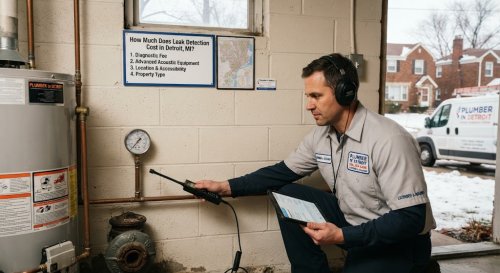
Professional plumbers use specialized diagnostic tools to solve complex pressure problems efficiently:
-
Calibrated Water Pressure Gauges: Measure static and dynamic line pressure accurately.
-
Leak Detection Equipment: Pinpoints hidden sub-floor or in-wall pipe leaks that cause pressure drops.
-
Pipe Locators: Trace the underground path of main service lines from the curb to the home.
-
Pressure Testing Kits: Isolate individual plumbing zones to verify structural line integrity.
How Long Does the Repair Usually Take?
Repair timelines vary based on the root cause of the pressure issue:
| Repair Scenario | Estimated Duration | Influencing Factors |
| Cleaning Aerators & Simple Valve Adjustment | 30 to 60 Minutes | Number of fixtures |
| Pressure Reducing Valve (PRV) Replacement | 1 to 2 Hours | Pipe condition around the main shut-off |
| Partial Re-Piping / Sectional Replacement | 4 to 8 Hours | Accessibility of pipes in walls/basements |
| Main Underground Water Line Repair | 1 to 2 Days | Excavation requirements, city permits |
Cost Factors Explained
Plumbing repair costs vary depending on the severity of the problem, accessibility, materials required, emergency service, property type, and local labor rates.
Key cost elements include:
-
Diagnostic & Inspection Fees: The time and equipment required to diagnose the root cause of pressure swings.
-
Parts Required: Costs for new PRVs, expansion tanks, shut-off valves, or copper/PEX piping.
-
Labor & Pipe Accessibility: Accessing pipes hidden behind finished basement drywall or beneath crawl spaces requires additional labor hours.
-
Emergency Service Charges: Calls during nights, weekends, or holidays carry after-hours rates.
-
Permit Costs: Major water line replacements in Detroit may require city utility permits.
Hidden Truths Homeowners Should Know
-
Small Leaks Become Expensive Repairs: Unregulated pressure spikes enlarge minor pinhole leaks into catastrophic pipe breaks over time.
-
Cheap Temporary Fixes Often Fail: Placing a quick patch on a corroded pipe does not solve systemic high line pressure.
-
Insurance May Not Cover Neglected Plumbing: Insurers often reject claims if water damage is traced to long-term unaddressed pressure issues or lack of maintenance.
-
DIY Mistakes Increase Repair Costs: Incorrectly adjusting a PRV can blow out appliance seals, costing thousands in secondary repairs.
-
Hard Water Shortens Fixture Lifespan: Scale buildup restricts flow, mimicking low water pressure even when main pressure is adequate.
-
Hidden Leaks Increase Utility Bills: Continuous high pressure forces extra water through minor fixture leaks, inflating monthly water bills.
-
Mold Develops Quickly: Moisture escaping from pressure-strained pipe joints causes toxic mold growth within 24 to 48 hours.
-
Annual Maintenance Saves Money: Routine pressure checks identify failing valves before they cause indoor flooding.
15 Common Mistakes Homeowners Make
-
Ignoring Mild Pressure Drops: Assuming small pressure changes are completely normal.
-
Adjusting the PRV Without a Pressure Gauge: Guessing line pressure settings.
-
Using Chemical Drain Cleaners: Corroding internal pipe walls, worsening pressure issues.
-
Ignoring Water Hammer Noises: Leaving banging pipes unaddressed until joints rupture.
-
Hiring Unlicensed Plumbers: Risking improper installation of main pressure control devices.
-
Skipping Annual Plumbing Maintenance: Neglecting regular inspections of main shut-off valves and PRVs.
-
Over-Tightening Faucet Handles: Damaging internal rubber washers under high pressure.
-
Ignoring Dripping Relief Valves: Disregarding water dripping from the water heater safety valve.
-
Leaving Main Water Valves Partially Closed: Restricting water flow inadvertently after home repairs.
-
Using Incompatible Pipe Materials: Joining copper directly to galvanized iron without dielectric unions, accelerating corrosion.
-
Failing to Install Thermal Expansion Tanks: Leaving closed plumbing systems vulnerable to pressure spikes during water heating.
-
Waiting Until Pipes Burst: Delaying service until an emergency occurs.
-
Planted Trees Over Water Lines: Allowing tree roots to crush main service pipes.
-
Over-tightening Pipe Connections: Cracking threaded brass or plastic fittings during DIY repairs.
-
Not Knowing Main Water Valve Location: Scrambling during a burst pipe emergency because the shut-off valve is hidden.
Maintenance Tips for Aviation Sub Homeowners
Keep your water pressure stable year-round with these practical tips:
Seasonal & Monthly Care
-
Check Pressure Bi-Annually: Attach a cheap screw-on water pressure gauge to your outdoor hose bib twice a year. Keep readings between 45 and 65 PSI.
-
Clean Faucet Aerators Every 6 Months: Remove mineral debris from kitchen and shower heads using a white vinegar soak.
-
Exercise Main Shut-Off Valves: Turn your main water shut-off valve off and on once a year to prevent it from seizing.
-
Inspect Water Heater Valves: Check the temperature and pressure relief (TPR) valve on your water heater for signs of weeping or leakage.
-
Insulate Pipes Before Winter: Protect incoming water lines in unheated basements or crawl spaces from freezing drafts during Detroit cold spells.
-
Monitor Water Bills: Watch for sudden, unexplained surges in usage that could indicate hidden pressure leaks.
-
Install Water Hammer Arrestors: Add arrestors near washing machines and dishwashers to absorb shock waves from fast-closing valves.
When Should You Call an Emergency Plumber?
Call for emergency plumbing services immediately if you encounter:
-
Sudden Complete Loss of Water Pressure: Indicating a ruptured main service line inside or outside your home.
-
Uncontrolled Pipe Bursts or Flooding: Water actively leaking through ceilings, walls, or basement floors.
-
Severe Water Hammer with Pipe Movement: Pressure spikes so severe that pipes visibly shake or loosen from framing.
-
Sewage Backups in Floor Drains: Wastewater backing up into low-level basement drains when water is used anywhere in the house.
Taking immediate action limits structural damage, keeps your home safe, and prevents costly structural repairs.
Frequently Asked Questions
Why is my water pressure suddenly low?
Sudden drops across all fixtures point to a municipal water main repair, a fully shut main valve, a sudden main line leak, or a complete failure of your pressure reducing valve.
How much does leak detection cost?
Diagnostic costs vary depending on the equipment needed (such as thermal imaging or acoustic locators). Professional plumbers provide upfront diagnostic estimates before beginning work.
Can a clogged drain damage pipes?
Yes. Clogged drains hold standing water and debris inside pipes, which accelerates corrosion in older metal lines and can lead to leaks over time.
Is hydro jetting safe for old pipes?
Hydro jetting is safe for old pipes as long as a video camera inspection confirms the pipe wall is structurally sound before applying high-pressure water.
How do I know if my sewer line is broken?
Persistent sewer smells, recurring basement floor drain backups, or damp, overly green spots in your lawn strongly indicate a broken underground sewer line.
How long do water heaters last?
Standard tank water heaters generally last 8 to 12 years, while tankless units can last 15 to 20 years with routine maintenance.
Why does my faucet drip?
Faucets typically drip due to worn internal O-rings, degraded rubber washers, or mineral-damaged cartridges caused by normal wear or high water pressure.
What causes pipes to burst?
Pipes burst from frozen water expansion during severe cold snaps, extreme water pressure surges, or severe structural corrosion in aging lines.
Can plumbing leaks increase my water bill?
Yes. Hidden leaks caused by high water pressure can waste thousands of gallons of water each month, causing significant increases in your utility bills.
When should I replace plumbing instead of repairing it?
Re-piping is recommended when your home has original galvanized steel pipes, suffers from chronic leaks, or experiences persistent pressure drops across all rooms.
Why Choose Plumber in Detroit
When managing water pressure fluctuations in Aviation Sub, you need an experienced plumbing team that knows local Detroit systems.
-
Licensed & Experienced Plumbers: Our technicians have extensive hands-on experience diagnosing complex pressure issues in historic Detroit neighborhoods.
-
Honest Recommendations & Upfront Pricing: We provide clear, itemized estimates before starting any repair work—no surprise fees.
-
Fast Response & Emergency Availability: We offer prompt service across Aviation Sub, Warrendale, Rosedale Park, and surrounding Wayne County areas.
-
Modern Diagnostic Technology: Using digital pressure gauges, electronic leak locators, and inspection cameras, we solve issues efficiently.
-
Local Detroit Expertise: As a local business, we understand Detroit water municipal pressures, local building codes, and regional soil conditions.
Restore consistent, comfortable water pressure to your home. Contact Plumber in Detroit today to schedule a thorough water pressure inspection!