Sewer Line Problems Plymouth-I96 Detroit: Homeowner Guide
Facing sewer line problems near Plymouth-I96 in Detroit? Learn signs, causes, repairs, costs, and prevention tips in this expert guide from Plumber in Detroit

NEED A PLUMBER?
Fast & Local Plumbing Services
Leaks • Clogged Drains • Burst Pipes • Water Heaters • Emergency Plumbing
NEED A PLUMBER?
Fast & Local Plumbing Services
Leaks • Clogged Drains • Burst Pipes • Water Heaters • Emergency Plumbing
Sewer Line Problems in Plymouth-I96: What Homeowners Should Know
Introduction
As a homeowner in the busy Plymouth-I96 area of Detroit, you're likely used to the rhythm of the city. But one rhythm you never want to experience is the slow, gurgling sound of a drain that refuses to empty, or worse, the backflow of wastewater into your home. These are often the first signs of serious sewer line problems.
While other plumbing issues like a dripping faucet are annoying, sewer line problems are in a category of their own. Your main sewer line is the critical artery responsible for carrying all wastewater away from your home to the municipal system. When this artery is blocked, cracked, or collapsed, your entire home’s sanitation system shuts down. Immediate attention is not just important; it’s essential to prevent extensive water damage, hazardous biological contamination, and astronomical repair bills. Many homeowners naturally search for information on this topic because these lines are buried, making problems mysterious and frightening. This guide aims to pull back the curtain on sewer line issues specifically for residents near Plymouth-I96, empowering you with knowledge before you have to make an emergency call.
What Are Sewer Line Problems?
Sewer line problems refer to any malfunction or defect in the main underground pipe that connects all the drains in your house to the city’s sewer system in Detroit.
Common Situations and Examples
This is your "main drain." If it's compromised, nothing can leave your house. A typical situation involves wastewater backing up into the lowest drain in the house—often a basement floor drain or a ground-floor toilet—simply because there’s nowhere else for it to go. For example, you might be running the washing machine upstairs, only to discover dirty water spilling onto your basement floor. This happens because the heavy flow from the appliance hits a roadblock in the main sewer line, forcing the water to seek the path of least resistance.
Symptoms
Symptoms range from subtle warnings to catastrophic failure. Subtle signs include persistent drain clogs that seem unrelated, while a complete shutdown, foul sewage odors in or around your home, or wet patches in your yard when it hasn't rained are classic indicators of a severe problem.
Why Does This Plumbing Problem Happen?
Sewer line problems rarely happen by accident. In a historic city like Detroit, and even in well-established areas around Plymouth-I96, a few primary culprits are almost always responsible.
Aging Pipes and Corrosion
This is the number one cause. Many homes in the Plymouth-I96 corridor were built when clay tile or cast iron were standard sewer pipe materials. These pipes have a lifespan. Clay is brittle and cracks easily with shifting soil, while cast iron corrodes internally, narrowing the passageway and catching debris until a total blockage occurs.
Tree Roots in Sewer Pipes
If you have mature trees on your property—a beautiful feature of many Detroit neighborhoods—you are at high risk. Tree roots in sewer pipes are extremely common. Roots naturally seek moisture and nutrients. Older pipes with small cracks or loose joints release water vapor, which roots detect. They work their way in and can grow so dense they create a biological blockage that no standard auger can clear.
Sewer Backups and Clogs
Often, the problem starts right inside the home. Flushing items that aren't meant for the sewer is a leading cause of sewer backups. Items like "flushable" wipes (they are not flushable!), feminine hygiene products, cotton balls, paper towels, and even excessive toilet paper can easily cause or contribute to a sewer backup. Pouring grease down the kitchen sink is another major contributor; it hardens as it cools, coating the pipe and catching other waste.
Seasonal Weather and Soil Conditions
In Michigan, seasonal freeze-thaw cycles cause the ground to shift significantly. This soil movement can put immense pressure on buried, fragile clay pipes, leading to cracks or complete misalignment. Heavy rainfall, which is becoming more frequent, can also overwhelm aging Detroit sewers, causing widespread backups.
Signs You Should Never Ignore
Your main sewer line usually gives you multiple warnings before it fails completely. Recognizing these signs early can save you thousands of dollars in water damage remediation and repair costs.
-
Standing Water (and Sewage) Around Drains: If you find wastewater pooled around a floor drain or toilet, especially after using water elsewhere, it's a massive red flag.
-
Multiple Slow Drains: A single slow-draining sink is usually a localized clog. But if the kitchen sink, the shower, and the toilet are all sluggish, the problem is most likely in the main sewer line.
-
Low Water Pressure: While this is sometimes a water supply issue, a failing main line can also affect overall system pressure.
-
Gurgling Sounds: Hearing gurgling or bubbling noises coming from your toilet when you run the sink is a clear sign that wastewater is struggling to move past a blockage.
-
Strange Noises: Listen for unexplained thumping, banging, or persistent draining sounds from your plumbing.
-
Bad Smells: Persistent, pervasive smells of sewage in your basement, bathrooms, or yard when there’s no obvious reason is an indication of a leak or crack.
-
Wastewater in the Yard: This symptom is often missed. Look for wet spots or exceptionally lush, green patches of grass in your lawn, especially in the direct path from your house to the street.
Step-by-Step Professional Repair Process
Handling sewer line problems is not a DIY job. It requires specialized equipment and expertise. Here’s what you can expect when you call Plumber in Detroit:
Step 1 Inspection
Our process always begins with a comprehensive visual inspection. We'll examine all accessible parts of your plumbing system and ask questions about the symptoms you're experiencing.
Step 2 Diagnosis
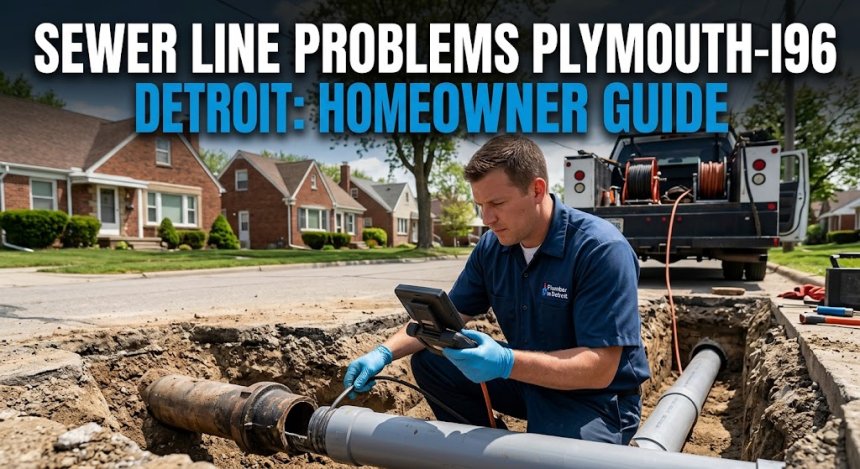
The primary diagnostic tool for sewer lines is a high-resolution drain camera. A waterproof camera on a flexible cable is fed into your sewer line via a "cleanout" access point. This allows us (and you) to see exactly what’s happening. We can see roots, cracks, collapsed pipe, grease buildup, and even locate the exact position and depth of the problem. This takes the guesswork out of the diagnosis.
Step 3 Estimate
Based on the camera inspection, we’ll provide you with a detailed, upfront estimate. This will outline all your repair options, the equipment we'll use, and the specific material costs. We’ll also explain the expected timeline.
Step 4 Repair
Depending on the diagnosis, we'll proceed with the repair. Our services include standard augering for simple clogs, powerful hydro jetting for serious buildup and roots, localized repairs, and full pipe replacement. Whenever possible, we discuss less invasive options like trenchless sewer repair, which can save your lawn, driveway, and landscaping.
Step 5 Testing
After the repair or replacement is complete, we perform rigorous testing. We run a large volume of water from multiple fixtures simultaneously to ensure the line is clear and flowing freely, verifying the success of our work.
Step 6 Cleanup
We take pride in leaving your home and property clean. We will ensure all work areas are tidy and all related waste is properly disposed of.
Step 7 Maintenance Advice
Finally, based on what we found (e.g., specific clogs or root intrusion), we’ll give you personalized maintenance tips to help prevent future sewer line issues.
Can You Fix It Yourself?
When it comes to sewer line problems, the straightforward answer is: No.
Safe DIY and Temporary Fixes
A homeowner can safely use a standard toilet or sink plunger to attempt to clear very minor, localized clogs. Sometimes, this is all that’s needed.
Temporary Fixes Often Fail
However, for a main sewer line, a plunger is useless. Chemical drain cleaners are also a major mistake. They rarely work for main lines and are highly toxic and corrosive. They can severely damage older cast iron pipes, turning a repairable problem into a replacement situation. And if you have a partial blockage from roots, chemicals might temporarily open a small channel, only to have the roots grow back faster, thicker, and denser.
When Professional Plumbing Is Necessary
Handling sewer lines requires specialized tools professionals use like drain cameras, pressure testing equipment, powerful electric augers, and municipal permits. These tools require professional expertise to operate safely and effectively. More importantly, attempting major work can be dangerous, exposing you to dangerous pathogens. Simply put, DIY mistakes increase repair costs dramatically. When dealing with a complex system like a main sewer, professional plumbing is necessary and ultimately the only cost-effective and safe solution.
Tools Professionals Use
Handling sewer lines requires heavy-duty and specialized equipment. Here’s what sets our team at Plumber in Detroit apart:
Drain Cameras
This is our most powerful diagnostic tool. It’s an high-resolution, waterproof video camera that feeds live footage from inside your sewer pipe, allowing us to see exactly what the problem is and where it’s located. This sewer camera inspection Detroit service is non-invasive and incredibly accurate.
Hydro Jetting
This isn't your garden hose. Hydro jetting uses a specialized machine that pumps water at extremely high pressure—up to 4,000 PSI—through the pipe. Specialized nozzles scour the pipe walls clean, effortlessly blasting away grease, tree roots, and stubborn buildup. It’s a complete cleaning, not just a punch-through.
Trenchless Equipment
For major replacements, we specialize in minimally invasive methods. Trenchless equipment includes technologies like pipe bursting or pipe lining (CIPP). This can allow us to replace or repair your sewer line without having to dig a full trench through your beautiful Rosedale Park lawn or driveway.
Pipe Locators and Pressure Testing
These are other critical precision tools. Pipe locators allow us to map the exact path and depth of your sewer line, ensuring we avoid other underground utilities. Pressure testing equipment confirms the structural integrity of a pipe and is essential for verifying a successful repair.
How Long Does the Repair Usually Take?
Timelines vary significantly depending on the nature and scale of the problem.
Timeline Factors
Factors that influence the time include the depth of the pipe, soil conditions (easier with sand than clay), the accessibility of the line, and the repair method chosen (traditional trenching vs. trenchless).
Simple vs. Major Repairs
A localized repair that’s easily accessible might be completed in one day. Hydro jetting also usually takes less than a day. However, a major replacement, especially with traditional excavation, can span several days to a week. The necessary Detroit municipal permits and required city inspections also add to the timeline. We can usually provide a specific timeline once we’ve seen the scope of the problem.
Cost Factors Explained
It’s impossible to give a fixed, generic cost for sewer repairs without a visual diagnosis. Do not provide fake fixed prices. The truth is, plumbing repair costs vary depending on the severity of the problem, accessibility, materials required, emergency service, property type, and local labor rates.
Diagnostic Fees and Labor
The primary cost factors include the diagnostic fee (e.g., for the camera inspection), the specialized equipment needed (like a hydro jetter), and the local labor rates, which can increase for emergency, after-hours calls.
Parts and Materials
The cost of new piping and necessary fittings will depend on the type of pipe used (e.g., PVC or CIPP liner). More expensive, durable materials will increase the material cost.
Permit Costs and Replacement vs. Repair
Detroit city permits are often required for any work that involves excavating or connecting to a public utility. Replacement is almost always more expensive than repair, but the camera inspection will determine which is truly necessary. A spot repair on a 40-year-old pipe might be throwing money away, as another part is likely to fail soon. Our licensed plumbers will give you honest recommendations based on a holistic assessment.
Hidden Truths Homeowners Should Know
Understanding these practical realities can save you from costly mistakes.
-
Small Leaks Become Expensive Repairs: That subtle sewer smell in the basement? It might be a tiny crack. Ignoring it will not make it go away; it will only lead to more extensive damage and contamination, exponentially increasing the repair bill.
-
Tree Roots repeatedly damage sewer lines: Roots will always find water. If roots have entered your pipe once, they will try again, finding new cracks or the same entry point. Maintenance saves money by catching this early.
-
Insurance May Not Cover Neglected Plumbing: Many standard homeowners insurance policies in Detroit exclude coverage for damage caused by neglected plumbing or slow leaks. They also often exclude sewage backflow unless you have specifically added that rider.
-
DIY Mistakes Increase Repair Costs: Pushing a rented auger down an old cast iron pipe is a recipe for disaster. It's incredibly easy to crack the pipe or get the cable stuck, making the final professional repair far more expensive.
-
Hard Water Shortens Fixture Lifespan: While more of an internal supply issue, hard water can also contribute to mineral scale in drain lines, making them more prone to clogs.
-
Delaying Repairs Causes Structural Damage: Standing wastewater seeping into the soil beneath your home can compromise your foundation, leading to settling and expensive structural repairs. Mold can also develop quickly in damp, contaminated environments.
15 Common Mistakes Homeowners Make
Learn from other homeowners' errors to protect your sewer system:
-
Ignoring Sewer Line Problems: Thinking that slow drains or bubbling noises will fix themselves.
-
Using Chemical Drain Cleaners: Highly toxic, highly corrosive, ineffective, and often damaging older pipes.
-
Flushing Wipes and Feminine Hygiene Products: They do not break down in water and are a primary cause of major clogs.
-
Pouring Grease and Oil down the Drains: It hardens and creates a sticky coat that traps other waste.
-
Ignoring Water Pressure Problems: Both low and high pressure can be a sign of systemic issues that impact drains.
-
Hiring Unlicensed handymen for Major Work: risking poor workmanship, code violations, and zero accountability.
-
Skipping Annual Maintenance and Inspections: Annual maintenance saves money by catching small issues before they become emergencies.
-
Waiting Until an Emergency occurs: Addressing problems early during regular business hours is cheaper and less stressful.
-
Using Wrong Pipe Materials for DIY: Mixing pipe materials incorrectly creates unstable joints.
-
Over-tightening Plumbing Fittings: This is a classic mistake that often leads to cracked pipes or stripped threads.
-
Flushing Cotton Balls and Paper Towels: These items swell with water, creating dense blockages.
-
Assuming "Flushable" Means Biodegradable: It only means it can make it past the toilet trap.
-
Planting Trees Too Close to Sewer Lines: Guarantees future tree root intrusion.
-
Overfilling Washing Machines: Excessive water flow can overwhelm an aging sewer line.
-
Forgetting to Clean Basement Cleanouts: Keeping your access point accessible makes maintenance and repairs easier.
Maintenance Tips specifically for your Sewer Line
Implementing a few basic habits can dramatically extend the life of your sewer line.
Safe Flush Practices
The only things that should go down your toilet are human waste and toilet paper. Period. No exceptions. Teach every member of your household this one rule.
Kitchen Drain Care
Collect all cooking grease and fats in a container, let it solidify, and throw it in the trash. Never pour it down the sink, even with hot water and soap. Regularly pour a kettle of boiling water down your kitchen sink to help clear any remaining grease.
Root Management and Seasonal Advice
If you have mature trees, schedule an annual sewer camera inspection. This small preventive step can catch tree roots in sewer pipe while they are thin and easily removable with hydro jetting. In Michigan, ensure your gutters are clear of debris, as overloaded gutters can contribute to soil moisture around the foundation. Seasonal checkups before major Detroit storms are wise.
Install a Backwater Valve
For some low-lying areas near Plymouth-I96, installing a backwater valve (or sewer backflow preventer) can be a smart, permanent preventative step. This one-way valve allows wastewater to leave your house but prevents municipal sewage from backing up into your house during heavy rain.
When Should You Call an Emergency Plumber?
Recognizing when to call for immediate help can limit the damage to your home. Call Plumber in Detroit for immediate assistance in these situations:
-
Sewage Backing Up: If raw sewage or foul wastewater is spilling onto your basement or bathroom floor, it’s a non-negotiable emergency. This poses a severe health hazard. Immediate action is crucial to prevent contamination and damage.
-
No Running Water or Flushes: If no drain works and no fixture is functional, your home is unsanitary and demands immediate attention.
-
Major Water Leaks or Flooding: A burst pipe related to a complete main line failure causes catastrophic flooding quickly.
-
Overflowing Toilet That Can't Be Stopped: While sometimes an individual fixture issue, if plunging fails, it can indicate a main line backup.
Immediate action is vital to minimize biological contamination, extensive water damage, and the overall cost of restoration.
Frequently Asked Questions specifically about Detroit Sewers
Homeowners in the Plymouth-I96 area frequently ask us these questions:
Why is my water pressure suddenly low?
While low water pressure can be a city water issue, it can also be a sign of a severe leak in your water main or supply line, which often precedes other sewer and drain failures.
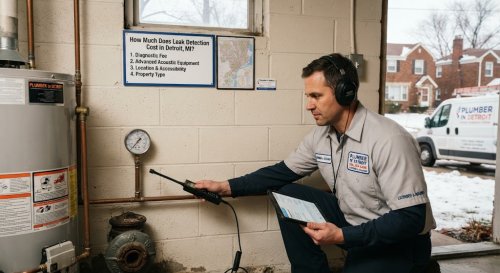
How much does leak detection cost?
Cost varies depending on the technology needed, such as digital locators or acoustic equipment. Contact us for specific pricing in the Plymouth-I96 area.
Can a clogged drain damage pipes?
Yes, absolutely. The pressure from a severe blockage can weaken joints and crack old, fragile pipes. DIY chemical cleaners are also a leading cause of pipe damage.
Is hydro jetting safe for old pipes?
This is a great question. Hydro jetting is safe if used correctly by a trained professional. A camera inspection is always performed first to confirm the pipe is structurally sound. We adjust the pressure to safe levels for older lines.
How do I know if my sewer line is broken?
A definite diagnosis is only possible with a sewer camera inspection Detroit. However, signs like pervasive sewage odors, wet patches in your yard, lush green grass, sinkholes, and persistent, unresolved clogs are strong indicators.
How long do water heaters last?
Typically, traditional tank water heaters last 8-12 years. Regular maintenance can extend this, but Detroit has hard water, which can shorten lifespan.
Why does my faucet drip?
Most faucet drips are caused by worn-out O-rings, washers, or cartridges. It’s a cheap, easy fix, but letting it go waste water and can indicate high water pressure.
What causes pipes to burst?
Freezing, physical damage, and pressure from blockages are the most common causes. Sewage backups can put incredible stress on older lines, making them prone to bursting.
Can plumbing leaks increase my water bill?
Yes, dramatically. Even a tiny, hidden leak in your water main or supply line can waste thousands of gallons of water each month, pushing your bill skyward.
When should I replace plumbing instead of repairing it?
Replacement is generally necessary when repairs are extensive, frequent, or on obsolete pipe material like brittle clay tile or thinned, severely corroded cast iron.
Why Choose Plumber in Detroit for Sewer Line Problems?
A main sewer line problem is a high-stress emergency. You need a trusted partner who can provide honest, expert, and transparent service.
Experienced Licensed Plumbers
Our team consists entirely of experienced licensed plumbers. We understand the unique challenges of Detroit’s aging infrastructure and older homes near Plymouth-I96. We never use untrained subcontractors.
Honest Recommendations and Upfront estimates
We pride ourselves on transparency. Following a visual and camera inspection, we will give you honest recommendations based on the objective condition of your pipes. We always provide detailed, upfront estimates in writing before starting any work.
Fast Response and Emergency Availability
A sewage backup demands immediate action. We offer reliable emergency sewer and plumbing services to Detroit and surrounding neighborhoods with a fast response rate to mitigate contamination.
Quality Workmanship and Modern Equipment
We commit to providing high-quality workmanship that meets or exceeds current plumbing codes. We invest in modern equipment like high-definition drain cameras, specialized pipe bursting tools, and hydro jetters to ensure precision. We only use high-quality, durable materials.
We take customer satisfaction seriously and are proud of our local expert reputation. Don't face a frightening sewer line issue alone. Contact Plumber in Detroit for trusted, experienced local experts near Plymouth-I96.