Complete Guide to Hiring an Emergency Plumber in Greektown, Detroit, MI
Plumbing emergencies have a frustrating habit of happening at the worst possible moments—late at night, during a busy weekend dinner rush at a local restaurant, or right before a major holiday. For property owners and business operators in the vibrant, historic neighborhood of Greektown, Detroit, managing a sudden plumbing failure requires immediate, decisive action. Whether you run a bustling commercial establishment along Monroe Street or own a multi-story historic loft in Wayne County, waiting until normal business hours to fix a major leak or sewage backup is never an option. Plumber in Detroit provides rapid-response emergency plumbing services throughout the local area, helping protect commercial spaces and residences from catastrophic water damage.
What Is an Emergency Plumber?
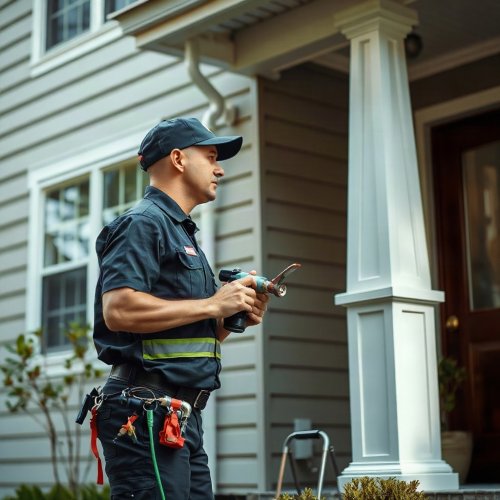
An emergency plumber is a licensed, highly trained professional available 24 hours a day, 7 days a week to handle urgent plumbing failures that threaten property safety, structural integrity, or public health.
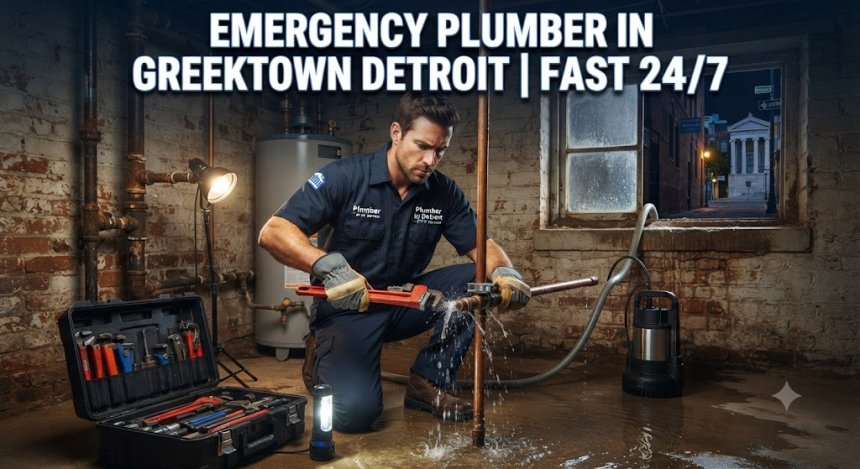
Common situations requiring an emergency dispatch include main water supply lines snapping, commercial grease traps overflowing, toilets backing up uncontrollably during peak business hours, and frozen supply pipes splitting during freezing Michigan winters. For example, if a pressurized water pipe bursts in your basement at 2:00 AM, flooding your floor and threatening electrical panels, you cannot wait until morning. Immediate professional intervention is required to shut off the water and perform emergency repairs.
Why Does This Plumbing Problem Happen?
Emergency plumbing failures rarely occur without underlying physical or environmental triggers that worsen over time until a breaking point is reached.
-
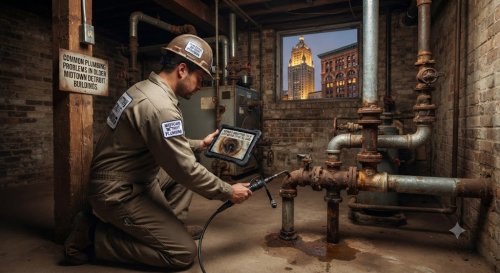
Aging Infrastructure: Many properties in Greektown feature older galvanized steel, cast iron, or clay pipes that corrode and weaken after decades of use.
-
Extreme Weather: Michigan’s harsh freeze-thaw cycles subject outdoor and basement plumbing to immense thermal shock and pressure, causing brittle pipes to crack or burst.
-
High Water Pressure: Municipal water pressure surges can stress older joints and fixtures, pushing worn seals past their breaking point.
-
Grease and Food Debris: Commercial kitchens and residential sinks accumulate fats, oils, and food waste that harden into impenetrable blockages.
-
Tree Root Intrusion: Underground sewer laterals are constantly invaded by aggressive root systems seeking moisture through tiny pipe joints.
-
Deferred Maintenance: Ignoring minor, slow-running drains or small joint leaks allows pressure to build up until a sudden catastrophic failure occurs.
Signs You Should Never Ignore
Recognizing early warning signs can help you prevent a minor plumbing issue from escalating into a midnight disaster:
-
Sudden Pressure Drops: A rapid, unexplained drop in water pressure across multiple fixtures points to a major underground leak or supply line break.
-
Damp Walls and Ceilings: Discolored patches, peeling paint, or soft drywall indicate hidden water leaks actively compromising your structure.
-
Foul Sewage Odors: Persistent sulfur or waste smells escaping from floor drains signal venting blockages or cracked sewer lines.
-
Gurgling Fixtures: Hearing bubbling noises when running washing machines or flushing toilets means trapped air is struggling to escape past a growing blockage.
-
Unexplained High Bills: A sudden spike in your municipal water utility bill often reveals a hidden, continuous leak underground or behind walls.
Common Plumbing Problems Related to This Issue
When emergency plumbing failures occur, they frequently trigger a domino effect of secondary property damage throughout the building.
-
Burst Supply Pipes: High water pressure or freezing temperatures can split copper and PEX lines, releasing gallons of water per minute.
-
Basement Sewer Backups: Blocked main lines force raw municipal waste backward into lowest-level floor drains and bathrooms.
-
Water Heater Failures: Tank corrosion or pressure relief valve malfunctions can flood utility rooms and cut off hot water supply.
-
Slab Leaks: Undetected underground leaks erode soil foundations, causing concrete floors to crack and settle.
Step-By-Step Professional Repair Process
When you call Plumber in Detroit for an emergency dispatch, our licensed technicians follow a structured, rapid-response process to secure your property.
-
Step 1: Emergency Isolation: Upon arrival, our technician immediately locates and shuts off the main water or gas supply to halt active damage.
-
Step 2: Rapid Diagnosis: We utilize advanced diagnostic tools, including acoustic leak detectors and thermal cameras, to pinpoint the exact failure point.
-
Step 3: Clear Estimate: Before starting repairs, we provide an honest, upfront pricing estimate detailing the required emergency actions.
-
Step 4: Professional Repair: Using fully stocked service vehicles, we execute durable repairs, replacing damaged pipe sections, valves, or fittings.
-
Step 5: System Testing: We repressurize the system and test all affected fixtures to ensure normal, leak-free operation.
-
Step 6: Area Cleanup: We sanitize the workspace, removing debris and standing water to ensure safety.
-
Step 7: Prevention Advice: We offer practical guidance on how to prevent similar emergencies from recurring in the future.
Can You Fix It Yourself?
Attempting DIY repairs during a plumbing emergency is extremely dangerous and often worsens the damage. While shutting off your main water valve is a safe and necessary first step every homeowner should take, applying temporary tape or chemical fixes to high-pressure burst pipes will fail almost instantly. Furthermore, working with electrical appliances near standing water or handling sewage contamination without professional personal protective equipment poses severe health and safety risks. When an emergency strikes, shutting off the water and calling a licensed professional is always the correct choice.
Tools Professionals Use
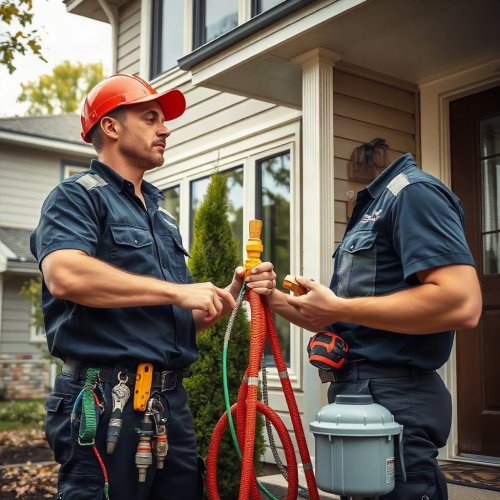
Emergency plumbing requires specialized industrial equipment to diagnose and resolve complex failures under tight time constraints.
-
Acoustic Leak Detectors: High-sensitivity listening devices that pinpoint pressurized water leaks hidden behind walls or beneath concrete slabs.
-
Thermal Imaging Cameras: Infrared technology that detects temperature differentials caused by hidden moisture and active pipe leaks.
-
High-Pressure Hydro Jetters: Heavy-duty water pumps that clear severe grease and root blockages instantly.
-
Heavy-Duty Pipe Clamps and Fasteners: Emergency sleeves and mechanical couplings designed to temporarily or permanently seal burst sections safely.
How Long Does the Repair Usually Take?
Emergency response times and repair durations vary based on the nature of the crisis.
-
Emergency Dispatch Arrival: Our team moves quickly to reach properties in Detroit and surrounding neighborhoods.
-
Shutoff and Containment: Securing the leak and stopping active flooding usually takes 15 to 30 minutes.
-
Standard Pipe Repairs: Fixing a burst supply line or clearing an emergency blockage typically takes 1 to 3 hours.
-
Major Line Replacements: Extensive underground excavation or main line reconstruction can take 1 to 2 days.
Factors affecting repair time include pipe accessibility, the severity of water damage, and whether city permits are required for street-level repairs.
Cost Factors
Emergency service costs reflect the urgency, specialized labor, and resources required to mobilize outside of standard business hours.
-
Emergency Dispatch Fees: Charges associated with after-hours, weekend, or holiday deployment.
-
Diagnostic Complexity: Time required to locate hidden leaks or structural failures.
-
Materials and Parts: Specialized commercial-grade valves, copper piping, or heavy-duty fittings.
-
Extent of Damage: The severity of the plumbing failure and the amount of labor needed to restore the system.
Plumbing repair costs vary depending on the severity of the problem, accessibility, materials required, emergency service, property type, and local labor rates.
Hidden Truths Homeowners Should Know
Understanding the practical realities of emergency plumbing helps property owners stay prepared.
-
Small Leaks Escalate Quickly: A minor drip left unaddressed overnight can warp hardwood floors and saturate drywall by morning.
-
Temporary Fixes Fail: Duct tape and rubber patches cannot withstand continuous indoor water pressure.
-
Insurance Gaps: Standard policies often deny claims if water damage stems from long-neglected maintenance issues.
-
Hidden Mold Growth: Spores can colonize in damp drywall and subfloors within 24 hours of a leak.
-
Utility Surges: Unattended leaks drive up municipal water bills dramatically.
-
Preventative Value: Annual plumbing tune-ups cost a fraction of emergency remediation services.
15 Common Mistakes Homeowners Make
-
Not Knowing Main Shutoff Location: Wasting precious minutes searching for the water valve while flooding occurs.
-
Using Chemical Cleaners on Frozen Pipes: Forcing caustic chemicals into frozen lines creates hazardous splatters.
-
Over-Tightening Fixture Nuts: Forcing connections cracks porcelain and strips metal threads.
-
Ignoring Slow Drains: Waiting until a total blockage triggers an overflow emergency.
-
Hiring Unlicensed Handymen: Using unqualified workers who lack insurance and proper emergency tools.
-
Delaying Professional Help: Hoping a major leak will stop on its own.
-
Skipping Annual Inspections: Missing early warning signs of pipe corrosion.
-
Disposing of Grease improperly: Pouring cooking oils down kitchen drains.
-
Flushing Prohibited Items: Treating toilets like trash cans for wipes and paper towels.
-
Neglecting Sump Pumps: Failing to test backup pumps before heavy storms.
-
Leaving Hoses Connected in Winter: Allowing outdoor spigots to freeze and crack indoor pipe segments.
-
Ignoring Water Pressure Spikes: Failing to install or maintain pressure reducing valves.
-
Using Mismatched Pipe Materials: Creating galvanic corrosion by joining incompatible metals.
-
Failing to Clear Access Panels: Blocking main cleanouts with heavy furniture or drywall.
-
Panicking Instead of Acting: Failing to shut off the water supply immediately during a burst pipe.
Maintenance Tips
-
Locate Your Main Valve: Ensure everyone in your household knows how to shut off the main water supply instantly.
-
Insulate Vulnerable Pipes: Protect unheated basement and crawlspace pipes before winter arrives.
-
Schedule Annual Checkups: Have a licensed Detroit plumber inspect your system yearly.
-
Watch What You Flush: Only human waste and toilet paper belong in toilets.
-
Scrape Grease Away: Wipe greasy pans with paper towels before washing.
-
Install Mesh Strainers: Catch hair and food debris in all sinks and showers.
-
Test Sump Pumps: Check pump operation bi-annually.
-
Monitor Water Meters: Watch for unexplained usage increases.
-
Disconnect Garden Hoses: Prevent outdoor spigot freezing during winter months.
-
Flush Water Heaters: Remove sediment buildup annually to extend tank life.
-
Inspect Washing Machine Hoses: Replace rubber hoses with braided steel lines every five years.
-
Clear Outdoor Drains: Keep window wells and yard catch basins clear of debris.
-
Check Toilet Flappers: Replace worn flappers to stop silent water leaks.
-
Keep Cleanouts Accessible: Ensure plumbing access points remain unobstructed.
-
Address Drips Early: Fix minor cartridge drips before they worsen.
When Should You Call an Emergency Plumber?
Certain situations demand immediate professional intervention without delay.
-
Burst Supply Pipes: Active indoor flooding threatening structural elements and electrical systems.
-
Severe Sewage Backups: Raw waste overflowing into living or dining areas.
-
Total Loss of Water: Sudden, unexplained loss of water supply across the entire building.
-
Overflowing Toilets: When water levels rise continuously and cannot be stopped via the fixture valve.
-
Major Water Heater Leaks: Tanks rupturing and flooding utility rooms.
Frequently Asked Questions
Why is my water pressure suddenly low? Sudden low pressure typically results from a partially closed shutoff valve, a failing pressure regulator, or municipal line work. Call a professional if it affects the whole house.
How much does leak detection cost? Leak detection costs vary based on whether the leak is visible or hidden beneath concrete slabs. Advanced acoustic tools pinpoint leaks without destructive digging.
Can a clogged drain damage pipes? Yes. Persistent pressure from chronic blockages weakens pipe joints, leading to hairline cracks and eventual bursts.
Is hydro jetting safe for old pipes? A licensed plumber performs a preliminary camera inspection first. If pipes are structurally sound, hydro jetting is completely safe and highly effective.
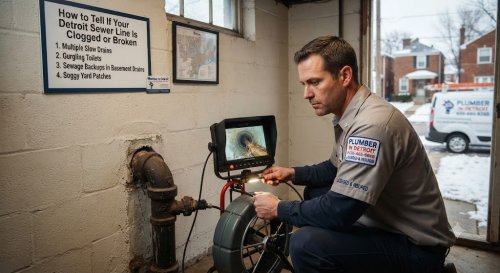
How do I know if my sewer line is broken? Frequent backups, foul sulfur odors, soggy lawn patches, and multiple slow-draining fixtures indicate structural sewer line damage.
How long do water heaters last? Traditional tank water heaters last 8 to 12 years, while tankless models can operate for up to 20 years with proper maintenance.
Why does my faucet drip? Dripping faucets are caused by worn-out washers, damaged O-rings, or corroded valve seats inside the handle cartridge.
What causes pipes to burst? Pipes burst most frequently when freezing winter temperatures cause trapped water to expand, exerting immense pressure on pipe walls.
Can plumbing leaks increase my water bill? Even a small hidden leak running continuously can waste thousands of gallons of water monthly, driving up utility bills significantly.
When should I replace plumbing instead of repairing it? If your system features outdated materials like galvanized steel or requires repeated repairs on aging joints, full replacement is more cost-effective.
Why Choose Our Plumbing Company
Plumber in Detroit proudly serves homeowners and businesses throughout Greektown, Detroit, MI and the surrounding Wayne County communities with unmatched dedication.
-
Experienced Licensed Plumbers: Our technicians hold valid state licensing for all residential and commercial plumbing challenges.
-
Honest Recommendations: We provide transparent evaluations and explain all available options without high-pressure sales tactics.
-
Upfront Estimates: You receive clear pricing before any work begins, ensuring zero hidden fees or surprise costs.
-
Fast Response Times: We arrive promptly equipped with fully stocked service vehicles to resolve emergencies quickly.
-
Emergency Availability: Our team stands ready 24/7 to handle urgent backups and burst pipes.
-
Quality Workmanship: We adhere to the highest industry standards to ensure durable, long-lasting repairs.
-
Modern Equipment: Utilizing state-of-the-art diagnostic cameras and hydro jetting tools, we solve problems efficiently.
-
Customer Satisfaction: We prioritize clear communication, respect for your property, and dependable results on every job.
Contact Plumber in Detroit today for reliable emergency plumbing services tailored to your property's needs.