How to Tell If Your Detroit Sewer Line Is Clogged
Learn how to tell if your Detroit sewer line is clogged or broken. Discover warning signs, causes, professional repair processes, and when to call a plumber.

NEED A PLUMBER?
Fast & Local Plumbing Services
Leaks • Clogged Drains • Burst Pipes • Water Heaters • Emergency Plumbing
NEED A PLUMBER?
Fast & Local Plumbing Services
Leaks • Clogged Drains • Burst Pipes • Water Heaters • Emergency Plumbing
How to Tell If Your Detroit Sewer Line Is Clogged or Broken
Introduction
Dealing with a failing main sewer line is one of the most stressful experiences a property owner can face. When wastewater refuses to leave your home and instead begins bubbling up through basement floor drains or backing up into bathtubs, immediate action is vital. Property owners across Detroit, MI, from historic neighborhoods like Corktown and Boston-Edison to modern builds throughout Wayne County, frequently search for reliable ways to determine whether their sewer line is simply clogged or structurally broken.
Local properties face distinct environmental stressors, including freezing winter ground shifts, aging cast-iron infrastructure, and aggressive tree roots. Knowing how to identify the warning signs, understanding what causes sewer failures, and knowing when to call a professional can save your property from catastrophic sewage damage.
What Is a Sewer Line Clog or Break?
A sewer line clog or break refers to an obstruction or structural failure within the main underground pipe that carries all wastewater from your home out to the municipal sewer main.
Common Situations
-
Multiple Fixture Backups: Water backing up into your shower when you flush the toilet, or your washing machine wastewater flooding the basement floor drain.
-
Partial Flow Restrictions: Sluggish draining across every plumbing fixture in the house, pointing to a localized clog or collapsing pipe wall.
-
Complete Structural Rupture: Total separation or crushing of an underground sewer pipe caused by soil movement or invasive tree roots.
Symptoms & Triggers
Triggers often include grease accumulation, structural pipe aging, or invasive root growth seeking moisture. Symptoms range from foul odors near drains to raw sewage pooling in the yard or basement.
Why Does This Plumbing Problem Happen?
Sewer lines do not fail without underlying mechanical or environmental causes. The primary reasons include:
-
Aging Pipes and Corrosion: Many historic Detroit homes feature aging cast-iron or clay sewer lines that corrode, crack, and collapse after decades of service.
-
Invasive Tree Roots: Large trees searching for moisture infiltrate tiny joints or micro-cracks in underground sewer pipes, expanding inside the pipe and creating massive blockages or breaking the conduit apart.
-
Grease and Sludge Buildup: Pouring cooking fats, oils, and grease down kitchen sinks coats pipe walls, trapping hair, soap scum, and waste over time.
-
Improper Flushing Habits: Flushing "flushable" wipes, paper towels, hygiene products, and cotton balls creates dense clogs that standard plungers cannot clear.
Practical Example: In a home in Rosedale Park with mature maple trees lining the yard, fine roots squeeze through a joint in the lateral clay sewer line, catching toilet paper and eventually sealing the pipe completely.
Signs You Should Never Ignore
Recognizing warning signs early can prevent a minor drainage slowdown from turning into a costly structural disaster:
-
Multiple Slow Drains: When sinks, tubs, and toilets all drain sluggishly at the same time, the problem is almost always in the main sewer line rather than a single fixture.
-
Gurgling Toilets or Drains: Bubbling sounds or air burps escaping from toilet bowls when you run the sink indicate trapped air escaping through the water seal due to a blocked vent or sewer line.
-
Foul Sewage Odors: Persistent sulfur or rotten egg smells lingering around basement floor drains or in the yard.
-
Soggy Patches in the Yard: Unexplained patches of lush, green grass or soggy, sunken earth in your lawn directly above the underground sewer line path.
-
Backups in Basement Floor Drains: Wastewater bubbling up through the lowest drains in your home when you use washing machines or flush toilets.
Why each sign matters: Each of these symptoms signals that wastewater cannot escape your property normally, creating severe health hazards and property damage risks.
Common Plumbing Problems Related to This Issue
A compromised sewer line frequently coincides with or triggers related home plumbing problems:
-
Drain Clogs: Secondary blockages forming inside branch lines due to backed-up main waste.
-
Pipe Leaks: Joint separations leaking greywater and blackwater into surrounding subfloors or foundation walls.
-
Structural Foundation Damage: Constant saturation of soil around your foundation causing shifting, cracking, and basement wall leaks.
-
Fixture Damage: Overflowing toilets and tubs ruining bathroom flooring, baseboards, and drywall.
Step-by-Step Professional Repair Process
When you call a licensed plumbing team in Detroit to diagnose a sewer line issue, they follow a rigorous, systematic workflow:
-
Step 1: Inspection: The plumber assesses all affected fixtures and listens to homeowner descriptions of drainage behavior.
-
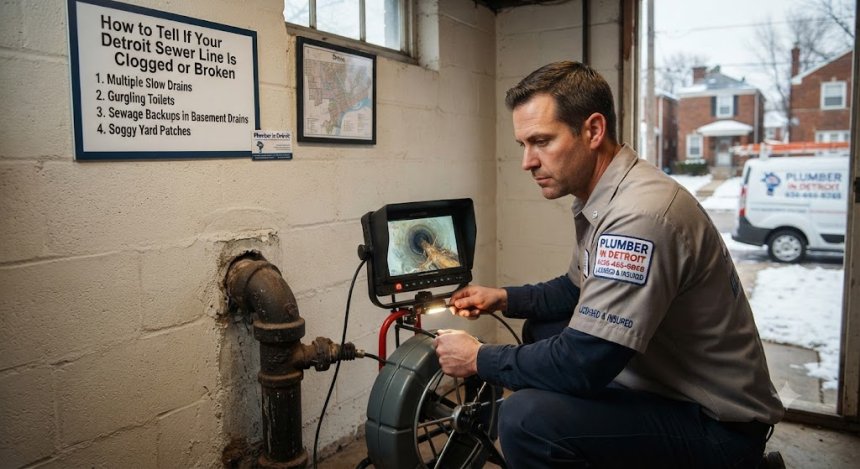
Step 2: Diagnosis: Inserting a waterproof fiber-optic sewer camera down the cleanout to visually locate clogs, root intrusions, or structural pipe breaks.
-
Step 3: Estimate: Presenting a transparent, written quote outlining whether hydro jetting, spot repair, or complete trenchless sewer replacement is necessary.
-
Step 4: Repair or Replacement: Clearing blockages with heavy-duty augers/hydro jetters or replacing broken pipe segments using traditional or trenchless methods.
-
Step 5: Testing: Running a post-repair camera inspection and flow test to verify that wastewater moves freely out to the city main.
-
Step 6: Cleanup: Sanitizing work areas, clearing debris, and restoring your property to a clean condition.
-
Step 7: Maintenance Advice: Offering personalized guidance on how to prevent future root intrusions and clogs.
Can You Fix It Yourself?
Homeowners must understand the limitations of DIY work when dealing with main sewer lines.
-
Safe DIY Solutions:
-
Clearing P-Traps: Removing and cleaning localized hair clogs from bathroom sink traps.
-
Plunging Individual Toilets: Using a standard flange plunger to clear simple, superficial toilet bowl blockages.
-
-
Temporary Fixes:
-
Ceasing all water usage (laundry, showers, dishwashing) temporarily when a sewer backup occurs to prevent basement flooding while waiting for professional help.
-
-
When DIY Becomes Dangerous:
-
Renting Heavy Power Augers: Attempting to force heavy motorized drain snakes through main sewer lines without professional training can puncture pipes or twist violently, causing severe physical injury.
-
Using Harsh Chemical Cleaners: Pouring massive amounts of commercial acid down backed-up drains risks dangerous chemical splashes and pipe corrosion.
-
-
When Professional Plumbing is Necessary:
-
Multiple fixtures backing up simultaneously.
-
Raw sewage appearing in basement floor drains.
-
Tree root intrusions or collapsed underground pipes.
-
Tools Professionals Use
Licensed plumbers rely on advanced, specialized equipment to diagnose and repair sewer lines accurately:
-
Drain Inspection Cameras: Waterproof fiber-optic push cameras equipped with high-resolution lighting to view the exact interior condition of underground pipes.
-
Hydro Jetting Machines: High-pressure water scouring systems that blast away stubborn grease, scale, and tree roots from pipe walls.
-
Electronic Pipe Locators: Radio-frequency surface receivers used to pinpoint the exact depth and geographic location of underground pipe breaks without guesswork digging.
-
Heavy-Duty Motorized Augers: Commercial cable machines designed to cut through thick tree roots and hardened blockages.
-
Trenchless Pipe Lining Equipment: Epoxy resin bladders used to rehabilitate damaged pipes from the inside without excavating your lawn.
How Long Does the Repair Usually Take?
Repair timelines depend heavily on the nature of the sewer problem:
-
Diagnostic Camera Inspection: 30 to 60 minutes.
-
Clearing a Severe Clog or Root Blockage: 1 to 3 hours.
-
Spot Repair of a Broken Pipe Section: 4 to 8 hours.
-
Complete Trenchless Sewer Line Replacement: 1 to 2 days.
Factors affecting repair time: Depth of the buried sewer line, soil composition, proximity to utility lines, and whether trenchless or traditional excavation methods are required.
Cost Factors
Providing a single fixed price for sewer line repairs is impossible because every property is unique. Costs are influenced by:
-
Diagnostic Fees: Standard service call and camera inspection charges to locate the problem.
-
Extent of Damage: Whether the pipe requires simple snaking, hydro jetting, spot repair, or full replacement.
-
Depth and Accessibility: How deep the pipe is buried beneath landscaping, driveways, or concrete patios.
-
Materials Required: Cost of PVC piping, trenchless lining resins, or heavy-duty connectors.
-
Emergency Service Surcharges: After-hours dispatch fees for urgent weekend or night calls.
Plumbing repair costs vary depending on the severity of the problem, accessibility, materials required, emergency service, property type, and local labor rates.
Hidden Truths Homeowners Should Know
-
Slow Drains Are Early Warnings: A single slow drain is easy to ignore, but it is usually the first symptom of a developing main sewer line blockage.
-
Chemical Cleaners Do Not Fix Roots: Pouring liquid drain opener down a root-infested pipe provides zero relief and destroys old pipe walls.
-
Insurance Usually Excludes Sewer Backups: Standard homeowner insurance policies rarely cover sewer line failure unless you carry a specific endorsement rider.
-
Trees Cause Chronic Damage: Planting large trees near sewer lines guarantees future root intrusion as roots seek out moisture joints.
-
Delaying Repairs Multiplies Costs: A minor crack left unaddressed will eventually collapse completely under soil pressure, turning a simple patch into a major excavation.
15 Common Mistakes Homeowners Make
-
Ignoring Early Slow Drains: Waiting until raw sewage floods the basement before taking action.
-
Using Chemical Drain Cleaners Repeatedly: Damaging older cast-iron and clay pipes with harsh acids.
-
Flushing Wipes and Feminine Products: Assuming items labeled "flushable" dissolve safely in sewer lines.
-
Pouring Grease Down Kitchen Drains: Creating hardened blockages that trap debris in waste lines.
-
Planting Large Trees Near Sewer Lines: Placing moisture-loving trees directly over underground lateral pipes.
-
Hiring Unlicensed Handymen: Risking improper repairs and unpermitted sewer work.
-
Skipping Camera Inspections: Buying a home without scoping the sewer line beforehand.
-
Waiting Until Emergencies Strike: Forcing panic-driven, high-cost after-hours service calls.
-
Using Incompatible Pipe Materials: Mixing PVC and old cast-iron incorrectly without proper transition couplings.
-
Over-Tightening Cleanout Plugs: Cracking plastic basement cleanout caps during DIY attempts.
-
Failing to Locate the Main Cleanout: Wasting critical time during an active backup emergency.
-
Ignoring Gurgling Toilets: Dismissing bubbling sounds as normal plumbing noises.
-
Neglecting Annual Maintenance: Skipping routine hydro jetting in homes prone to heavy root intrusion.
-
Choosing Contractors Solely on Price: Risking incomplete root removal and recurring backups.
-
Failing to Verify Warranties: Not asking for workmanship guarantees on major sewer replacements.
Maintenance Tips
Protect your Detroit home's sewer line and prevent unexpected blockages with these practical maintenance tips:
-
Schedule Annual Camera Inspections: Have a licensed plumber scope your sewer line every year if you have mature trees.
-
Never Flush Wipes: Dispose of baby wipes, paper towels, and sanitary items in the trash, never the toilet.
-
Keep Grease Out of Drains: Collect cooking fats in a container and discard them in the trash.
-
Install Root Barriers: Use approved root-inhibiting treatments around vulnerable clay lines.
-
Plant Wisely: Keep large trees and shrubs away from underground utility paths.
-
Test Basement Floor Drains: Pour water into utility floor drains regularly to maintain trap seals.
-
Use Drain Strainers: Catch hair and food debris in all sink and shower baskets.
-
Monitor Your Yard: Watch for unexplained soggy patches or sunken grass areas over sewer lines.
-
Listen for Gurgling: Pay attention to bubbling sounds when fixtures drain.
-
Know Your Cleanout Location: Ensure your basement or outdoor sewer cleanout is clearly marked and accessible.
-
Avoid Harsh Acid Cleaners: Use mechanical snaking or enzymatic cleaners for routine buildup.
-
Inspect After Major Storms: Check basement drainage performance following heavy Detroit downpours.
-
Insulate Basement Pipes: Protect exposed plumbing from freezing temperatures during winter.
-
Check Sump Pump Operation: Ensure your backup sump pump functions smoothly to handle excess water.
-
Hire Licensed Professionals: Always work with certified local plumbing experts for major line maintenance.
When Should You Call an Emergency Plumber?
Call an emergency plumbing team immediately if you encounter any of the following situations:
-
Raw Sewage Flooding: Wastewater actively overflowing from basement floor drains and toilets.
-
Total Drainage Failure: Every fixture in the home completely refusing to drain.
-
Foul Sewage Odors Filling Living Spaces: Overwhelming sewage smells causing physical discomfort or illness.
-
Main Line Collapse: Complete structural failure evidenced by total backup and yard saturation.
Why immediate action is important: Prompt professional intervention stops biological health hazards, prevents destructive structural water saturation, and restores sanitary living conditions to your home.
Frequently Asked Questions
Why is my water pressure suddenly low?
Sudden low water pressure is typically caused by clogged faucet aerators, a failing pressure-reducing valve (PRV), or mineral scale buildup in supply lines rather than sewer line issues.
How much does leak detection cost?
Leak detection costs vary based on property size and equipment required, serving as a diagnostic fee prior to executing targeted repairs.
Can a clogged drain damage pipes?
Yes, persistent clogs create high internal pressure and prolonged chemical exposure that can weaken pipe walls and joints over time.
Is hydro jetting safe for old pipes?
Hydro jetting is highly effective, but an experienced plumber must first inspect historic clay or cast-iron pipes via camera to ensure structural integrity.
How do I know if my sewer line is broken?
Key indicators include multiple slow drains, gurgling toilets, foul sewage odors, wet spots in the yard, and backups in basement floor drains.
How long do water heaters last?
Traditional tank water heaters typically last between 8 to 12 years, while tankless units can operate for 20 years or more with routine maintenance.
Why does my faucet drip?
A dripping faucet is usually caused by a worn washer, degraded O-ring, or a failing internal valve cartridge inside the handle.
What causes pipes to burst?
Pipes most commonly burst when trapped water freezes and expands during harsh winter freezes, or when extreme internal pressure builds up from blockages.
Can plumbing leaks increase my water bill?
Yes, even a small, hidden supply leak can waste hundreds of gallons a day, leading to a shocking spike in your monthly utility bill.
When should I replace plumbing instead of repairing it?
If your home features widespread pipe corrosion, frequent recurring leaks, or outdated materials like galvanized steel, full replacement or repiping is more cost-effective than continuous patch repairs.
Why Choose Our Plumbing Company
When you are facing a clogged or broken sewer line in Detroit, MI, you need a local team you can depend on. Here is why homeowners and businesses choose Plumber in Detroit:
-
Experienced Licensed Plumbers: Our team consists of licensed, insured professionals with extensive hands-on experience handling Detroit's unique historical and modern plumbing infrastructure.
-
Honest Recommendations: We provide transparent, upfront estimates with zero hidden fees, advising you honestly whether clearing, repair, or replacement is your best option.
-
Fast Response Times: We know that a sewer backup disrupts your life instantly, which is why we prioritize prompt dispatch.
-
Emergency Availability: Plumbing emergencies don’t stick to a 9-to-5 schedule. We are available around the clock for 24/7 emergency service.
-
Modern Equipment: We invest in cutting-edge diagnostic tools like sewer cameras and hydro jetters to clear lines efficiently.
-
Local Expertise: We understand Wayne County codes, local root challenges, and neighborhood-specific plumbing needs across Detroit and surrounding communities.
Contact Plumber in Detroit today at