Why Is My Water Pressure Low? Troubleshooting Older Detroit Homes
Experiencing low water pressure in an older Detroit home? Learn common causes from galvanized pipes to local municipal supply issues and how to fix them.


NEED A PLUMBER?
Fast & Local Plumbing Services
Leaks • Clogged Drains • Burst Pipes • Water Heaters • Emergency Plumbing
NEED A PLUMBER?
Fast & Local Plumbing Services
Leaks • Clogged Drains • Burst Pipes • Water Heaters • Emergency Plumbing
Understanding Low Water Pressure in Historic Detroit Neighborhoods
From the stately colonials in Boston-Edison to the classic bungalows in East English Village, Detroit is home to a wealth of historic architecture. However, owning an older home often comes with unique plumbing challenges. One of the most common complaints we hear from local homeowners is a sudden or gradual drop in water flow. When you turn on the shower or try to run the kitchen sink while the laundry is going, a weak trickle can be more than just frustrating—it is often a sign of underlying structural issues within your plumbing system.
As an experienced plumber working across the Detroit area, I have diagnosed countless water pressure issues. While newer construction homes rely on modern PEX or copper piping configurations, older properties feature legacy materials that degrade over time. Pinpointing the exact cause requires looking at both your home's interior layout and the broader municipal infrastructure it connects to.
Common Culprits Behind Weak Water Flow
Low water pressure rarely happens for no reason. In older Detroit properties, the issue typically stems from a few specific mechanical or material failures:
1. Galvanized Steel Pipe Corrosion
Many homes built before the mid-20th century were originally plumbed with galvanized steel supply lines. Over decades of exposure to mineral-rich water, these pipes corrode from the inside out. Rust, sediment, and mineral scale build up along the interior walls, drastically narrowing the pathway for water to travel. If your home still has original galvanized piping, a whole-house repiping project is often the only permanent solution to restore full pressure.
2. Clogged Aerators and Fixtures
Sometimes the problem is localized to a single sink or showerhead. Detroit water carries minerals that can precipitate out and clog faucet aerators and showerhead nozzles. Before panicking about major pipe damage, unscrew the aerator at the tip of your faucet and check for trapped debris, sand, or calcium buildup. Cleaning these small screens often solves the issue instantly.
3. Pressure Reducing Valve (PRV) Failure
Many residential properties feature a Pressure Reducing Valve designed to protect internal plumbing from high municipal water pressure coming off Detroit Water and Sewerage Department (DWSD) mains. When a PRV fails, it typically gets stuck in a restricted position, cutting off the flow of water into the home. If your pressure dropped simultaneously across all fixtures, a failing PRV is a prime suspect.
Distinguishing Between Municipal Issues and Internal Problems
Before calling a Detroit plumber, it helps to narrow down whether the issue is isolated to your property or affecting your neighbors as well. If the city is performing main repairs or hydrant flushing nearby, temporary pressure drops are common. However, if your neighbors have normal water pressure while your taps are barely sputtering, the restriction is inside your property lines or at your main water shutoff valve.
Another common local factor is the main water shutoff valve near your water meter. If this valve was partially closed during a previous repair or winterization process, it will restrict the volume of water entering your home. Ensuring this valve is completely open is a quick diagnostic step any homeowner can perform safely.
Practical Next Steps for Detroit Homeowners
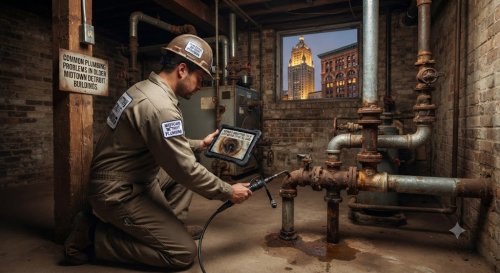
Tackling low water pressure starts with systematic troubleshooting. Check multiple faucets across different floors to see if the drop is universal or localized. Inspect visible pipes in your basement for signs of leaks, severe corrosion, or moisture. If you notice a sudden, inexplicable drop accompanied by an uncharacteristically high water bill, you may have a hidden slab leak or underground supply line leak requiring professional leak detection.
For older homes dealing with systemic pipe narrowing, modernizing your plumbing infrastructure not only improves daily convenience and appliance efficiency but also protects your property value. Addressing these flow restrictions proactively prevents sudden pipe bursts and ensures your home's plumbing can safely handle modern water demands.