Introduction
Dealing with an unexpected plumbing malfunction can instantly derail your entire day. When you are noticing water pooling under a sink or water refusing to exit your shower basin, you need dependable solutions fast. Drain repair and dripping faucet fixes are among the most frequent service calls property owners encounter across the Houston area.
Ignoring these seemingly minor issues often leads to escalating water bills, structural wood rot, and severe foundational damage. Houston homes face unique environmental stresses, including expansive clay soils, high humidity, and mineral-heavy municipal water, which accelerate wear and tear on plumbing lines. Recognizing the warning signs early helps protect your property investment and ensures your household functions smoothly year-round.
Critical Warning Signs: When Your Home is Sounding the Alarm
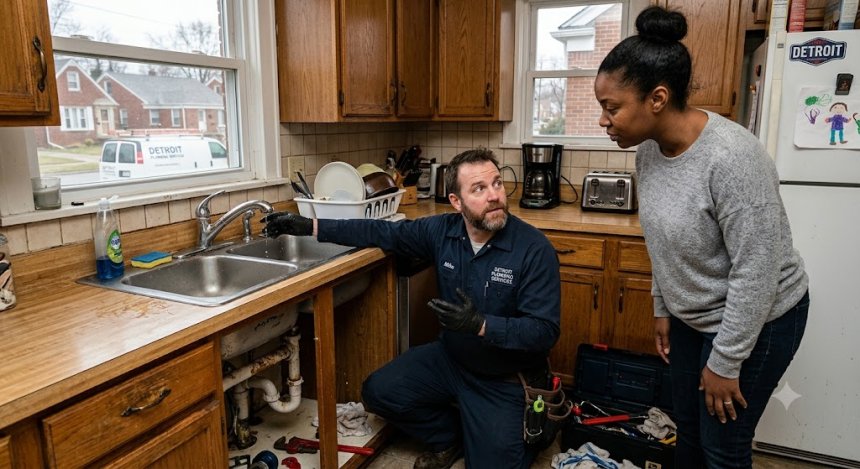
Catching a plumbing malfunction early can save you thousands of dollars in property restoration. Knowing what sensory indicators to look for gives you a vital head start.
-
Subtle Structural Shifts: Persistent damp drywall, peeling paint, or warped baseboards often point to a hidden slow leak behind your walls.
-
Auditory Clues: Water hammering, whistling pipes, or a continuous drip from a fixture signal excessive water pressure or worn-out internal seals.
-
Olfactory Indicators: Lingering sewer gas odors or damp, earthy mildew smells near floor drains indicate dry P-traps or cracked vent stacks.
-
Unexplained Utility Spikes: A sudden jump on your monthly water bill without a change in usage habits almost always points to an active, hidden leak.
Pro Tip: If you suspect a hidden leak, check your main water meter while all indoor and outdoor faucets are completely turned off. If the low-flow indicator dial is spinning, water is actively escaping somewhere in your system.
Root Causes: Why This Problem Occurs in Houston Homes
Plumbing components degrade over time, but regional environmental factors heavily dictate how quickly fixtures fail. Houston infrastructure and local climate elements create specific vulnerabilities:
-
Expansive Clay Soils: Shifting soil foundations place immense stress on underground drain and sewer lines, causing joints to pull apart or pipes to shear.
-
Hard Water Mineral Scaling: High mineral content leaves calcium and magnesium deposits inside pipes and faucet cartridges, restricting flow and ruining rubber seals.
-
High Water Pressure Fluctuations: Municipal supply pressures can fluctuate wildly, stressing older supply lines and wearing down faucet washers prematurely.
-
Corrosive Soil Chemistry: Local soil conditions can accelerate external pipe corrosion, particularly in older metallic lines.
-
Thermal Expansion: Rapid temperature shifts between indoor air conditioning and blistering outdoor Texas heat cycles stress plumbing joints.
Professional Diagnostic & Repair Workflow
When you call a licensed professional to tackle a persistent leak or a stubborn blockage, a systematic workflow ensures the root cause is resolved safely and permanently:
-
Non-Invasive Triage & Safety Isolation: The technician locates main shut-off valves to secure the property and isolate the affected zone safely.
-
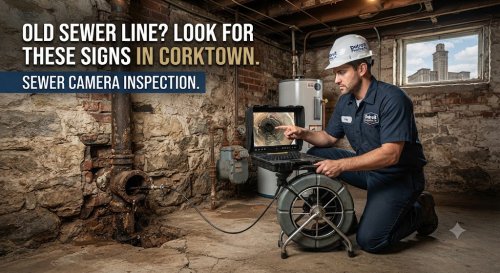
Precision Diagnostic & Digital Video Inspection: High-definition cameras are fed into drain lines to visually pinpoint blockages, cracks, or root intrusions.
-
Transparent, Upfront Options & Written Estimating: You receive clear, flat-rate pricing options before any tools touch your pipes, with zero hidden surprises.
-
Code-Compliant Remediation & Part Replacement: Faulty sections, worn cartridges, or damaged pipe segments are repaired or replaced using top-grade materials.
-
Pressure Testing, Flow Verification, & Clean-Up: The system undergoes rigorous pressure testing to confirm structural integrity, followed by a complete cleanup of the workspace.
Advanced Diagnostics: The Professional Tool Arsenal
Guesswork has no place in modern plumbing. Professional technicians rely on heavy-duty diagnostic equipment to inspect systems accurately without unnecessary property damage:
-
Push-Rod High-Definition Drain Cameras: These specialized fiber-optic cameras travel deep inside pipes to display real-time interior conditions on a monitor.
-
Electronic Acoustic Leak Detectors: Sound-amplification tools pick up the faint hiss of pressurized water escaping through underground or behind-the-wall pipes.
-
Thermal Imaging Infrared Cameras: These detect temperature differentials caused by warm or cool water leaking into building cavities.
-
Digital Manometers: Precision gauges used to test water pressure levels and detect minute pressure drops during system integrity tests.
What Is a Dripping Faucet and Clogged Drain? Decoding the Mechanism
To understand a dripping faucet or a failing drain, it helps to look at how these fixtures operate. A standard compression or cartridge faucet relies on precision-engineered seals, O-rings, and ceramic discs to block water flow when the handle is closed. When these internal components degrade, minerals accumulate, or valve seats become pitted, water forces its way through microscopic gaps, resulting in a steady, wasteful drip.
On the flip side, drains rely on gravity and proper venting to whisk wastewater away. When hair, grease, soap scum, or mineral scale build up along the inner pipe walls, water flow slows down. If left unchecked, this debris forms a stubborn blockage, preventing fixtures from draining entirely and creating backpressure.
Consider a typical suburban home in the Houston area: a kitchen sink dealing with daily cooking grease alongside hard water buildup will slowly constrict pipe diameters until a minor backup turns into a full-scale emergency.
Financial Breakdown: Cost Factors & Investment Realities
Plumbing repairs vary in cost depending on the scope and complexity of the issue. Professional contractors use flat-rate pricing structures that account for several key variables:
-
Diagnostic & Dispatch Fees: Covering the technician's travel time and specialized diagnostic testing equipment.
-
Accessibility & Labor Intensity: Accessing a drain pipe buried beneath a concrete slab requires significantly more labor than replacing an under-sink cartridge.
-
Material Quality: Upgrading from standard PVC or copper to premium, corrosion-resistant PEX piping affects overall material costs.
-
Permitting & Code Requirements: Major sewer line replacements often require municipal permits and strict adherence to local building codes.
DIY Reality Check: What You Can Safely Fix vs. When to Step Back
While do-it-yourself projects can be satisfying, plumbing systems involve high water pressure and complex drainage networks that demand caution.
-
Safe Homeowner Actions: Replacing a worn aerator on a kitchen faucet, plunging a minor surface clog with a standard flange plunger, or resetting a basic toilet flapper.
-
The Danger Zone: Using harsh chemical liquid drain cleaners, attempting to solder high-pressure supply lines without proper safety gear, or forcing galvanized threaded pipes.
-
When to Call a Pro: If a leak is originating behind a finished wall, your main sewer line is backing up into multiple fixtures, or a shut-off valve fails to close completely.
Unique Expert Insights: Hard Truths Homeowners Learn Too Late
Over decades of hands-on field experience, licensed plumbers encounter recurring mistakes that could easily have been avoided. Keep these hard truths in mind:
-
Chemical Cleaners Cause Damage: Pouring caustic liquid drain openers down a slow pipe eats away at older metal pipes from the inside out, often causing pinhole leaks.
-
Temporary Patches Void Policies: Wrapping duct tape or rubber patches around leaking supply lines only masks the problem, often leading to sudden catastrophic blowouts.
-
Unlicensed Handymen Create Liabilities: Hiring unlicensed labor for complex plumbing modifications frequently results in hidden code violations that fail during real estate home sales.
-
Preventive Care Saves Money: Scheduling annual plumbing tune-ups costs a fraction of what you would spend on emergency midnight water extraction and drywall repair.
Comprehensive Home Plumbing Maintenance Framework
Maintaining a healthy home plumbing system requires a proactive, seasonal approach. Implement these actionable habits throughout the year:
-
Spring Checks: Inspect outdoor hose bibs for winter cracking, test your sump pump operation, and check yard grading around your foundation.
-
Summer Maintenance: Clean out refrigerator ice maker supply lines, check washing machine supply hoses for bulging, and monitor water pressure levels.
-
Fall Preparation: Flush your water heater tank to remove sediment buildup and insulate exposed exterior pipes against unexpected temperature drops.
-
Winter Readiness: Disconnect garden hoses, store splitter valves indoors, and know the exact location of your main emergency water shut-off valve.
-
Year-Round Habits: Use mesh drain strainers in showers and sinks, avoid pouring cooking grease down drains, and keep harsh chemical cleaners out of your system.
Emergency Protocol: When Immediate Dispatch is Non-Negotiable
Some plumbing situations cannot wait until regular business hours. You need an immediate 24/7 emergency dispatch if you experience:
-
Catastrophic Pipe Bursts: A major supply line rupture actively flooding living areas or structural framing members.
-
Main Sewer Line Backups: Raw sewage backing up into bathtubs, floor drains, or lower-level living spaces.
-
Total Loss of Potable Water: Complete disruption of your home’s fresh water supply due to a main line failure.
-
Electrical Hazard Proximity: Active water leaks dripping directly onto electrical breaker panels, outlets, or water heater wiring.
Frequently Asked Questions (FAQs)
Why does my faucet keep dripping even after I replaced the handle washer?
If replacing a washer does not stop a drip, the metal valve seat inside the faucet body is likely pitted, corroded, or damaged. The entire valve seat must be resurfaced with a seat-dressing tool or the cartridge replaced entirely.
Is it safe to use chemical liquid drain openers for a slow shower drain?
No. Chemical drain cleaners generate high heat through chemical reactions that can warp PVC pipes and corrode metallic drain traps. They also fail to clear hair and soap scum clogs effectively, often turning a partial clog into a solid brick.
How often should I have my home's main sewer line inspected?
For homes over 20 years old or properties surrounded by large mature trees, scheduling a professional digital camera sewer inspection every 2 to 3 years is recommended to catch root intrusion early.
What causes low water pressure in a single bathroom sink?
Low water pressure restricted to a single fixture is usually caused by mineral scale buildup trapped inside the faucet aerator screen. Unscrewing the aerator tip and soaking it in vinegar typically restores full flow.
Can a leaking faucet cause high water bills?
Yes. A faucet dripping at a rate of one drip per second can waste over 3,000 gallons of water a year, significantly inflating your municipal utility bill without you realizing it.
How do I find my main water shut-off valve in an emergency?
In Texas homes, the main water shut-off valve is typically located near the front perimeter wall facing the street, inside a covered in-ground meter box near the property line, or right where the main supply line enters the garage or utility room.
What is hydro-jetting, and when is it necessary?
Hydro-jetting uses specialized high-pressure water streams (up to 4,000 PSI) to thoroughly scour the interior walls of drain and sewer pipes, completely removing grease, scale, and stubborn roots rather than just punching a small hole through the blockage.