Introduction: Protecting Your Palmer Woods Estate from Hidden Water Damage
Palmer Woods is one of Detroit’s most iconic and historic neighborhoods, renowned for its stately homes, expansive lots, and winding, tree-lined streets. Residents here take immense pride in their properties, investing significant time and resources into maintaining these architectural gems. However, the historic nature of these beautiful homes—some nearly a century old—presents unique infrastructure challenges. Among the most destructive and insidious threats is a hidden water leak.
Unlike a burst pipe under the kitchen sink that immediately announces itself with a gush of water, hidden leaks often lurk behind walls, beneath concrete slabs, or deep underground in service lines. They can drip slowly for months, or even years, causing extensive structural damage, fostering toxic mold growth, and costing thousands of dollars in wasted water and repairs before they are ever noticed.
When you suspect a leak in your Palmer Woods home or business, relying on traditional "guess-and-check" plumbing methods—which involve tearing out drywall or digging up landscaping—is unacceptable. You need precision, technology, and expertise.
At Plumber in Detroit, located conveniently near Woodward Avenue, we specialize in advanced, non-invasive leak detection. We are committed to serving the Palmer Woods community with state-of-the-art equipment and highly trained technicians who can pinpoint the exact source of a leak without damaging your property in the process. Don't let a hidden drip compromise your investment; call the experts at the first sign of trouble.
What Is Professional Leak Detection Service?
Professional leak detection service is a specialized branch of plumbing that moves beyond basic repairs. It is the science and art of locating hidden water leaks using advanced acoustic, infrared, and pressure-testing technologies. The goal is to find the precise origin of water intrusion or pipe failure without resorting to destructive exploratory demolition.
In a neighborhood like Palmer Woods, where homes feature plaster walls, hardwood floors, and mature landscaping, non-invasive detection is paramount. A professional leak detection specialist acts like a detective, gathering clues from your plumbing system, water meter, and the structure itself to solve the mystery of where the water is going.
Our comprehensive service covers:
-
Slab Leaks: Leaks occurring in copper or PEX lines beneath concrete foundations.
-
Behind-the-Wall Leaks: Pinholes or joint failures in supply lines running inside wall cavities.
-
Underground Service Line Leaks: Main water line breaks between the street meter and the house foundation.
-
Sewer and Drain Line Leaks: Cracks or breaks in wastewater pipes that can lead to soil erosion and foundation damage.
-
Roof and Gutter Leaks: Water intrusion points that manifest as ceiling stains inside the home.

Why Do Hidden Water Leaks Happen?
Water leaks, whether obvious or hidden, occur for a variety of reasons. Understanding these causes can help homeowners in Palmer Woods be more vigilant.
1. Aging Infrastructure and Material Failure
Many homes in Palmer Woods were built in the 1920s and 1930s. While many have undergone updates, some original plumbing may remain, or homes updated in the 1960s and 70s may now be reaching the end-of-life for certain materials.
-
Galvanized Steel: Prone to rusting from the inside out, leading to pinhole leaks at joints and along pipe lengths.
-
Aging Copper: While durable, it can still develop pinhole leaks due to chemical reactions with water (pitting corrosion) or improper installation (kinks leading to stress points).
-
Polybutylene (PB): Common in homes updated in the late 70s to mid-90s, this material is now known to become brittle and fail catastrophically at connections.
2. Corrosion
Detroit’s municipal water supply is drawn from the Great Lakes and is treated to be safe. However, factors like pH levels, dissolved oxygen, and total dissolved solids can cause different types of corrosion in plumbing metals, leading to leaks over time.
3. High Water Pressure
To supply water to multi-story homes and ensure adequate flow, municipal water pressure can sometimes be excessive. If a home lacks a functioning pressure-reducing valve (PRV), this high pressure constantly batters pipe walls, joints, and fixtures, leading to premature failure and leaks.
4. Ground Shifting and Tree Roots
Seasonal temperature changes in Michigan cause the ground to freeze and thaw, leading to shifting soils. This movement can put stress on underground pipes, causing them to crack or separate at joints. Furthermore, the beautiful, mature trees in Palmer Woods have extensive root systems that can intrude upon sewer and water lines seeking moisture, crushing or cracking the pipes in the process.
5. Poor Installation or Defective Fittings
Even in newer homes, a leak can develop due to human error during construction. Examples include improperly soldered copper joints, over-tightened plastic fittings that crack under stress, or defective valves that fail prematurely.
Signs You Should Never Ignore: Warning Signs of a Hidden Leak
Because hidden leaks do not present as flowing water, homeowners must pay attention to subtle changes in their home environment and plumbing system.
-
Unexplained High Water Bills: This is often the very first sign. If your water usage hasn't changed compared to the same billing period last year, but your bill is significantly higher, you likely have a steady leak.
-
Reduced Water Pressure: A sudden drop in pressure throughout the house or at a specific fixture can indicate a major break in the supply line where water is escaping before reaching the tap.
-
The Water Meter Test: Turn off all water-using appliances inside and outside the home. Go check your water meter. If the dial is still moving, you have water actively escaping somewhere between the meter and your home's faucets.
-
Damp or Warm Spots on Floors: If you have a concrete slab foundation, feel for damp spots on the carpet, tile, or wood. A warm spot on the floor can indicate a hot water line leaking beneath the slab.
-
Water Stains on Walls or Ceilings: Yellow, brown, or copper-colored stains that grow over time are clear indicators of a leak behind the wall or above the ceiling. Paint may also bubble or peel.
-
Musty Odors or Mold Growth: Persistent dampness behind walls or under flooring creates a perfect breeding ground for mold and mildew, leading to a musty smell even when surfaces appear dry.
-
Cracked Foundation: While settling occurs, unexplained new cracks or existing cracks that worsen can sometimes be caused by soil erosion from a persistent underground leak near the foundation.
-
Sound of Running Water: If you can hear the faint sound of water hissing or running when all faucets and appliances are turned off, it warrants immediate investigation by a leak detection specialist.
Common Plumbing Problems Related to Hidden Leaks
A hidden leak is rarely an isolated event; it triggers a cascade of secondary issues that compound the damage.
-
Structural Wood Rot: Water leaking inside wall cavities or beneath subfloors will eventually rot the wooden framing, joists, and beams, compromising the structural integrity of the home.
-
Toxic Mold Remediation: Once mold takes hold within walls or under floors, it requires professional remediation, which is far more expensive than fixing the original plumbing leak.
-
Electrical Hazards: Water leaking into wall cavities can come into contact with electrical wiring, creating short circuits and a significant fire hazard.
-
Flooded Basements: Underground service line leaks or failing sump pumps often lead to flooded basements, destroying finished spaces and stored items.
-
Landscaping Sinkholes: Major leaks in underground water or sewer lines can wash away soil, creating dangerous sinkholes in lawns or near driveways.
Step-by-Step Professional Leak Detection Process
When you hire Plumber in Detroit for leak detection in Palmer Woods, we follow a methodical, non-destructive process.
Step 1: Initial Consultation and History We discuss the symptoms you’ve observed—high bills, specific damp spots, sounds heard—to narrow down the potential area of concern.
Step 2: Visual Inspection and Pressure Testing Our technician visually inspects accessible plumbing, water heaters, and fixtures. We may attach pressure gauges to hose bibs to test the overall integrity of the home's water system. If pressure drops, it confirms a leak exists.
Step 3: Advanced Non-Invasive Technology Deployment Depending on the suspected location, we deploy specialized tools:
-
Acoustic Listening Equipment: High-sensitivity ground microphones and listening sticks are used to "hear" the sound of water escaping a pipe under pressure beneath slabs or behind walls. The sound is amplified, allowing us to triangulate the loudest point, which is the leak location.
-
Infrared Thermal Imaging Cameras: For leaks inside walls or under floors with radiant heating, we use infrared cameras that detect temperature differences. A leak will show up as a distinct cool or warm spot against the background insulation or building material.
-
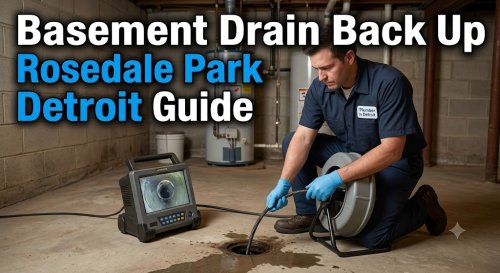
Sewer Cameras: If a sewer or drain line is suspected, we feed a waterproof fiber-optic camera into the line to visually inspect for cracks, root intrusion, or separated joints.
Step 4: Pinpointing the Exact Location Once the general area is identified, we use locators to mark the precise spot on the floor, wall, or ground where the repair needs to be made. This minimizes the required opening.
Step 5: Detailed Reporting and Repair Estimate We provide you with a full report of our findings and an honest, upfront estimate for the necessary repair. If the leak is covered by insurance, we can assist with documentation.
Step 6: Professional Repair and Restoration With your approval, our licensed plumbers make the repair. Because we use non-invasive detection, the required opening is usually small. After the repair, we can recommend trusted local partners for any necessary drywall, flooring, or landscaping restoration.
Can You Fix It Yourself?
When it comes to detecting hidden leaks, the answer is generally no. You cannot fix what you cannot find without the right tools. However, there are proactive steps homeowners can take.
Safe DIY Actions
-
Perform the Meter Test: As described above, monitor your meter when no water is being used.
-
Monitor Water Bills: Keep an eye out for unexplained spikes.
-
Check Visible Plumbing: Regularly inspect under sinks, around water heaters, and behind washing machines for signs of drips or corrosion.
-
Test Irrigation Systems: Manually run your sprinkler system and check for geysers, broken heads, or unusually soggy areas in the lawn.
When DIY Becomes Dangerous
Attempting to "find" a hidden leak by yourself often leads to costly property destruction.
-
Randomly Tearing Out Drywall: You may cut into many sections of a wall before finding the right spot, resulting in expensive drywall repair, taping, and painting.
-
Jackhammering Concrete Slabs: Without acoustic pinpointing, you risk damaging multiple pipes beneath the slab or compromising the foundation's integrity by digging in the wrong area.
-
Using Chemical Drain Cleaners: Never pour acids into a clogged pipe to try and clear it. This does not fix a leak, and if the pipe is cracked, these chemicals can leak into the soil or under the slab, creating a toxic environmental hazard.
Relying on professionals with the right diagnostic equipment is the most cost-effective and safest approach to hidden leaks.
Tools Professionals Use
Professional leak detection specialists utilize a suite of high-tech tools to ensure accuracy.
-
Electronic Amplified Geophones: These are highly sensitive ground microphones that filter out ambient noise (like wind or traffic) and amplify the specific frequency of pressurized water escaping a pipe.
-
Correlation Leak Detectors: Utilizing multiple sensors placed on contact points (like hose bibs or valves) along a pipe run, this computer-aided device analyzes sound travel times to mathematically calculate the precise distance to the leak.
-
Thermal Imaging Cameras: Infrared technology visualizes temperature anomalies caused by evaporating moisture behind walls, under floors, or in ceilings.
-
Video Pipe Inspection Systems: Push-rod cameras with sonde transmitters allow us to see inside sewer and water lines and locate the camera head's position above ground.
-
Trace Gas Injection: For very difficult-to-find leaks in closed systems, we may introduce an inert, non-toxic tracer gas (like hydrogen/nitrogen mix) into the emptied pipe. We then use a highly sensitive gas sniffer above ground to detect where the gas escapes, pinpointing the leak.
How Long Does Leak Detection Take?
The duration of a leak detection service depends on the complexity of the plumbing system and the accessibility of the leak.
-
Simple Residential Leaks: In many cases, an experienced technician can pinpoint a slab leak or a behind-the-wall leak in a single-family home in 1 to 3 hours.
-
Complex or Multiple Leaks: Locating leaks in sprawling estates, homes with complex plumbing configurations, or situations involving multiple simultaneous leaks (e.g., aging galvanized piping) may take 4 hours to a full day.
-
Underground Service Lines: Locating a main line leak between the street and the house depends heavily on the length of the line and soil conditions, typically taking 2 to 4 hours.
Our priority is accuracy and speed. We respect your time and investment in your Palmer Woods home, working efficiently to minimize disruption.
Cost Factors for Leak Detection
Ethical plumbers do not offer flat rates for leak detection over the phone because every situation is unique. The final cost depends on several variables:
-
Type of Leak: Locating an accessible pinhole leak in a copper pipe is less time-consuming than finding a complex slab leak beneath terrazzo flooring.
-
Technology Required: A simple acoustic test may cost less than deploying tracer gas or multiple camera inspections.
-
Accessibility of Pipes: Leaks in finished basements, beneath crawlspaces with difficult access, or under concrete slabs require more time and specialized equipment setup than leaks in open, unfinished utility areas.
-
Number of Leaks: Sometimes, an aging system has multiple simultaneous leaks. Finding the subsequent leaks after the primary one is located may add to the service time.
-
Time of Service: Emergency after-hours or weekend dispatch carries a premium rate compared to scheduled weekday appointments.
Plumbing repair costs vary depending on the severity of the problem, accessibility, materials required, emergency service, property type, and local labor rates.
Hidden Truths Homeowners Should Know
The plumbing industry has practical realities that every property owner should understand to protect their investment:
-
Small Leaks Become Expensive Repairs: Ignoring a minor drip from a valve or connection almost always leads to accelerated corrosion, larger leaks, and significant water damage to your home over time.
-
Cheap Temporary Fixes Often Fail: Trying to patch a leaking pipe with epoxy or tape is futile and dangerous; the pressure inside the pipe will inevitably blow out the patch.
-
Insurance Dislikes Neglect: Homeowner's insurance policies often deny claims for water damage if the damage resulted from a neglected, long-standing plumbing issue that you knew about or should have known about.
-
Tree Roots Always Return: If you simply snake a root-infested sewer line, the roots will grow back thicker and faster within months. Only professional hydro-jetting or pipe lining provides a long-term solution.
-
Hard Water Shortens Fixture Lifespan: In areas with hard water like Detroit, minerals constantly build up inside water heaters, faucets, and appliances, drastically reducing their operational lifespan without proper maintenance.
-
DIY Mistakes Increase Repair Costs: Attempting complex plumbing repairs without proper training often results in mistakes (like over-tightening fittings or causing gas leaks) that end up costing more for a professional to fix than if you had called them initially.
-
Delaying Repairs Causes Structural Damage: Ignoring plumbing issues like hidden leaks behind walls or under slabs allows water to rot framing, warp subfloors, and foster toxic mold growth, leading to extensive and costly structural repairs.
-
Hidden Leaks Increase Utility Bills: An undetected underground or slab leak can waste thousands of gallons of water, causing a sudden and unexplained spike in your monthly water bill.
-
Mold Develops Quickly: In damp environments like basements or areas affected by plumbing leaks, toxic mold can begin growing within 48 to 72 hours. Immediate action is required to mitigate health risks and property damage.
-
Annual Maintenance Saves Money: Scheduling an annual professional plumbing inspection, including flushing your water heater and checking the anode rod, is dramatically cheaper than paying for emergency repairs or premature replacement of major appliances.
15 Common Mistakes Homeowners Make
Avoid these everyday errors to protect your plumbing infrastructure and save money:
-
Ignoring Minor Leaks: Assuming a small drip under the sink isn't a big deal until the cabinet bottom rots out.
-
Using Chemical Drain Cleaners: Opting for corrosive acids instead of a mechanical snake or plunger to clear clogs. These chemicals damage aging pipes.
-
Flushing Wipes: Treating the toilet like a trash can by flushing "flushable" wipes causes major sewer blockages.
-
Pouring Grease Down the Drain: Liquid cooking fat turns into a solid, impenetrable block of grease once it hits cold underground pipes.
-
Ignoring Water Pressure Problems: Failing to install a pressure-reducing valve when municipal pressure is too high, protecting your home's plumbing from blowouts.
-
Hiring Unlicensed Handymen: Allowing uninsured workers to perform complex plumbing alterations that are not up to code, leading to future insurance and safety issues.
-
Skipping Water Heater Flushes: Letting sediment bury and destroy the heating elements and tank bottom, shortening its lifespan significantly.
-
Waiting for a Catastrophe: Delaying a service call for a slow drain until raw sewage backs up into the shower.
-
Mixing Pipe Materials Badly: Connecting copper directly to galvanized steel without a dielectric union, causing rapid galvanic corrosion and leaks.
-
Over-Tightening Fittings: Cranking down on plastic toilet supply valves or brass nuts until they crack under pressure,