Basement Drain Back Up Rosedale Park Detroit Guide
Discover what to do when a basement drain backs up in Rosedale Park, Detroit. Learn causes, emergency steps, and how to choose a plumber. Keywords: basement drain backup, Rosedale Park plumbing, Detroit plumber, sewer backup causes, emergency


NEED A PLUMBER?
Fast & Local Plumbing Services
Leaks • Clogged Drains • Burst Pipes • Water Heaters • Emergency Plumbing
NEED A PLUMBER?
Fast & Local Plumbing Services
Leaks • Clogged Drains • Burst Pipes • Water Heaters • Emergency Plumbing
What to Do When a Basement Drain Back Up in Rosedale Park
Dealing with a flooded basement or a foul-smelling puddle around a floor drain is one of the most stressful experiences a property owner can face. In historic Detroit neighborhoods like Rosedale Park, where charming, older homes feature mature trees and aging municipal or private sewer connections, a basement drain backup is a frustratingly common ordeal. When water stops flowing down and starts coming up, it brings more than just a mess—it brings potential health hazards, property damage, and urgent questions.
Understanding why this happens, what temporary steps you can take, and when to call a professional plumber in Detroit can save you thousands of dollars in restoration costs.
What Is a Basement Drain Backup?
A basement drain backup occurs when wastewater from your home's main sewer line is blocked from exiting the property and instead reverses direction, forcing filthy water, sludge, and debris out of the lowest drains in your house, typically located in the basement.
Homeowners often experience this during heavy rainstorms, sudden snowmelts, or when household plumbing lines become completely obstructed. Symptoms include gurgling sounds coming from toilets or tubs when you run a sink, water pooling around the basement floor drain, unpleasant sewage smells, and sinks or showers draining sluggishly. For instance, if you flush your upstairs toilet and notice dark water bubbling up through your basement floor drain, you are experiencing a classic main sewer line backup.
Why Does This Plumbing Problem Happen?
Basement drain backups rarely happen without an underlying cause. In areas like Rosedale Park, Fitzgerald, or Brightmoor, a mix of architectural age and environmental factors creates prime conditions for drainage failures.
-
Aging Pipes and Corrosion: Many older homes feature original cast iron or clay sewer lines. Over decades, these pipes corrode, crack, or collapse inward, creating a physical barrier to water flow.
-
Tree Roots: Mature maple, oak, and elm trees line the streets and yards throughout Detroit neighborhoods. Tree roots actively seek out moisture, infiltrating tiny cracks in underground sewer pipes, expanding inside, and catching toilet paper and debris to form dense blockages.
-
Main Sewer Line Clogs: Everyday items that should never go down the drain—such as grease, coffee grounds, paper towels, and flushable wipes—accumulate over time, creating stubborn blockages.
-
Municipal Overload and Heavy Weather: During intense Detroit rainstorms, combined sewer systems can become overwhelmed, forcing municipal water backward into residential service connections if backwater valves are missing or malfunctioning.
-
High Water Pressure and Hard Water: Mineral scaling from hard water narrows the interior diameter of pipes over time, drastically reducing drainage capacity.
Signs You Should Never Ignore
Your plumbing system rarely fails without giving warnings first. Recognizing these signs early can prevent a minor clog from turning into an unmitigated basement disaster.
-
Foul Smells: A persistent sulfur or sewage odor around floor drains usually indicates trapped debris or dry P-traps.
-
Slow Draining Fixtures: If your shower, bathtub, or basement sink takes noticeably longer to empty, water is struggling to bypass an obstruction down the line.
-
Gurgling Drains: Bubbling or gurgling sounds when appliances like washing machines drain mean air is trapped in the plumbing vents or lines due to partial blockages.
-
Multiple Clogged Fixtures: When a single toilet clogs, it is localized. When your toilets, tubs, and basement drains all back up simultaneously, the issue lies in the main sewer line.
-
Water Stains and Damp Walls: Unseen leaks or minor seepage around the foundation often precede major backup events.
Common Plumbing Problems Related to This Issue
A basement drain backup is often a symptom of a broader plumbing failure. Ignoring the root cause frequently leads to secondary complications, including:
-
Severe Sewer Line Breaks: Complete structural collapse of underground drain pipes requiring trenchless repair or excavation.
-
Water Heater Failures: Standing basement water can short out electrical components or corrode the burner assembly of standard tank water heaters.
-
Slab Leaks: High pressure or shifting soil can crack under-slab supply and drain lines.
-
Foundation and Structural Damage: Prolonged standing water weakens concrete foundations and invites mold proliferation.
Step-by-Step Professional Repair Process
When you call a licensed plumber to handle a severe basement backup, they follow a systematic approach to ensure safety and permanent resolution.
Step 1: Inspection
The plumber inspects the affected areas, checking the scope of the backup and identifying which drains and fixtures are impacted.
Step 2: Diagnosis
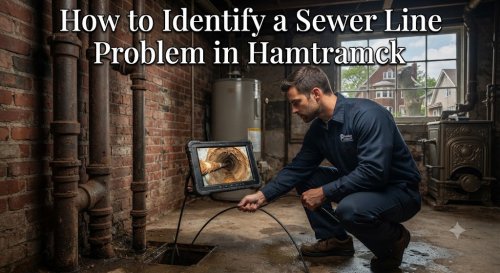
Using specialized waterproof high-definition sewer cameras threaded directly into the cleanout, the technician locates the exact position and nature of the obstruction—whether it's tree roots, a collapsed pipe, or a grease plug.
Step 3: Estimate
Before any heavy work begins, the plumber provides a clear, transparent cost estimate detailing the required labor, equipment, and repair strategies.
Step 4: Repair
Depending on the diagnosis, the plumber clears the blockage using mechanical augers or high-pressure hydro jetting. For damaged lines, they may perform trenchless pipe lining or localized excavation.
Step 5: Testing
Once the line is cleared, water is run through the system and the camera is re-inserted to verify that flow is completely restored and structural integrity is sound.
Step 6: Cleanup
Professional technicians sanitize the immediate work area, remove biohazardous waste if sewage was involved, and advise on professional water mitigation if flooding occurred.
Step 7: Maintenance Advice
The plumber offers personalized recommendations on how to prevent future backups, such as installing a backwater valve or scheduling annual rooter services.
Can You Fix It Yourself?
While minor surface clogs in a single sink can be handled with a plunger or a basic hand snake, a basement drain backup is almost always a professional-grade emergency.
Pouring harsh chemical drain cleaners down a basement floor drain is dangerous; if the chemical fails to clear the clog, you are left with standing water mixed with corrosive acid that can splash onto skin or ruin flooring. Safe DIY steps are limited to turning off your main water valve if you suspect an internal leak, avoiding the use of any household water to prevent further overflow, and mopping up clean water if it is safe to do so. Never attempt to clear a main sewer line obstruction yourself using rented heavy machinery, as improper handling can damage pipes or cause serious personal injury.
Tools Professionals Use
Modern plumbing relies heavily on advanced diagnostic and repair technology to solve complex problems efficiently without tearing up your entire yard or basement floor.
-
Sewer Inspection Cameras: Miniature pan-and-tilt cameras attached to flexible fiberglass rods provide real-time video feeds of pipe interiors.
-
Hydro Jetting Systems: High-pressure water streams (up to 4,000 PSI) scour pipe walls completely clean, slicing through roots, grease, and scale better than traditional snakes.
-
Electronic Pipe Locators: Transmitters attached to snake heads pinpoint the exact depth and surface location of underground pipe breaks, eliminating guesswork.
-
Trenchless Rehabilitation Equipment: Pipe bursting and cured-in-place pipe (CIPP) liners allow plumbers to build a brand-new pipe inside the old, damaged one with minimal digging.
How Long Does the Repair Usually Take?
The duration of a plumbing repair depends directly on the severity and accessibility of the issue.
-
Simple Main Line Snaking: 1 to 2 hours. Clearing a standard root intrusion or paper clog.
-
Hydro Jetting Services: 2 to 4 hours. Thorough cleaning of heavily scaled or grease-choked lines.
-
Major Repairs or Spot Excavation: 1 to 3 days. Digging up and replacing a collapsed section of yard or basement piping.
-
Emergency Interventions: Immediate response with containment completed within hours, followed by permanent repairs scheduled promptly.
Cost Factors
Plumbing repair costs vary depending on the severity of the problem, accessibility, materials required, emergency service, property type, and local labor rates.
-
Diagnostic Fees: Standard service call charges to inspect and diagnose the issue.
-
Labor and Time: Complex jobs requiring specialized machinery or multi-person crews increase labor costs.
-
Materials and Parts: PVC piping, heavy-duty fittings, cleanout installations, or backwater valves.
-
Accessibility: Pipes buried deep beneath concrete basement slabs cost more to access than lines located in unfinished crawlspaces or accessible yards.
Hidden Truths Homeowners Should Know
Plumbing maintenance involves realities that many property owners overlook until it is too late.
-
Small, unaddressed drainage hesitations always evolve into expensive emergency repairs.
-
Cheap chemical drain cleaners eat away at older metal pipes, accelerating pipe failure.
-
Homeowners insurance policies typically cover sudden storm damage but rarely cover sewer backups resulting from neglected maintenance or tree root intrusion unless a specific endorsement is added.
-
Hard water drastically shortens the lifespan of plumbing fixtures and water heaters.
-
Delaying repairs invites toxic black mold growth, which can spread through HVAC systems within 48 hours.
-
Annual preventative maintenance saves money by catching minor wear-and-tear before failure occurs.
15 Common Mistakes Homeowners Make
Avoiding common operational errors protects your plumbing system from premature failure.
-
Ignoring Slow Drains: Waiting until a drain completely stops before taking action.
-
Using Chemical Cleaners Constantly: Relying on harsh acids that degrade pipe joints.
-
Flushing "Wipes": Flushing wet wipes, baby wipes, or paper towels marketed as flushable down toilets.
-
Pouring Grease Down Kitchen Sinks: Letting liquid cooking fat solidify inside cold pipes.
-
Ignoring Water Pressure Spikes: Failing to check or replace failing pressure-reducing valves.
-
Hiring Unlicensed Handymen: Working with uninsured contractors who lack formal plumbing certification.
-
Skipping Routine Inspections: Neglecting camera inspections on older sewer lines.
-
Waiting Until Emergencies Strike: Calling for help only when water is actively flooding living areas.
-
Using Incompatible Pipe Materials: Mixing galvanized steel and copper without dielectric unions.
-
Over-Tightening Fittings: Cracking PVC or brass fixture connections during DIY installations.
-
Disposing of Paint or Construction Waste: Washing plaster or paint down utility sinks.
-
Planting Trees Near Sewer Lines: Placing large trees directly over lateral sewer paths.
-
Failing to Locate Main Shutoffs: Not knowing how to turn off the water supply during a burst pipe.
-
Overloading Garbage Disposals: Forcing fibrous vegetables, bones, and coffee grounds down disposals.
-
Neglecting Backwater Valves: Failing to install or test check valves designed to stop municipal backflows.
Maintenance Tips
Protect your home's plumbing infrastructure by adopting these practical, year-round maintenance habits:
-
Schedule annual professional sewer camera inspections, especially if your home is over 40 years old.
-
Install a backwater valve to prevent municipal water from reversing into your basement during major storms.
-
Never pour cooking oil, grease, or coffee grounds down any household drain.
-
Use hair catchers in all showers and tubs to reduce hair accumulation.
-
Run cold water while using your garbage disposal and for 15 seconds after turning it off.
-
Know the location of your main water shutoff valve and test it twice a year to ensure it moves freely.
-
Insulate exposed basement pipes before freezing winter temperatures arrive in Michigan.
-
Clean and flush your water heater tank annually to remove sediment buildup.
-
Avoid planting large trees or shrubs within ten feet of your underground sewer lateral lines.
-
Consider investing in an enzymatic drain cleaner monthly to break down organic buildup naturally.
-
Test your sump pump regularly by pouring a bucket of water into the pit to verify it discharges properly.
-
Check under all sinks periodically for signs of slow moisture accumulation or rust.
-
Educate all household members on what items are strictly non-flushable.
-
Address low water pressure issues immediately before they strain appliance valves.
-
Partner with a trusted local plumbing expert for routine preventative service plans.
When Should You Call an Emergency Plumber?
Certain situations demand immediate professional intervention at any hour of the day or night. Call an emergency plumber if you experience:
-
Raw sewage backing up uncontrollably into living spaces or multiple basement drains.
-
Completely frozen or burst water pipes threatening structural flooding.
-
Total loss of running water throughout the property.
-
Overflowing toilets that cannot be stopped using the fixture shutoff valve.
-
Major, active leaks spraying water near electrical panels or wiring.
-
Severe gas odors or suspected gas line leaks.
Acting quickly in these moments minimizes structural damage, protects your health, and prevents secondary mold growth.
Frequently Asked Questions
Why is my water pressure suddenly low?
Sudden pressure drops are usually caused by a partially closed main shutoff valve, a failing pressure-reducing valve (PRV), a major hidden leak, or mineral buildup aerator clogs at specific faucets.
How much does leak detection cost?
Leak detection costs vary based on the complexity of the property and the tools required (such as acoustic listening devices or thermal imaging), but investing in accurate detection saves money by avoiding destructive guesswork.
Can a clogged drain damage pipes?
Yes. Severe clogs increase internal pressure within the plumbing system, putting strain on pipe joints and seals, which can lead to leaks or pipe bursts over time.
Is hydro jetting safe for old pipes?
An experienced plumber will inspect your pipes with a camera first. If pipes are severely corroded or structurally compromised, hydro jetting may be deferred in favor of safer alternative repair methods.
How do I know if my sewer line is broken?
Frequent backups across multiple drains, persistent sewage odors, soggy patches in your yard, and lush, unusually green grass over the sewer line path are primary indicators of a broken pipe.
How long do water heaters last?
Traditional tank water heaters typically last between 8 to 12 years, while tankless models can last 15 to 20 years with proper annual flushing and maintenance.
Why does my faucet drip?
A dripping faucet is usually caused by a worn-out washer, O-ring, or valve seat inside the fixture mechanism due to daily friction and hard water mineral wear.
What causes pipes to burst?
Pipes most commonly burst when freezing winter temperatures cause trapped water inside the pipe to expand, exerting immense pressure until the metal or plastic wall cracks.
Can plumbing leaks increase my water bill?
Even a slow, silent toilet leak or minor pipe drip can waste thousands of gallons of water per month, leading to a surprisingly high municipal utility bill.
When should I replace plumbing instead of repairing it?
If your home features outdated galvanized or polybutylene pipes that experience frequent leaks, or if repair costs exceed fifty percent of a full system replacement, upgrading is the more cost-effective long-term choice.
Why Choose Plumber in Detroit
When plumbing emergencies strike your home or business, you need a partner you can trust. At Plumber in Detroit, we proudly serve homeowners throughout Detroit, Wayne County, and surrounding communities including Rosedale Park, Palmer Woods, and Sherwood Forest.
Our team provides:
-
Experienced Licensed Plumbers: Highly trained professionals equipped to handle complex residential and commercial plumbing challenges.
-
Honest Recommendations: Straightforward advice focused on what your home actually needs without high-pressure sales tactics.
-
Upfront Estimates: Clear, transparent pricing before any repair work begins so you never face hidden fees.
-
Fast Emergency Response: Prompt dispatching when plumbing disasters threaten your property.
-
Modern Equipment: Advanced diagnostic cameras and hydro jetting tools for precise, efficient repairs.
-
Local Expertise: Deep familiarity with Detroit's historic home plumbing systems and regional weather challenges.