How to Identify a Sewer Line Problem in Hamtramck
Spot sewer line problems in Hamtramck, Detroit homes. Learn warning signs, causes, professional repairs, and maintenance tips.


NEED A PLUMBER?
Fast & Local Plumbing Services
Leaks • Clogged Drains • Burst Pipes • Water Heaters • Emergency Plumbing
NEED A PLUMBER?
Fast & Local Plumbing Services
Leaks • Clogged Drains • Burst Pipes • Water Heaters • Emergency Plumbing
How to Identify a Sewer Line Problem in a Hamtramck Home: A Complete Guide
Completely surrounded by the city of Detroit, the vibrant, densely packed community of Hamtramck is known for its unique culture, historic brick homes, and tight-knit neighborhoods. Living here offers a wonderful slice of local history, but many properties were constructed nearly a century ago. While their unique architecture stands strong, the underground sewer lateral lines connecting these homes to the municipal main frequently suffer from decades of wear, shifting soils, and invasive tree roots.
If you notice a foul sewage odor lingering in your basement or multiple drains refusing to empty, you may be facing a failing sewer line. Identifying a sewer problem early can mean the difference between a simple clearing and a major excavation project. As an experienced local plumbing team serving Detroit, Wayne County, and surrounding enclaves like Hamtramck, we break down everything you need to know about spotting and solving sewer line troubles.
What Is a Sewer Line Problem?
A sewer line problem occurs when the main underground pipe carrying all wastewater from your home's toilets, sinks, showers, and laundry out to the municipal street main becomes cracked, collapsed, offset, or severely obstructed.
In older urban neighborhoods, these issues often manifest as slow drainage throughout the entire house, gurgling plumbing fixtures, or raw sewage backing up into the lowest level of the property. Homeowners usually search for this topic when routine plunging no longer fixes persistent household clogs.
Why Does This Plumbing Problem Happen in Hamtramck?
Several distinct environmental and structural factors drive sewer line failures in older communities:
-
Aging Pipe Materials: Many historic homes feature original clay tile, Orangeburg, or cast-iron sewer lines that have long exceeded their 50-to-75-year design lifespans.
-
Tree Root Infiltration: Mature trees lining Hamtramck streets send out thirsty roots that crack through pipe joints or micro-fissures to tap into moisture and nutrients inside the sewer line.
-
Ground Settlement and Freezing: Detroit’s harsh freeze-thaw cycles cause clay-heavy soils to shift dramatically, putting stress on rigid underground pipes until they crack or offset.
-
Grease and Scale Accumulation: Decades of poured cooking grease, soap scum, and mineral scale narrow pipe interiors, catching solid debris.
-
Improper Disposal: Flushing non-flushable items like wipes, paper towels, and hygiene products rapidly creates severe main line blockages.
Signs You Should Never Ignore
Your sewer line will give clear warning signs before it fails completely. Pay close attention to these red flags:
-
Multiple Slow Drains: If your kitchen sink, upstairs bathtub, and basement floor drain all empty sluggishly at the same time, the blockage is in the main sewer line.
-
Gurgling Plumbing Fixtures: If you hear bubbling sounds from a toilet or shower drain when the washing machine drains, air is trapped because wastewater cannot escape past a blockage.
-
Foul Sewage Odors: A persistent rotten-egg or sulfur smell around your basement or yard indicates that raw sewage is trapped nearby or escaping through pipe cracks.
-
Pooling Water in the Yard: Unexplained soggy patches or lush, bright green grass growing over your underground sewer path usually mean a broken pipe is leaking wastewater underground.
-
Toilets Backing Up: If flushing your upstairs toilet causes water or waste to bubble up in the basement floor drain, your main line is severely compromised.
Common Plumbing Problems Related to This Issue
Ignoring a failing sewer line triggers a cascade of secondary property emergencies:
-
Basement Flooding: Unsanitary wastewater surges back through floor drains, ruining flooring and drywall.
-
Foundation Erosion: Leaking sewer lines wash away sub-soil beneath concrete slabs, causing structural settling.
-
Severe Drain Clogs: Secondary branch lines back up because the main outlet is totally blocked.
-
Unpleasant Odors Indoors: Persistent sewer gases create unhealthy indoor air quality.
Step-by-Step Professional Repair Process
When a licensed Detroit plumber handles a sewer line repair or replacement, we execute a meticulous, structured workflow:
-
Step 1 Inspection: We evaluate your home's interior plumbing fixtures and locate outdoor cleanouts.
-
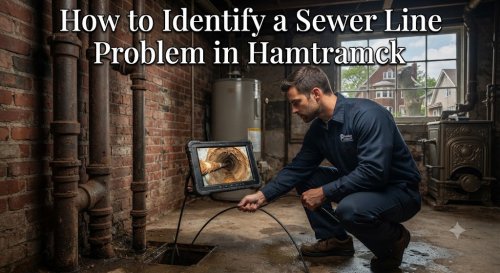
Step 2 Diagnosis: We insert a high-resolution, waterproof camera into the sewer line to visually identify the exact cause and location of the failure.
-
Step 3 Estimate: Based on camera findings, we provide a transparent, upfront cost estimate detailing trenchless options or traditional excavation.
-
Step 4 Repair: We clear roots and scale with hydro jetters or execute trenchless pipe lining and spot excavations as needed.
-
Step 5 Testing: We run water through the system and perform a follow-up camera check to verify uninterrupted flow.
-
Step 6 Cleanup: We sanitize the work area and ensure your property is left neat and tidy.
-
Step 7 Maintenance Advice: We provide practical tips to help protect your restored sewer line against future obstructions.
Can You Fix It Yourself?
-
Safe DIY Solutions: Homeowners can safely clear localized sink trap clogs with a hand plunger or clean surface drain strainers.
-
When DIY Becomes Dangerous: Never pour harsh chemical drain cleaners down your drains to fix a main sewer line clog. These caustic chemicals react violently with standing water, create toxic fumes, and severely corrode old metal pipes while posing extreme burn risks. Furthermore, renting heavy motorized augers without training can puncture fragile old pipes.
-
When Professional Plumbing is Necessary: If you experience multi-fixture slow drains, gurgling pipes, sewage odors, or yard pooling, professional licensed intervention is mandatory.
Tools Professionals Use
Licensed plumbers rely on specialized heavy-duty equipment to diagnose and resolve underground sewer failures accurately:
-
Sewer Inspection Cameras: Fiber-optic cameras on flexible push rods that display a live video feed of pipe interiors.
-
Electronic Pipe Locators: Receivers that detect radio transmitters on the camera head, allowing us to pinpoint surface location and depth.
-
High-Pressure Hydro Jetters: Advanced machines that blast water at high pressure to scour away grease, scale, and roots.
-
Trenchless Rehabilitation Equipment: Tools used to repair or replace underground pipes without destroying driveways or landscaping.
-
Heavy-Duty Motorized Augers: Cutting machines designed to slice through tough tree roots.
How Long Does the Repair Usually Take?
Repair timelines depend entirely on the nature and severity of the plumbing issue:
-
Clearing a Main Line Blockage: Typically takes 1 to 3 hours.
-
Hydro Jetting a Main Sewer Line: Usually takes 2 to 4 hours.
-
Trenchless Pipe Lining: Spans 1 to 2 days with minimal yard disturbance.
-
Traditional Excavation and Replacement: Takes 2 to 4 days depending on depth and municipal permits.
Cost Factors
Plumbing repair costs vary depending on the severity of the problem, accessibility, materials required, emergency service, property type, and local labor rates.
-
Diagnostic Fees: Service charges covering travel, troubleshooting, and camera inspections.
-
Accessibility: Depth of the pipe and obstructions like concrete driveways or porches affect labor time.
-
Extent of Damage: Spot repairs are less costly than full sewer line replacements.
-
Technology Used: Trenchless lining methods differ in cost from traditional digging.
-
Permit Requirements: Mandated by municipal authorities for major sewer work.
-
Emergency Service Rates: Premium pricing applies for middle-of-the-night callouts.
Hidden Truths Homeowners Should Know
Understanding practical realities of underground plumbing will save you from unexpected financial strain:
-
Small Slow Drains Become Major Backups: A sluggish drain is almost always the early whisper of a closing sewer line.
-
Cheap Temporary Fixes Often Fail: Store-bought chemicals only punch a small hole through clogs while roots quickly grow back.
-
Insurance May Not Cover Neglected Plumbing: Standard homeowner policies generally deny claims resulting from long-term deferred maintenance on old sewer pipes.
-
Tree Roots are Relentless: Roots will continuously return to breach cracked pipes unless the line is structurally lined or replaced.
-
DIY Mistakes Increase Repair Costs: Forcing equipment down fragile historic pipes can turn a minor clog into an emergency excavation.
-
Delaying Repairs Causes Structural Damage: Unchecked water and sewage leaks compromise your home's foundation.
-
Mold Develops Quickly: Moisture from minor backups fosters toxic mold colonies within 24 to 48 hours.
-
Annual Maintenance Saves Money: Proactive camera inspections prevent catastrophic emergencies.
15 Common Mistakes Homeowners Make
-
Ignoring Slow Drains: Assuming a sluggish basement floor drain is just an old house quirk.
-
Using Chemical Drain Cleaners: Pouring corrosive acid into aged pipes accelerates structural failure.
-
Flushing Wipes: Wipes do not break down and routinely catch on pipe scale, causing major blockages.
-
Pouring Grease Down Drains: Fats solidify inside cold pipes, acting like concrete.
-
Ignoring Gurgling Sounds: Dismissing bubbling toilets until a full sewage backup occurs.
-
Hiring Unlicensed Handymen: Working with unqualified contractors who violate local codes.
-
Skipping Routine Maintenance: Waiting for a total breakdown instead of scheduling annual checks.
-
Waiting Until Emergencies Strike: Dealing with sewage backups at midnight costs more and creates stress.
-
Using Wrong Pipe Materials: Mixing incompatible materials causes premature joint failure.
-
Planting Trees Near Sewer Lines: Placing large trees directly over underground lateral paths.
-
Forgetting Cleanout Locations: Losing track of where sewer access points are located.
-
Disregarding Municipal Codes: Skipping required local permits complicates future home sales.
-
Skipping Post-Repair Verification: Failing to run a camera check after cleaning leaves lingering risks.
-
Ignoring Yard Soft Spots: Overlooking unexplained wet depressions in the lawn.
-
Overlooking Sump Pump Ties: Improperly connecting sump lines to sanitary sewer systems.
Maintenance Tips to Prevent Sewer Line Failures
-
Schedule Annual Camera Inspections: Have a licensed Detroit plumber inspect your main sewer line every year.
-
Watch What You Flush: Follow the "3 Ps Only" rule: pee, poo, and paper. Never flush wipes or hygiene products.
-
Dispose of Grease Properly: Never pour cooking oil down kitchen sinks; let it cool and trash it.
-
Install a Backwater Valve: Protect your basement from municipal sewer surges during heavy rainstorms.
-
Plant Trees Wisely: Avoid planting large trees with aggressive root systems near your underground lateral.
-
Use Enzymatic Cleaners: Monthly treatments with bio-enzymatic drain cleaners help break down organic buildup safely.
-
Know Your Cleanout Location: Keep your main sewer cleanout accessible and unblocked by landscaping.
-
Clear Outdoor Drains: Keep yard catch basins and window wells free of leaves and debris.
-
Monitor Water Consumption: Check your water bills regularly for unexplained usage spikes.
-
Inspect Downspouts: Direct roof runoff away from your sewer trench path.
-
Avoid Garbage Disposal Overload: Limit heavy food waste disposal use on older sewer systems.
-
Test Sump Pumps Regularly: Ensure basement water management systems function properly.
-
Insulate Accessible Pipes: Protect exposed basement lines from winter freezing.
-
Address Minor Clogs Promptly: Clear localized slow drains before they travel down to the main line.
-
Hire Licensed Professionals: Always partner with certified experts for major plumbing interventions.
When Should You Call an Emergency Plumber in Hamtramck?
-
Total Basement Sewage Backup: Visible raw sewage rising through basement floor drains or lower toilets.
-
Complete Drainage Failure: When every drain in the house is completely clogged and water will not exit.
-
Toilets Bubbling Continuously: A definitive sign of a catastrophic main sewer line collapse.
-
Foul Gas Odors: Strong, persistent sewer smells permeating living spaces.
-
Flooding: Rapid accumulation of water in living spaces due to a main line blockage.
Frequently Asked Questions
-
Why is my water pressure suddenly low? Low water pressure is usually caused by a partially closed shut-off valve, a failing pressure regulator, or mineral scale buildup inside older supply pipes.
-
How much does leak detection cost? Leak detection pricing varies based on the technology required, property size, and whether the leak is visible or hidden beneath concrete slabs or behind walls.
-
Can a clogged drain damage pipes? Yes, persistent clogs create extreme hydrostatic and localized pressure that can crack joints, weaken pipe walls, or cause complete pipe bursts.
-
Is hydro jetting safe for old pipes? When performed by an experienced professional after a camera inspection verifies pipe integrity, hydro jetting is safe and highly effective at clearing scale and roots.
-
How do I know if my sewer line is broken? Common indicators include multi-fixture slow drains, gurgling toilets, sewage odors, wet spots in the yard, or raw sewage backing up into basement floor drains.
-
How long do water heaters last? Standard tank water heaters typically last between 8 to 12 years, depending on maintenance, water hardness, and anode rod replacement frequency.
-
Why does my faucet drip? Faucet leaks are usually caused by worn-out O-rings, degraded washers, damaged valve seats, or mineral buildup inside the cartridge.
-
What causes pipes to burst? Pipes typically burst due to water freezing and expanding inside uninsulated lines, excessive water pressure, or severe corrosion and structural weakening.
-
Can plumbing leaks increase my water bill? Yes, even a small hidden leak or running toilet can waste thousands of gallons of water each month, causing a sharp spike in utility bills.
-
When should I replace plumbing instead of repairing it? You should consider replacement when pipes suffer from widespread corrosion, frequent leaks, chronic root intrusions, or are made of obsolete materials.
Why Choose Our Plumbing Company
-
Experienced Licensed Plumbers: Our team brings specialized expertise resolving complex plumbing challenges in historic Detroit properties.
-
Honest Recommendations: We provide straightforward, transparent guidance focused purely on what your home genuinely needs.
-
Upfront Estimates: You receive clear pricing before any work begins with zero hidden surprises.
-
Fast Response: We offer prompt dispatch across Detroit, including Hamtramck and surrounding neighborhoods, to resolve your emergencies quickly.
-
Emergency Availability: Our professionals stand ready around the clock when urgent plumbing crises strike.
-
Quality Workmanship: We adhere to strict industry standards to ensure lasting, code-compliant repairs.
-
Modern Equipment: We utilize advanced diagnostic tools like fiber-optic sewer cameras and hydro jetters for maximum precision.
-
Customer Satisfaction: Our local reputation reflects our unwavering dedication to reliable, trustworthy service.
-
Local Expertise: We intimately understand the unique plumbing quirks, aging infrastructure, and architectural nuances of historic Detroit homes.