Introduction: Restoring Comfort to Your Palmer Park Home
The historic Palmer Park district is one of Detroit’s most cherished neighborhoods, known for its stately apartment buildings, diverse community, and, of course, the beautiful park itself. Residents here value the unique character of their homes, but living in a historic district also means contending with aging infrastructure. One of the most common and disruptive issues homeowners and landlords face is a malfunctioning water heater.
Imagine waking up on a freezing Detroit winter morning ready for a hot shower, only to be greeted by icy water. Or perhaps you run a local business near Woodward Avenue, and suddenly, you have no hot water to wash dishes or sanitize equipment. A broken water heater is an urgent problem that requires immediate professional attention.
At Plumber in Detroit, we understand the specific needs of the Palmer Park community. Our team of licensed, experienced plumbers is dedicated to providing fast, reliable, and long-lasting water heater repairs. We are conveniently located near Woodward Avenue, allowing us to respond quickly to emergencies and get your hot water flowing again with minimal disruption to your daily routine. Don't let a cold shower ruin your day; call the experts you can trust.
What Is Water Heater Repair?
Water heater repair encompasses the diagnosis and correction of issues affecting your residential or commercial water heating unit. Whether you rely on a traditional tank-style heater or a modern tankless system, these appliances are complex, involving electrical components, gas lines (for gas heaters), thermostats, heating elements, and pressurized water.
Professional repair service aims to restore the unit’s function safely and efficiently. It involves troubleshooting the root cause of the failure—such as a faulty thermocouple, a broken heating element, or a sediment-clogged tank—and replacing or repairing only the necessary parts. It is not a temporary fix; it is a comprehensive solution designed to extend the lifespan of your unit and ensure it operates according to current safety standards.
Why Does Water Heater Problems Happen?
Understanding why your water heater failed can help you prevent future issues. In Palmer Park and the greater Detroit area, several factors are common culprits:
1. Aging Components
The average lifespan of a traditional tank water heater is roughly 8 to 12 years. If your unit is nearing or has exceeded this age, components will naturally begin to fail. Thermostats lose calibration, heating elements burn out, and the tank itself may begin to corrode.
2. Sediment Buildup (Hard Water)
Detroit’s municipal water supply is moderately hard, meaning it contains dissolved minerals like calcium and magnesium. When heated, these minerals precipitate out of the water and settle at the bottom of the tank. Over time, this sediment insulates the water from the burner (in gas heaters) or covers the lower heating element (in electric heaters). This causes the unit to overheat the tank bottom to heat the water, leading to metal fatigue and eventual tank failure, or simply burning out the element. Sediment buildup is also the primary cause of rumbling or popping noises from your tank.
3. Corrosion and Rust
Water heaters are steel tanks lined with glass to prevent rust. However, this lining isn't perfect. A component called the "sacrificial anode rod" is designed to corrode instead of your tank, attracting corrosive elements in the water. Once the anode rod is fully consumed, the tank walls begin to rust rapidly, leading to leaks.
4. Electrical and Gas Failures
Electric water heaters rely on heating elements and thermostats that can fail due to age or power surges. Gas heaters depend on thermocouples (a safety device that senses the pilot light), gas control valves, and the pilot assembly itself. If these fail, the burner will not ignite.
Signs You Should Never Ignore
Your water heater will almost always provide warning signs before it stops working completely. Paying attention to these red flags can save you from an emergency "no hot water" situation.
-
Inconsistent Water Temperature: You find that your shower goes from hot to lukewarm quickly, or the water never gets as hot as it used to.
-
No Hot Water: The most obvious sign. The water is completely cold, regardless of how long the heater has been running.
-
Rusty or Discolored Water: If your hot water comes out looking brown, reddish, or yellow, it likely means the inside of your tank is rusting. This is a precursor to a leak.
-
Strange Noises: Rumbling, popping, or banging sounds coming from the tank indicate significant sediment buildup, which is stressing the unit.
-
Leaking Water: Any pooling water around the base of the tank is a serious issue. While sometimes it's a loose fitting, it often signifies a crack in the tank itself, requiring immediate replacement.
-
Foul Odors: If your hot water smells like rotten eggs, it often indicates bacterial growth inside the tank, usually related to a depleted or corroded anode rod.
Common Plumbing Problems Related to This Issue
A failing water heater can impact other parts of your plumbing system. Conversely, issues elsewhere can harm your water heater.
-
Leaking Pressure Relief Valve: If the T&P valve (a critical safety feature) is constantly leaking or discharging water, it means dangerous pressure or temperature is building up inside the tank. This needs immediate professional assessment.
-
High Water Pressure: Excessively high water pressure entering your home (common in some Detroit municipal lines) can damage your water heater’s internal components and shorten its lifespan significantly.
-
Corroded Connections: Leaks at the inlet/outlet connections can corrode the pipes leading to and from the heater, eventually causing a larger pipe failure.
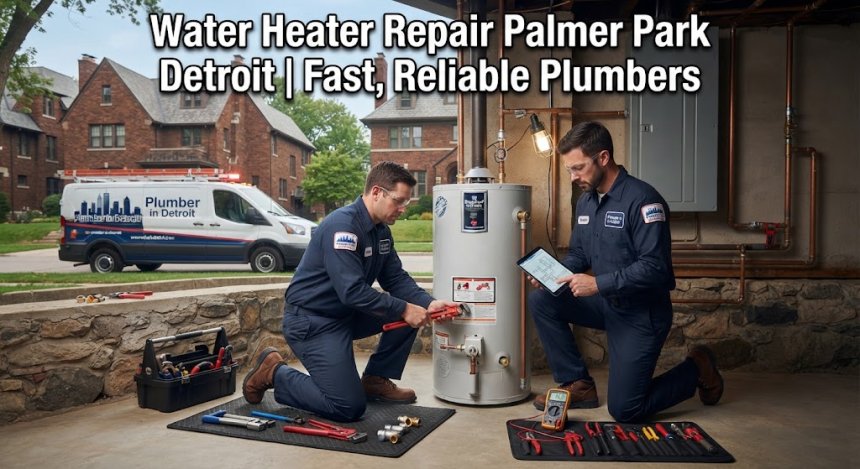
Step-by-Step Professional Repair Process
When you call Plumber in Detroit for water heater repair, our licensed technicians follow a precise procedure to ensure your safety and the restoration of your hot water.
-
Step 1 Inspection: Upon arrival, our plumber will conduct a thorough visual inspection of the unit, checking for leaks, corrosion, and obvious signs of component failure.
-
Step 2 Diagnosis: Using multimeters (for electric heaters) and pressure gauges, and testing gas lines (for gas heaters), we will pinpoint the exact cause of the malfunction.
-
Step 3 Estimate: We will explain the problem clearly, outline your repair options, and provide an honest, upfront price estimate. We believe in transparency before any work begins.
-
Step 4 Repair: With your approval, we will perform the necessary repairs, using high-quality, code-compliant replacement parts. This may involve replacing a thermostat, heating element, thermocouple, or gas valve.
-
Step 5 Testing: Once the repair is complete, we will fully test the unit to ensure it is heating correctly and safely, and that all safety controls are operational.
-
Step 6 Cleanup: We will clean up the work area, remove any old parts, and leave your utility area neat and tidy.
-
Step 7 Maintenance Advice: Before leaving, our technician will provide you with tips to help maintain your water heater and prevent future issues.
Can You Fix It Yourself?
Understanding the boundary between safe DIY maintenance and dangerous repairs is crucial.
Safe DIY Solutions
Homeowners can safely perform basic maintenance tasks. This includes manually testing the T&P relief valve once a year to ensure it’s not seized, and draining a few gallons of water from the bottom of the tank annually to reduce sediment buildup. Always exercise caution as the water will be extremely hot.
When DIY Becomes Dangerous
Plumber in Detroit strongly advises against attempting internal repairs on your water heater.
-
Gas Leaks and Explosions: Working with gas control valves, thermocouples, and gas lines is inherently dangerous. A minor mistake can lead to a gas leak, which poses a severe explosion and fire hazard for your historic Palmer Park apartment building or home.
-
Electrical Shock: Electric water heaters operate on 240-volt circuits. Troubleshooting these components near water is extremely hazardous and can result in fatal electric shock without proper training and tools.
-
Scalding: Attempting to drain a tank or replace a part without properly shutting off the water and power/gas can result in severe scalding from pressurized, boiling water.
-
Voided Warranties: Most manufacturer warranties require that repairs be performed by a licensed professional. Attempting the repair yourself often voids this protection, leaving you fully responsible if the unit fails again.
For these reasons, it is always best to rely on the expertise of a licensed plumber.
Tools Professionals Use
Professional plumbers utilize specialized diagnostic and repair tools to ensure the job is done safely and accurately.
-
Multimeters: Used to test electrical continuity, voltage, and resistance in heating elements and thermostats on electric water heaters.
-
Gas Sniffers (Combustible Gas Leak Detectors): Essential safety tools used to check gas connections for even the smallest leaks before and after repairs on gas units.
-
Manometers: Instruments used to measure and verify correct gas pressure, ensuring the burner operates at peak efficiency and safety.
-
Element Wrenches: Specialized sockets designed to remove and install recessed heating elements in electric tanks without damaging the tank.
-
Hand Tools and Pipe Wrenches: Standard plumbing tools necessary for dismantling and reassembling piping and connections safely.
How Long Does the Repair Usually Take?
The timeline for water heater repair depends entirely on the nature of the problem.
-
Simple Repairs: Issues like replacing a thermostat or a single heating element on an electric heater, or replacing a thermocouple on a gas heater, can often be completed in 1 to 2 hours once the plumber is on-site.
-
Moderate Repairs: If the repair involves draining a significant amount of sediment from the tank before the repair can be made, or if multiple parts need to be sourced and replaced, the timeline may extend to 2 to 4 hours.
-
Major Repairs: While we strive to repair rather than replace, sometimes the damage is extensive. However, because we stock most common parts on our service vehicles, we aim to complete most repairs on the same day you call.
-
Emergency Response: Our team is on call 24/7 for water heater emergencies in Palmer Park. We understand that a lack of hot water is a crisis, especially for businesses, and we prioritize these calls for the fastest possible response.
Cost Factors
Ethical plumbing companies do not provide fake fixed prices over the phone because every situation is unique. The cost of your water heater repair depends on several transparent factors:
-
Type of Water Heater: Repairs on complex tankless water heaters often differ in cost compared to traditional tank-style heaters due to the diagnostic time and specialized parts required.
-
The Specific Part: The cost of replacement parts varies significantly, from a relatively inexpensive thermocouple to a more costly gas control valve or electronic circuit board.
-
Labor Time: The complexity of the repair and the accessibility of the unit (e.g., is it in a tight crawlspace or an open basement?) influence the labor cost.
-
Emergency Service: After-hours or weekend emergency service calls typically carry a higher diagnostic fee compared to scheduled weekday appointments.
-
Age and Condition of the Unit: Sometimes, attempting to repair a very old, heavily corroded unit is not cost-effective. In such cases, we will provide an honest recommendation for replacement rather than performing a repair that is likely to fail again soon.
Plumbing repair costs vary depending on the severity of the problem, accessibility, materials required, emergency service, property type, and local labor rates.
Hidden Truths Homeowners Should Know
The plumbing industry has practical realities that every property owner should understand to protect their investment and avoid unnecessary expenses.
-
Sediment is the Silent Killer: Even if your water heater is only 5 years old, if you haven't flushed the tank, significant sediment buildup has likely occurred. This causes overheating, hidden damage to the glass lining, and eventual premature failure. An annual flush is essential maintenance.
-
Don't Wait for Total Failure: Replacing a water heater on your own terms—before it bursts—is infinitely better than dealing with 50 gallons of rusty water flooding your basement at 2 AM on a holiday weekend.
-
Installation Quality Matters Most: A top-of-the-line water heater will fail prematurely if it is installed incorrectly. Conversely, a standard unit installed perfectly by a licensed professional will often outlast its warranty.
-
Code Compliance is Not Optional: If you sell your home, a DIY or unpermitted water heater installation will be flagged during inspection, potentially derailing the sale until expensive retrofits are completed by a licensed professional.
-
Anode Rod Inspection is Crucial: The sacrificial anode rod protects the steel tank from rusting. In hard water areas like Detroit, this rod corrodes quickly. Having it inspected and replaced halfway through the water heater's life can double the tank's lifespan.
-
Repair vs. Replace Math: If the repair cost exceeds 50% of the cost of a new unit, and the heater is more than 75% of its expected lifespan, replacement is usually the smarter financial decision. We will always provide this honest assessment.
-
Cheap Parts Cost More: Buying a generic, thirty-dollar heating element online usually results in a recurring leak and a second repair bill a year later. Invest in quality parts installed by a professional.
15 Common Mistakes Homeowners Make
Avoid these frequent missteps to protect your water heater and save money:
-
Ignoring the First Sign of Rust: Hoping rusty water will clear up instead of calling a plumber immediately.
-
Choosing the Wrong Size: Installing a smaller tank to save money, only to run out of hot water daily.
-
Neglecting Annual Maintenance: Failing to flush the tank, leading to premature sediment buildup and failure.
-
Turning the Thermostat Too High: Setting the temperature above 120°F wastes energy, increases scalding risk, and accelerates tank scaling.
-
Attempting DIY Installation or Repair: Risking gas leaks, CO poisoning, and voiding warranties to save on labor costs.
-
Ignoring a Leaking T&P Valve: Assuming a slow drip is normal instead of a sign of dangerous pressure or valve failure.
-
Skipping the Expansion Tank: Failing to install this required safety device (on many closed systems), putting constant pressure stress on the tank.
-
Using Old Venting for a New Heater: Reusing old, potentially corroded venting that doesn't match the new unit's specifications.
-
Placing the Unit in an Unsafe Location: Installing a gas water heater where flammable vapors are present (like near a garage workshop).
-
Failing to Insulate Pipes: Not insulating hot water pipes leading from the heater, leading to heat loss and longer waits for hot water at the tap.
-
Installing an Obsolete Model: Buying an older, less efficient model that is being phased out by new energy standards.
-
Relying on Store-Bought Patches: Trying to fix a leaking tank with epoxy or sealants; the pressure will always blow them out.
-
Not Knowing Where the Shut-Off Is: Fumbling to find the gas or water shut-off during an emergency.
-
Forgetting to Check the Anode Rod: Letting the tank corrode from the inside out by never inspecting or replacing the anode rod.
-
Ignoring Strange Noises: Treating popping sounds as a quirk of an old house rather than a cry for help from your water heater.
Maintenance Tips
Proactive care is the best way to extend the life of your water heater and avoid costly breakdowns, especially in hard water areas like Detroit.
-
Annual Flushing: Schedule an annual professional flush to remove sediment buildup, particularly important in older homes with older plumbing.
-
Test the T&P Valve: Manually lift the lever on the temperature and pressure relief valve once a year to ensure it snaps shut and hasn't seized.
-
Inspect the Anode Rod: Have a plumber check the condition of the sacrificial anode rod every 3-5 years and replace it if it's heavily corroded.
-
Lower the Temperature: Set your water heater thermostat to 120°F for optimal safety and energy efficiency.
-
Keep the Area Clear: Maintain at least two feet of clearance around the water heater for safety and airflow (especially for gas units).
-
Know Your Shut-Offs: Ensure you and your family know the location of the main water shut-off valve for the home and the gas shut-off for the heater.
-
Install a Water Softener: Consider installing a whole-home water softener to reduce mineral buildup (scaling) in your pipes and appliances.
-
Check for Leaks Regularly: Periodically inspect the area around your water heater for any signs of moisture or drips.
-
Consider a Tankless Flush: If you have a tankless water heater, it requires a specific descaling flush procedure annually to maintain efficiency.
-
Call Plumber in Detroit Early: If you notice any of the warning signs mentioned earlier, don’t hesitate to call us. Early repair is always cheaper and easier than a full replacement.
When Should You Call an Emergency Plumber?
Certain plumbing situations cannot wait for a scheduled appointment. You should call an emergency plumber immediately if you experience:
-
Total Water Heater Failure: You have absolutely no hot water, and you rely on it for daily life or business operations (e.g., restaurants).
-
Active Flooding: Water is gushing or pooling significantly around the base of the tank, indicating a major leak or burst tank.
-
Suspected Gas Leak: If you smell a "rotten egg" odor near a gas water heater, evacuate the immediate area and call for emergency service and utility shut-off.
-
Steam or Extremely High Pressure: If your hot water is coming out as steam, or the T&P valve is discharging excessively, the unit is dangerously overheating or over-pressurizing.
Our emergency response team in Palmer Park is available 24/7 to address these critical situations promptly,