Why Pipes Freeze Detroit | Winter Plumbing Guide & Repair
Discover what causes frozen pipes in Detroit homes during winter. Learn warning signs, DIY thawing safety, burst pipe risks, and when to call a pro.

NEED A PLUMBER?
Fast & Local Plumbing Services
Leaks • Clogged Drains • Burst Pipes • Water Heaters • Emergency Plumbing
NEED A PLUMBER?
Fast & Local Plumbing Services
Leaks • Clogged Drains • Burst Pipes • Water Heaters • Emergency Plumbing
What Causes Frozen Pipes in Detroit Homes During Winter?
Introduction
Few natural elements threaten a home quite like a deep Midwest freeze. When sub-zero temperatures hit Southeast Michigan, homeowners across Detroit face a race against time to protect their plumbing systems. A frozen pipe is one of the most stressful plumbing emergencies a property owner can experience, threatening everything from historic homes in Boston-Edison and Corktown to modern residential builds throughout Wayne County.
Homeowners frequently search for what causes frozen pipes in Detroit homes because winter weather tests every weak point in a building's thermal envelope. Understanding why water freezes inside pipes, recognizing the hidden danger zones, and knowing how to respond safely can save you thousands of dollars in water damage and emergency repair costs.
What Are Frozen Pipes?
Frozen pipes occur when water standing or moving slowly inside a plumbing line drops to freezing temperatures, solidifies into ice, and expands. As the ice expands inside a restricted metal or plastic pipe, it builds immense hydraulic pressure between the ice blockage and closed faucets, frequently causing the pipe to crack or rupture entirely.
Common Situations
-
Exterior Wall Plumbing: Water supply lines routed through outside-facing walls lacking proper interior insulation.
-
Unheated Spaces: Pipes running through unheated crawlspaces, uninsulated attics, or drafty basement rims.
-
Exterior Hose Bibs: Outdoor spigots left connected to garden hoses during the first hard autumn freeze.
Symptoms & Triggers
The primary trigger is a sudden, sharp drop in outdoor temperatures—often dipping below 20°F (-6°C) for consecutive days. Common symptoms include a sudden drop in water flow from a specific faucet, frost visible on exposed pipe surfaces, or strange clanking noises when turning on taps.
Why Does This Plumbing Problem Happen?
Frozen pipes are rarely a random occurrence; they are the result of specific environmental conditions, building design flaws, and maintenance oversights. The primary causes include:
-
Severe Seasonal Weather: Detroit winters bring biting polar winds and prolonged sub-freezing temperatures that chill exterior walls and unconditioned utility spaces.
-
Inadequate Insulation: Pipes located in exterior walls, crawlspaces, or basements that lack sufficient fiberglass or foam insulation lose heat rapidly.
-
Drafts and Air Leaks: Gaps around dryer vents, foundation cracks, or loose basement windows allow cold outdoor air to stream directly onto vulnerable water pipes.
-
Poor Plumbing Layout: Pipes installed too close to the outer shell of the house rather than the interior warm side of the framing.
-
Unheated Home Areas: Turning down thermostats significantly while away on vacation, allowing indoor ambient temperatures to drop to unsafe levels.
Practical Example: In a home with older construction in Rosedale Park, a kitchen sink supply line running through an exterior wall with compressed insulation will freeze solid within hours during a severe January cold snap.
Signs You Should Never Ignore
Catching a frozen pipe before it bursts can prevent catastrophic indoor flooding. Watch for these critical warning signs:
-
Sudden Loss of Water Pressure: Turning on a faucet and getting only a trickle, or no water at all, while other taps work fine.
-
Frost on Exposed Pipes: Visible white frost or ice crystals coating metal or PEX supply lines in the basement or utility room.
-
Unpleasant Odors: Strange smells drifting up from drains because frozen drain traps have dried out or cracked.
-
Bulging or Deformed Pipes: Visible warping, cracking, or frost bulges along copper or galvanized steel lines.
-
Water Stains or Dripping Sounds: Once a frozen section begins to thaw unevenly, micro-cracks open up, leaking water behind drywall or ceilings.
Why each sign matters: Frost on a pipe means the internal water is seconds away from a complete solid blockage, while a sudden drop in pressure indicates a plug has already formed.
Common Plumbing Problems Related to This Issue
When pipes freeze, they rarely exist in isolation from other household plumbing failures:
-
Burst Pipes: The direct and most destructive result of ice expansion inside a sealed pipe.
-
Severe Water Leaks: Once temperatures rise or thawing begins, splits in the pipe release pressurized water into structural framing.
-
Water Heater Failures: Inlets or outlets freezing can cause thermal stress or dry-firing risks to water heater tanks.
-
Fixture Damage: Faucet cartridges and shut-off valves cracking under internal ice pressure.
-
Mold Growth: Hidden water leaks from thawed pipe splits quickly produce mold behind walls within 24 to 48 hours.
Step-by-Step Professional Repair Process
When a frozen pipe cracks or bursts and you call a licensed plumbing team in Detroit, they follow a systematic recovery protocol:
-
Step 1: Inspection & Safety: The plumber safely shuts off the main water supply to stop active flooding and inspects electrical hazards near the wet zones.
-
Step 2: Diagnosis: Using thermal imaging and moisture meters, the plumber locates all frozen sections and hidden pipe splits throughout the property.
-
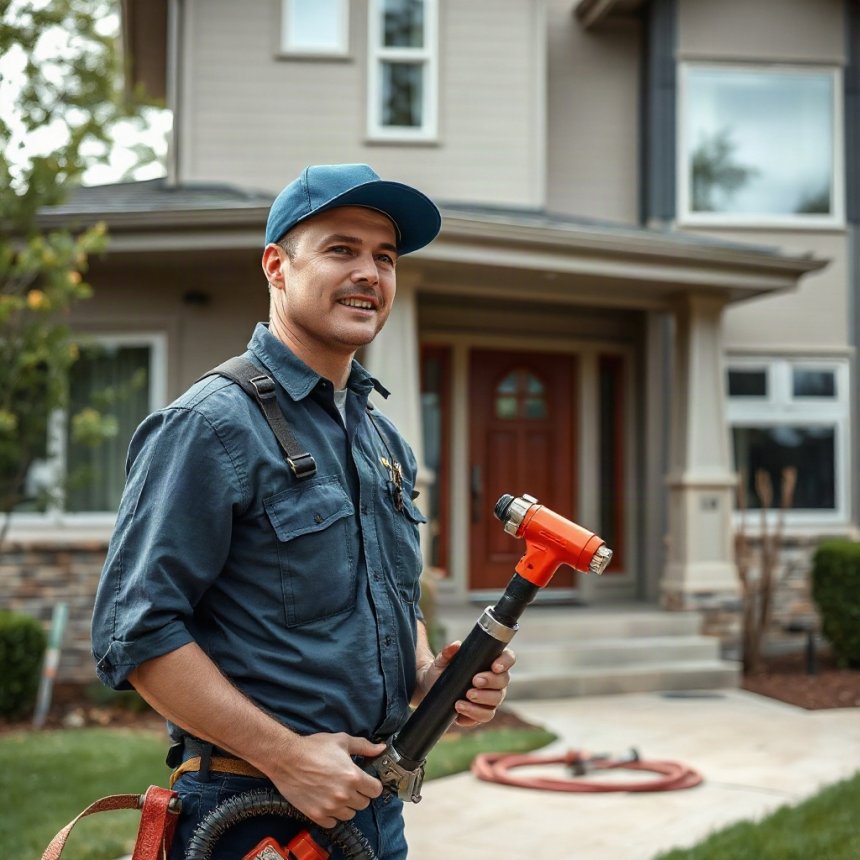
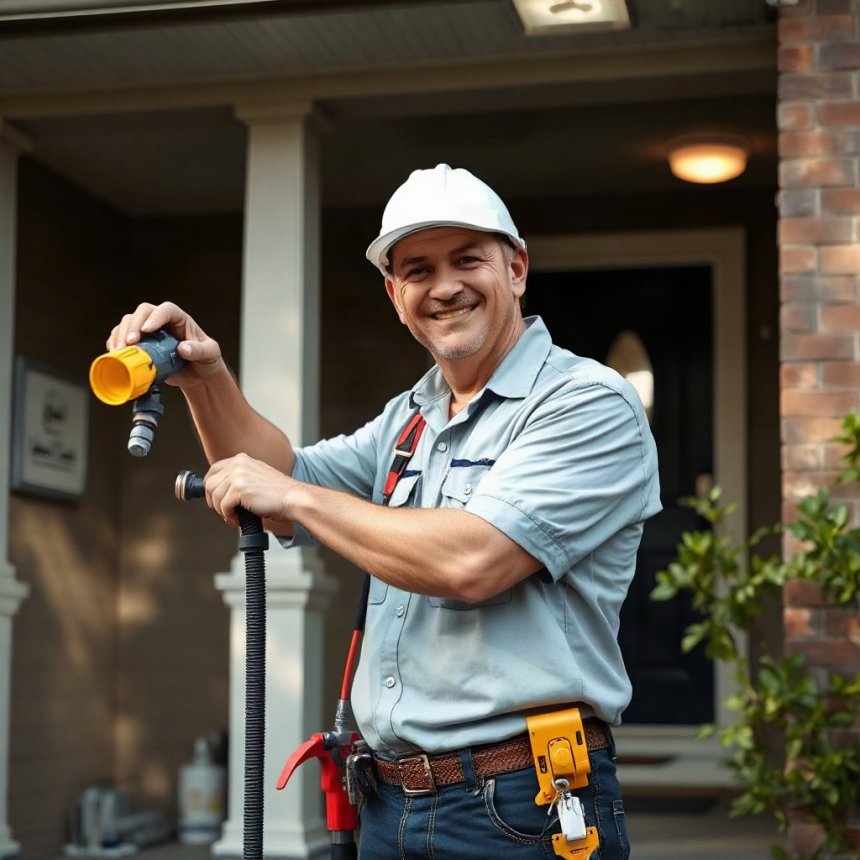
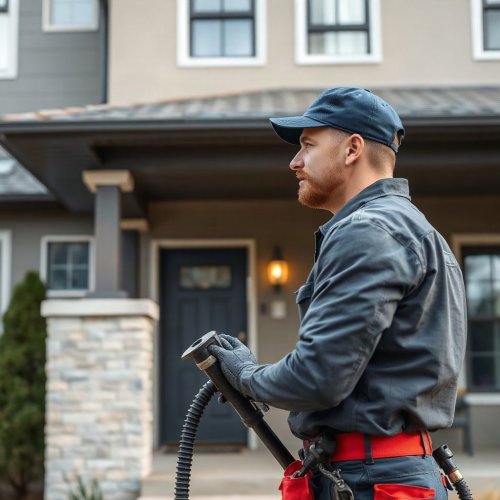
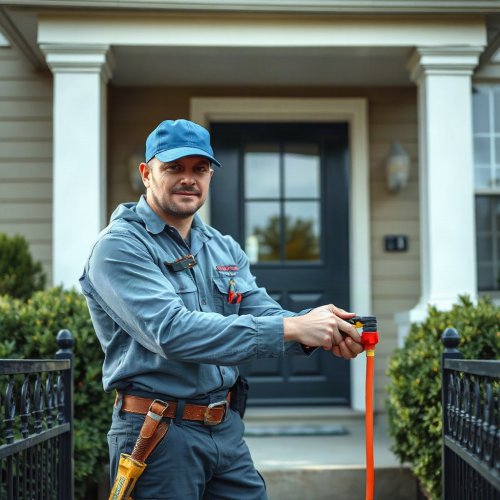
Step 3: Safe Thawing: If pipes are frozen but not yet burst, the plumber uses specialized industrial heating equipment (such as pipe-thawing machines or safe heat blankets) to thaw the line gradually from the faucet side back toward the water source.
-
Step 4: Repair or Replacement: For burst pipes, the damaged section is cut out and replaced using durable, code-compliant materials like PEX or copper.
-
Step 5: System Testing: The plumber repressurizes the plumbing system slowly, checking every joint and fixture to ensure complete integrity.
-
Step 6: Cleanup: The crew cleans up any extracted water, debris, or cut materials, leaving the work area orderly.
-
Step 7: Insulation & Prevention Advice: The plumber provides expert recommendations on insulating vulnerable runs to prevent future freezes.
Can You Fix It Yourself?
Homeowners can take safe action during minor freezing events, but caution is paramount.
-
Safe DIY Solutions:
-
Opening Faucets: Open the cold and hot taps connected to the frozen line to relieve internal pressure as ice melts.
-
Applying Gentle Heat: Use a hair dryer, portable space heater, or warm towels wrapped around an exposed, accessible frozen pipe. Never use an open flame (like a blowtorch).
-
Increasing Indoor Heat: Turn up your thermostat and open cabinet doors under sinks to let warm indoor air reach plumbing lines against exterior walls.
-
-
When DIY Becomes Dangerous:
-
Using Open Flames: Attempting to thaw pipes with propane torches or heat guns can easily ignite framing materials and cause a house fire.
-
Rushing the Thaw: Applying intense, localized heat too quickly to a frozen pipe creates violent steam pressure spikes, causing the pipe to burst explosively.
-
-
When Professional Plumbing is Necessary:
-
Frozen pipes located inside closed walls, ceilings, or beneath concrete slabs.
-
Pipes that have already cracked or burst.
-
Total loss of water supply throughout the entire home.
-
Tools Professionals Use
Licensed plumbers utilize professional-grade equipment to handle winter freeze emergencies safely:
-
Pipe Thawing Machines: High-amperage electrical resistance units that safely thaw frozen metal pipes from the outside in.
-
Thermal Imaging Cameras: Infrared cameras that reveal temperature differentials behind walls, spotting frozen pipe runs instantly without tearing down drywall.
-
Moisture Meters: Diagnostic tools used to identify hidden water saturation after a pipe thaws and leaks.
-
Pipe Inspection Cameras: Waterproof scopes used to check internal line damage or blockage.
-
Pressure Testing Gauges: Precision tools to verify that the plumbing system holds pressure without micro-leaks after a freeze event.
How Long Does the Repair Usually Take?
Repair timelines depend entirely on the severity of the freeze and damage:
-
Thawing an Accessible Frozen Pipe: 30 minutes to 2 hours.
-
Locating and Repairing a Single Burst Pipe: 2 to 4 hours.
-
Major Repiping of Multiple Frozen Lines: 1 to 2 days.
Factors affecting repair time: Accessibility inside finished walls or crawlspaces and the extent of water damage remediation required.
Cost Factors
Providing a fixed price for frozen or burst pipe repair is impossible because every incident is unique. Costs depend on:
-
Diagnostic Fees: Standard service call rates to locate frozen or burst sections.
-
Accessibility: Whether the pipe is exposed in an open basement or buried deep inside a finished exterior wall or ceiling.
-
Severity of Damage: Simple thawing is significantly less expensive than cutting out and replacing burst pipe segments.
-
Emergency Service Rates: After-hours, weekend, or holiday dispatch during major regional freeze waves.
-
Material Costs: Copper, PEX fittings, and insulation materials required for reconstruction.
Plumbing repair costs vary depending on the severity of the problem, accessibility, materials required, emergency service, property type, and local labor rates.
Hidden Truths Homeowners Should Know
-
Small Frieze Fractures Grow: A micro-crack in a pipe caused by ice expansion will often hold temporarily under frost, only to burst open completely when temperatures rise and water pressure resumes.
-
Insurance Limitations: Homeowner insurance policies may deny coverage if a freeze occurs while a home was left unheated and unmonitored during winter.
-
Basement Rim Joists Are Danger Zones: Uninsulated rim joists where floor joists meet the foundation are prime thermal weak points for freezing pipes.
-
Insulation Alone Isn't Always Enough: Insulation slows heat loss, but if zero heat source reaches a pipe during a prolonged Detroit polar vortex, it will eventually freeze.
-
Preventative Maintenance Saves Thousands: Spending an afternoon insulating pipes in autumn is infinitely cheaper than an emergency plumbing overhaul in January.
15 Common Mistakes Homeowners Make
-
Leaving Garden Hoses Attached: Forgetting to disconnect outdoor hoses traps water in the spigot, freezing back into the interior wall pipe.
-
Setting Thermostats Too Low While Away: Dropping indoor temperatures below 55°F (13°C) while traveling.
-
Ignoring Drafts Under Sinks: Keeping cabinet doors closed during extreme cold, blocking warm room air from reaching plumbing.
-
Using Open Flames to Thaw Pipes: Risking catastrophic house fires with blowtorches.
-
Failing to Locate the Main Shut-Off: Wasting critical minutes searching for the valve while water gushes from a burst pipe.
-
Neglecting Unheated Crawlspaces: Leaving crawlspace vents open during winter months.
-
Skipping Pipe Insulation: Leaving vulnerable basement and garage runs bare.
-
Turning Off Heat Entirely in Vacant Homes: Relying on ambient warmth that disappears during cold snaps.
-
Using Cheap Temporary Patches: Applying duct tape to a high-pressure burst pipe.
-
Delaying Thawing Efforts: Waiting until morning to address a pipe that started freezing overnight.
-
Over-Tightening Shut-Off Valves: Forcing frozen valves and cracking brass housings.
-
Forgetting Exterior Faucet Shut-Offs: Not closing interior shut-off valves for outdoor hydrants.
-
Ignoring Slow Trickle Advice: Not allowing faucets to drip slightly during severe sub-zero nights.
-
Hiring Unlicensed Handymen: Risking improper repairs that fail under pressure.
-
Failing to Check Insurance Coverage: Discovering too late that freeze damage exclusions apply.
Maintenance Tips
Protect your home from frozen pipes with these essential seasonal maintenance tips:
-
Disconnect Outdoor Hoses: Remove and drain all garden hoses before the first freeze in autumn.
-
Shut Off Exterior Water: Close interior isolation valves for outdoor faucets and drain the exterior lines.
-
Insulate Exposed Pipes: Wrap basement, crawlspace, and garage water lines with foam pipe insulation sleeves.
-
Seal Air Leaks: Caulk around pipe penetrations, rim joists, and drafty basement windows.
-
Open Sink Cabinets: Leave kitchen and bathroom cabinet doors open during severe cold snaps to circulate warm air.
-
Let Faucets Trickle: Allow a tiny drip of cold water to run through vulnerable taps during extreme sub-zero nights to keep water moving.
-
Maintain Consistent Heat: Keep your thermostat set to at least 55°F (13°C), even when you are away from home.
-
Insulate Exterior Walls: Ensure insulation in exterior walls is properly installed behind plumbing runs.
-
Heat Unconditioned Spaces: Use a safe, thermostatically controlled space heater in vulnerable utility rooms or crawlspaces.
-
Know Your Main Shut-Off: Clearly tag your main water shut-off valve so all family members can find it instantly.
-
Check Vacation Settings: Ask a neighbor to check your home daily if you travel during winter.
-
Clear Snow Build-Up: Keep foundation vents clear of heavy snow drifts that can trap cold air against walls.
-
Upgrade Older Piping: Replace brittle or poorly routed piping during home renovations.
-
Schedule Annual Plumbing Inspections: Have a professional review your home's winter readiness before cold weather arrives.
-
Install Smart Leak Detectors: Use automated water sensors to alert your phone to unexpected leaks or pressure drops.
When Should You Call an Emergency Plumber?
Call a professional plumber immediately if you encounter any of the following winter emergencies:
-
Burst Water Pipes: Uncontrolled water spraying or flooding inside walls, ceilings, or living spaces.
-
Complete Loss of Water Supply: All taps are dry during a freeze, indicating a main supply line blockage.
-
Severe Ceiling or Wall Bulges: Water pooling inside drywall or ceilings threatening structural collapse.
-
Frozen Main Inlets: Freezing right at the main water meter or entry point into the home.
Why immediate action is important: Prompt professional response halts structural water saturation, prevents electrical hazards, and minimizes costly property restoration.
Frequently Asked Questions
Why is my water pressure suddenly low during winter?
Sudden low pressure in winter usually indicates that ice crystals are forming inside a supply pipe, restricting water flow before a complete freeze.
How much does leak detection cost?
Leak detection costs vary based on property size and equipment required, serving as a diagnostic fee prior to executing pipe repairs.
Can a frozen pipe thaw on its own without bursting?
Sometimes, if the freeze is minor and temperatures rise, a pipe will thaw safely, but micro-fractures may still cause hidden leaks later.
What should I do immediately if my pipe bursts?
Shut off your main water supply valve immediately, turn on connected faucets to drain remaining pressure, and call an emergency plumber.
How do I keep outdoor spigots from freezing?
Disconnect hoses, close the indoor isolation valve (if equipped), and drain the remaining water from the outdoor spigot.
How long do water heaters last?
Traditional tank water heaters typically last 8 to 12 years with proper annual flushing and maintenance.
Why does my faucet drip in winter?
Temperature fluctuations cause metal and rubber components inside faucet valves to contract, leading to loose seals and drips.
What causes pipes to burst in cold weather?
Water expands by about 9% when turning into ice; the immense hydraulic pressure trapped between ice blocks splits the pipe walls.
Can plumbing leaks increase my water bill during winter?
Yes, even a minor split in a hidden pipe can waste hundreds of gallons daily, causing a sharp spike in utility costs.
When should I replace plumbing instead of repairing it?
If your home features widespread corrosion, outdated galvanized pipes, or multiple freeze breaks, whole-home repiping is more reliable than patching.
Why Choose Our Plumbing Company
When winter weather causes frozen or burst pipe emergencies in Detroit, MI, you need a responsive local partner you can trust. Here is why homeowners and businesses choose Plumber in Detroit:
-
Experienced Licensed Plumbers: Our team consists of licensed, insured professionals trained to handle Detroit's harsh winter plumbing challenges.
-
Honest Recommendations: We provide clear, transparent diagnostics and upfront estimates before starting any repair work.
-
Fast Response Times: We prioritize emergency calls during severe weather events to protect your home from extensive water damage.
-
Emergency Availability: Freezes don't follow business hours; we are available 24/7 for urgent winter plumbing support.
-
Modern Equipment: We utilize state-of-the-art thawing and thermal imaging tools to resolve issues safely and efficiently.
-
Local Expertise: We understand Wayne County weather patterns, historic home layouts, and neighborhood infrastructure across Detroit.
Contact Plumber in Detroit today at