Navigating Aging Plumbing Systems in Historic Detroit Homes
Discover what to expect from aging plumbing systems in historic Detroit homes, from galvanized pipes to outdated materials, and learn how to manage them.


NEED A PLUMBER?
Fast & Local Plumbing Services
Leaks • Clogged Drains • Burst Pipes • Water Heaters • Emergency Plumbing
NEED A PLUMBER?
Fast & Local Plumbing Services
Leaks • Clogged Drains • Burst Pipes • Water Heaters • Emergency Plumbing
Understanding Aging Plumbing Systems in Detroit Architecture
Detroit is home to some of the most striking historic architecture in the Midwest, from the grand Fords and Craftsmans of Boston-Edison and Palmer Woods to the classic brick colonials of Grandmont-Rosedale and early 20th-century foursquares in Woodbridge. However, these architectural gems often come with a hidden challenge: aging plumbing systems. When a home has stood for nearly a century, its interior infrastructure has endured decades of water pressure, mineral buildup, seasonal temperature swings, and shifting soils.
As a plumber working across the Detroit area, I frequently encounter original or partially updated piping networks that are simply reaching the end of their functional lifespans. Recognizing the materials used in these older systems and understanding how they degrade is essential for property owners who want to prevent sudden failures and water damage.
Common Pipe Materials Found in Older Detroit Homes
Older properties in Detroit often feature materials that are no longer used in modern new construction. Knowing what is behind your walls or beneath your basement floor helps in planning maintenance and anticipating repairs.
- Galvanized Steel: Widely used for water supply lines from the mid-20th century and earlier. Over decades, mineral deposits and internal rust accumulate, constricting water flow and eventually causing pinhole leaks or complete wall collapses from the inside out.
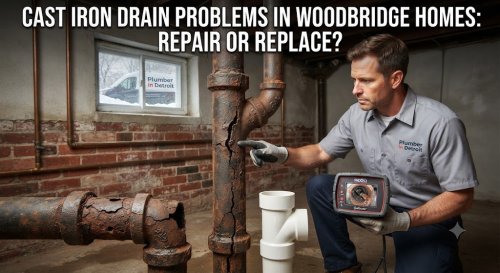
- Cast Iron: Frequently used for main drain and stack lines in homes built through the mid-1900s. While durable, cast iron is susceptible to interior scaling, root intrusion in underground lateral lines, and eventual cracking or structural failure due to soil movement.
- Lead Service Lines: Found in some of the oldest properties connecting municipal mains to indoor plumbing. These require careful identification and often coordinated replacement plans to ensure water safety.
- Early Copper: Thicker-walled copper introduced later in the 20th century is generally reliable, but threaded joints and older solder points can weaken over decades of thermal expansion and contraction.
Key Warning Signs of a Failing System
Aging plumbing rarely fails overnight without giving prior warnings. Paying attention to subtle clues can save a Detroit homeowner from an expensive emergency:
- Discolored Water: Brown, yellow, or reddish water when you first turn on the tap often indicates internal rust and corrosion inside galvanized supply pipes.
- Low Water Pressure: If multiple fixtures experience reduced flow, it is frequently caused by mineral scale buildup choking the interior diameter of aging supply lines.
- Frequent Slow Drains: Chronic clogs or bubbling sounds in fixtures when other plumbing is used often point to deteriorating or sagging cast iron drain lines.
- Musty Odors or Dampness: Unexplained moisture around basement foundation walls where main sewer and water lines enter can signal slow weeping from aging joints or pipe walls.
Proactive Management for Historic Properties
Owning a historic home in neighborhoods like Indian Village or Corktown means balancing preservation with modern safety and reliability. Completely gutting a historic plumbing system is rarely necessary or desirable, but strategic updates make a major difference.
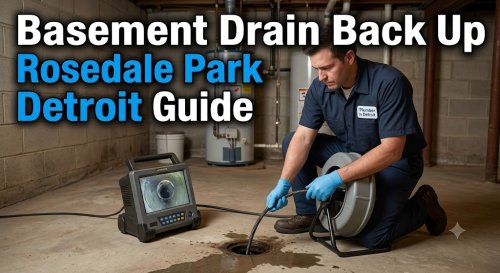
Targeted repiping of high-risk sections—such as replacing horizontal runs of galvanized steel with modern PEX or copper—vastly improves water pressure and quality. Similarly, video camera inspections of underground sewer lines help property owners assess the exact condition of aging cast iron without tearing up historic landscape features or basement concrete prematurely.
Conclusion
Aging plumbing systems are a reality for many property owners in Detroit, but they do not have to mean endless emergencies. By understanding the unique materials in older homes, recognizing early signs of degradation, and working proactively to update vulnerable sections, residents can preserve the character of their historic properties while enjoying dependable, modern water delivery and drainage.