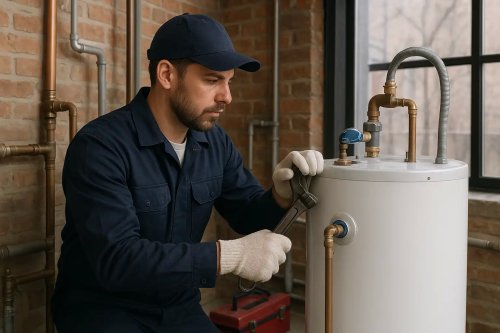
Troubleshooting Low Water Pressure in Detroit Older Homes: Causes and Fixes
Discover why older Detroit homes experience low water pressure. Learn common causes, from mineral buildup to galvanized pipes, and how a Detroit plumber can help.


NEED A PLUMBER?
Fast & Local Plumbing Services
Leaks • Clogged Drains • Burst Pipes • Water Heaters • Emergency Plumbing
NEED A PLUMBER?
Fast & Local Plumbing Services
Leaks • Clogged Drains • Burst Pipes • Water Heaters • Emergency Plumbing
Understanding Low Water Pressure in Detroit's Historic Housing Stock
Detroit is renowned for its architectural heritage, featuring magnificent historic homes built in the early-to-mid 20th century across neighborhoods like Boston-Edison, Indian Village, and Corktown. While these properties offer timeless character, they often come with aging plumbing infrastructure. One of the most frequent complaints homeowners bring to a Detroit plumber is a frustrating drop in water pressure.
When you turn on the shower and get a weak trickle, or notice your washing machine takes twice as long to fill, it is more than just an inconvenience. In older properties, low water pressure is often a symptom of underlying physical deterioration within the supply lines. Understanding why this happens requires looking at how these vintage systems were originally built and how decades of use affect them.
Common Causes of Low Water Pressure in Older Detroit Homes
Pinpointing the exact cause of reduced pressure is the first step toward restoring proper flow throughout your house. Because older Detroit residences have seen numerous plumbing updates, patches, and decades of municipal water flow changes, several distinct factors are usually at play.
1. Galvanized Steel Pipe Corrosion and Scale Buildup
Many homes built before the 1960s were originally plumbed with galvanized steel supply pipes. Over decades of service, the zinc coating inside these pipes wears away, exposing the raw steel to water. This triggers internal rusting and corrosion. As iron oxide flakes off and mineral deposits accumulate, the interior diameter of the pipe shrinks dramatically. Eventually, this severe restriction chokes off water volume and pressure before it ever reaches your faucets.
2. Mineral Scale in Fixtures and Aerators
The municipal water supplied to Detroit by the Great Lakes Water Authority is generally high quality, but hard water minerals are still present. Over the years, calcium and magnesium deposits build up inside faucet aerators, showerheads, and mixing valves. If you notice low pressure at only one or two sinks while the rest of the house flows normally, a clogged aerator is usually the culprit.
3. Aging Shut-Off Valves and Pressure Regulators
Many older homes feature antiquated gate valves or main shut-off valves that fail internally over time. If a gate valve's internal wedge slips or degrades, it can partially obstruct water flow even when the handle is turned completely open. Additionally, if your property is equipped with a pressure-reducing valve (PRV) near the main water line entry point, a failing PRV spring can cause erratic pressure drops.
4. Municipal Supply Fluctuations
Sometimes the issue originates outside your property lines. Detroit's extensive municipal water infrastructure undergoes routine maintenance, seasonal demand shifts, and occasional water main repairs. While city infrastructure is monitored closely, older neighborhood mains can experience localized pressure variations, particularly during peak summer usage hours.
Diagnostic Steps: Is the Issue Localized or Whole-House?
Before calling for professional Detroit plumbing services, a quick diagnostic test can help you understand the scope of the problem:
- Check a single fixture: Unscrew the aerator from the affected bathroom or kitchen faucet. Clean out any trapped sediment and test the flow.
- Compare hot and cold lines: Turn on just the hot water, then just the cold water. If low pressure occurs only on the hot side, the issue may be isolated to mineral buildup inside your water heater or a failing water heater supply valve.
- Test exterior spigots: Open your main outdoor hose bib (if not winterized). If the outdoor pressure is strong, your internal fixtures or branch lines are likely the restriction point. If the outdoor pressure is also weak, the problem lies in the main service line or municipal supply.
Repair and Modernization Options
Fixing low water pressure depends entirely on the root cause discovered during diagnosis. Simple fixes like soaking aerators in vinegar take minutes. However, structural pressure issues in older Detroit homes require more comprehensive solutions.
When galvanized pipes are heavily corroded internally, localized patching provides only temporary relief. Professional Detroit residential plumbing specialists frequently recommend whole-house repiping. Replacing aging galvanized or worn copper lines with modern PEX piping or rigid copper restores full interior pipe diameter, immediately improving water velocity and pressure to every room.
Preventing Future Pressure Drops
While you cannot stop the aging process of an older home's original infrastructure, proactive maintenance helps preserve your current plumbing system:
- Schedule annual plumbing inspections to catch valve wear and minor leaks before they escalate.
- Flush your water heater annually to prevent sediment transfer into downstream hot water lines.
- Monitor your water bill for unexplained spikes, which can indicate hidden leaks contributing to pressure loss.
Maintaining strong, reliable water pressure in a historic Detroit home preserves both your daily comfort and the long-term value of your property.
Frequently Asked Questions About Low Water Pressure
Why is my water pressure suddenly low throughout the entire house?
A sudden whole-house drop usually indicates a partially closed main water shut-off valve, a failing pressure-reducing valve (PRV), or a major leak somewhere in your supply lines. If it happens abruptly, check your main valve first.
Are galvanized pipes common in Detroit historic homes?
Yes. Many homes constructed prior to the 1960s used galvanized steel for interior water supply distribution. Over 50 to 80 years of service, these pipes are highly prone to internal rust restriction.
Can hard water cause low water pressure?
Over time, mineral content in water leaves calcium deposits inside faucet aerators, showerheads, and appliance intake screens. This scale physically blocks water from exiting freely, mimicking low pressure.
Should I attempt to replace galvanized pipes myself?
Replacing main supply lines or repiping an older home involves complex cutting, threading, or crimping techniques. Because these lines operate under high pressure, professional plumbing expertise is recommended to prevent catastrophic leaks.