Why Older Detroit Homes Suffer From Low Water Pressure
Discover why older Detroit homes experience low water pressure, from galvanized pipe corrosion to municipal supply issues, and learn how to address it.


NEED A PLUMBER?
Fast & Local Plumbing Services
Leaks • Clogged Drains • Burst Pipes • Water Heaters • Emergency Plumbing
NEED A PLUMBER?
Fast & Local Plumbing Services
Leaks • Clogged Drains • Burst Pipes • Water Heaters • Emergency Plumbing
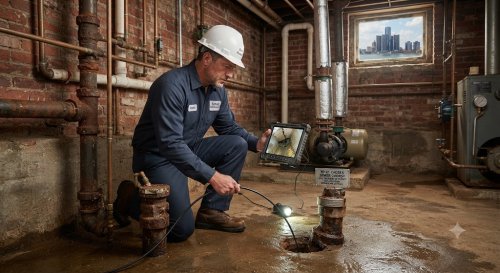
Stepping into the shower of a historic Detroit home in neighborhoods like Boston-Edison or Corktown only to find a weak, sputtering trickle is a frustrating daily experience. Low water pressure is one of the most common complaints among owners of older residential properties throughout the city. While modern construction usually features balanced plumbing grids designed for high-demand fixtures, older infrastructure tells a very different story.
With 20 years of hands-on plumbing experience working on residential properties across Detroit, I have seen firsthand how decades of wear, mineral accumulation, and outdated materials conspire to choke off household water flow. Understanding the root causes of this issue is the first step toward restoring reliable pressure to your taps and showers.
The Legacy of Galvanized Steel Pipes
One of the primary culprits behind low water pressure in vintage Detroit houses is the presence of original galvanized steel supply piping. Installed decades ago, these pipes were standard industry practice before copper and cross-linked polyethylene (PEX) took over.
Over many years of service, the interior zinc coating of galvanized pipes erodes. Once this protective layer wears away, the exposed iron begins to oxidize and rust. This internal corrosion does not just weaken the pipe wall; it creates jagged mineral deposits that continually narrow the interior diameter of the pipe. Water trying to force its way through these constricted pathways loses significant velocity and volume by the time it reaches your bathroom or kitchen fixtures.
Mineral Buildup and Local Water Conditions
Water supplied by the Detroit River system is treated carefully, but mineral content can still affect household plumbing over time. Hard water minerals, calcium, and sediment gradually deposit along the inner walls of pipes, valves, and fixtures.
Fixture Aerators and Showerheads
Often, the solution to low water pressure is surprisingly localized. Aerators on kitchen and bathroom faucets, as well as showerheads, feature fine mesh screens designed to regulate flow and reduce splashing. In older homes, these screens easily trap loose rust flakes, grit, and mineral scale dislodged from older piping networks. Unscrewing and cleaning these small components frequently reveals a simple blockage rather than a systemic pressure failure.
Main Shutoff Valves and Pressure Regulators
Sometimes the restriction is located right at the point where municipal water enters your home. Older Detroit properties typically feature a main water shutoff valve near the foundation wall. If a gate-style main valve is partially closed, or if its internal mechanism has degraded and slipped out of alignment, it will artificially restrict the volume of water entering your home network.
Additionally, many properties utilize a Pressure Reducing Valve (PRV) downstream of the main shutoff to protect indoor fixtures from excessive municipal pressure. When a PRV fails internally, it frequently defaults to a closed or restricted position, causing an abrupt drop in water pressure across every tap in the building.
Distinguishing Between Single-Fixture and Whole-House Issues
When troubleshooting low water pressure, the pattern of the problem matters immensely:
- Single Fixture: If only one sink or shower experiences weak flow, the issue is almost always isolated to that specific faucet's supply line, shutoff valve, or aerator.
- Whole House: If every tap, shower, and appliance struggles simultaneously, the restriction lies within the main supply line, the municipal connection, a main shutoff valve, or severe systemic pipe corrosion.
When to Call a Professional Detroit Plumber
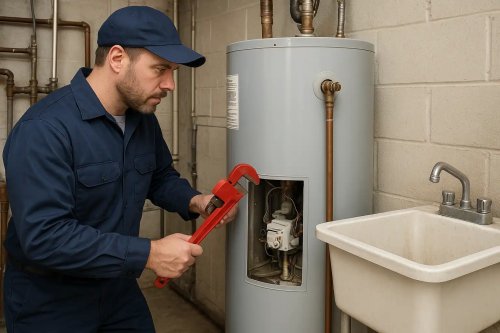
While cleaning a clogged aerator is a straightforward DIY task, diagnosing whole-house pressure drops in historic properties requires specialized diagnostic tools. Professional plumbers can perform static and dynamic pressure tests using gauges attached to hose bibbs, inspect internal pipe conditions, and evaluate whether decades-old galvanized supply lines require targeted replacement or a full repiping project to restore safe, reliable water flow to your Detroit home.