How to Find Hidden Plumbing Leaks Hubbard Farms
Learn how to find a hidden plumbing leak in Hubbard Farms homes. Discover warning signs, causes, professional detection, and repair tips.

NEED A PLUMBER?
Fast & Local Plumbing Services
Leaks • Clogged Drains • Burst Pipes • Water Heaters • Emergency Plumbing
NEED A PLUMBER?
Fast & Local Plumbing Services
Leaks • Clogged Drains • Burst Pipes • Water Heaters • Emergency Plumbing
How to Find a Hidden Plumbing Leak in a Hubbard Farms Home: A Complete Guide
Characterized by historic architecture, tree-lined streets, and stunning Victorian and Craftsman residences, Hubbard Farms is one of Detroit’s most architecturally rich and historic neighborhoods. Owning property here offers a wonderful connection to local heritage, but many of these older homes feature aging plumbing infrastructures. When decades-old supply lines or concealed drain connections begin to fail behind lath-and-plaster walls or beneath concrete subfloors, property owners often face a silent hazard: a hidden plumbing leak.
Discovering water pooling where it shouldn't be or watching your monthly utility bill skyrocket without explanation can be deeply stressful. Knowing how to detect hidden leaks early, understanding why they happen, and knowing when to call a professional can prevent catastrophic structural damage. As an experienced local plumbing team serving Detroit, Wayne County, and historic enclaves like Hubbard Farms, we break down everything you need to know about locating and resolving hidden plumbing leaks safely and effectively.
What Is a Hidden Plumbing Leak?
A hidden plumbing leak refers to any uncontrolled escape of water from your home’s supply, drain, or waste lines that occurs out of plain sight—such as behind finished walls, beneath concrete basement slabs, under flooring, or within ceiling cavities.
In historic residential and commercial settings, these leaks often persist for weeks or months undetected until structural damage or severe utility spikes occur. Property owners frequently search for guidance on this topic when they hear running water behind walls while all faucets are turned off or notice unexplained damp spots on carpeting.
Why Does This Plumbing Problem Happen in Hubbard Farms?
Several distinct structural, environmental, and material factors drive hidden leaks in established historic neighborhoods:
-
Aging and Corroding Pipes: Many historic Detroit homes feature original galvanized steel, cast-iron, or early copper supply lines that thin out, pit, and develop pinhole leaks after decades of service.
-
High Water Pressure: Municipal supply pressure that exceeds recommended limits places continuous, unnecessary strain on older pipe joints and fittings.
-
Hard Water Mineral Build-up: Detroit's mineral-rich water causes internal scaling that can weaken pipe walls and stress connection points over time.
-
Ground Settlement and Soil Shifting: Clay-heavy local soils experience intense freeze-thaw cycles, causing subterranean movement that stresses rigid underground and sub-slab pipes.
-
Incompatible Material Joints: Past repairs that improperly joined dissimilar metals (such as copper connected directly to galvanized steel) trigger rapid galvanic corrosion.
-
Poor Past Maintenance: Deferred upkeep on aging fixtures, supply lines, and valves leaves older infrastructure vulnerable to sudden failures.
Signs You Should Never Ignore
Hidden leaks rarely cause structural damage without leaving subtle clues first. Watch closely for these warning signs:
-
Unexplained High Water Bills: If your monthly utility statement spikes while your water usage habits remain identical, a hidden pressurized leak is likely running continuously.
-
Warm or Damp Spots on Floors: Unexplained warm patches on concrete slabs or damp areas under carpeting often indicate a hot water line leak beneath the floor.
-
Musty Odors and Mold Growth: Persistent earthy smells or bubbling paint and wallpaper point to chronic moisture trapped inside wall cavities.
-
The Sound of Running Water: Faint hissing or trickling noises heard behind walls when all taps and appliances are completely shut off.
-
Decreased Water Pressure: A sudden or gradual drop in flow at your faucets can signify a major break or restriction in a hidden supply pipe.
Common Plumbing Problems Related to This Issue
Allowing a hidden plumbing leak to go unaddressed triggers a cascade of secondary property emergencies:
-
Severe Structural Rot: Continuous moisture rots wooden framing timbers, subflooring, and historic architectural supports.
-
Hazardous Mold Infestations: Hidden dampness fosters toxic mold colonies within 24 to 48 hours, threatening indoor air quality.
-
Foundation and Slab Cracks: Sub-slab water leaks wash away foundational sub-soil, leading to uneven settling and concrete fracturing.
-
Complete Pipe Ruptures: Pinhole leaks rapidly widen under continuous pressure, resulting in catastrophic indoor flooding.
Step-by-Step Professional Repair Process
When a licensed Detroit plumber responds to a hidden leak investigation, we execute a rigorous, methodical workflow:
-
Step 1 Inspection: We evaluate your home's water meter, main shut-off valves, and visible pipe connections to confirm active leakage.
-
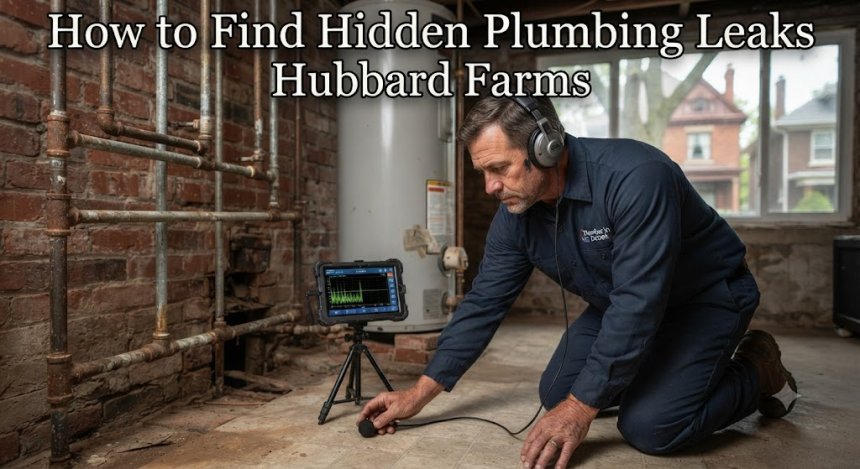
Step 2 Diagnosis: We deploy advanced electronic acoustic detectors, thermal imaging cameras, and moisture meters to pinpoint the exact location of the hidden leak without unnecessary demolition.
-
Step 3 Estimate: Based on our precise findings, we provide a transparent, upfront cost estimate detailing repair or repiping options.
-
Step 4 Repair: We execute targeted pipe repairs, bypass leaking runs, or replace compromised sections using modern, durable materials like PEX or copper.
-
Step 5 Testing: We perform rigorous pressure tests on the repaired system to guarantee absolute integrity before restoring finishes.
-
Step 6 Cleanup: We clean the work area thoroughly and leave your historic property neat and orderly.
-
Step 7 Maintenance Advice: We provide tailored recommendations to protect your plumbing infrastructure against future leaks.
Can You Fix It Yourself?
-
Safe DIY Solutions: Homeowners can safely monitor their water meter dials, check visible supply lines under sinks, and replace worn flapper valves in toilets.
-
When DIY Becomes Dangerous: Never attempt to cut into drywall, plaster, or concrete slabs without knowing exact pipe and electrical paths. Forcing DIY repairs on pressurized historic supply lines can cause catastrophic indoor floods.
-
When Professional Plumbing is Necessary: If you suspect a leak behind walls, beneath concrete slabs, or underground, professional licensed intervention using electronic detection equipment is mandatory.
Tools Professionals Use
Licensed plumbers rely on specialized high-tech equipment to diagnose and resolve hidden leaks with pinpoint accuracy:
-
Acoustic Leak Detectors: Electronic listening devices that amplify the specific sound of water escaping under pressure through cracks or pinholes.
-
Thermal Imaging Cameras: Infrared cameras that detect temperature variations behind walls and beneath floors caused by hidden moisture or hot water leaks.
-
Digital Moisture Meters: Pins and sensors that measure saturation levels in wood, drywall, and masonry.
-
Line Pressure Testing Gauges: Precision gauges used to isolate specific pipe runs and measure psi stability.
-
Fiber-Optic Pipe Inspection Cameras: Waterproof push-rod cameras that inspect the interior condition of hidden drain and sewer lines.
How Long Does the Repair Usually Take?
Repair timelines depend entirely on the location and severity of the hidden plumbing leak:
-
Leak Detection and Isolation: Typically takes 1 to 2 hours.
-
Targeted Wall or Ceiling Pipe Repair: Usually spans 2 to 4 hours.
-
Sub-Slab Leak Access and Repair: Takes 1 to 3 days including concrete cutting and patching.
-
Whole-House Historic Repiping: Spans 3 to 7 days depending on the size and layout of the building.
Cost Factors
Plumbing repair costs vary depending on the severity of the problem, accessibility, materials required, emergency service, property type, and local labor rates.
-
Diagnostic and Detection Fees: Professional service charges covering travel, advanced equipment setup, and precise leak mapping.
-
Accessibility: Pipes hidden behind lath-and-plaster historic walls or deep beneath concrete slabs require more labor to access.
-
Extent of Damage: Spot repairs are less costly than extensive repiping or structural remediation.
-
Materials Required: Upgrading obsolete lines to modern PEX or copper impacts total project pricing.
-
Emergency Service Rates: Premium pricing applies for urgent, unscheduled dispatch.
Hidden Truths Homeowners Should Know
Understanding practical realities of hidden plumbing issues will save you from unexpected financial strain:
-
Small Leaks Become Expensive Repairs: A minor pinhole leak behind a wall is almost always the early precursor to massive structural water damage.
-
Cheap Temporary Fixes Often Fail: Tape, rubber clamps, and epoxy pastes only buy brief time before water breaches corroded metal nearby.
-
Insurance May Not Cover Neglected Plumbing: Standard homeowner policies frequently deny water damage claims if caused by long-term, known deterioration of ancient pipes.
-
Hidden Leaks Increase Utility Bills: Continuous minor pressure leaks quietly inflate your monthly water consumption expenses.
-
DIY Mistakes Increase Repair Costs: Forcing wrenches onto fragile century-old brass threads can snap fittings and cause major indoor floods.
-
Delaying Repairs Causes Structural Damage: Undetected micro-leaks rot historic wooden framing timbers and ruin plaster.
-
Mold Develops Quickly: Moisture from hidden leaks fosters toxic mold colonies within 24 to 48 hours.
-
Annual Maintenance Saves Money: Professional check-ups catch plumbing wear before catastrophic emergencies occur.
15 Common Mistakes Homeowners Make
-
Ignoring High Water Bills: Assuming utility spikes are simply municipal rate increases without checking for leaks.
-
Using Chemical Drain Cleaners: Pouring corrosive acids into aging metal pipes accelerates structural corrosion.
-
Ignoring Faint Hissing Sounds: Dismissing subtle running water noises behind walls until a pipe bursts.
-
Hiring Unlicensed Handymen: Working with unqualified contractors who violate local building codes.
-
Skipping Routine Maintenance: Waiting for a total breakdown instead of scheduling annual plumbing checks.
-
Waiting Until Emergencies Strike: Dealing with midnight floods costs significantly more in emergency labor.
-
Using Wrong Pipe Materials: Connecting incompatible metals without dielectric unions creates rapid corrosion.
-
Over-Tightening Fittings: Snapping fragile historic pipe threads during DIY plumbing attempts.
-
Not Knowing Main Shut-Off Locations: Panicking during a burst pipe because nobody knows where the water main is.
-
Skipping Permits: Failing to pull required city permits for major plumbing overhauls complicates future property sales.
-
Ignoring Damp Carpets: Overlooking localized wet flooring as a minor spill rather than a slab leak.
-
Disregarding Water Heater Maintenance: Failing to remove sediment buildup that stresses tank walls.
-
Failing to Insulate Pipes: Leaving uninsulated basement lines exposed to freezing winter temperatures.
-
Painting Over Water Stains: Covering ceiling spots without investigating the overhead plumbing source.
-
Relying on Surface Patch Kits: Using temporary hardware store putty on high-pressure supply lines.
Maintenance Tips to Prevent Hidden Plumbing Leaks
-
Schedule Annual Plumbing Inspections: Have a licensed Detroit plumber evaluate your water pressure and pipe condition yearly.
-
Monitor Water Pressure: Install a gauge on an outdoor spigot; household pressure should remain between 50 and 70 psi.
-
Test Your Main Shut-Off Valve: Open and close your main water shut-off valve twice a year to prevent it from seizing up.
-
Check Water Meter Dials: Periodically turn off all indoor taps and check if the meter leak indicator is spinning.
-
Inspect Under Sinks Regularly: Look for early signs of moisture, corrosion, or slow leaks around supply connections.
-
Monitor Water Bills: Track monthly consumption for unexpected spikes that indicate hidden leaks.
-
Install Water Leak Detectors: Place smart moisture sensors near water heaters, washing machines, and basement entry points.
-
Flush Your Water Heater: Remove sediment buildup annually to protect downstream fixtures and extend tank life.
-
Insulate Vulnerable Pipes: Wrap basement and crawlspace lines to prevent freezing during harsh Detroit winters.
-
Avoid Chemical Cleaners: Protect metal pipe walls from harsh corrosive agents.
-
Replace Washing Machine Hoses: Upgrade old rubber supply hoses to braided steel lines every five years.
-
Test Sump Pumps Regularly: Ensure your basement water management systems are fully functional.
-
Inspect Outdoor Spigots: Check exterior hose bibbs for winter damage and leaks each spring.
-
Watch for Plumbing Noises: Address loud banging or squealing pipes immediately.
-
Keep Access Panels Clear: Ensure plumbers can easily reach shut-off valves and cleanouts.
When Should You Call an Emergency Plumber in Hubbard Farms?
-
Burst Supply Pipes: Uncontrolled water gushing from split or ruptured historic indoor supply lines.
-
Sudden Major Pressure Drops: A catastrophic drop indicating a major supply line break behind walls.
-
Ceiling Collapses from Leaks: Water pouring through overhead lath-and-plaster from upper-level bathroom failures.
-
Audible Flow Behind Walls: Loud hissing or rushing water sounds when all fixtures are closed.
-
Flooding: Rapid accumulation of water in living spaces or finished basements due to a pressure-related pipe failure.
Frequently Asked Questions
-
Why is my water pressure suddenly low? Low water pressure is usually caused by a partially closed shut-off valve, a failing pressure regulator, or severe mineral and rust scale buildup inside older supply pipes.
-
How much does leak detection cost? Leak detection pricing varies based on the technology required, property size, and whether the leak is visible or hidden beneath concrete slabs or behind walls.
-
Can a clogged drain damage pipes? Yes, persistent clogs create extreme hydrostatic and localized pressure that can crack joints, weaken pipe walls, or cause complete pipe bursts.
-
Is hydro jetting safe for old pipes? When performed by an experienced professional after a camera inspection verifies pipe integrity, hydro jetting is safe and highly effective at clearing scale and roots.
-
How do I know if my sewer line is broken? Common indicators include multi-fixture slow drains, gurgling toilets, sewage odors, wet spots in the yard, or raw sewage backing up into basement floor drains.
-
How long do water heaters last? Standard tank water heaters typically last between 8 to 12 years, depending on maintenance, water hardness, and anode rod replacement frequency.
-
Why does my faucet drip? Faucet leaks are usually caused by worn-out O-rings, degraded washers, damaged valve seats, or mineral buildup inside the cartridge.
-
What causes pipes to burst? Pipes typically burst due to water freezing and expanding inside uninsulated lines, excessive water pressure, or severe corrosion and structural weakening.
-
Can plumbing leaks increase my water bill? Yes, even a small hidden leak or running toilet can waste thousands of gallons of water each month, causing a sharp spike in utility bills.
-
When should I replace plumbing instead of repairing it? You should consider replacement when pipes suffer from widespread corrosion, frequent leaks, chronic root intrusions, or are made of obsolete materials like galvanized steel.
Why Choose Our Plumbing Company
-
Experienced Licensed Plumbers: Our team brings specialized expertise resolving complex plumbing challenges in historic Detroit and Hubbard Farms properties.
-
Honest Recommendations: We provide straightforward, transparent guidance focused purely on what your building genuinely needs.
-
Upfront Estimates: You receive clear pricing before any work begins with zero hidden surprises.
-
Fast Response: We offer prompt dispatch across Detroit, including Hubbard Farms and surrounding neighborhoods, to resolve your emergencies quickly.
-
Emergency Availability: Our professionals stand ready around the clock when urgent plumbing crises strike.
-
Quality Workmanship: We adhere to strict industry standards to ensure lasting, code-compliant repairs that respect historic architecture.
-
Modern Equipment: We utilize advanced diagnostic tools like acoustic listening devices and thermal cameras for maximum precision.
-
Customer Satisfaction: Our local reputation reflects our unwavering dedication to reliable, trustworthy service.
-
Local Expertise: We intimately understand the unique plumbing quirks, aging infrastructure, and architectural nuances of historic Detroit homes.