When Should You Call an Emergency Plumber in Detroit, MI?
Learn when to call an emergency plumber in Detroit, MI. Discover signs of plumbing disasters like burst pipes, sewer backups, and when to seek 24/7 help.

NEED A PLUMBER?
Fast & Local Plumbing Services
Leaks • Clogged Drains • Burst Pipes • Water Heaters • Emergency Plumbing
NEED A PLUMBER?
Fast & Local Plumbing Services
Leaks • Clogged Drains • Burst Pipes • Water Heaters • Emergency Plumbing
When Should You Call an Emergency Plumber in Detroit, MI?
Introduction
A plumbing disaster rarely strikes at a convenient time. Whether it's a pipe bursting in the middle of a freezing Detroit winter night, a sewer line backing up into your basement during a heavy spring storm, or a commercial water heater failing right before the lunch rush, these situations demand immediate professional intervention. Property owners across Metro Detroit, from historic homes in Corktown and Boston-Edison to bustling businesses downtown, face unique plumbing challenges due to aging infrastructure and severe weather.
Knowing when to pick up the phone for immediate assistance versus waiting for a standard appointment can be the difference between a minor cleanup and catastrophic property damage. This comprehensive guide will help homeowners and business owners in Detroit understand what constitutes a true plumbing emergency, why immediate action is crucial, and how to choose the right 24/7 plumbing service.
What Is a Plumbing Emergency?
A plumbing emergency is any issue within your home or business's water supply, drainage, or gas system that poses an immediate threat to health, safety, or the structural integrity of the property. These situations require rapid response, often outside of regular business hours, to mitigate damage and restore essential services.
Common Emergency Situations Include:
-
Uncontrolled gushing water from a burst pipe.
-
A sewage backup flooding your basement.
-
Total loss of water supply.
-
A gas leak suspected near a water heater or furnace. (Immediate evacuation and utility company call required first).
-
Overflowing toilets that cannot be stopped.
When Should You Call an Emergency Plumber in Detroit?
It can be stressful to determine if your plumbing problem warrants an emergency call. Here are the specific scenarios where you should contact a 24/7 emergency plumber in Detroit immediately.
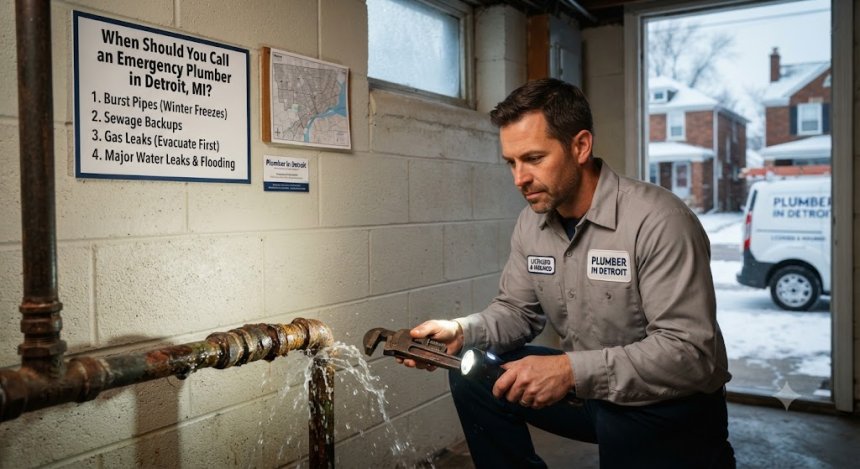
1. Burst Pipes
This is perhaps the most common plumbing emergency, especially during Detroit's harsh winters. When water freezes inside a pipe, it expands and causes the pipe to crack or burst. When the ice thaws, water will gush out uncontrolled.
-
Immediate Action: Locate your main water shut-off valve and turn it off immediately. Then, call an emergency plumber to repair the section of the pipe. Ignoring this even for an hour can lead to thousands of dollars in water damage to floors, walls, and ceilings.
2. Sewage Backup
A sewage backup is not just a mess; it's a severe health hazard. If wastewater is bubbling up through your floor drains, toilets, or sinks, it indicates a major blockage or collapse in your main sewer line.
-
Why it's an emergency: Raw sewage contains harmful bacteria, viruses, and parasites. It can contaminate your living space and cause irreversible damage to flooring, drywall, and personal belongings. Avoid contact with the water and call a professional equipped to handle biohazard situations.
3. Total Loss of Water Supply
Waking up with no water coming from any faucet is an emergency, particularly if you have no other way to secure water for drinking, sanitation, or flushing toilets. This could be caused by a major break in the main supply line coming to your house or a catastrophic failure of your home's primary water system.
4. Gas Line Leaks (If Service is Offered)
While the first call should always be to DTE Energy or 911, many licensed plumbers are also certified to work on gas lines. If you smell the distinct rotten egg odor associated with natural gas near an appliance like a water heater or boiler, evacuate the property immediately. Once authorities have deemed the area safe, an emergency plumber can often repair the leak.
5. Severely Clogged Drains or Toilets (Multiple Fixtures)
A single clogged toilet is usually not an emergency. However, if multiple drains are clogged simultaneously—for example, flushing the toilet causes water to back up in the bathtub, or the kitchen sink gurgles when the washing machine runs—the problem is in the main sewer line.
-
The risk: Wastewater has nowhere to go and will eventually erupt from the lowest point in the home. This requires immediate intervention with professional drain cleaning or sewer camera inspection equipment.
6. Water Heater Failure (In Critical Situations)
While a lack of hot water is inconvenient, it may not be an emergency for a residential customer. However, for businesses like restaurants, hospitals, or hotels, loss of hot water is a health code violation and an operational emergency.
-
Residential Emergency: If your water heater is actively leaking large amounts of water, or if the tank is making rumbling noises that indicate it's overheating and at risk of exploding, shut off the water and gas/power supply and call an emergency plumber immediately.
Warning Signs You Should Never Ignore
Often, a major plumbing emergency is preceded by subtle warning signs. Addressing these early during regular business hours can prevent them from escalating into after-hours disasters.
-
Water Stains: Discolored patches on walls or ceilings indicate a slow, hidden leak that could turn into a pipe burst at any moment.
-
Slow Drains: While common, persistently slow drains in sinks or tubs suggest a blockage that is narrowing the pipe and will eventually cause a complete stoppage.
-
Low Water Pressure: A sudden drop in pressure across the home could signal a significant leak in the main water line.
-
Damp Spots in the Yard: Unexplained wet, lush patches of grass in your yard during dry weather can indicate a broken underground sewer or main water line.
-
Musty Odors: A persistent earthy or musty smell in basements or near walls points to hidden mold growth from a long-term leak.
-
Running Water Sounds: Hearing the sound of rushing water when all fixtures are turned off is a clear sign of a leak somewhere in the system.
Common Plumbing Problems Related to Emergencies
Understanding what lies behind common emergency calls can help homeowners appreciate the complexity of these issues.
Pipe Leaks and Bursts
Corrosion, high water pressure, and freezing temperatures are the primary culprits. In older Detroit homes, aging galvanized steel or cast iron pipes are prone to failure.
Drain and Sewer Clogs
Main line clogs are often caused by tree roots infiltrating older clay or cast iron sewer lines. Inside the home, clogs result from flushing inappropriate items (even those labeled "flushable wipes") or pouring grease down kitchen drains.
Water Heater Failures
Sediment buildup at the bottom of the tank can cause the tank to overheat and eventually rupture. Pressure relief valve failures can also lead to dangerous situations.
Step-by-Step Professional Repair Process for Emergencies
When you call Plumber in Detroit for an emergency, you can expect a structured, professional response designed to minimize damage and restore peace of mind.
-
Step 1: Immediate Assessment and Dispatch: Our 24/7 dispatch team will ask critical questions to understand the severity of the situation and immediately send a licensed emergency plumber to your location.
-
Step 2: Rapid Diagnosis: Upon arrival, the plumber will quickly locate the source of the problem, often using advanced tools like sewer cameras or leak detection equipment.
-
Step 3: Emergency Mitigation: The first priority is stopping further damage. This may involve shutting off the main water supply, containing sewage, or safely isolating a gas leak.
-
Step 4: Transparent Estimate: Before any repair work begins, the plumber will explain the issue, outline the options for repair, and provide an upfront estimate for the emergency service.
-
Step 5: Professional Repair: Using high-quality, code-compliant materials and professional-grade equipment, the plumber will execute the necessary repairs to restore the integrity of your plumbing system.
-
Step 6: Testing and Cleanup: Once the repair is complete, the system will be thoroughly tested to ensure functionality and prevent recurrence. The work area will be cleaned and sanitized, especially in cases involving sewage.
-
Step 7: Prevention Advice: The plumber will offer practical tips to help prevent similar emergencies from happening in the future, such as scheduling annual maintenance or installing preventative devices like backwater valves.
Can You Fix It Yourself?
In a true plumbing emergency, the most valuable DIY action a homeowner can take is mitigation, not repair.
Safe DIY Actions:
-
Shut Off the Water: Every homeowner in Detroit must know the location of their main water shut-off valve. Closing this valve is the single most effective way to stop flooding from a burst pipe or major leak.
-
Shut Off the Power/Gas: For water heater emergencies, shut off the electricity at the breaker box or the gas supply at the unit.
-
Use Containment: Use buckets, towels, or a wet-dry vacuum to contain leaking water and minimize immediate damage to flooring and belongings.
-
Plunge Simple Clogs: A standard toilet plunger can resolve minor, single-fixture clogs.
When DIY Becomes Dangerous:
-
Attempting to clear main sewer line clogs with rented equipment: Heavy-duty drain augers can twist violently and cause severe injury or puncture old pipes.
-
Making temporary repairs with duct tape or epoxy: High water pressure will almost always blow through these makeshift fixes, leading to renewed flooding.
-
Any work involving gas lines: Improperly sealed gas connections can lead to leaks, fires, and explosions.
-
Working on electrical components near water: Attempting to repair a flooded sump pump or water heater without disconnecting power poses a high risk of electrocution.
Tools Professionals Use
Emergency plumbers arrive equipped with tools that go far beyond what is found in a typical toolbox. This equipment ensures fast, accurate diagnostics and effective repairs.
-
Drain Cameras: Waterproof video cameras that allow plumbers to see deep inside sewer and drain lines to identify the exact cause and location of a blockage or break.
-
Hydro Jetting Equipment: High-pressure water machines that scour pipe walls clean, effectively removing stubborn grease, roots, and debris from sewer lines.
-
Electronic Leak Detection: Acoustic listening devices and thermal imaging cameras that pinpoint the location of hidden leaks behind walls or under slabs without destructive exploratory work.
-
Trenchless Repair Technology: Methods that allow for the repair or replacement of underground sewer lines without digging up your entire yard or driveway.
-
Heavy-Duty Commercial Augers: Powerful, motorized drain snakes capable of cutting through tough obstructions that residential tools cannot handle.
How Long Does the Repair Usually Take?
While emergencies are unpredictable, an experienced plumber can provide a realistic timeline once they have assessed the situation.
-
Simple Pipe Repair: 1–2 hours.
-
Clearing a Main Sewer Clog: 2–4 hours.
-
Sump Pump Replacement: 1–2 hours.
-
Water Heater Replacement: 3–6 hours (depending on complexity and code upgrades).
-
Major Sewer Line Replacement: 1–3 days (depending on the length and method).
Factors affecting repair time include the accessibility of the problem area, the extent of the damage, and the need for permits or inspections in certain Detroit municipalities.
Cost Factors
Providing a fixed price for emergency plumbing is impossible because every situation is unique. However, you should understand what contributes to the final bill.
-
Diagnostic/Service Fee: Emergency calls often carry a higher initial fee than standard service calls to cover the 24/7 dispatch and immediate response.
-
Time of Day: Repairs performed on weekends, holidays, or in the middle of the night are billed at premium emergency rates.
-
Severity of the Problem: The complexity of the repair and the materials required will significantly impact the cost.
-
Accessibility: Issues located in hard-to-reach areas (like under a crawlspace or behind finished walls) require more time and labor.
-
Emergency vs. Standard Replacement: Sometimes an emergency repair is only a temporary fix, and a full replacement is recommended during regular hours to be more cost-effective in the long run.
Plumbing repair costs vary depending on the severity of the problem, accessibility, materials required, emergency service, property type, and local labor rates.
Hidden Truths Homeowners Should Know
-
Your Homeowner's Insurance May Not Cover Neglect: While insurance usually covers sudden, accidental water damage (like a burst pipe), it often denies claims for damage resulting from long-term, neglected issues (like a slow leak that rotted out a wall over years).
-
Municipal Water Shutoffs Take Time: If the leak is on the street side of the main valve, you must call the Detroit Water and Sewerage Department (DWSD). This can sometimes take hours, making an emergency plumber your best immediate option.
-
Temporary Fixes Often Fail: Relying on tape or clamps on a high-pressure line is a recipe for a second, more damaging flood.
-
Sewer Lines are Homeowner Responsibility: In Detroit, as in most municipalities, the "lateral" sewer line connecting your home to the city main is entirely the homeowner's responsibility to maintain and repair.
15 Common Mistakes Homeowners Make
Avoiding these mistakes can save you from unnecessary stress and expense when a plumbing emergency strikes.
-
Ignoring the main water shut-off valve location: Don't wait until water is spraying everywhere to find it. Locate and test it today.
-
Relying on chemical drain cleaners: These harsh chemicals can damage older pipes and cause severe burns to plumbers who eventually have to service the line.
-
Flushing "flushable" wipes: These wipes do not break down like toilet paper and are the #1 cause of main sewer line blockages.
-
Pouring grease down the sink: Even with a garbage disposal, grease solidifies in the pipes and creates stubborn clogs.
-
Ignoring running toilets: A constantly running toilet wastes thousands of gallons of water and puts unnecessary strain on your septic or sewer system.
-
Hiring an unlicensed handyman for plumbing: Plumbing requires specialized knowledge and adherence to strict local codes. Poor workmanship can lead to bigger disasters down the line.
-
Waiting until Monday morning to call for a weekend emergency: Water damage progresses rapidly. Mold can begin to grow within 24–48 hours. Call for help immediately.
-
Over-tightening plumbing connections: This can crack PVC fittings or strip brass threads, turning a minor drip into a major leak.
-
Using the wrong pipe materials for repairs: Mixing galvanized pipe with copper without proper dielectric unions causes rapid galvanic corrosion.
-
Neglecting water heater maintenance: Flushing your tank annually removes sediment and extends the life of your unit.
-
Not having a battery backup for your sump pump: If the power goes out during a storm (common in Detroit), your primary electric pump will fail, leading to a flooded basement.
-
Planting trees near sewer lines: Tree roots are drawn to the moisture in sewer lines and will infiltrate and crush older pipes.
-
Using a plunger on a chemical clog: If you've recently used a drain cleaner, plunging can splash the chemical onto your skin or eyes.
-
Ignoring the signs of a gas leak: If you smell gas, do not turn on lights, light a match, or use your phone inside the house. Evacuate immediately.
-
Not getting upfront estimates for emergency repairs: While emergency situations are urgent, reputable plumbers will still provide an estimate before starting major work.
Maintenance Tips
The best way to handle an emergency is to prevent it from happening in the first place. Follow these practical maintenance tips to keep your plumbing system healthy.
Year-Round Tips
-
Know your shut-off valves: Ensure everyone in the household knows where the main water shut-off is and how to operate it.
-
Watch what you flush: Only human waste and toilet paper go in the toilet.
-
Use strainers in drains: Catch hair in showers and food scraps in kitchen sinks to prevent clogs.
-
Monitor your water bill: An unexpectedly high bill is often the first sign of a hidden leak.
-
Inspect visible pipes: Regularly check under sinks and around the water heater for signs of drips or corrosion.
Seasonal Tips (Detroit Metro Area)
-
Spring: Test your sump pump before heavy spring rains arrive. Consider installing a battery backup system. Check your yard for pooling water near the foundation.
-
Summer: Ensure outdoor spigots are functioning properly after winter. Monitor lawn irrigation systems for leaks.
-
Autumn: Disconnect and drain all garden hoses from outdoor faucets to prevent freezing. Consider insulating outdoor pipes or faucets.
-
Winter: Keep your home adequately heated to prevent pipes from freezing, especially those on exterior walls. Open cabinet doors under sinks to allow warm air to reach pipes during extreme cold snaps. If you're going out of town, leave the heat on at least 55°F.
When Should You Call an Emergency Plumber? (Summary)
In summary, you should call an emergency plumber in Detroit anytime you are faced with a situation that you cannot safely control and that poses an immediate threat to your property or health. This includes uncontrolled water flow from burst pipes, sewage backups flooding your basement, a total loss of water, or any suspected gas leak once the area has been cleared by authorities. For non-critical issues, it is always best to schedule service during regular business hours to avoid premium emergency rates.
Frequently Asked Questions (FAQs)
To further assist you, here are answers to some of the most common questions about emergency plumbing services in Detroit.
Q: What should I do while waiting for an emergency plumber to arrive? A: Your first priority is to stop the source of the problem. If it's a water leak, locate and turn off the main water shut-off valve. If it's a sewage backup, avoid contact with the water and keep children and pets away from the affected area. If you can safely do so, try to contain the water with towels or buckets to minimize damage.
Q: How much does an emergency plumber cost in Detroit? A: Emergency plumbing costs are higher than standard rates due to the immediate response and after-hours availability. While we cannot provide a specific price without diagnosing the issue, you can expect to pay a service/diagnostic fee plus an hourly rate that is higher than regular business hours. A reputable plumber will always provide an upfront estimate before beginning any repair work.
Q: Do plumbers in Detroit handle gas leaks? A: Many licensed master plumbers are also certified to install and repair natural gas lines. However, if you suspect a gas leak, your very first call must be to 911 or the DTE Energy gas leak hotline (800-947-5000). Evacuate the premises immediately. Once the utility company or fire department has