Why Do Drains Keep Clogging in Older East Village Homes?
Discover why drains keep clogging in historic East Village Detroit homes. Learn warning signs, common causes, professional fixes, and prevention tips.

NEED A PLUMBER?
Fast & Local Plumbing Services
Leaks • Clogged Drains • Burst Pipes • Water Heaters • Emergency Plumbing
NEED A PLUMBER?
Fast & Local Plumbing Services
Leaks • Clogged Drains • Burst Pipes • Water Heaters • Emergency Plumbing
Why Do Drains Keep Clogging in Older East Village Homes?
Owning a historic home in East Village, Detroit, comes with an undeniable sense of character and architectural pride. From classic Craftsman details to charming early-20th-century layouts, these properties reflect the rich history of the Motor City. However, the historic charm that draws people to neighborhoods across Detroit, Hamtramck, and Wayne County often masks aging infrastructure. If you find yourself repeatedly plunging your kitchen sink or dealing with slow-draining bathtubs, you are not alone. Recurring drain clogs are one of the most common frustrations reported by residents in older homes.
While a quick pour of a store-bought chemical cleaner might offer temporary relief, the problem usually returns because the root cause runs much deeper than a simple hairball. Understanding why older plumbing systems are prone to frequent blockages can save you from a major plumbing disaster. As an experienced team serving Detroit homeowners, we look at the structural realities behind these recurring issues and explain what you can do before calling a professional plumber.
What Are Chronic Drain Clogs in Historic Homes?
Chronic drain clogs refer to blockages that repeatedly occur in the same plumbing lines despite standard efforts to clear them.
In modern construction, smooth PVC or ABS plastic pipes allow waste water and debris to glide effortlessly down the line. In contrast, older East Village homes typically feature aging materials like cast iron or galvanized steel. Over decades of daily use, the interior walls of these pipes undergo significant chemical and physical changes.
Common situations involve a kitchen sink that backs up every few months, a basement floor drain that gurgles during heavy rainfall, or a shower that slowly fills up while you wash. These symptoms indicate that the effective interior diameter of your pipes has shrunk, creating a trap for grease, soap scum, and everyday debris.
Why Does This Plumbing Problem Happen in East Village?
Several structural and environmental factors contribute to why drains persistently clog in older Detroit properties.
-
Aging Pipes and Scaling: Decades of exposure to water and waste cause cast iron pipes to rust internally. This rust forms a rough, scaly buildup known as tuberculation, which catches hair, grease, and food particles.
-
Corrosion: As metal pipes corrode, their inner walls become pitted and jagged, preventing waste from flowing smoothly toward the municipal sewer main.
-
Tree Root Intrusion: East Village features mature, beautiful trees whose roots relentlessly seek moisture. Older clay or cast iron sewer lines often develop micro-cracks or loose joints, allowing roots to infiltrate and create massive blockages.
-
Hard Water: Detroit's mineral-rich water deposits calcium and magnesium scale inside pipes over time, further narrowing the pathway for wastewater.
-
Improper Historic Installations: Past plumbing modifications or do-it-yourself updates may have introduced improper pipe slopes or incompatible materials that impede proper drainage flow.
-
Settling and Ground Movement: Detroit's clay-heavy soil expands and contracts through harsh freeze-thaw cycles, shifting underground pipes and causing minor misalignments where debris easily snags.
Signs You Should Never Ignore
A single slow drain can be easy to overlook, but multiple warning signs point to a systemic plumbing failure brewing beneath your floors.
-
Slow Drains Across Multiple Fixtures: If your kitchen sink, bathroom sink, and bathtub are all draining sluggishly at the same time, the issue is not a localized clog—it is likely a blockage in your main waste line.
-
Gurgling Sounds: If your toilet gurgles when the washing machine empties, or your shower drain bubbles when a sink runs, air is trapped because water cannot escape past a blockage.
-
Foul Odors: Persistent sulfur or sewage smells coming from your drains mean organic waste is trapped and decomposing inside compromised pipes.
-
Water Backing Up: Finding greywater or sewage pooling in your basement floor drain or rising into a bathtub is a critical red flag.
-
Unexplained Dampness or Water Stains: Moisture patches near basement waste stacks suggest a leaking or cracked pipe hidden behind walls or beneath the slab.
Common Plumbing Problems Related to This Issue
Persistent drain clogs rarely exist in a vacuum; they often trigger or accompany other severe plumbing complications.
-
Sewer Backups: Unresolved main line clogs eventually force raw sewage backward into the living spaces of your home.
-
Pipe Leaks and Bursts: Trapped pressure and expanding ice or corrosion can cause weakened pipes to crack or burst.
-
Structural Water Damage: Chronic leaks saturate subflooring, drywall, and framing, compromising your home's structural integrity.
-
Fixture Damage: Overflowing toilets and backed-up sinks ruin flooring, vanities, and baseboards.
Step-by-Step Professional Repair Process
When a licensed plumber investigates chronic clogs in an East Village home, they follow a systematic diagnostic and repair protocol.
-
Step 1 Inspection: The plumber assesses all affected fixtures and locates the primary cleanout access points in your basement or crawlspace.
-
Step 2 Diagnosis: Using a high-resolution waterproof sewer camera, the technician navigates the interior of the pipes to visually pinpoint the exact location and nature of the blockage, whether it is root intrusion, heavy scale, or a collapsed section.
-
Step 3 Estimate: You receive a clear, upfront explanation of the findings along with a transparent cost estimate detailing whether spot repairs, hydro jetting, or trenchless replacement is necessary.
-
Step 4 Repair: The plumber executes the approved solution, utilizing specialized equipment to clear, line, or replace the damaged pipe sections safely and up to code.
-
Step 5 Testing: Water is run through the system, and a follow-up camera check is performed to confirm unobstructed flow and verify the repair.
-
Step 6 Cleanup: The work area is thoroughly sanitized and restored, respecting the cleanliness of your home.
-
Step 7 Maintenance Advice: The technician provides personalized tips on how to protect your newly cleared plumbing system from future distress.
Can You Fix It Yourself?
While minor surface clogs can sometimes be managed independently, trying to fix systemic issues in old pipes yourself can escalate the problem.
-
Safe DIY Solutions: You can safely use a standard plunger or a manual hand-cranked drain snake (augurs) for simple sink or tub hair clogs. Pouring boiling water down lines can also help clear minor soap buildup.
-
When DIY Becomes Dangerous: Pouring chemical store-bought drain cleaners down aging cast iron or galvanized pipes is dangerous. The harsh acids react aggressively with corroded metal, creating heat that can crack the pipe or severely burn skin. Forcing rigid mechanical snakes through fragile, scaled pipes can also puncture or collapse the line.
-
When Professional Plumbing is Necessary: If clogs keep returning within weeks, if multiple drains back up simultaneously, or if you notice foul sewage odors, professional intervention is mandatory.
Tools Professionals Use
Professional plumbers rely on advanced technology to diagnose and resolve hidden plumbing restrictions accurately.
-
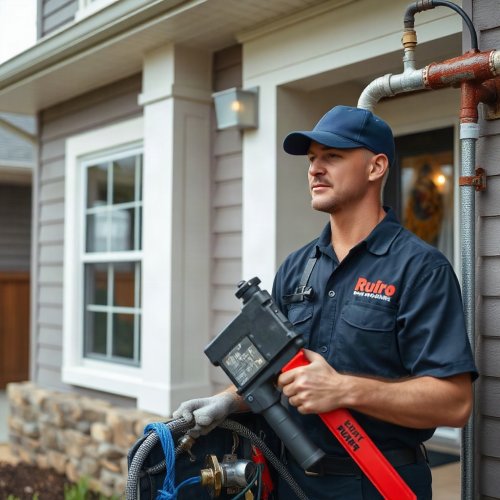
Sewer Inspection Cameras: Fiber-optic cameras feed through pipes to provide a live video feed of internal damage, scaling, and root blocks.
-
Electronic Pipe Locators: Transmitters attached to cameras allow plumbers to pinpoint the exact depth and surface location of underground pipe issues.
-
High-Pressure Hydro Jetters: Specialized machines that blast water at high psi to completely scour away decades of grease, scale, and mineral buildup from pipe walls.
-
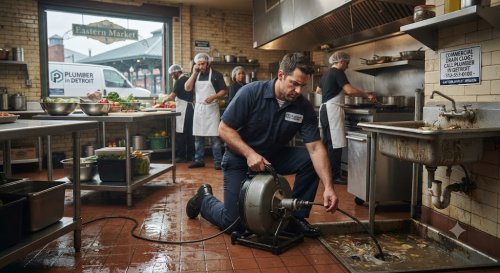
Professional Motorized Augers: Heavy-duty drain snakes designed to cut through tough tree roots and stubborn structural blockages without damaging sound pipe material.
How Long Does the Repair Usually Take?
Repair timelines vary widely depending on the underlying cause of the chronic clogs.
-
Simple Drain Clearing: Routine snaking of a localized branch line typically takes 1 to 2 hours.
-
Hydro Jetting Services: Comprehensive high-pressure scouring of a home's main waste system generally spans 2 to 4 hours.
-
Moderate Repairs: Replacing a section of damaged or sagging cast iron waste pipe in a crawlspace or basement wall takes 1 to 2 days.
-
Major Repairs: Full main sewer line replacement or trenchless lining can take 2 to 4 days, depending on property accessibility and local permit requirements.
Cost Factors
Plumbing repair costs vary depending on the severity of the problem, accessibility, materials required, emergency service, property type, and local labor rates.
-
Diagnostic Fees: Initial service charges for travel time and camera inspection.
-
Accessibility: Pipes buried deep beneath finished concrete basement slabs require more labor and equipment to reach than accessible basement ceiling runs.
-
Extent of Damage: Spot repairs cost significantly less than replacing an entire compromised sewer lateral.
-
Equipment and Materials: Specialized trenchless technology or high-grade PEX and PVC materials influence overall pricing.
-
Emergency Callouts: After-hours or holiday service incurs premium emergency rates.
Hidden Truths Homeowners Should Know
Understanding the practical realities of historic plumbing can save you from unexpected financial burdens.
-
Small Leaks Become Expensive Repairs: A minor slow drain left unaddressed can result in a sudden pipe collapse and extensive water damage.
-
Cheap Temporary Fixes Often Fail: Chemical cleaners and temporary plunging only mask symptoms while corrosion continues unabated.
-
Insurance May Not Cover Neglected Plumbing: Standard homeowner policies generally do not cover gradual wear and tear or damage stemming from long-term deferred maintenance on ancient pipes.
-
Tree Roots are Relentless: Roots will continuously re-enter cracked sewer lines unless the pipe is structurally lined or replaced.
-
Hard Water Shortens Fixture Lifespan: Detroit's mineral content accelerates internal wear across your entire plumbing ecosystem.
-
DIY Mistakes Increase Repair Costs: Forcing tools down weak lines can turn a simple clog into an emergency excavation.
-
Delaying Repairs Causes Structural Damage: Escaping wastewater undermines foundations and breeds toxic mold.
-
Hidden Leaks Increase Utility Bills: Running or leaking lines quietly drive up your monthly water usage costs.
-
Mold Develops Quickly: Moisture from slow backups creates colonies in wall cavities within 24 to 48 hours.
-
Annual Maintenance Saves Money: Routine inspections prevent catastrophic emergencies and budget-friendly upkeep beats emergency overhauls.
15 Common Mistakes Homeowners Make
-
Ignoring Slow Drains: Assuming a sluggish sink is normal lets a small blockage turn into a full stoppage.
-
Using Chemical Drain Cleaners: Pouring acid into old iron pipes accelerates corrosion and creates safety hazards.
-
Flushing "Flushable" Wipes: Even wipes labeled flushable do not break down and routinely snag on pipe scale.
-
Pouring Grease Down Drains: Fats cool and solidify inside pipes, trapping other debris like concrete.
-
Ignoring Water Pressure Surges: High pressure stresses weak joints and valves.
-
Hiring Unlicensed Handymen: Unqualified workers lack proper insurance and code compliance knowledge.
-
Skipping Routine Maintenance: Waiting for a total breakdown instead of scheduling proactive checks.
-
Waiting Until Emergencies Strike: Dealing with backups at midnight costs more and creates maximum stress.
-
Using Incorrect Pipe Materials: Mixing incompatible metals causes rapid galvanic corrosion.
-
Over-Tightening Fittings: Forcing old brass or iron threads strips them instantly.
-
Forgetting Main Shut-Off Locations: Panicking during a leak because nobody knows where the water main is.
-
Neglecting Outdoor Drains: Failing to clear window wells and area drains before storms.
-
Using Wrong-Sized Augers: Using a snake that is too large can crack brittle historic pipes.
-
Disregarding Local Codes: Skipping required municipal permits can complicate future home sales.
-
Skipping Post-Repair Verification: Failing to run a camera check after a major cleaning leaves lingering doubts.
Maintenance Tips
-
Schedule Annual Camera Inspections: Have a licensed Detroit plumber inspect your main line every year.
-
Watch What You Throw Away: Never dispose of coffee grounds, eggshells, or fibrous vegetables down kitchen sinks.
-
Scrape Plates: Wipe excess grease and food scraps into the trash before washing dishes.
-
Use Drain Strainers: Catch hair and soap debris in all showers and bathroom sinks.
-
Run Enzymatic Cleaners: Use monthly bio-enzymatic treatments to naturally break down organic waste without harming pipes.
-
Know Your Main Shut-Off: Clearly tag your water shut-off valve so all household members can access it quickly.
-
Insulate Exposed Pipes: Protect basement and crawlspace plumbing from freezing during harsh Detroit winters.
-
Inspect Sump Pumps: Test your sump pump regularly and keep a battery backup ready for spring storms.
-
Manage Roof Runoff: Keep gutters and downspouts clear to direct rainwater far away from your foundation.
-
Plant Trees Wisely: Avoid planting large trees with aggressive root systems near your underground sewer lateral.
-
Flush Water Heaters: Clear sediment annually to maintain smooth overall water system flow.
-
Monitor Water Bills: Track your consumption for unexplained spikes that indicate hidden leaks.
-
Fix Drip Leaks Promptly: Repair running toilets and dripping faucets to reduce daily wastewater volume.
-
Test Backwater Valves: If installed, check your mainline backwater valve semi-annually.
-
Avoid Garbage Disposals: Limit heavy reliance on garbage disposals in homes with historic cast iron lines.
When Should You Call an Emergency Plumber?
-
Total Sewer Backup: Raw sewage flowing upward into floor drains, tubs, or lower toilets.
-
Burst Pipes: Gushing, uncontrolled water leaks that cannot be stopped by fixture shut-off valves.
-
Complete Loss of Drainage: Every drain in the house is completely backed up with nowhere to go.
-
Flooding: Standing water accumulating rapidly in basements or crawlspaces.
-
Foul Gas Odors: Unbearable, persistent sewer gas smells permeating the living areas.
-
Ceiling Collapses: Structural drywall failure caused by undetected overhead pipe leaks.
Why Choose Our Plumbing Company
-
Experienced Licensed Plumbers: Our team brings specialized expertise resolving complex plumbing challenges in historic Detroit properties.
-
Honest Recommendations: We provide straightforward, transparent guidance focused purely on what your home genuinely needs.
-
Upfront Estimates: You receive clear pricing before any work begins with zero hidden surprises.
-
Fast Response: We offer prompt dispatch across Detroit, Hamtramck, and Wayne County to resolve your emergencies quickly.
-
Emergency Availability: Our professionals stand ready around the clock when urgent plumbing crises strike.
-
Quality Workmanship: We adhere to strict industry standards to ensure lasting, code-compliant repairs.
-
Modern Equipment: We utilize advanced diagnostic tools like fiber-optic sewer cameras and hydro jetters for maximum precision.
-
Customer Satisfaction: Our local reputation reflects our unwavering dedication to reliable, trustworthy service.
-
Local Expertise: We intimately understand the unique plumbing quirks, aging infrastructure, and architectural nuances of historic Detroit homes.