What Causes Water Heater Problems During Detroit Winters?

NEED A PLUMBER?
Fast & Local Plumbing Services
Leaks • Clogged Drains • Burst Pipes • Water Heaters • Emergency Plumbing
NEED A PLUMBER?
Fast & Local Plumbing Services
Leaks • Clogged Drains • Burst Pipes • Water Heaters • Emergency Plumbing
When freezing temperatures settle over Detroit, Michigan, household plumbing systems go through a rigorous test. While most homeowners worry about frozen pipes or failing sump pumps during the colder months, water heaters often take a severe beating as well. During a harsh winter in neighborhoods like Palmer Woods, Grandmont-Rosedale, or Southwest Detroit, your water heater has to work significantly harder just to deliver the same amount of hot water you rely on year-round.
With 20 years of hands-on plumbing experience in the Detroit area, I have seen firsthand how winter weather exposes hidden flaws in residential water heating systems. Understanding why these issues occur can help you catch small problems before you find yourself taking an unexpected cold shower on a sub-zero January morning.
Why Detroit Winters Strain Your Water Heater
Several distinct factors make wintertime especially challenging for water heaters in Michigan homes:
- Colder Incoming Water: The municipal water supply coming into your home drops significantly in temperature during the winter. Your water heater must burn more energy and run longer cycles to heat that ice-cold water up to your desired thermostat setting.
- Higher Household Demand: During winter, people tend to take longer, hotter showers, and household members spend more time indoors using appliances like dishwashers and washing machines. Increased demand combined with colder inlet water pushes older units to their absolute limit.
- Accelerated Sediment Buildup: Over time, minerals naturally present in water settle at the bottom of tank-style water heaters. When the burner or upper element has to work harder all winter, this sediment layer can cause overheating, popping noises, and eventual tank damage.
Common Signs Your Water Heater is Struggling
Water heaters rarely fail without giving some warning signs first. If you notice any of the following symptoms during the winter months, your system may need professional attention:
- Inconsistent Water Temperature: Water runs warm for a few minutes and then turns lukewarm or cold rapidly. This often points to a failing heating element, a broken dip tube, or a heavily overloaded tank.
- Strange Rumbling or Knocking Noises: If you hear popping or deep rumbling sounds coming from the tank, it usually means a thick layer of sediment has hardened at the bottom, trapping water underneath that boils and expands.
- Discolored or Rusty Water: Brown or reddish water coming exclusively from your hot water taps indicates internal corrosion inside an aging steel tank.
- Moisture or Pooling Water Around the Base: Small leaks can quickly turn into major floor damage or structural issues, especially if the tank wall is compromised due to thermal expansion and age.
Practical Maintenance Tips for Detroit Homeowners
While you cannot control the weather outside, routine care can extend the lifespan of your water heater and reduce the risk of a complete breakdown:
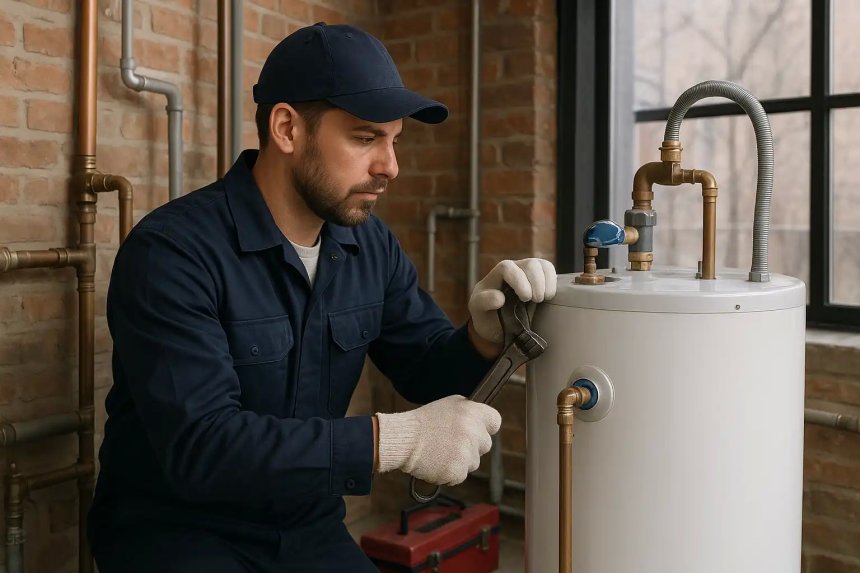
- Flush the Tank Annually: Draining a few gallons from the tank drain valve once a year helps clear out loose sediment before it bakes onto the bottom of the tank.
- Inspect the Anode Rod: The sacrificial anode rod attracts corrosive minerals in the water instead of your tank lining. Checking and replacing this rod every few years can double the life of your water heater.
- Check the Temperature Setting: Most manufacturers set water heaters around 120 degrees Fahrenheit. Setting it unnecessarily high increases wear and tear on internal components and wastes energy.
- Insulate Older Pipes and Tanks: Adding foam pipe insulation to the hot and cold water lines near the unit helps retain heat and improves overall energy efficiency during freezing weather.
When to Call a Professional Detroit Plumber
Some basic checks can be handled by a homeowner, but major issues require specialized tools and training. If your unit is leaking from the main tank body, failing to ignite, tripping your electrical panel repeatedly, or leaving you with complete water heater failure during freezing weather, it is time to contact a licensed plumber in Detroit. Professional evaluation ensures that your system is repaired safely, correctly, and in compliance with local residential standards.
Detroit Winter Water Heater FAQ
Why does my hot water run out faster in the winter?
Because the incoming water supply from the street is much colder in the winter, your water heater has to mix more hot water with cold water to maintain a comfortable temperature. This causes the stored hot water in the tank to deplete much faster than it does in the summer.
How long do residential water heaters typically last?
Standard tank-style water heaters generally last between 8 and 12 years, depending on water quality, maintenance habits, and overall usage. Tankless models can last longer with proper descaling and maintenance.
Is it normal for a water heater to make popping noises?
Occasional soft sounds can happen, but loud popping, rumbling, or banging usually indicates significant sediment accumulation at the bottom of the tank that requires professional flushing or service.