Prevent Frozen Pipes in Detroit | Winter Plumbing Guide
Learn how to prevent frozen pipes in Detroit homes. Discover warning signs, DIY safety, professional repair processes, and winter maintenance tips

NEED A PLUMBER?
Fast & Local Plumbing Services
Leaks • Clogged Drains • Burst Pipes • Water Heaters • Emergency Plumbing
NEED A PLUMBER?
Fast & Local Plumbing Services
Leaks • Clogged Drains • Burst Pipes • Water Heaters • Emergency Plumbing
How to Prevent Frozen Pipes in Chadsey-Condon During Winter
Detroit's harsh winter freeze brings a distinct set of challenges for local homeowners, and few things induce panic quite like waking up to a sub-zero morning with zero running water. When bitter Arctic winds sweep across Wayne County and plunge neighborhood temperatures well below freezing, uninsulated or poorly protected water lines are at immediate risk of turning solid. Preventing these costly winter disruptions requires a solid understanding of why pipes freeze, how to spot vulnerable spots, and what proactive measures protect your property.
Plumber in Detroit helps homeowners and business owners throughout local neighborhoods—from Chadsey-Condon and Corktown to Dearborn and Highland Park—safeguard their plumbing systems against severe seasonal weather before a minor chill turns into a catastrophic flood.
What Is Pipe Freezing?
Pipe freezing occurs when water stationary inside a plumbing supply line drops in temperature, transitions from liquid to ice, and expands past the dimensional limits of the pipe material.
Common situations involve exterior hose bibs, pipes running through unheated crawlspaces, and lines routed along exterior-facing basement walls. Symptoms include sudden drops in water flow, frost coating exposed copper or PEX runs, and taps that emit a muffled hum or nothing at all when opened. For example, if your kitchen sink against an outside wall completely stops flowing on the coldest morning of January, ice has formed an impenetrable plug. Immediate attention is important because expanding ice creates immense internal pressure, eventually causing the pipe wall or joint to fracture. Homeowners search for this topic to learn quick thawing methods and long-term insulation strategies before winter storms strike.
Why Does This Plumbing Problem Happen?
Winter freezing is driven by specific environmental conditions and structural vulnerabilities within a property's layout.
-
Aging pipes: Decades of wear leave metal pipes thinned and structurally compromised, making them more susceptible to temperature stress.
-
Corrosion: Internal scale and rust accumulation create uneven surface friction points where ice crystals anchor and grow faster.
-
Tree roots: Though typically affecting drains, damaged outdoor utility trenches can expose nearby water supply lines to ambient frost.
-
Hard water: Mineral deposits alter internal pipe dynamics, trapping moisture pockets that freeze easily.
-
High water pressure: Excessive pressure combined with freezing expansion dramatically increases the likelihood of catastrophic ruptures.
-
Improper installation: Piping run too close to exterior brickwork or inside uninsulated garage walls lacks essential thermal protection.
-
Poor maintenance: Failing to seal crawlspace vents or disconnect garden hoses leaves the system exposed to biting drafts.
-
Seasonal weather: Detroit's deep winter frost lines and sub-zero wind chills drop ambient temperatures below freezing for days at a time.
-
Frozen pipes: Direct exposure to unconditioned outdoor air currents creates localized ice blockages within minutes.
-
Clogs and sediment: Debris buildup slows water velocity, giving stationary water more time to chill and solidify.
-
Sewer backups: While distinct, blocked outdoor drainage lines can back up into cold areas and freeze solid.
-
Worn plumbing fixtures: Faulty outdoor spigots that fail to seal completely allow water to trickle and freeze inside the valve assembly.
Signs You Should Never Ignore
Spotting early indicators of freezing conditions allows you to intervene before ice splits your plumbing seams.
-
Water stains: Unexplained moisture spots on ceilings often appear right after a frozen pipe thaws and begins spraying behind drywall.
-
Slow drains: Sluggish clearing combined with cold drafts near floors can indicate localized freezing issues.
-
Low water pressure: A sudden, unexplained drop in flow from specific taps suggests ice is narrowing the internal pipe diameter.
-
High water bills: Undetected micro-cracks caused by minor freezing cycles can leak thousands of gallons silently.
-
Damp walls: Saturated drywall near exterior walls points to water escaping from a thawed, split pipe.
-
Mold growth: Moisture released from compromised winter lines breeds rapid mold colonies in dark structural cavities.
-
Strange noises: Clanking, ticking, or whistling sounds when turning on taps indicate ice crystals rattling through restricted valves.
-
Bad smells: Musty odors from damp insulation and framing often accompany hidden winter plumbing leaks.
-
Standing water: Puddles pooling near foundation walls during a thaw signal a burst exterior supply line.
-
Discolored water: Rust flakes pushed through lines during temperature shifts indicate stressed, corroding pipe interiors.
Common Plumbing Problems Related to This Issue
Frozen pipes frequently trigger secondary emergencies that devastate residential and commercial interiors.
-
Pipe leaks: As ice melts, micro-fractures in copper and PVC open up, releasing pressurized water into building frames.
-
Drain clogs: Frozen wastewater in unheated drainage traps can halt all sink and laundry clearing.
-
Sewer backups: Severe outdoor freezes can block main waste lines, forcing sewage backward into basements.
-
Water heater failures: Freezing supply lines starve water heaters of incoming water, causing dry-firing and element burnout.
-
Burst pipes: Severe ice expansion splits pipes wide open, flooding living areas within minutes of thawing.
-
Slab leaks: Frozen supply lines running through concrete foundations can crack beneath the floor.
-
Fixture damage: Forcing frozen valve handles snaps internal stems and ruins expensive custom hardware.
Step-By-Step Professional Repair Process
Licensed plumbers follow a methodical process to safely resolve frozen and burst pipe emergencies.
-
Step 1 Inspection: Technicians evaluate the entire property to locate frozen segments and assess structural exposure.
-
Step 2 Diagnosis: Plumbers use thermal imaging and pressure tests to pinpoint exact freeze locations and check for hidden ruptures.
-
Step 3 Estimate: The technician provides a transparent, upfront repair proposal detailing necessary pipe replacements or thawing procedures.
-
Step 4 Repair: Professionals safely thaw lines using specialized industrial equipment or cut out and replace split pipe sections using durable PEX or copper.
-
Step 5 Testing: The system is pressurized and monitored to ensure zero leaks and full water restoration across all fixtures.
-
Step 6 Cleanup: Work areas are dried, sanitized, and restored to pristine condition.
-
Step 7 Maintenance Advice: The plumber provides tailored recommendations for adding insulation and heat cables to vulnerable areas.
Can You Fix It Yourself?
Homeowners can safely execute minor preventative steps and gentle thawing on accessible pipes, but severe freezes require professionals.
You can safely wrap exposed basement pipes in foam insulation or use a household hair dryer on a low setting to warm a visibly frozen, accessible copper pipe section. However, attempting to thaw hidden pipes inside exterior walls with an open flame, propane torch, or high-heat industrial gun creates extreme fire hazards and can cause water inside the pipe to boil and explode violently. Furthermore, if a pipe has already split, applying heat will only release pressurized water the moment the ice plug gives way. When pipes are inaccessible or completely frozen solid, call a licensed plumbing professional immediately.
Tools Professionals Use
Professional plumbers deploy specialized technology to diagnose and resolve winter plumbing emergencies safely and efficiently.
-
Drain cameras: While primarily for waste lines, scopes help inspect hard-to-reach pipe runs for structural damage.
-
Leak detection equipment: Acoustic listening devices locate hidden pressurized water leaks behind finished walls and concrete.
-
Hydro jetting: High-pressure water clearing eliminates ice or frozen sludge blockages in specialized lines.
-
Pipe locators: Electromagnetic sensors trace the exact route of buried or hidden water pipes.
-
Pressure testing: Digital gauges isolate plumbing zones to verify structural integrity after a freeze.
-
Pipe inspection cameras: Miniature scopes reveal internal wall cracks caused by ice expansion.
-
Trenchless equipment: Advanced machinery repairs underground water service lines without destroying frozen landscaping.
How Long Does the Repair Usually Take?
Repair and thawing timelines depend on the location and severity of the freeze.
-
Simple repairs: Safely thawing an accessible, partially frozen pipe section takes 30 minutes to 1 hour.
-
Moderate repairs: Replacing a small burst pipe segment in an open basement or crawlspace takes 1 to 3 hours.
-
Major repairs: Fixing multiple split lines hidden inside exterior walls or replacing a frozen outdoor service entry takes 4 to 8 hours.
-
Emergency repairs: Rapidly shutting off water, extracting floodwater, and stabilizing major winter bursts takes 2 to 4 hours.
Cost Factors
Plumbing repair costs vary depending on the severity of the problem, accessibility, materials required, emergency service, property type, and local labor rates.
-
Diagnostic fees: Initial service calls to evaluate frozen runs and test system pressure.
-
Parts: Replacement piping, fittings, insulation sleeves, and heat tape materials.
-
Labor: Skilled technician hours required for wall cutting, safe thawing, and repiping.
-
Emergency service charges: After-hours, weekend, or holiday dispatch premiums during severe winter storms.
-
Equipment needed: Deployment of industrial thawing transformers or acoustic leak detectors.
-
Permit costs: Municipal fees if exterior service line excavation is required.
-
Replacement vs repair: Weighing spot repairs against upgrading vulnerable whole-house runs.
-
Accessibility of pipes: Whether frozen lines sit in open basements or are buried behind finished drywall and concrete.
Hidden Truths Homeowners Should Know
Understanding the practical realities of winter plumbing prevents costly oversight during freezing weather.
-
Small frozen sections quickly become expensive burst repairs if heat is applied incorrectly or ignored.
-
Cheap temporary fixes, such as leaving cabinet doors slightly open, are insufficient for severe sub-zero cold snaps.
-
Insurance policies frequently deny coverage for water damage resulting from vacant homes with neglected heating systems.
-
Tree roots and frozen soil can combine to crush shallow outdoor water lines during deep winter freezes.
-
Hard water scale accelerates internal pipe vulnerability during extreme temperature fluctuations.
-
DIY thawing mistakes with open flames drastically increase property fire and repair costs.
-
Delaying pipe insulation causes structural framing rot when hidden micro-cracks leak over time.
-
Hidden winter leaks skyrocket utility bills long before visible indoor flooding occurs.
-
Mold develops rapidly within 24 hours in damp wall cavities following a thawed pipe burst.
-
Annual winterization maintenance saves money by preventing emergency service calls during peak cold seasons.
15 Common Mistakes Homeowners Make
Avoiding these frequent errors protects your home from winter plumbing disasters.
-
Ignoring exposed pipes: Leaving uninsulated basement or garage pipes exposed to drafts invites freezing.
-
Using open flames: Thawing pipes with blowtorches creates severe residential fire hazards.
-
Leaving hoses attached: Failing to disconnect garden hoses traps water inside outdoor spigots, cracking indoor connecting pipes.
-
Turning off heat entirely: Lowering thermostat settings too much while away on vacation lets interior walls freeze.
-
Skipping crawlspace insulation: Leaving foundation vents open during winter exposes floor joist plumbing to frigid winds.
-
Hiring unlicensed plumbers: Using uncertified handymen risks improper repairs and lack of warranty protection.
-
Skipping winterization: Neglecting annual pre-winter plumbing checks leaves systems vulnerable to sudden storms.
-
Waiting until bursts happen: Delaying insulation upgrades until a pipe splits multiplies cleanup expenses.
-
Using wrong pipe materials: Installing incompatible replacement fittings creates weak spots prone to winter failure.
-
Over-tightening fittings: Applying excessive torque during winter repairs cracks brittle plastic connectors.
-
Ignoring slow flow: Brushing off a sluggish faucet on a cold morning lets an initial ice plug expand.
-
Forgetting main shutoff locations: Not knowing how to shut off water during a pipe burst leads to massive indoor flooding.
-
Neglecting vacation settings: Failing to maintain a minimum indoor temperature of 55°F while away invites disasters.
-
Overlooking heat tape guidelines: Wrapping electric heat cable improperly can short-circuit and start fires.
-
Ignoring garage plumbing: Leaving unheated attached garage utility sinks unprotected leads to frequent winter freezes.
Maintenance Tips
Proactive seasonal upkeep ensures your plumbing system withstands the harshest winter weather.
-
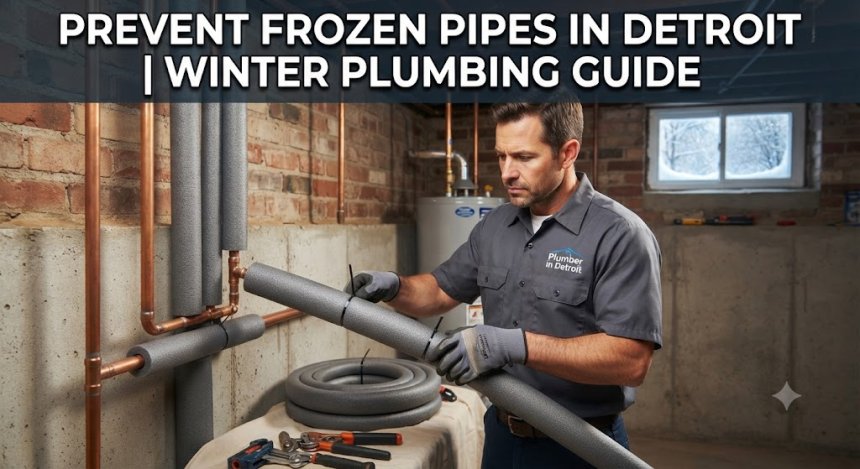
Insulate exposed lines: Wrap all pipes in unheated areas like crawlspaces, attics, and garages with foam insulation sleeves.
-
Disconnect garden hoses: Remove outdoor hoses, drain residual water, and shut off interior isolation valves before the first freeze.
-
Seal air leaks: Caulk cracks and gaps around exterior doors, windows, and dryer vents that draft onto pipes.
-
Open cabinet doors: Let warm indoor air circulate around kitchen and bathroom sinks situated on exterior walls during extreme cold.
-
Maintain steady heat: Keep your thermostat set to a consistent temperature day and night throughout winter months.
-
Let faucets drip: Allow a tiny trickle of water to run from vulnerable taps during severe sub-zero nights to relieve pressure.
-
Know your main shutoff: Clearly tag your main water valve so family members can act instantly in an emergency.
-
Install heat tape: Wrap vulnerable outdoor-facing pipe runs with certified electric heat cables for added thermal protection.
-
Close crawlspace vents: Shut foundation vents tightly before winter arrives to block freezing wind drafts.
-
Drain outdoor systems: Blow out and winterize in-ground irrigation systems and outdoor shower lines.
-
Monitor vacation properties: Keep heat active and arrange for regular checks if you travel during winter.
-
Upgrade poor insulation: Replace degraded fiberglass pipe wrap with thick, high-density rubber insulation.
-
Check garage temperatures: Ensure attached garages with plumbing remain above freezing.
-
Inspect utility rooms: Keep basement heating vents unobstructed to allow warm air circulation.
-
Schedule professional checkups: Have a licensed plumber evaluate your home's winter readiness every autumn.
When Should You Call an Emergency Plumber?
Certain winter plumbing emergencies require immediate professional dispatch to minimize structural devastation.
-
Burst pipes: Sudden mainline fractures flooding living areas require an immediate water shutdown and emergency repair.
-
Sewage backup: Frozen outdoor drains causing wastewater backups into living spaces demand urgent professional intervention.
-
No running water: Total loss of water supply during freezing weather indicates frozen main service entries.
-
Overflowing toilet: A toilet failing to drain during a freeze requires immediate professional clearing.
-
Gas line concerns: If you smell gas near gas-powered heating units, evacuate immediately and call emergency services.
-
Major water leaks: Uncontrolled spraying from thawed pipe splits threatens electrical systems and foundations.
-
Flooding: Rapid water accumulation in basements requires immediate extraction and emergency pipe stabilization.
Frequently Asked Questions
Why is my water pressure suddenly low?
Sudden pressure drops in winter are often caused by ice crystals partially blocking pipe interiors, a failing pressure-reducing valve, or a hidden leak from a stressed joint.
How much does leak detection cost?
Leak detection costs vary based on property size, accessibility, and the specialized acoustic equipment required. Contact our team for an upfront, transparent estimate.
Can a clogged drain damage pipes?
Yes. Severe clogs combined with freezing temperatures can cause trapped wastewater in traps to expand and crack drainage fittings.
Is hydro jetting safe for old pipes?
Professional plumbers inspect pipe integrity with a camera first; while safe for sound lines, brittle or frozen-damaged pipes require alternative restoration methods.
How do I know if my sewer line is broken?
Key indicators include multiple slow drains, foul sewage odors, gurgling toilets, and raw sewage backing up into basement floor drains during winter thaws.
How long do water heaters last?
Standard tank water heaters last 8 to 12 years, while tankless models operate for 15 to 20 years with annual flushing and maintenance.
Why does my faucet drip?
Dripping faucets stem from worn washers, O-rings, or valve seats, which can worsen under winter pressure fluctuations.
What causes pipes to burst?
Pipes burst when trapped water freezes, expands past material limits, and creates extreme internal hydrostatic pressure.
Can plumbing leaks increase my water bill?
Absolutely. Silent leaks and micro-fractures from winter freezing waste thousands of gallons monthly, driving up utility bills.
When should I replace plumbing instead of repairing it?
If aging pipes suffer from chronic winter freezing and recurrent splits, whole-house repiping or modern PEX retrofitting is more cost-effective.
Why Choose Plumber in Detroit
Plumber in Detroit delivers dependable, high-quality plumbing solutions backed by years of hands-on local experience.
-
Experienced licensed plumbers: Our technicians are fully certified, insured, and thoroughly trained in winter emergency repairs.
-
Honest recommendations: We provide straightforward advice focused on protecting your home without unnecessary upsells.
-
Upfront estimates: You receive clear, itemized pricing before work begins so you never encounter hidden fees.
-
Fast response: We respect your time and respond promptly to urgent service calls across the Detroit area.
-
Emergency availability: Our team remains on standby 24/7 to handle critical winter plumbing failures.
-
Quality workmanship: We stand behind our repairs with rigorous testing and industry best practices.
-
Modern equipment: We utilize state-of-the-art diagnostic cameras, acoustic detectors, and thawing gear.
-
Customer satisfaction: We prioritize clear communication, clean workspaces, and courteous service on every job.
-
Local expertise: We understand the unique challenges posed by Detroit's historic infrastructure and freezing Midwest winters.