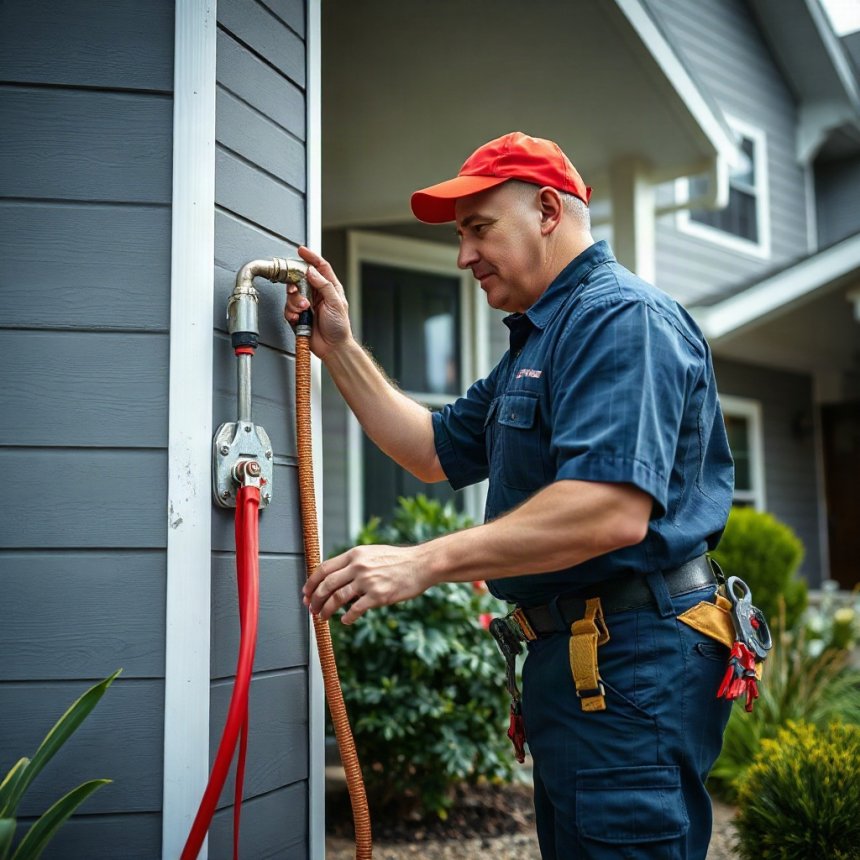
Why Older Detroit Homes Experience Low Water Pressure & How to Fix It
Struggling with low water pressure in your older Detroit home? Learn common causes like galvanized pipe corrosion, mineral buildup, and pressure regulator issues.


NEED A PLUMBER?
Fast & Local Plumbing Services
Leaks • Clogged Drains • Burst Pipes • Water Heaters • Emergency Plumbing
NEED A PLUMBER?
Fast & Local Plumbing Services
Leaks • Clogged Drains • Burst Pipes • Water Heaters • Emergency Plumbing
Understanding Low Water Pressure in Detroit’s Historic Neighborhoods
Homeownership in Detroit comes with incredible architectural character, from classic American Foursquares in the historic districts to charming mid-century bungalows across the city. However, these older properties often share a common plumbing frustration: weak water pressure at the taps, showers, and kitchen sinks.
When you turn on a faucet and experience a disappointing trickle instead of a steady stream, it is more than just an inconvenience—it can point to underlying material deterioration within your plumbing infrastructure. As a plumber working across Detroit, I frequently help homeowners diagnose why their vintage water supply lines are struggling to keep up with modern household demands.
Common Culprits Behind Low Water Pressure in Historic Houses
Before attempting any repairs, it helps to understand why historic Detroit homes lose water pressure over time. Unlike newer construction featuring modern PEX or copper plumbing, older houses were built using materials that degrade from the inside out.
1. Galvanized Steel Pipe Corrosion
Many homes built before the mid-20th century in Detroit were originally plumbed with galvanized steel pipes. Over decades of service, zinc coatings erode, and iron buildup accumulates internally. This mineral scaling drastically narrows the inner diameter of the pipe, severely restricting the volume and pressure of water that can pass through. If your home still has original galvanized supply lines, this is almost always the primary source of low pressure.
2. Local Municipal Supply Fluctuations
Detroit’s municipal water system services thousands of miles of aging water mains. While the Detroit Water and Sewerage Department (DWSD) maintains the city infrastructure, temporary main breaks, maintenance, or high municipal demand during peak summer months can cause noticeable drops in incoming street pressure before the water even reaches your property line.
3. Faulty Pressure Reducing Valves (PRV)
Many properties feature a Pressure Reducing Valve where the main water line enters the home. Over 10 to 15 years, the internal spring and diaphragm inside a PRV can fail or become caked with mineral deposits. When this happens, the valve may become stuck in a restricted position, cutting off the normal flow of water into your household plumbing system.
4. Mineral Buildup in Fixtures and Aerators
Sometimes, the issue is entirely localized. Hard water minerals can deposit calcium and lime inside showerheads and faucet aerators. Over time, these crusty deposits block the tiny exit holes, creating the illusion of a whole-house water pressure problem when it is actually just a surface-level obstruction.
How to Diagnose the Source of the Problem
Pinpointing whether your low water pressure is isolated or systemic requires a systematic check:
- Check Multiple Fixtures: Turn on a single bathroom sink, then walk to the kitchen and turn on another faucet. If the pressure drops dramatically at the second fixture, your main supply or pipe capacity is restricted.
- Examine the Main Shut-Off Valve: Ensure your main water shut-off valve is fully open. Sometimes, after municipal work or internal repairs, a valve is left partially closed, choking the flow.
- Inspect Aerators: Unscrew the aerator screen at the tip of your kitchen or bathroom faucet. If you find mineral debris trapped inside, clean it out and test the flow again.
Remediation and Long-Term Solutions
Fixing weak water pressure depends entirely on the root cause discovered during your diagnosis. Simple fixes like soaking clogged aerators in vinegar take only minutes. However, if your issue stems from aging infrastructure, more intensive work may be required.
For homes with severely corroded galvanized steel piping, whole-house repiping using modern materials like copper or cross-linked polyethylene (PEX) is often the definitive long-term solution. Replacing old galvanized runs restores full flow capacity, eliminates discolored water, and modernizes your entire plumbing system.
If you suspect a failing PRV or main line restriction, having a licensed Detroit plumber test your PSI with a pressure gauge attached to an outdoor hose bibb can provide exact measurements and confirm whether your pressure regulator needs replacement.