Sewer Backup Emergency Detroit MI | Plumber in Detroit
What to do when your sewer backs up in Detroit, MI. Learn emergency steps, warning signs, clearing costs, and when to call a licensed plumber.

NEED A PLUMBER?
Fast & Local Plumbing Services
Leaks • Clogged Drains • Burst Pipes • Water Heaters • Emergency Plumbing
NEED A PLUMBER?
Fast & Local Plumbing Services
Leaks • Clogged Drains • Burst Pipes • Water Heaters • Emergency Plumbing
What to Do When Your Sewer Backs Up in Detroit, MI: Emergency Guidehttps://plumberindetroit.com
Introduction
Discovering raw wastewater bubbling up from your basement floor drain or overflowing toilets is one of the most stressful experiences a property owner can face. A sewer backup is a critical plumbing emergency that not only disrupts daily life but also creates severe health hazards due to exposure to biological contaminants. Property owners across Detroit, MI, and surrounding Wayne County communities—from downtown lofts and historic neighborhoods like Corktown to suburban homes in Dearborn and Hamtramck—frequently encounter sewer line complications driven by aging municipal infrastructure, seasonal weather shifts, and mature urban tree growth.
When a backup occurs, knowing the right immediate actions to take can protect your health, minimize structural property damage, and speed up professional remediation. This guide breaks down everything Detroit homeowners need to know when facing a sewer backup.
What Is a Sewer Backup?
A sewer backup occurs when wastewater from the main municipal sewer system or your private lateral line cannot flow away from your property properly, causing it to reverse flow and emerge through household plumbing fixtures, floor drains, and basement cleanouts.
Common Situations
-
Heavy Rainstorms: Intense downpours overwhelming combined municipal storm and sanitary sewer systems in older sections of Detroit.
-
Main Line Obstructions: Complete blockages caused by tree roots, grease buildup, or collapsed pipe sections in the lateral line leading to the street.
-
Simultaneous Fixture Backups: Multiple drains—such as toilets, showers, and sinks—gurgling or backing up at the same time.
Symptoms & Triggers
Common symptoms include foul sulfur odors rising from drains, slow-draining tubs or sinks throughout the house, gurgling sounds when appliances discharge water, and standing gray water or sewage pooling around basement floor drains.
Why Does This Plumbing Problem Happen?
Sewer backups in Detroit stem from a combination of structural aging, environmental factors, and everyday misuse. The primary causes include:
-
Aging Infrastructure & Clay Pipes: Many historic Detroit properties feature decades-old clay or cast-iron sewer laterals that crack, sag, or shift over time.
-
Tree Root Intrusion: Aggressive urban tree roots penetrate microscopic cracks in underground lateral pipes, expanding and creating massive blockages.
-
Grease and Fat Accumulation: Pouring cooking oils and grease down kitchen sinks causes congealed buildup that traps solid waste.
-
Flushing Non-Flushable Items: Wipes, paper towels, feminine hygiene products, and cotton swabs do not break down and form unbreakable clogs.
-
Combined Sewer Surges: Heavy rainfall across Wayne County can overload municipal mains, pushing water back into residential connections.
-
Structural Pipe Collapses: Earth movement, heavy vehicle traffic, or soil settling can crush underground sewer lines entirely.
Signs You Should Never Ignore
Recognizing early warning signs can prevent a messy, catastrophic wastewater backup inside your living space. Watch closely for:
-
Slow Draining Fixtures: Water taking too long to empty in sinks, showers, or tubs across multiple rooms.
-
Foul Sewage Odors: Persistent bad smells originating from floor drains, basements, or outdoor yard traps.
-
Gurgling Drains: Bubbling sounds when washing machines spin or toilets flush, indicating trapped air in the sewer line.
-
Multiple Backups at Once: Sinks overflowing when you flush a toilet or run the washing machine.
-
Lush Green Patches in the Yard: Unusually damp, green grass above your underground sewer line during dry periods.
-
Water Stains or Damp Foundation Walls: Signs of previous seepage or slow structural backing.
Common Plumbing Problems Related to This Issue
Sewer backups often coincide with or result from related plumbing and structural issues:
-
Main Drain Line Blockages: Severe restrictions requiring heavy mechanical cabling or hydro jetting.
-
Broken or Collapsed Lateral Pipes: Structural failures requiring trenchless lining or excavation.
-
Fixture and Flooring Damage: Subflooring rot, ruined drywall, and damaged personal items in finished basements.
-
Water Heater Contamination: Floodwaters reaching burner assemblies or electrical controls.
-
Sump Pump Overload: Drainage systems struggling to keep up with incoming water volume.
Step-by-Step Professional Repair Process
When you hire a licensed plumbing team in Detroit to handle a sewer backup, they execute a rigorous, methodical remediation process:
-
Step 1: Inspection: Using specialized exterior and interior entry points to evaluate the scale of the backup.
-
Step 2: Diagnosis: Deploying high-resolution drain cameras to identify whether the issue stems from roots, grease, scale, or a structural pipe collapse.
-
Step 3: Estimate: Providing a transparent, upfront written estimate detailing the clearing method, repair scope, and sanitization recommendations.
-
Step 4: Repair: Clearing the blockage using professional motorized augers or high-pressure hydro jetting, or executing structural pipe repairs if damaged.
-
Step 5: Testing: Running water cycles and conducting a post-cleaning camera inspection to ensure free-flowing lines.
-
Step 6: Cleanup: Advising on professional sanitization protocols and helping clear away immediate physical debris.
-
Step 7: Maintenance Advice: Offering guidance on rooter foaming, backflow prevention valves, and smart usage habits.
Can You Fix It Yourself?
While minor fixture clogs can be tackled safely at home, a true sewer backup is hazardous and demands professional intervention.
-
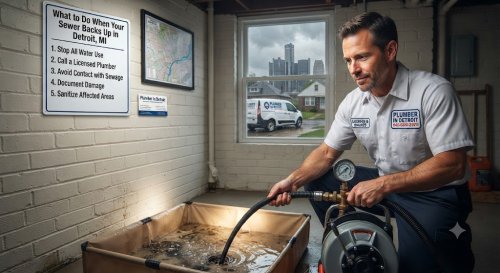
Safe DIY Solutions: Immediately stopping the use of all water fixtures, washing machines, and toilets to prevent further indoor flooding.
-
Temporary Fixes: Wearing protective gloves and eyewear to wipe up minor surface moisture with disinfectant while waiting for professionals.
-
When DIY Becomes Dangerous: Attempting to clear main sewer line blocks with consumer drain chemicals (which can splash back dangerously) or renting heavy commercial augers without experience.
-
When Professional Plumbing is Necessary: Any raw sewage backup, multi-fixture drainage failure, or structural pipe break requires licensed expertise and specialized safety gear.
Tools Professionals Use
Licensed plumbers utilize advanced technology to diagnose and resolve sewer backups safely and accurately:
-
Sewer Inspection Cameras: Push-rod waterproof cameras that travel down lateral lines to display exact blockages and pipe cracks on a monitor.
-
Hydro Jetting Systems: High-pressure water blasters (up to 4,000 PSI) that scour grease, sludge, and tree roots completely from pipe walls.
-
Heavy-Duty Motorized Augers (Snake Machines): Powerful cutting blades that slice through tough root masses and hard obstructions.
-
Electronic Pipe Locators: Transmitters that pinpoint the exact depth and surface location of underground sewer line damage.
-
Trenchless Pipe Lining Equipment: Allows plumbers to rehabilitate broken sewer lines from the inside without digging up landscaping or driveways.
How Long Does the Repair Usually Take?
Repair and clearing times depend on the severity of the obstruction:
-
Simple Blockage Clearing (e.g., standard rooter snaking): 1 to 2 hours.
-
Moderate Hydro Jetting and Debris Scouring: 2 to 4 hours.
-
Major Structural Repairs (e.g., trenchless lining or spot excavation of a collapsed lateral): 1 to 3 days.
-
Emergency Response: Rapid on-site dispatch within 60 to 90 minutes across the Detroit area.
Cost Factors
Plumbing repair costs vary based on several critical variables:
-
Diagnostic Fees: Service call charges to assess backup severity and run diagnostic cameras.
-
Clearing Method: Standard snaking versus intensive hydro jetting or chemical root treatments.
-
Labor Rates: Time required to access, clear, or reconstruct damaged underground lines.
-
Emergency Service Charges: Premium rates for after-hours, weekend, or holiday callouts.
-
Accessibility of Pipes: Deeply buried lines or obstructions beneath concrete slabs require specialized labor.
-
Permit Costs: Required by local municipalities for major sewer line replacements.
-
Repair vs. Replacement: Spot repairs versus full lateral replacements.
Plumbing repair costs vary depending on the severity of the problem, accessibility, materials required, emergency service, property type, and local labor rates.
Hidden Truths Homeowners Should Know
-
Small Leaks Become Expensive Repairs: A slow-draining sewer line is an early warning of an imminent full backup.
-
Cheap Temporary Fixes Often Fail: Chemical root killers cannot dissolve major physical obstructions or structural breaks.
-
Insurance May Not Cover Neglected Plumbing: Standard homeowner policies often exclude flood damage caused by sewer backups unless a specific endorsement is added.
-
Tree Root Intrusion Recurs: Mechanical root cutting is temporary; roots will grow back unless rooter foam or trenchless lining is applied.
-
Hard Water Shortens Lifespan: Mineral scaling inside drain pipes narrows flow channels over time.
-
DIY Mistakes Increase Costs: Improper auger use can punch holes through fragile historic cast-iron or clay pipes.
-
Delaying Repairs Causes Structural Damage: Standing sewage rots wooden framing, subfloors, and drywall rapidly.
-
Mold Develops Quickly: Biological contamination and dampness foster hazardous mold growth within 24 to 48 hours.
-
Annual Maintenance Saves Money: Routine camera inspections catch tree root infiltration before backups occur.
-
City vs. Private Responsibility: Homeowners are typically responsible for the lateral line running from the house to the municipal main in the street.
15 Common Mistakes Homeowners Make
-
Continuing to Use Water During a Backup: Forcing more wastewater into an already overwhelmed system.
-
Using Chemical Drain Cleaners on Main Backups: Pouring caustic liquids that can splash back from overflowing floor drains.
-
Flushing "Flushable" Wipes: Assuming wipes labeled flushable disintegrate safely in older sewer lines.
-
Pouring Grease Down Drains: Allowing fats to congeal and trap solid waste in lateral pipes.
-
Ignoring Slow Drains: Waiting until a complete sewage backup floods the basement.
-
Hiring Unlicensed Handymen: Risking improper code compliance and uninsured workmanship on sewer lines.
-
Skipping Annual Camera Inspections: Failing to monitor tree root growth in older neighborhoods.
-
Waiting Until Emergencies Strike: Forgoing preventative maintenance.
-
Using Incorrect Replacement Materials: Installing non-compliant pipe grades for underground repairs.
-
Over-Tightening Cleanout Plugs: Stripping threads on basement sewer access ports.
-
Not Knowing Main Cleanout Location: Wasting precious time during an emergency overflow.
-
Forgetting Backflow Preventers: Failing to install check valves in flood-prone basements.
-
Ignoring Sump Pump Maintenance: Allowing pit overflows during heavy storms.
-
Disposing Paint or Construction Debris in Drains: Cementing solid blocks inside sewer lines.
-
Failing to Request Written Estimates: Accepting ambiguous verbal quotes during stress.
Maintenance Tips
Protect your Detroit property from sewer backups with these practical maintenance tips:
-
Watch What You Flush: Only human waste and toilet paper should ever be flushed down toilets.
-
Keep Grease Out of Drains: Collect cooking oil in containers and dispose of it in the trash instead of the sink.
-
Install a Backflow Preventer: Ask a licensed plumber about installing a check valve to stop municipal water from reversing into your home.
-
Schedule Annual Camera Inspections: Have a professional inspect your sewer lateral, especially if mature trees are nearby.
-
Clear Tree Roots Proactively: Use approved root-inhibiting treatments to keep aggressive roots at bay.
-
Test Sump Pumps Quarterly: Ensure your basement pit pumps effectively before heavy spring rains arrive in Wayne County.
-
Inspect Downspouts and Gutters: Divert rainwater far away from your home's foundation and sewer connections.
-
Clean Hair Traps: Use mesh screens in showers and tubs to prevent hair clogs from reaching main lines.
-
Avoid Chemical Cleaners: Opt for mechanical snaking or enzymatic cleaners to protect pipe walls.
-
Know Your Cleanout Location: Keep your main sewer cleanout easily accessible and unblocked by storage.
-
Service Garbage Disposals Wisely: Avoid grinding fibrous vegetables, coffee grounds, and pasta in disposals.
-
Protect Pipes in Winter: Insulate vulnerable basement lines against freezing temperatures.
-
Monitor Water Bills: Watch for unexplained usage shifts that suggest hidden leaks.
-
Hire Licensed Professionals: Always work with certified plumbers for underground line modifications.
-
Keep Emergency Contacts Ready: Save a trusted local plumber on your phone for rapid response.
When Should You Call an Emergency Plumber?
Immediate 24/7 professional intervention is mandatory in these critical situations:
-
Raw Sewage Backing Up: Wastewater emerging from floor drains, toilets, or tubs into living spaces.
-
Multiple Clogged Fixtures: Total drainage failure across multiple bathrooms or kitchen sinks.
-
Foul Odors Combined with Slow Drains: Unmistakable signs of a main sewer lateral collapse or severe blockage.
-
Burst Pipes: Rapid internal flooding threatening structural components.
-
No Running Water: Complete loss of water supply to the property.
-
Major Plumbing Flooding: Uncontrolled water accumulation requiring immediate emergency shutoff and extraction guidance.
Frequently Asked Questions
Why is my water pressure suddenly low?
Sudden low water pressure is typically caused by a partially closed main shut-off valve, a failing pressure-reducing valve (PRV), municipal main repairs, or a hidden supply pipe leak.
How much does leak detection cost?
Leak detection costs vary based on the complexity of the property and whether advanced acoustic, thermal, or pressure testing equipment is required to locate hidden leaks.
Can a clogged drain damage pipes?
Yes. Standing pressure, corrosive organic matter, and harsh chemical drain cleaners can crack, weaken, or rupture older pipe walls over time.
Is hydro jetting safe for old pipes?
Hydro jetting requires professional evaluation; while excellent for durable lines, high-pressure water can damage fragile, heavily corroded, or root-damaged historic pipes common in older homes.
How do I know if my sewer line is broken?
Common signs include multiple clogged fixtures simultaneously, sewage backing up into floor drains, foul odors in the yard, and lush green patches above the underground sewer line.
How long do water heaters last?
Standard tank water heaters typically last between 8 to 12 years, while tankless water systems can operate efficiently for 20 years or more with proper annual flushing.
Why does my faucet drip?
A dripping faucet is usually caused by a worn-out rubber washer, O-ring, or degraded valve cartridge inside the handle assembly.
What causes pipes to burst?
Pipes burst most frequently when trapped water freezes, expands, and exerts immense outward pressure on pipe walls during sub-zero winter weather.
Can plumbing leaks increase my water bill?
Absolutely. Even a minor pipe drip or running toilet can waste hundreds of gallons of water daily, reflecting dramatically higher utility bills.
When should I replace plumbing instead of repairing it?
If your plumbing system experiences frequent leaks, features outdated lead, galvanized, or damaged clay materials, a full replacement or repipe is more cost-effective than endless spot repairs.
Why Choose Plumber in Detroit
When a sewer backup or plumbing emergency strikes your Detroit property, you need a trusted local team you can count on day or night. Here is why homeowners and businesses across Wayne County choose Plumber in Detroit:
-
Experienced Licensed Plumbers: Highly trained professionals equipped to handle complex residential and commercial sewer emergencies.
-
Honest Recommendations: Straightforward advice focused on permanent safety and structural health rather than temporary patch-ups.
-
Upfront Estimates: Clear, transparent pricing provided before any repair or clearing work begins.
-
Fast Response Times: Rapid emergency dispatch across Detroit and surrounding neighborhoods.
-
Emergency Availability: Ready 24/7 when urgent plumbing crises strike unexpectedly.
-
Quality Workmanship: Strict adherence to local Michigan plumbing codes and industry best practices.
-
Modern Equipment: Utilizing advanced sewer cameras, hydro jetting machines, and trenchless technology.
-
Customer Satisfaction: Dedicated to exceptional service, clear communication, and a respected local reputation.
Contact Plumber in Detroit today at