Why Older Detroit Homes Suffer From Low Water Pressure
Discover the main causes of low water pressure in older Detroit houses, from mineral-clogged galvanized pipes to municipal supply issues, and learn how to diagnose them.

NEED A PLUMBER?
Fast & Local Plumbing Services
Leaks • Clogged Drains • Burst Pipes • Water Heaters • Emergency Plumbing
NEED A PLUMBER?
Fast & Local Plumbing Services
Leaks • Clogged Drains • Burst Pipes • Water Heaters • Emergency Plumbing
Understanding Low Water Pressure in Detroit's Historic Housing Stock
Detroit is home to incredible architectural history, featuring gorgeous historic properties across neighborhoods from Corktown to the Boston-Edison district. However, many of these classic houses still rely on original or partially outdated plumbing infrastructure. When homeowners experience a frustrating trickle instead of a strong stream from their showerheads or kitchen faucets, it is rarely a random occurrence. In older Detroit residences, low water pressure is usually a symptom of deeper systemic plumbing issues.
As a plumbing professional working throughout the local area, I frequently get calls from residents dealing with sudden or gradual drops in water pressure. While modern homes with PEX or copper supply lines rarely face these specific structural hurdles, older properties require a specialized diagnostic approach to uncover why water delivery is slowing down.
Common Culprits Behind Decreasing Water Flow
Pinpointing the exact cause of restricted water volume requires looking at both the internal plumbing network of the house and the external municipal connection supplied by the Detroit Water and Sewerage Department (DWSD).
Galvanized Steel Pipe Corrosion
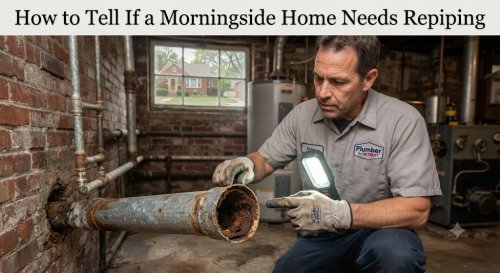
The single most frequent cause of low water pressure in older Detroit homes is the presence of legacy galvanized steel supply pipes. Installed decades ago, these pipes are susceptible to internal mineral buildup and rust accumulation over time. As iron oxide flakes off and mineral deposits constrict the interior diameter of the pipe, water flow becomes severely choked. If you turn on multiple fixtures simultaneously and notice a drastic drop across the house, corroded galvanized pipes are often the primary suspect.
Closed Main Shutoff Valves and Faulty Pressure Regulators
Sometimes the issue is mechanical rather than structural. If recent plumbing maintenance was performed, the main water shutoff valve might not have been fully reopened. Additionally, many homes utilize a pressure-reducing valve (PRV) designed to protect indoor fixtures from high municipal water pressure. When a PRV fails internally, it can restrict water flow entirely, causing weak pressure at every tap.
Mineral Scale Buildup on Fixture Aerators
Not all low-pressure issues originate deep within the walls. Hard water is a known reality throughout Southeast Michigan. Over the years, calcium and magnesium minerals precipitate out of the water supply, clogging aerators on kitchen and bathroom faucets, as well as showerhead nozzles. This localized restriction mimics whole-home water pressure loss when it is actually just a surface-level blockage.
Differentiating Between Single-Fixture and Whole-House Issues
An important diagnostic step is determining whether the pressure drop affects just one area or the entire property.
- Single-Fixture Problem: If only one faucet or shower lacks pressure, check the individual shutoff valve under the sink or clean the aerator screen. The issue is isolated to that specific line or fixture.
- Whole-House Problem: If hot and cold water across multiple floors experience low flow simultaneously, the restriction is likely happening at the main service line, the water meter, the PRV, or through deteriorated galvanized supply piping.
Diagnostic Considerations and Professional Evaluation
Diagnosing pressure issues in historic homes requires careful inspection. Plumbers use specialized gauges to test static and dynamic water pressure at an outdoor hose bib or laundry sink. Measuring pressure while running multiple fixtures reveals how the system handles demand. If municipal pressure coming off the street is strong, but indoor flow collapses under demand, interior pipe replacement or targeted repiping may be necessary to restore adequate flow.
Preventative Maintenance and Long-Term Solutions
While you cannot reverse internal pipe corrosion, proactive property management helps mitigate sudden plumbing failures:
- Periodically unscrew and soak faucet aerators in a vinegar solution to dissolve mineral scale.
- Locate and test your main water shutoff valve annually to ensure it operates smoothly.
- Schedule routine plumbing inspections if your home still utilizes original galvanized supply lines.
- Monitor your water bills and meter for unusual fluctuations that might indicate hidden leaks contributing to pressure loss.
By understanding the unique plumbing characteristics of older Detroit properties, homeowners can take informed steps toward maintaining reliable water pressure and preserving their home's plumbing infrastructure for years to come.
Frequently Asked Questions About Low Water Pressure
Why is my water pressure suddenly lower than it was yesterday?
A sudden drop often points to a partially closed main valve, a newly developed leak in the supply line, or municipal repair work happening nearby in your Detroit neighborhood. If the drop is gradual, it is more typically related to pipe scale accumulation or failing pressure regulators.
Are older Detroit neighborhoods prone to municipal water pressure issues?
Municipal infrastructure varies by neighborhood. While DWSD maintains main lines, older service connections running from the street to private properties can accumulate debris or experience partial blockages, impacting the volume of water delivered to the home.
Can I replace galvanized pipes myself to fix low water pressure?
Replacing whole-house galvanized supply lines involves cutting into walls, working with main water connections, and soldering or pressing new copper or PEX piping. Because this requires specialized tools and adherence to local plumbing codes, it is generally handled by professional Detroit plumbers.