How to Thaw Frozen Pipes Safely in Detroit Homes
Learn how to safely thaw frozen water pipes in your Detroit home before they burst. Expert advice from a local plumber on safe DIY steps and when to call help.

NEED A PLUMBER?
Fast & Local Plumbing Services
Leaks • Clogged Drains • Burst Pipes • Water Heaters • Emergency Plumbing
NEED A PLUMBER?
Fast & Local Plumbing Services
Leaks • Clogged Drains • Burst Pipes • Water Heaters • Emergency Plumbing
When sub-zero temperatures hit Wayne County, local homeowners often face one of winter's most stressful plumbing emergencies: frozen water pipes. As a plumber working in Detroit for two decades, I have seen firsthand how quickly a routine winter cold snap can turn into an indoor flood if a frozen pipe bursts.
Understanding how to locate a frozen line and thaw it out safely can prevent extensive water damage to your property. Here is a practical, safety-first guide on how to handle frozen pipes in Detroit residential and commercial buildings.
Recognizing the Warning Signs of Frozen Pipes
Before you can thaw a pipe, you need to know where the problem is. Not all frozen pipes are visible; many run through exterior walls, unheated crawlspaces, basements, or near drafty foundation vents common in older Detroit housing stock.
- A sudden drop in water pressure: If only a trickle comes out of a faucet when you turn it on, the supply line feeding that fixture may be blocked by ice.
- Frost on exposed pipes: Copper or galvanized steel pipes covered in a layer of frost or condensation are prime candidates for freezing.
- Unpleasant odors: Sometimes, frozen waste or drain lines can produce strange smells if venting is blocked by frost accumulation.
- Complete lack of water: Turning on a kitchen or bathroom faucet and getting zero output is a definitive sign of a solid ice blockage.
Immediate Safety Steps Before Thawing
Safety is the top priority when dealing with frozen plumbing. Before attempting any DIY thawing methods, keep these critical rules in mind:
- Locate your main water shut-off valve: Know where your main water shut-off is located (usually in the basement or utility room near the water meter) so you can turn off the water immediately if the pipe has already cracked and starts leaking when it thaws.
- Leave the affected faucet open: Open the tap connected to the frozen pipe. As the ice begins to melt, the escaping steam and running water will help clear the blockage and relieve internal pressure.
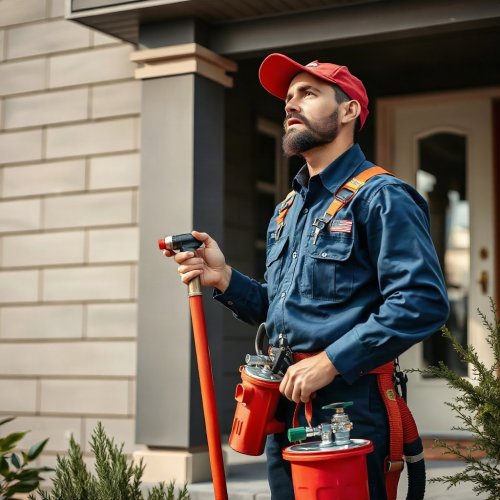
- Never use open flames: Avoid torches, propane tanks, or any open flame device to thaw pipes. This is a severe fire hazard, especially in older homes with dry wooden framing.
Safe Methods to Thaw Frozen Pipes
Once you have located the frozen section and taken safety precautions, you can use controlled, gentle heat sources to restore water flow.
Using an Electric Hair Dryer or Heat Gun
An ordinary household hair dryer is one of the safest tools for thawing accessible pipes. Start warming the pipe closest to the faucet and slowly work your way back toward the cold zone. This ensures that melted water always has an open path to escape out of the faucet.
Applying Warm Towels
Soaking thick towels in hot water, wringing them out, and wrapping them around the frozen pipe section is another safe, effective method. Reheat the towels in hot water as they cool down until the ice blockage breaks free.
Electrical Heating Tape
For pipes located in vulnerable spots like crawlspaces or exterior walls, wrapping the pipe with UL-listed electric heating tape can safely thaw the line and prevent future freezing episodes.
When to Call a Professional Detroit Plumber
Not every frozen pipe situation can be safely resolved with a hair dryer or warm towels. You should contact a licensed professional for assistance if:
- The frozen pipe is located inside an enclosed wall cavity, concrete floor, or ceiling where you cannot safely apply external heat without structural damage.
- You cannot locate your main water shut-off valve, or the valve is rusted and will not close completely.
- The pipe has already split, cracked, or burst, requiring immediate pipe repair or replacement.
Preventing Future Pipe Freezing in Detroit
Preventative maintenance is the best defense against winter plumbing failures. Insulate exposed pipes in unheated areas using foam pipe sleeves. Keep garage doors closed if there are water supply lines running nearby, and on severely cold nights, let a small trickle of water run from vulnerable faucets to keep the water moving continuously.