Drain Cleaning Cost Detroit MI | Pricing & Hiring Guide
How much does drain cleaning cost in Detroit, MI? Learn pricing factors for snaking and hydro jetting, warning signs of clogs, and when to call a pro.
NEED A PLUMBER?
Fast & Local Plumbing Services
Leaks • Clogged Drains • Burst Pipes • Water Heaters • Emergency Plumbing
NEED A PLUMBER?
Fast & Local Plumbing Services
Leaks • Clogged Drains • Burst Pipes • Water Heaters • Emergency Plumbing
How Much Does Drain Cleaning Cost in Detroit, MI? Pricing & Hiring Guide
Introduction
Dealing with a clogged drain in your home or business is rarely convenient. Whether you are waking up to a shower that won’t empty in your historic Boston-Edison home, facing a perpetually backed-up kitchen sink in a Midtown loft, or managing a commercial plumbing emergency in downtown Detroit, a slow or blocked drain disrupts your daily life and signals a potential plumbing failure.
Homeowners and business owners across Detroit, MI, frequently search for local drain cleaning costs because understanding what to expect financially removes the stress of hiring a professional. Plumbing systems in Motor City face unique challenges, from aging infrastructure in older neighborhoods to freezing winters that threaten vulnerable pipes. Knowing the factors that influence pricing helps you budget wisely, avoid predatory pricing, and make informed decisions before calling a licensed professional plumber.
What Is Professional Drain Cleaning?
Professional drain cleaning is the process of removing stubborn blockages, buildup, and debris from your home’s wastewater plumbing system using specialized equipment handled by licensed technicians. It goes far beyond what store-bought chemical cleaners or standard consumer plungers can achieve.
Common Situations
-
Emergency Clogs: Sudden, total blockage in a main sewer line causing wastewater to back up into the basement.
-
Recurring Slow Drains: Sinks, bathtubs, or laundry basins that drain sluggishly despite repeated DIY attempts.
-
Foul Odors: Persistent sewer smells rising from drains, indicating trapped organic matter or venting issues.
Symptoms & Triggers
Property owners typically seek professional help when they notice water pooling around basement floor drains when the washing machine runs, multiple fixtures backing up simultaneously, or loud gurgling sounds coming from pipes.
Why Does This Plumbing Problem Happen?
Persistent and recurring drain clogs in Detroit typically stem from a combination of environmental factors, material degradation, and daily usage habits. The most common causes include:
-
Aging Infrastructure: Many homes in Detroit and surrounding Wayne County communities—such as Grosse Pointe, Dearborn, and Hamtramck—feature older plumbing systems. Galvanized steel or cast-iron pipes corrode internally, creating rough surfaces that catch debris, soap scum, and hair, leading to inevitable clogs.
-
Tree Root Intrusion: This is perhaps the most common cause of main sewer line clogs in older Detroit neighborhoods with mature trees. Tree roots seek out moisture sources underground. They can infiltrate microscopic cracks or joints in older clay or concrete sewer pipes, grow inside the pipe, and create massive blockages.
-
Improper Waste Disposal (The "Flushable" Wipes Myth): Even products labeled "flushable" frequently fail to break down in sewer systems. Flushing wipes, paper towels, feminine hygiene products, and excessive toilet paper creates impenetrable clogs. In the kitchen, pouring grease, fat, and oil down the garbage disposal is a primary cause of sink line clogs as the substance solidifies in the cooler pipes.
-
Hard Water Mineral Buildup: Southeast Michigan is known for hard water. High mineral content (calcium and magnesium) leads to scale buildup inside pipes. This reduces the pipe's diameter over time, restricting water flow and making it easier for other debris to get stuck.
Signs You Should Never Ignore
Ignoring early warning signs almost always leads to a more expensive emergency plumbing situation later.
-
Slow Drains Throughout the House: If every sink and toilet in your home is draining slowly, the blockage is likely deep in the main sewer line, not an isolated fixture.
-
Water Stains or Damp Spots: Stains on basement walls or ceilings could indicate a leaking or backed-up sewer pipe hidden within the structure.
-
Sewage Odors: An unmistakable smell of raw sewage suggests a break or severe blockage in the main sewer line, requiring immediate professional attention.
-
Gurgling Sounds: Bubbling noises from drains when you flush the toilet or run a sink indicate trapped air and a struggling venting system or main line clog.
Common Plumbing Problems Related to This Issue
When a drain fails to clear, it often stresses other parts of your plumbing system, leading to related issues:
-
Pipe Leaks and Bursts: Pressure buildup behind a severe clog can cause older, weakened pipes to crack or burst completely.
-
Fixture Damage: Constant exposure to standing water can ruin vanity cabinets, flooring, and drywall.
-
Water Heater Failure: If a main line clog causes water to back up into the basement, it can submerge and damage the burner assembly or electrical components of your water heater.
-
Sewer Backups: The most severe consequence, where municipal wastewater or your own sewage flows back into your home through drains.
Step-by-Step Professional Drain Cleaning Process
When you hire a licensed plumbing team in Detroit to address clogged drains, they follow a systematic approach to ensure an accurate diagnosis and long-term fix:
-
Step 1: Inspection: The plumber arrives and discusses the history of the problem with you. They visually inspect the affected fixture and surrounding areas.
-
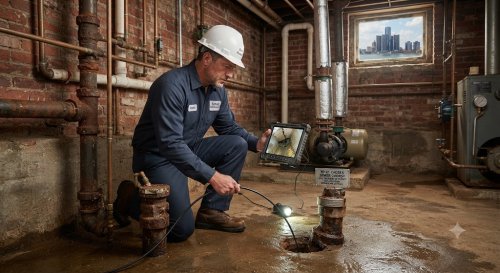
Step 2: Diagnosis (Sewer Camera Inspection): To determine the exact cause and location of the clog, the plumber will insert a specialized waterproof drain camera into the pipe. This live video feed allows them to see tree roots, grease buildup, cracks, or collapses without guessing.
-
Step 3: Estimate: Based on the camera findings, the plumber will provide a transparent, upfront written estimate for the recommended cleaning method (e.g., snaking or hydro jetting).
-
Step 4: Cleaning: The plumber performs the agreed-upon work, whether it’s mechanical snaking or high-pressure water jetting.
-
Step 5: Testing: After cleaning, the plumber will run water extensively through the system and perform a final camera inspection to verify the line is fully open and flowing correctly.
-
Step 6: Cleanup: The professional team will ensure the work area is clean and sanitized, removing any debris extracted from the drain.
-
Step 7: Maintenance Advice: The plumber will explain what caused the clog and offer specific maintenance tips to help you prevent it from happening again.
Can You Fix It Yourself?
Before calling a professional, homeowners can try some safe DIY methods. However, knowing when to stop is vital.
-
Safe DIY Solutions:
-
The Plunger: Effective for simple toilet, sink, and tub clogs. Ensure you have a good seal and use forceful, steady plunging motions.
-
Baking Soda and Vinegar: A natural, non-toxic method. Pour one cup of baking soda down the drain, followed by one cup of vinegar. Let it sit for 30 minutes, then flush with boiling water. This is sometimes helpful for minor soap scum or slow drains.
-
Manual Drain Snake (Zip-It Tool): For bathroom sink clogs caused by hair, a flexible plastic barbed tool can be very effective at hooking and pulling out the hair mass.
-
-
When DIY Becomes Dangerous:
-
Chemical Drain Cleaners: AVOID THESE. While convenient, caustic chemical cleaners generate immense heat that can damage older PVC pipes and corrode aging cast-iron pipes common in Detroit homes. They are ineffective against severe clogs (like tree roots) and are extremely hazardous if they splash onto skin or into eyes.
-
Renting Heavy Machinery: Renting a large motorized sewer auger without experience can be dangerous. The powerful spinning cable can injure you, damage pipes, or get stuck deep in the line.
-
-
When Professional Plumbing is Necessary:
-
Recurring clogs in multiple drains.
-
Clogs accompanied by sewage odors or basement flooding.
-
Slow drains that do not respond to plunging or natural cleaners.
-
Older homes (pre-1970s) where the integrity of the sewer line is unknown.
-
Tools Professionals Use
Licensed plumbers utilize advanced equipment designed to clear clogs safely and effectively without damaging your pipes:
-
Drain Inspection Cameras: Flexible, high-resolution cameras that navigate the interior of your sewer lines to pinpoint the exact cause of the blockage.
-
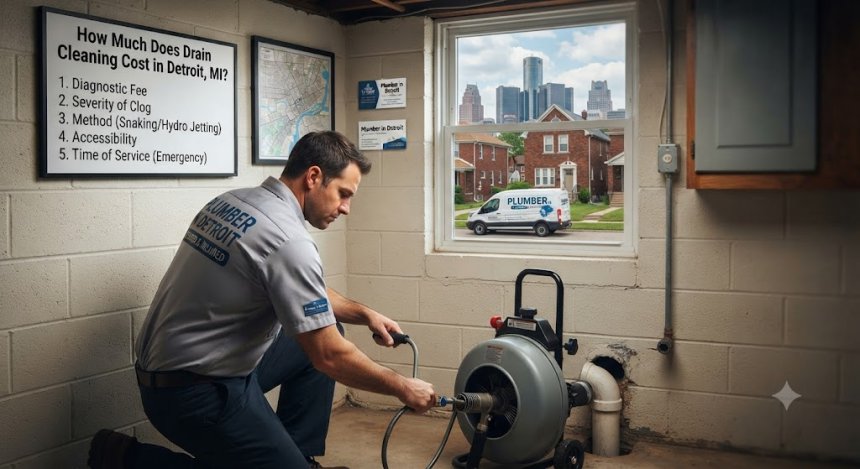
Professional Drain Augers (Snakes): Heavy-duty motorized machines with specialized cutting heads that can bore through tough tree roots and break up stubborn blockages deep in the main line.
-
Hydro Jetting Equipment: A powerful tool that uses high-pressure water (up to 4,000 PSI) to thoroughly scour pipe walls, blasting away grease, scale, and tree roots, leaving the pipe nearly as clean as new.
-
Pipe Locators: Radio transmitters attached to cameras or snakes that allow plumbers to pinpoint the exact location and depth of a problem area underground, ensuring accurate excavation if a repair is needed.
How Long Does Drain Cleaning Usually Take?
Repair timelines depend entirely on the severity of the clog and the accessibility of the pipe:
-
Simple Drain Cleaning (e.g., snaking a sink or toilet): 1 to 2 hours.
-
Main Line Clearing (e.g., snaking the sewer from a basement access): 2 to 3 hours.
-
Hydro Jetting Service: 2 to 4 hours.
-
Sewer Line Repair or Replacement: 1 to 3 days, depending on the length of the line, depth, and whether excavation is required (though trenchless options are often faster).
Cost Factors
Providing a fixed price for drain cleaning without diagnosis is impossible, as costs vary based on several factors:
-
Diagnostic Fees: A standard service call fee to assess the situation and often perform the initial camera inspection.
-
Time of Day: Emergency service calls on nights, weekends, or holidays typically have higher rates than standard business hours.
-
Severity and Location of the Clog: A simple sink clog is cheaper than a main line sewer clog located 50 feet from the house under a concrete patio.
-
Method of Cleaning: Standard snaking is less expensive than high-pressure hydro jetting, which requires specialized equipment and setup.
-
Condition of the Pipes: If the camera inspection reveals a collapsed or severely damaged pipe, the solution shifts from cleaning to repair or replacement, which has different cost structures.
-
Accessibility: Pipes located in tight crawlspaces, deep underground, or beneath finished basement floors require more labor to access.
Plumbing repair costs vary depending on the severity of the problem, accessibility, materials required, emergency service, property type, and local labor rates.
Hidden Truths Homeowners Should Know
-
Small Clogs Are Early Warnings: A recurring slow drain is rarely just "an old house thing." It is a signal that a blockage is developing that will inevitably become a full stoppage.
-
Chemical Cleaners Don't Solve Root Intrusions: Tree roots are organic blockages that keep growing. Caustic chemicals only burn a small hole through the center of the root mass, which quickly grows back, often stronger.
-
Sewer Lines Are Homeowner Responsibility: In Detroit, homeowners are responsible for the maintenance and repair of the entire sewer lateral line running from their house to the connection at the main city sewer line in the street.
-
Camera Inspections Save Money: A pre-emptive camera inspection can prevent a $15,000 emergency sewer replacement by identifying issues early.
-
Maintenance is Cheaper than Emergency Service: Annual or biennial drain cleaning, especially in homes with hard water or mature trees, is far less expensive than dealing with a basement full of sewage on a Saturday night.
-
Combined Sewers Impact Detroit: Many older parts of Detroit have combined sanitary and storm sewer systems. During heavy rainstorms, these systems can become overwhelmed, leading to water being pushed back into residential basements through floor drains, which may require the installation of a backflow preventer valve.
15 Common Mistakes Homeowners Make
-
Using Chemical Drain Cleaners: Corrodes pipes, hazardous to health, often ineffective.
-
Ignoring Slow Drains: Allows minor blockages to become major emergencies.
-
Flushing "Flushable" Wipes: Clogs older sewer lines and septic systems.
-
Pouring Grease Down the Drain: Solidifies and creates major blockages in sink lines.
-
Overloading the Garbage Disposal: Pushing too much food waste into pipes not designed to handle it.
-
Neglecting Outdoor Drain Maintenance: Allowing leaves and debris to clog basement window well drains and patio drains.
-
Planting Trees Near Sewer Lines: Aggressive roots will eventually infiltrate pipes.
-
Using the Wrong Plunger: Trying to use a sink plunger on a toilet (which requires a toilet plunger with an extended flange).
-
Forcing Stuck Fixture Handles: Breaking faucet cartridges and toilet flush levers by overtightening or forcing them.
-
Failing to Install Hair Catchers: Not using inexpensive screens in showers and tubs to catch hair.
-
Not Knowing Where the Main Shut-Off Valve is Located: Wasting time during a burst pipe emergency.
-
Using Chemical Cleaners on Septic Systems: Kills the beneficial bacteria needed for proper septic tank function.
-
Ignoring Water Pressure Problems: High water pressure can stress joints and contribute to premature pipe failure.
-
Skipping Professional Maintenance: Avoiding annual plumbing checkups.
-
Hiring Unlicensed or Uninsured Handymen for Plumbing: Risking code violations, poor workmanship, and liability in case of injury or property damage.
Maintenance Tips
Follow these practical tips to keep your drains flowing freely and prevent recurring clogs:
-
Be Mindful of What Goes Down the Toilet: Remember the 3 Ps: Pee, Poo, and (Toilet) Paper. Nothing else.
-
Dispose of Grease Properly: Never pour fats, oils, or grease down any drain. Let them cool in a container and dispose of them in the trash.
-
Use Hair Catchers: Install inexpensive mesh screens over all shower, tub, and bathroom sink drains. Clean them weekly.
-
Run Hot Water Weekly: Once a week, run a kettle of boiling water down kitchen drains to help dissolve any residual soap or grease.
-
Use Baking Soda and Vinegar Monthly: Perform the natural cleaning method described above once a month as a preventative measure for all drains.
-
Protect Outdoor Drains: Keep area drains, gutter downspouts, and window well drains clear of leaves and debris.
-
Schedule Professional Drain Cleaning: Have your main sewer line professionally cleaned (snaked or hydro jetted) every 1–3 years, especially if you have large trees or hard water.
-
Get a Sewer Camera Inspection When Buying a Home: Always include a sewer scope as part of your home inspection process for older Detroit properties.
-
Install a Water Softener: This addresses the root cause of mineral scale buildup in your pipes from Southeast Michigan's hard water.
-
Mind Your Garbage Disposal: Do not put fibrous vegetables (celery, onion skins), coffee grounds, eggshells, or pasta in the disposal. Always run cold water before, during, and after use.
-
Keep Sewer Cleanout Accessible: Ensure your main basement sewer cleanout is always visible and not blocked by boxes or furniture.
-
Install a Backflow Preventer: In flood-prone basement areas, ask a plumber about installing a backflow valve to prevent city sewage from backing up into your home.
-
Consider Trenchless Sewer Lining: If you need sewer repair due to recurring root intrusion or breaks, ask a licensed plumber about trenchless options to save your landscaping.
-
Educate Your Family: Make sure everyone in the household understands what can and cannot be flushed or poured down drains.
-
Address Low Water Pressure: If you notice a sudden drop in pressure, have it investigated, as it can sometimes be related to pressure regulator issues or hidden leaks.
When Should You Call an Emergency Plumber?
Recurring clogs are frustrating, but certain situations demand immediate 24/7 professional intervention:
-
Total Stoppage: All drains in the home are completely backed up, and no water will leave the house.
-
Sewage Backup: Raw sewage is actively emerging from floor drains, toilets, or bathtubs into living spaces.
-
Foul Odors: Strong, persistent smells of sewer gas throughout the home.
-
Major Flooding: Uncontrolled water accumulation in the basement threatening electrical panels or appliances.
-
Gurgling Toilets: Toilets gurgling loudly when water is used elsewhere in the house, often indicating a main vent or sewer line issue.
Why Choose Plumber in Detroit
When you need reliable, trustworthy drain cleaning services in Detroit, MI, you need a team that understands the local landscape. Here is why homeowners and business owners choose Plumber in Detroit:
-
Experienced Licensed Plumbers: Our team consists of highly trained, licensed, and insured professionals who have years of experience dealing with complex residential and complex residential and commercial plumbing issues in the Detroit area.
-
Honest Recommendations: We believe in transparency. We use state-of-the-art drain cameras to show you exactly what the problem is before recommending any work. We provide upfront estimates so there are no surprises on your final bill.
-
Fast Response Times: Plumbing emergencies don't wait for business hours. We offer prompt service to address your clogged drains as quickly as possible, minimizing damage to your property.
-
Emergency Availability: We understand that major clogs and backups can happen at any time. That’s why we are available for emergency drain cleaning services 24 hours a day, 7 days a week.
-
Modern Equipment: From high-tech cameras to powerful hydro jetting machines, we invest in the latest tools to ensure the job is done right the first time, efficiently and effectively.
-
Local Expertise: We know the common plumbing issues facing Detroit homeowners, from aging infrastructure to specific neighborhood tree issues. We are familiar with local codes and regulations.
Contact Plumber in Detroit today at