How to Handle a Main Sewer Line Backup in Detroit Homes
Discover how to safely manage and prevent main sewer line backups in Detroit properties with practical advice from experienced local plumbers.


NEED A PLUMBER?
Fast & Local Plumbing Services
Leaks • Clogged Drains • Burst Pipes • Water Heaters • Emergency Plumbing
NEED A PLUMBER?
Fast & Local Plumbing Services
Leaks • Clogged Drains • Burst Pipes • Water Heaters • Emergency Plumbing
Understanding Main Sewer Line Backups in Detroit Properties
Dealing with a main sewer line backup is one of the most stressful situations a property owner can face. When the main line connecting your Detroit home to the municipal sewer system becomes blocked or damaged, wastewater has nowhere to go but backward. This often results in sewage pushing up through basement floor drains, showers, and lowest-level toilets.
Older neighborhoods throughout Detroit frequently feature mature trees and aging infrastructure. These factors combine to create a high risk for root intrusion, pipe sagging, and structural deterioration within lateral sewer lines. Recognizing the early warning signs and knowing how to respond quickly can limit property damage and protect your household's health.
Warning Signs of a Failing Sewer Line
A main sewer backup rarely happens without warning. Paying attention to subtle plumbing anomalies can help you catch a developing issue before it turns into a catastrophic overflow.
- Multiple Fixture Clogs: If your toilet, bathtub, and kitchen sink are all draining slowly or backing up at the same time, the problem is almost always in the main line rather than an individual branch pipe.
- Gurgling Sounds: Hearing bubbling or gurgling noises from your toilet bowl when you run the bathroom sink or washing machine indicates trapped air in the plumbing system caused by a blockage.
- Water Pooling Around Basement Drains: Whenever you flush a toilet or run a heavy load of laundry, watch your basement floor drain. Water bubbling up or pooling here is a primary indicator of a main line restriction.
- Unpleasant Odors: Persistent sewage smells around your basement or yard often point to a cracked, broken, or heavily blocked sewer lateral.
Common Causes of Sewer Backups in Detroit
Identifying the root cause of a sewer backup helps determine the appropriate long-term solution. Different neighborhood conditions and property ages present distinct challenges:
Tree Root Intrusion
Mature maple, elm, and oak trees line many residential streets across Detroit. Tree roots constantly seek moisture and nutrients, frequently penetrating tiny cracks or joints in older clay or cast-iron sewer pipes. Once inside, roots expand rapidly, catching debris and forming dense blockages.
Structural Pipe Failures
Many homes in the area feature aging sewer laterals built decades ago. Over time, ground shifting, freeze-thaw cycles during severe Michigan winters, and general material fatigue can cause pipes to crack, collapse, or develop negative slopes where wastewater pools instead of flowing outward.
Debris and Non-Flushable Items
The accumulation of grease, wet wipes, paper towels, and sanitary products remains a leading cause of preventable blockages. Even products labeled as flushable often fail to break down properly before snagging on pipe imperfections.
Immediate Steps When a Backup Occurs
If wastewater begins backing up into your living space, quick and calm action is vital:
- Stop Using All Water: Immediately cease running sinks, flushing toilets, and operating washing machines or dishwashers to prevent additional wastewater from entering the home.
- Protect Your Health and Safety: Raw sewage contains harmful bacteria and pathogens. Wear rubber boots, gloves, and eye protection if you must enter the affected area, and keep children and pets away from standing water.
- Locate Your Main Water Shut-Off: While this won't stop an existing sewer backup, knowing how to shut off your incoming water supply prevents accidental additions to your plumbing system.
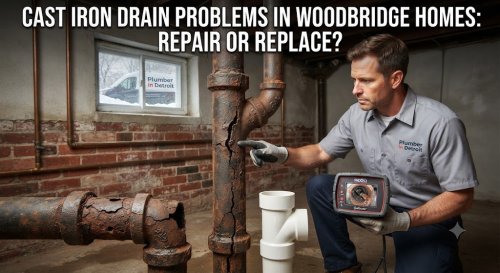
- Contact a Professional Detroit Plumber: Main line backups require specialized equipment such as heavy-duty motorized drain snakes, hydro-jetters, and video inspection cameras to diagnose and clear safely.
- Schedule Regular Inspections: If your home is surrounded by large trees or has older plumbing, periodic video camera inspections allow a plumber to check the condition of your lateral line.
- Watch What Goes Down the Drain: Never pour grease, oil, or food scraps down kitchen sinks, and strictly limit toilet flushing to human waste and standard toilet paper.
- Consider Backwater Valves: Installing a backwater prevention valve on your main sewer line can stop municipal or lateral wastewater from reversing flow into your basement during heavy rainstorms or city main overloads.
Prevention and Maintenance Strategies
Proactive care significantly reduces the likelihood of experiencing an unexpected sewage backup:
By understanding how your plumbing system interacts with local conditions in Detroit, you can maintain better system health, protect your property value, and address minor drainage concerns before they escalate into major emergencies.