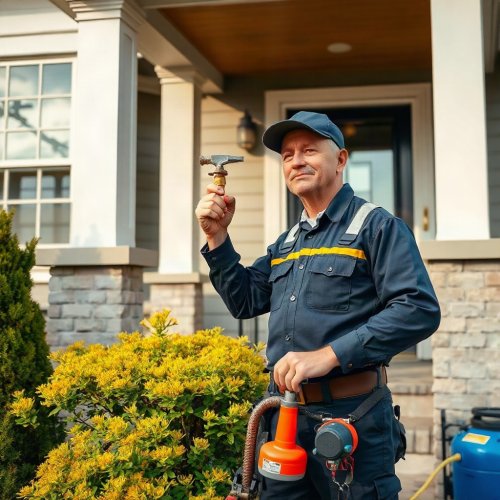
What Causes Water Heater Problems During Detroit Winters
Learn why water heaters struggle during cold Detroit winters, common signs of failure, and how to maintain reliable hot water when temperatures drop.


NEED A PLUMBER?
Fast & Local Plumbing Services
Leaks • Clogged Drains • Burst Pipes • Water Heaters • Emergency Plumbing
NEED A PLUMBER?
Fast & Local Plumbing Services
Leaks • Clogged Drains • Burst Pipes • Water Heaters • Emergency Plumbing
When freezing temperatures settle over Detroit, Michigan, household plumbing systems face a unique set of challenges. While most homeowners worry about frozen pipes or failing sump pumps during the winter months, water heaters also take a significant beating. Dealing with a sudden loss of hot water while snow blankets neighborhoods from Boston-Edison to Grandmont-Rosedale is an unwelcome surprise for any property owner.
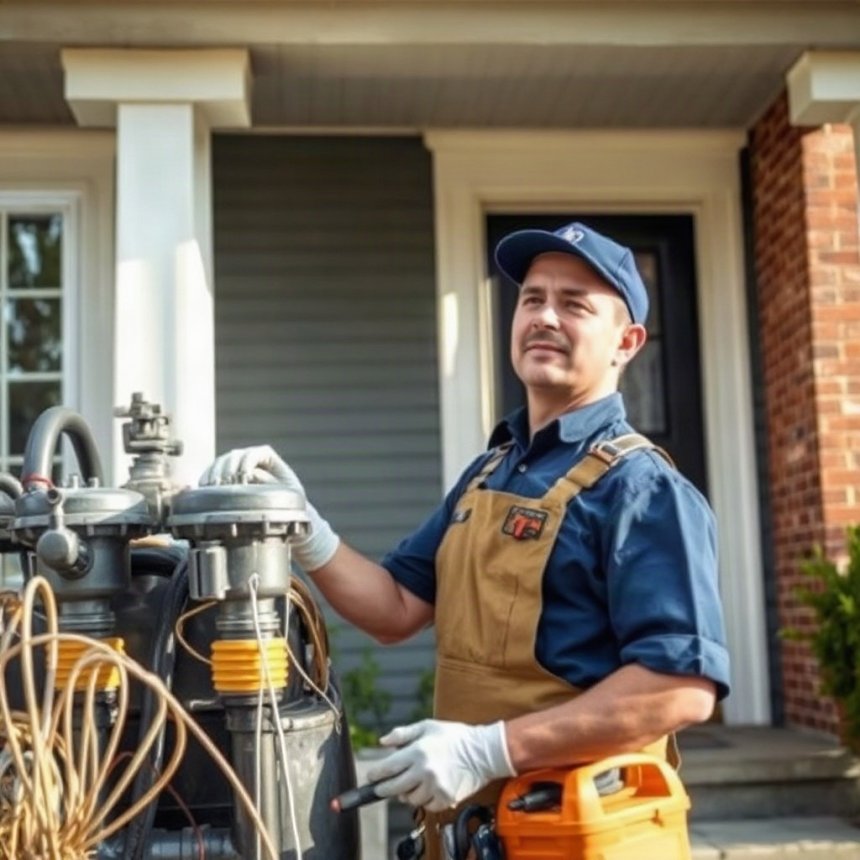
After twenty years of hands-on plumbing experience in the Detroit area, I have seen firsthand how severe winter weather puts extra strain on both tank and tankless water heating systems. Understanding why these issues occur and recognizing the early warning signs can help you prevent a total breakdown when you need hot water the most.
Why Detroit Winters Impact Water Heaters
Water heater problems often multiply during the winter for a few very specific reasons. Recognizing these environmental and mechanical factors can help you keep your system running smoothly:
- Frigid Groundwater Temperatures: The municipal water supply entering homes in Detroit during winter is significantly colder than in summer. Water heaters must work much harder and burn more energy to heat incoming water to your desired thermostat setting.
- Increased Household Demand: During cold weather, families spend more time indoors, leading to longer showers, heavier laundry loads, and continuous hot water usage that pushes older units to their limits.
- Accelerated Sediment Buildup: Mineral sediment settles at the bottom of traditional tank water heaters over time. When the unit has to work harder during winter, this sediment layer can overheat, causing rumbling noises, reduced efficiency, and premature component wear.
Common Winter Water Heater Problems
When a water heater begins to struggle against the cold, it usually exhibits distinct symptoms. Paying attention to these signs can prevent a minor issue from turning into an expensive emergency.
Running Out of Hot Water Too Quickly
If your showers turn cold much faster than they did in September, your water heater is likely struggling with the heavy thermal load of incoming winter water. In older Detroit homes, sediment accumulation at the bottom of the tank takes up valuable water volume, reducing the overall capacity of the unit.
Strange Rumbling, Popping, or Banging Noises
A loud rumbling or popping sound coming from your water heater tank is a classic sign of hardened sediment trapped at the bottom. As the burner heats the water through the thick layer of minerals, steam bubbles force their way up, creating trapped pressure and noise.
Discolored or Rusty Water
If the hot water coming from your faucets appears brownish, reddish, or rusty, it may indicate internal corrosion. Traditional tank water heaters contain a sacrificial anode rod designed to attract rust-causing minerals. Once that rod is fully depleted, the interior tank walls begin to rust.
Practical Maintenance Tips for Winter Performance
While you cannot control the weather outside, routine maintenance can greatly improve your water heater's ability to handle freezing conditions:
- Flush the Tank Annually: Draining and flushing your water heater tank once a year removes accumulated sediment, improves energy efficiency, and extends the lifespan of the unit.
- Inspect the Anode Rod: Checking the anode rod every few years helps catch internal tank corrosion before it results in a leak or a burst tank.
- Insulate Exposed Pipes: Insulating the hot and cold water pipes connected directly to your water heater helps reduce heat loss and protects exposed sections from chilly drafts in unheated basements.
- Check the Temperature Setting: Setting your water heater to a safe, moderate level—typically 120 degrees Fahrenheit—prevents scalding while reducing unnecessary wear on the heating elements or burner assembly.
Detroit Homeowner FAQ
Should I turn off my water heater if I leave my Detroit home for the winter?
If you are heading south for the winter and leaving your Detroit property vacant, you should either shut down the water heater completely or set it to 'Vacation' mode if available. This saves energy and prevents the unit from dry-firing or overheating if the water supply is accidentally shut off.
How long do water heaters typically last in Michigan?
A standard tank water heater generally lasts between 8 to 12 years, while tankless units can last upwards of 15 to 20 years with proper maintenance. Hard water minerals found in many regional water supplies can shorten this lifespan if annual flushing is neglected.
Is it normal for my water heater to run constantly when it is freezing outside?
Because incoming municipal water is much colder in the winter, the burner or electric heating elements will cycle on more frequently and stay on longer to reach the set temperature. However, if your unit runs continuously without ever producing truly hot water, it indicates a failing heating element, a faulty thermostat, or severe sediment buildup.
Keeping an eye on your water heater's performance as temperatures drop helps ensure your household stays comfortable all winter long. Regular flushing, proper insulation, and prompt attention to unusual noises or temperature drops go a long way toward maintaining a reliable hot water supply in your home.