Fix Recurring Drain Clogs Garden View Detroit Guide
Tired of recurring drain clogs in your Garden View, Detroit home? Learn why drains back up, safe fixes, and when to hire Plumber in Detroit


NEED A PLUMBER?
Fast & Local Plumbing Services
Leaks • Clogged Drains • Burst Pipes • Water Heaters • Emergency Plumbing
NEED A PLUMBER?
Fast & Local Plumbing Services
Leaks • Clogged Drains • Burst Pipes • Water Heaters • Emergency Plumbing
How to Find and Fix Recurring Drain Clogs in Garden View
Introduction
Few home repairs are as frustrating as clearing a clogged sink or toilet, only for the water to stop draining again two weeks later. For homeowners and business managers in the Garden View neighborhood of Detroit, recurring drain clogs are an all-too-common annoyance. You plunger the drain, pour hot water down the basin, or clear out the P-trap, but the slow drainage returns like clockwork.
Living in established Wayne County neighborhoods means dealing with aging infrastructure, mature trees, and decades of structural wear. When a single fixture slows down repeatedly—or when multiple drains across your property back up at the same time—the underlying issue is rarely localized to the surface drain. Ignoring repeated blockages can lead to cracked wastewater pipes, destructive sewage backups, and costly property remediation. Understanding why your drains keep clogging helps you address the root cause effectively before minor plumbing friction turns into an emergency disaster.
What Are Recurring Drain Clogs in Garden View Homes?
A recurring drain clog is a persistent blockage in your drainage system that keeps returning despite routine surface cleaning or plunging. Unlike an isolated clog caused by dropping an object down the sink, recurring blockages indicate an obstacle deeper within your branch lines or main sewer lateral.
Definition & System Dynamics
Your home’s drain system relies on gravity and proper pipe pitch to sweep wastewater into the city main. When an obstruction partially blocks a main pipe cavity, debris like soap scum, toilet paper, and hair quickly accumulate behind it. Clearing the top layer provides temporary relief, but because the primary obstruction remains, waste gathers again within days or weeks.
Symptoms of Deep System Blockages
-
Multiple Slow Drains: The kitchen sink, basement floor drain, and shower all drain slowly at the same time.
-
Gurgling Fixtures: Flushing the hallway toilet causes water to bubble up in the tub or shower pan.
-
Water Backups: Running the washing machine causes dirty water to overflow into basement floor drains.
-
Persistent Foul Odors: Rotten organic smells waft up from sinks or floor drains even after scrubbing the basins clean.
Why Does This Plumbing Problem Happen?
Recurring drain clogs in Garden View properties stem from structural, environmental, and operational causes:
1. Tree Root Intrusion
Garden View is known for its beautiful, mature shade trees. However, thirsty tree roots naturally migrate toward the moisture and nutrients escaping from microscopic cracks in underground sewer lines. Once inside, root balls act like natural dams, catching hair and paper goods.
2. Aging and Corroded Pipes
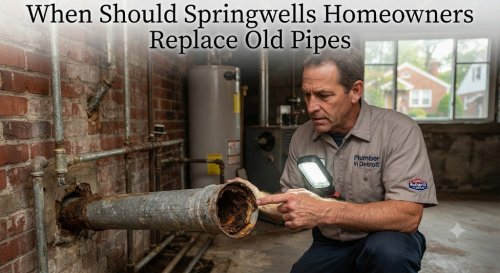
Many classic homes in Detroit feature original cast iron or clay sewer laterals. Over decades, cast iron develops internal rust scale ("tuberculation") that creates a rough, snag-prone pipe interior. Older clay pipes can crack, shift, or collapse under soil settling.
3. Grease and Fat Accumulation
Pouring cooking oils, lard, or grease down the kitchen sink is one of the leading causes of chronic blockages. As hot grease cools, it sticks to pipe walls, hardening into a thick layer that traps incoming food particles.
4. Flushing Non-Flushable Items
Flushing "flushable" wipes, paper towels, feminine hygiene products, or dental floss creates dense mats deep within home sewer lines. Unlike standard toilet paper, these items do not break down in water.
5. Sagging or "Belly" Pipes
Ground settling over time can cause underground drain pipes to bow downward, forming a "belly." Water collects in this low spot, causing heavy solids to settle out of the stream rather than washing away completely.
6. Mineral and Scale Buildup
Detroit's municipal water supply carries minerals that can combine with soap residue to form hard scale along pipe walls, gradually reducing internal water flow capacity.
Signs You Should Never Ignore
Ignoring recurring drainage problems always leads to bigger issues. Keep an eye out for these red flags:
-
Standing Water in Basement Drains: Indicates a main sewer line block that will push raw wastewater back into your living space during heavy water use.
-
Bad Smells Near Drains: Points to rotting sludge or sewer gas escaping through dried-out traps or cracked lines.
-
Surgically Slow Drains: When clearing a P-trap provides less than 48 hours of normal drainage, the blockage is deep in the main pipe network.
-
Water Stains on Basements or Ceilings: Indicates backed-up wastewater finding alternative exit routes through pipe joints or vents.
-
Unusual Lawn Patches: Soft, lush green spots in your yard directly above the sewer lateral line point to a leaking or root-compromised underground pipe.
Common Plumbing Problems Related to This Issue
When recurring clogs are left untreated, they trigger broader plumbing system failures:
-
Sewer Main Backups: Raw sewage backing up into lower-level fixtures, posing health risks and requiring extensive structural cleaning.
-
Cracked & Leaking Drain Pipes: Excessive internal pressure caused by deep blockages ruptures weakened iron or plastic joints.
-
Fixtures Overflows: Toilets and sinks overflowing unexpectedly, damaging subfloors, ceiling drywall, and floor coverings.
-
Foundation and Slab Damage: Long-term leaks from cracked underground drain pipes erode surrounding soil, causing basement floor cracks.
Step-by-Step Professional Repair Process
When you call Plumber in Detroit to fix recurring clogs in Garden View, our licensed experts perform a comprehensive repair process to eliminate the root cause:
Step 1: Inspection
We feed a high-resolution, waterproof sewer camera into your cleanout access to visually inspect the internal condition of your pipe network.
Step 2: Diagnosis
Using camera telemetry, we pinpoint the exact depth, location, and nature of the blockage—whether it's tree roots, grease buildup, a belly in the pipe, or structural collapse.
Step 3: Estimate
We provide a transparent, upfront estimate outlining the necessary solution, from specialized drain snaking to hydro jetting or trenchless pipe repair.
Step 4: Repair & Clearing
For heavy scale, grease, or roots, we utilize commercial hydro jetting (high-pressure water stream) or heavy-duty mechanical augers to scour the inner pipe walls clean back to bare metal or PVC.
Step 5: Testing
We re-insert the camera equipment to confirm the line is 100% clear and run multiple high-volume water tests throughout the home to verify smooth drainage.
Step 6: Cleanup
Our team thoroughly cleans and sanitizes the immediate work area around your cleanout or basement floor drain.
Step 7: Maintenance Advice
We provide practical tips tailored to your piping system to prevent future debris buildup and keep your sewer main open long-term.
Can You Fix It Yourself?
Knowing when to apply a simple DIY fix—and when to call a professional—saves you time, money, and messy pipe damages.
Safe DIY Solutions & Temporary Fixes
-
Baking Soda and Vinegar: Pour 1/2 cup of baking soda followed by 1 cup of white vinegar down kitchen sinks, let sit for 30 minutes, and flush with boiling water to break up minor grease coats.
-
Manual Hand Plunging: Use a cup plunger for sinks and a flange plunger for toilets. Ensure a tight seal over the drain opening to clear soft, localized blockages.
-
Cleaning the P-Trap: Place a bucket under your bathroom sink, unscrew the plastic or chrome P-trap, and clear trapped hair or soap scum manually.
When DIY Becomes Dangerous
-
Chemical Drain Cleaners: Caustic liquid drain openers contain harsh chemicals (like sulfuric acid or lye) that generate high heat. They can warp PVC pipes, corrode old cast iron, soften solder joints, and release dangerous fumes into your home.
-
Forcing Electric Augers: Renting commercial drain snakes without proper training can result in the cable kinking inside walls, fracturing brittle clay pipes, or tearing up fixture finishes.
If simple plunging or P-trap cleaning fails to resolve a recurring clog, contact a licensed plumber to prevent further pipe damage.
Tools Professionals Use
Professional drain specialists use specialized commercial equipment to diagnose and resolve persistent blockages accurately:
-
HD Sewer Inspection Cameras: Flexible fiber-optic cameras equipped with radio transmitters to locate pipe defects from inside the line.
-
High-Pressure Hydro Jetters: Blast water at pressures up to 4,000 PSI to cut through thick tree roots, flush out packed grease, and scour line walls clean.
-
Commercial Drain Augers & Snakes: Motorized steel cables equipped with specialized cutting heads to slice through tough obstructions.
-
Digital Pipe Locators: Receiver devices that track the camera head from above ground to mark the exact spot and depth where repairs are needed.
How Long Does the Repair Usually Take?
Repair timelines vary based on accessibility and the depth of the obstruction:
| Repair Scenario | Estimated Duration | Influencing Factors |
| P-Trap Clearing & Local Snaking | 30 to 60 Minutes | Access to the fixture |
| Camera Inspection & Sewer Main Snaking | 1 to 2 Hours | Cleanout accessibility and obstruction severity |
| Comprehensive Hydro Jetting | 2 to 4 Hours | Length of pipe run and amount of grease/root buildup |
| Trenchless Sewer Repair / Line Replacement | 1 to 2 Days | Excavation depth, soil conditions, and municipal permits |
Cost Factors Explained
Plumbing repair costs vary depending on the severity of the problem, accessibility, materials required, emergency service, property type, and local labor rates.
Key cost factors include:
-
Diagnostic & Camera Fees: Using specialized video camera equipment to locate deep main line blockages.
-
Equipment Needed: Standard drain augers vs. heavy-duty commercial hydro jetting rigs.
-
Accessibility of Pipes: Working from an accessible basement cleanout vs. accessing roof vents or digging up lawn cleanouts.
-
Severity of Pipe Damage: Simple clog clearing vs. repairing broken, collapsed, or root-severed sewer lines.
-
Emergency Service Charges: After-hours, weekend, or holiday service calls carried out during plumbing emergencies.
Hidden Truths Homeowners Should Know
-
Small Leaks Become Expensive Repairs: Unaddressed slow drains place continuous hydraulic pressure on pipe joints, converting minor pinhole leaks into major structural failures.
-
Cheap Temporary Fixes Often Fail: Chemical drain cleaners rarely clear deep main line clogs; they sit in pipes, corroding metal and plastic without solving the main block.
-
Insurance May Not Cover Neglected Plumbing: Standard homeowners policies often decline coverage for sewage backups if the damage is attributed to lack of routine maintenance.
-
Tree Roots Can Repeatedly Damage Sewer Lines: Cutting roots once with an auger offers temporary relief; roots will grow back thicker within months unless treated or repaired permanently.
-
Hard Water Shortens Fixture Lifespan: Heavy mineral scale inside pipes acts like friction paper, catching debris and causing frequent drain backups.
-
DIY Mistakes Increase Repair Costs: Jamming a rental snake down a pipe can break old cast iron fittings, turning a routine drain clearing into a full-scale pipe replacement.
-
Delaying Repairs Causes Structural Damage: Water backing up into subflooring or basement walls fosters rot and compromises your home's foundation.
-
Hidden Leaks Increase Utility Bills: Continuous slow leaks associated with failing drain lines silently push up monthly utility expenses.
-
Mold Develops Quickly: Damp environments created by backed-up drains breed toxic black mold within 24 to 48 hours.
-
Annual Maintenance Saves Money: Scheduling annual sewer inspections prevents unexpected sewage backups and avoids expensive emergency plumbing repairs.
15 Common Mistakes Homeowners Make
Avoid these common mistakes to keep your plumbing system free-flowing:
-
Using Chemical Drain Cleaners: Pouring harsh caustics down drains that eat away at pipe walls.
-
Flushing "Flushable" Wipes: Treating synthetic wipes like toilet paper—they do not break down.
-
Pouring Cooking Oil Down the Sink: Allowing hot grease to cool, solidify, and catch debris inside pipes.
-
Ignoring Slow Drains: Waiting until a sink completely stops draining before seeking help.
-
Flushing Hygiene Products & Trash: Treating toilets like garbage disposals.
-
Hiring Unlicensed Handymen: Entrusting complex sewer main issues to uncertified workers.
-
Skipping Annual Camera Inspections: Failing to check aging line conditions in older homes.
-
Overusing Garbage Disposals: Dumping fibrous vegetables (like celery, banana peels, or corn husks) down the disposal.
-
Ignoring Tree Proximity to Water Lines: Planted large trees directly above main sewer laterals.
-
Waiting Until Nighttime for Emergency Calls: Delaying obvious drain issues until after-hours rates apply.
-
Using Wrong Pipe Materials for DIY Repairs: Joining incompatible plastic and metal drain pipes without proper transition couplings.
-
Over-Tightening P-Trap Fittings: Cracking plastic drain nuts under sink basins during simple repairs.
-
Forgetting Strainer Baskets: Running showers or tubs without hair catchers over the drain opening.
-
Ignoring Gurgling Noises: Treating bubbling toilet bowls during laundry cycles as a harmless quirk.
-
Not Knowing Where Main Cleanouts Are Located: Failing to keep basement cleanout access points clear of boxes or furniture.
Maintenance Tips: Preventing Recurring Drain Clogs
Protect your Garden View home from chronic drainage issues with these simple maintenance practices:
Daily & Weekly Habits
-
Use Mesh Drain Strainers: Install stainless steel hair catchers in every tub and shower drain; clean them after every use.
-
Scrape Food Into the Trash: Scrape plates, grease, and food scraps into your compost or garbage bin before rinsing dishes in the sink.
-
Flush Kitchen Lines with Hot Water: Run hot tap water down the kitchen sink for 60 seconds after washing dishes to push grease droplets completely through your branch lines.
Monthly Care
-
Perform Hot Water & Dish Soap Flushes: Squirt half a cup of grease-cutting liquid dish soap down your kitchen drain, followed by two gallons of near-boiling water.
-
Clean Sink Pop-Up Stoppers: Pull up bathroom sink stoppers regularly to remove accumulated hair and soap scum mats.
Seasonal & Annual Preventive Care
-
Schedule an Annual Video Camera Inspection: Have a licensed plumber inspect your main sewer line every autumn to catch tree roots or scale buildup early.
-
Apply Root-Inhibiting Treatments: Ask your plumber about safe, foaming root-inhibitor treatments to prevent tree roots from invading pipe joints.
-
Inspect Basement Floor Drains: Pour a bucket of water down basement floor drains every three months to keep dry traps filled, preventing sewer gases from entering your home.
When Should You Call an Emergency Plumber?
Contact an emergency plumber immediately if you encounter any of these dangerous conditions:
-
Raw Sewage Backing Up: Wastewater flowing back up through basement floor drains, showers, or toilets.
-
Multiple Blocked Fixtures: Water used upstairs immediately backs up into ground-floor tubs or sinks.
-
Flooding Near Foundation Walls: Standing water accumulation in basements or yards near underground drain exits.
-
Uncontrolled Pipe Breaks: Active water leaks dripping through drywalls or ceiling plaster caused by high line backpressure.
Prompt action prevents structural damage, protects indoor air quality, and limits expensive water damage restoration work.
Frequently Asked Questions
Why is my water pressure suddenly low?
Sudden pressure drops usually point to municipal water main work, a failing pressure reducing valve (PRV), or a major main line leak rather than a simple drain blockage.
How much does leak detection cost?
Diagnostic costs depend on the equipment required (such as video camera tools or electronic locators). Plumbers provide clear diagnostic estimates prior to inspection.
Can a clogged drain damage pipes?
Yes. Clogged drains trap standing wastewater, accelerating internal pipe corrosion, weakening joints, and causing high pressure that can rupture pipes.
Is hydro jetting safe for old pipes?
Hydro jetting is safe for old pipes provided a preliminary video camera inspection confirms the pipe wall is structurally sound without collapses or large voids.
How do I know if my sewer line is broken?
Frequent backups across multiple drains, persistent sewer gas odors, gurgling toilets, and soggy lawn patches above the sewer path indicate a damaged or broken sewer line.
How long do water heaters last?
Tank water heaters generally last 8 to 12 years, while tankless models can last 15 to 20 years with proper maintenance.
Why does my faucet drip?
Dripping faucets are typically caused by worn internal rubber washers, degraded seals, or mineral-damaged valve cartridges.
What causes pipes to burst?
Pipes usually burst due to freezing water expansion in uninsulated spaces, extreme water pressure surges, or severe structural corrosion in older pipes.
Can plumbing leaks increase my water bill?
Yes. Unaddressed supply or drain leaks can waste thousands of gallons of water per month, resulting in significantly higher utility bills.
When should I replace plumbing instead of repairing it?
Full replacement is recommended when pipes are made of worn-out materials (like thin cast iron or orangeburg), suffer from recurring structural collapses, or require frequent repairs.
Why Choose Plumber in Detroit
When dealing with stubborn, recurring drain clogs in Garden View, you need a local plumbing team that delivers reliable solutions.
-
Experienced Licensed Plumbers: Our master and journeyman plumbers bring decades of practical experience resolving Detroit's most complex drain challenges.
-
Honest Recommendations & Upfront Pricing: We provide clear, itemized estimates before starting any work so you know what to expect.
-
Fast Response & Emergency Availability: We offer rapid emergency services across Garden View, Warrendale, Brightmoor, and nearby Wayne County communities.
-
Modern Diagnostic & Jetting Equipment: Using high-definition sewer cameras and commercial hydro jetters, we clear drains thoroughly without unnecessary digging.
-
Local Detroit Expertise: As a local business, we understand Detroit's historic home designs, municipal sewer configurations, and soil conditions.
Stop dealing with recurring drain blockages. Contact Plumber in Detroit today to schedule your video camera inspection and clear your lines for good!